To reduce inflammation after an injury using a cold plunge, start by immersing yourself in water between 50°F and 59°F for 11–15 minutes within 48 hours of injury. Keep the water cold but safe, and avoid overexposure. Use gentle movement afterward and stay warm to encourage healing. Monitoring your response helps prevent setbacks, and if you keep exploring, you’ll find more effective tips for safe recovery.
What Causes Post-Injury Inflammation and Swelling?
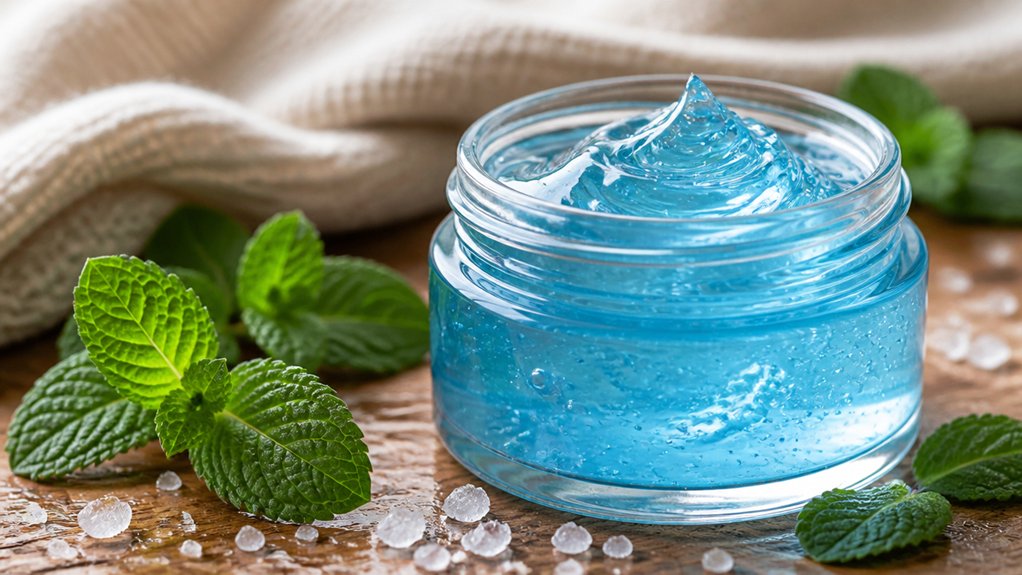
What exactly causes post-injury inflammation and swelling? When you get hurt, tissue damage triggers your immune system to respond. Blood vessels dilate to deliver white blood cells, the body’s frontline defenders, which clear out damaged tissue and fight infection. This increased blood flow causes inflammation, leading to redness and warmth. Additionally, applying certain recovery serums and oils can help soothe inflammation and support the healing process. Simultaneously, blood vessels become more permeable, allowing fluids and immune cells to escape into surrounding tissues—causing swelling. This buildup puts pressure on nerves, heightening pain and restricting movement.
Acute inflammation peaks within 1 to 3 days, playing a crucial role in your recovery by cleaning up damaged cells. However, if inflammation persists or becomes excessive, it can hinder healing, prolong pain, and increase tissue stiffness, delaying ideal recovery.
How Does Cold Water Immersion Help Reduce Swelling and Pain?
Have you ever wondered how cold water immersion helps ease swelling and pain after an injury? Cold therapy reduces inflammation by causing vasoconstriction, narrowing blood vessels to limit blood flow and decrease swelling.
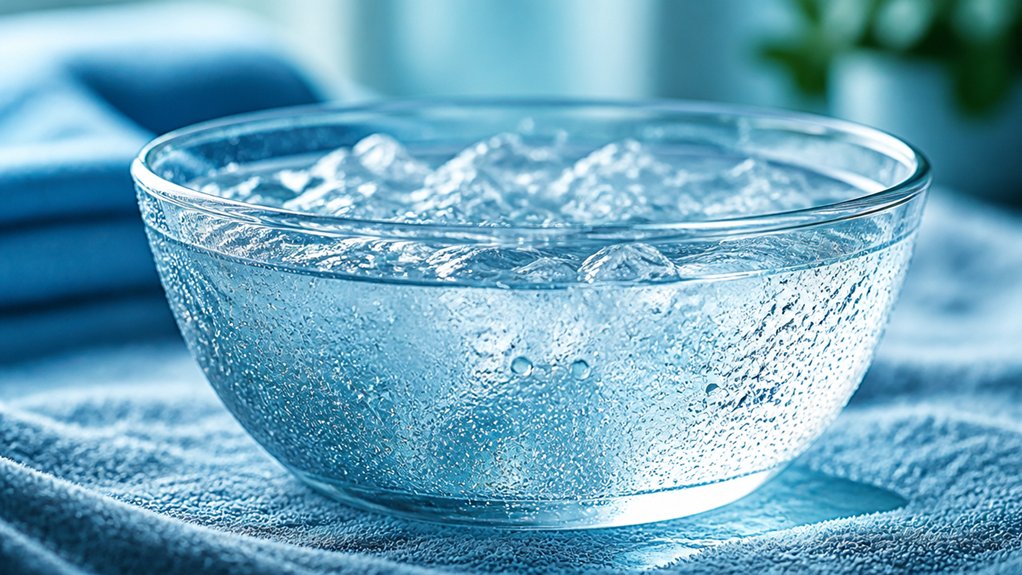
Immersing in ice baths or cold water slows nerve signals, providing pain relief and temporary numbness. Studies show that staying in water at 52–59°F for 11–15 minutes can lower markers of muscle damage and decrease delayed onset muscle soreness (DOMS).
Cold water immersion also reduces inflammatory markers and clears metabolic waste, speeding up recovery. Durability features and proper water treatment solutions help maintain the effectiveness and safety of cold plunge setups, ensuring optimal recovery conditions. Timing matters—you’ll get the best results if you apply cold therapy soon after injury.
What Are the Best Temperatures and Durations for Cold Plunges?
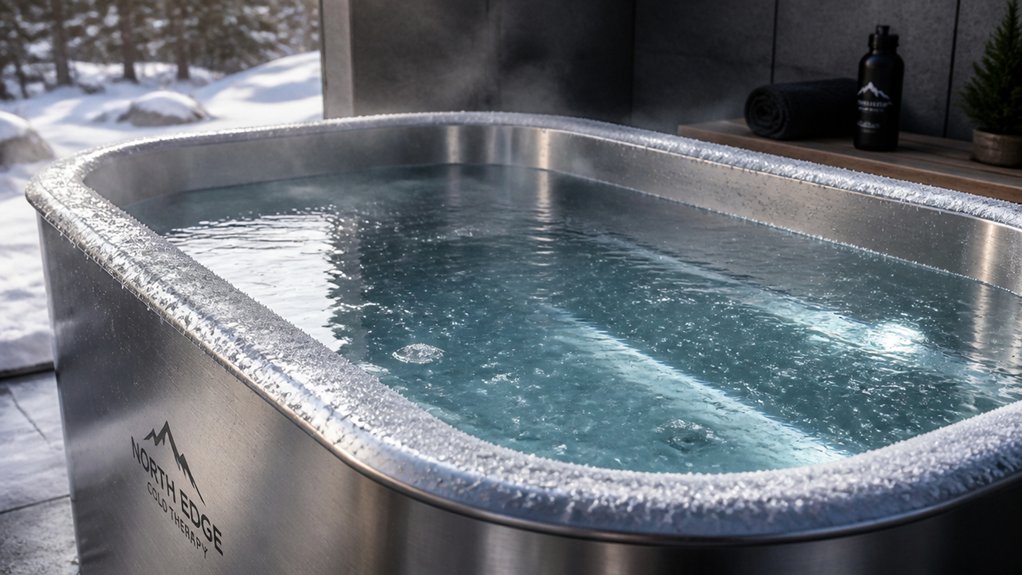
Finding the ideal temperatures and durations for cold plunges is key to maximizing their anti-inflammatory benefits safely. Aiming for water between 50°F and 59°F (10°C to 15°C) helps reduce inflammation and muscle pain effectively. Start with short immersions of 30 seconds to 1 minute, then gradually increase to 11–15 minutes at 52–59°F for peak relief. Longer sessions, around 15–20 minutes daily, can further reduce swelling without hindering healing. Keep your head above water and avoid dips below 50°F to prevent risks. Using a temperature control device or app can help maintain consistent cold therapy conditions. Use this table to guide your cold immersion protocol:
| Temperature Range | Duration | Purpose |
|---|---|---|
| 50°F–54°F | 30 sec – 2 min | Pain management, initial recovery |
| 55°F–59°F | 11–15 min | Reduce inflammation, swelling |
| Above 59°F or below 50°F | Shorter or avoid immersion | Safety, pain management |
When Is the Right Time to Cold Plunge After an Injury?
Determining the right time to cold plunge after an injury is essential for maximizing benefits and minimizing risks. Cold plunge therapy is most effective when started within the first 48 hours of an acute injury, helping to reduce swelling and pain by controlling inflammation.
Begin with short durations, around 30 seconds to 1 minute, and gradually increase as tolerated. Avoid cold plunging immediately after surgery or if there are open wounds, as it could delay healing or cause infection.
Wait until the acute inflammatory response subsides enough to safely combine cold plunges with movement or physical therapy, supporting post-workout recovery. Always consult a physical therapist or healthcare provider to guarantee cold plunge therapy is appropriate, particularly if you have underlying health conditions or sensitivities. Additionally, using a ozone generator designed for water sanitation can help maintain clean and safe water quality during repeated immersions.
How Can I Stay Safe During Cold Water Therapy?

Staying safe during cold water therapy is essential to prevent accidents and adverse health effects. Always keep your head above water to avoid gag reflex and water inhalation.
Limit cold water immersion to 5–10 minutes, starting with shorter sessions of 30 seconds to 1 minute to reduce risks like hypothermia or frostbite. Never plunge alone, especially in open water—have someone nearby for assistance.
If you have cardiovascular disease, high blood pressure, or other health conditions, consult a healthcare provider before attempting safe cold exposure. After your plunge, dry off and rewarm gradually, avoiding hot tubs or saunas immediately afterward to prevent cardiovascular strain.
Following these safety tips guarantees a beneficial and safe cold water therapy session.
What Post-Plunge Habits Support Faster Recovery?
After cold plunging, make sure to dry off thoroughly and change into warm clothes to prevent hypothermia.
Wait at least 20–45 minutes before doing intense activities, and avoid hot tubs or saunas immediately afterward to keep your heart safe.
Staying well-hydrated and steering clear of alcohol or tobacco helps your body rewarm smoothly and reduces inflammation.
Incorporating gentle, pH-balanced cleansing agents into your post-plunge routine can also help support your skin’s recovery and barrier repair.
Rewarm Gradually After Cold
Gradually rewarming after a cold plunge is essential for a safe and effective recovery period. This process helps restore blood flow, reduces the inflammatory response, and rebuilds muscle power.
To support this, consider these steps:
- Engage in dynamic movement, like light walking or cycling, to promote gentle blood circulation.
- Avoid hot tubs or saunas immediately after cold exposure to prevent sudden temperature shifts that strain your cardiovascular system.
- Quickly towel-dry and change into warm clothes to maintain thermal regulation and prevent hypothermia.
- Stay well-hydrated to counteract cold-induced dehydration, supporting efficient recovery and metabolic processes.
Following these habits guarantees a smooth shift from cold to warmth and optimizes your recovery process.
Hydrate Post-Plunge Effectively
Proper hydration is essential following a cold plunge because it supports your body’s recovery processes and helps reduce inflammation. To effectively rehydrate, drink plenty of water to counteract cold-induced dehydration and promote metabolic recovery. Incorporate fluids rich in electrolytes to restore mineral balance, which aids in tissue repair and minimizes muscle cramping. Avoid alcohol and caffeine, as they hinder rehydration and temperature regulation. Ensuring the right electrolyte balance can further enhance your recovery process. Gradual rewarming combined with proper hydration helps restore blood flow and nutrient delivery, key to reducing inflammation. Additionally, maintaining proper hydration boosts lymphatic drainage, helping to clear inflammatory byproducts and support quicker recovery.
Avoid Heat Immediately After
Avoid exposing yourself to heat sources like hot tubs, saunas, or direct sunlight immediately after a cold plunge to prevent unnecessary cardiovascular stress. Sudden heat can cause abrupt vasodilation, worsening inflammation and slowing recovery.
Instead, focus on gradual rewarming for ideal healing:
- Dry off thoroughly and wear warm clothing to maintain body temperature.
- Engage in light movement or gentle activities for 20-45 minutes to promote blood flow without overstressing the cardiovascular system.
- Avoid alcohol or tobacco, which can interfere with vascular regulation and impede recovery.
- Stay hydrated to support circulation and aid the body’s natural inflammation reduction and healing process.
- Incorporate guided breathing devices to help regulate your nervous system and reduce stress during this transition.
These habits guarantee a safe shift from cold to warmth, minimizing inflammation and supporting effective recovery.
How Should I Combine Cold Therapy With Movement and Therapy?
To maximize recovery, apply cold therapy for 15-20 minutes within the first 48 hours and then incorporate gentle, guided movements to boost circulation. A well-fitting, compression sleeve can help maintain stability and support during activity. Use cold before or after therapy sessions to numb pain, but don’t ice for too long, as it can hinder blood flow. Keep an eye on how your body responds, and adjust your mix of cold and movement to avoid setbacks.
Timing of Cold Application
Timing your cold therapy is essential for maximizing benefits and supporting recovery. Applying cold application within the first 48 hours can greatly reduce swelling and pain, cutting inflammation by up to 50%.
To optimize results, follow these key steps:
- Limit cold therapy sessions to 15-20 minutes multiple times daily, guaranteeing tissue isn’t overcooled.
- Prioritize cold application early, as this phase is vital for controlling inflammation and preventing tissue damage.
- Avoid prolonged cold exposure, which can hinder circulation and delay tissue repair.
- After initial cold treatment, gradually rewarm and incorporate gentle movement to promote circulation and support healing.
Proper timing guarantees cold therapy effectively reduces swelling and pain without compromising tissue repair.
Combining Cold With Movement
Integrating gentle movement with cold therapy can greatly enhance your recovery process by reducing stiffness and promoting blood flow, all without worsening inflammation. Applying cold therapy within the first 48 hours after injury helps reduce swelling and pain, creating a favorable environment for movement.
During cold sessions, incorporate pain-free, gentle movement to foster tissue healing and improve joint function. This combination enhances blood flow to injured tissues and prevents stiffness, supporting quicker recovery.
Limit cold therapy to 15–20 minutes multiple times daily, then follow with physical therapy exercises focused on controlled movement. Avoid immobilization, as combining cold with active movement prevents muscle atrophy and encourages ideal healing outcomes.
This balance of cold therapy and gentle movement optimizes your recovery, paving the way for better mobility and reduced inflammation.
Monitoring Recovery Responses
Monitoring how your body responds during recovery is essential for effectively combining cold therapy with movement and therapy exercises.
By tracking your responses, you can tailor your approach to manage inflammation and optimize healing. Focus on these key signs:
- Check for persistent swelling or increased pain, which may indicate overexertion.
- Observe changes in range of motion and stiffness, adjusting activity levels accordingly.
- Notice improvements in blood flow and reduction in swelling when combining cold therapy with gentle movement.
- Consult your therapist if pain or inflammation worsens, ensuring your recovery plan remains effective.
Regular monitoring helps balance inflammation reduction with tissue repair, preventing setbacks.
This approach allows you to safely progress in physical therapy while minimizing discomfort.
What Signs Indicate I Should Avoid Cold Plunges During Healing?
How can you tell if cold plunges are no longer safe during your healing process? If you notice persistent numbness, skin discoloration, or heightened sensitivity, it’s a sign to avoid cold plunges due to potential poor circulation or nerve issues. Avoid cold plunges if you have open wounds, fresh surgical incisions, or skin infections, as cold exposure can hinder healing and pose infection risks. People with cardiovascular conditions, high blood pressure, or circulatory disorders should steer clear to prevent heart strain or blood pressure spikes. If dizziness, chest discomfort, or rapid breathing occur during or after a plunge, stop immediately and seek medical help.
| Symptom | Action | Reason |
|---|---|---|
| Numbness, discoloration | Avoid cold plunges | Poor circulation/nerve issues |
| Open wounds/infections | Avoid cold plunges | Infection risk |
| Dizziness/chest pain | Seek medical advice | Cardiovascular concern |
| Severe swelling | Delay plunges | Acute injury phase |
| Elevated blood pressure | Consult healthcare provider | Circulatory risk |
Frequently Asked Questions
Can Cold Plunges Reduce Inflammation?
Yes, cold plunges reduce inflammation by constricting blood vessels, decreasing swelling, slowing nerve signals for pain relief, and lowering inflammatory markers. For best results, use them soon after injury and combine with movement and therapy.
How to Flush Inflammation Out of Your Body Fast?
You can flush inflammation quickly by cold plunging, which constricts blood vessels and clears inflammatory waste. Combine it with hydration, gentle movement, and gradual rewarming to boost circulation and promote faster recovery.
How Long Does It Take for Inflammation to Go Down After Injury?
Inflammation typically decreases within 48 hours with proper care like ice and elevation, but chronic inflammation can last weeks or months if untreated or underlying issues aren’t addressed. Early movement accelerates your recovery process effectively.
How to Reduce Injury Inflammation Fast?
You can reduce injury inflammation quickly by applying cold therapy within 48 hours, limiting sessions to 15-20 minutes, elevating and compressing the area, and gradually moving to promote circulation and healing effectively.