
Frequent cold water immersion helps reduce inflammation by causing your blood vessels to constrict, limiting blood flow and slowing inflammatory responses. This process also stimulates your body’s anti-inflammatory pathways and reduces pro-inflammatory chemicals, helping your muscles recover faster. Over time, your body adapts, improving circulation and boosting immune function. If you want to uncover more ways cold immersion benefits your health and how to do it safely, keep exploring the details.
How Cold Water Immersion Reduces Tissue Inflammation
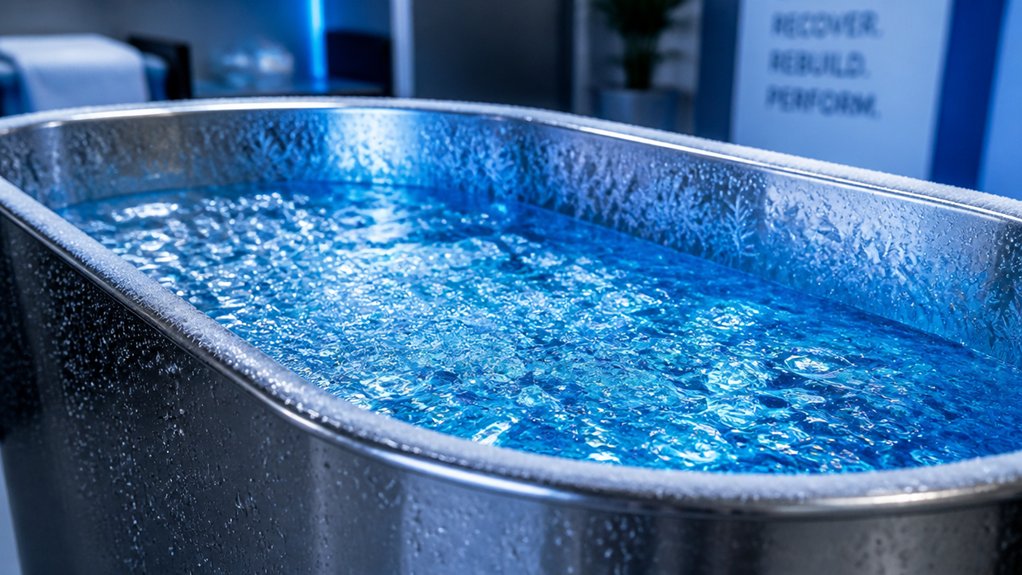
Cold water immersion helps reduce tissue inflammation by causing blood vessels to constrict, which limits blood flow to injured areas and slows down the initial inflammatory response. This constriction from cold water constricts vessels, reducing the delivery of inflammatory cells and chemicals that cause swelling and pain.
Cold water immersion therapy also decreases metabolic activity in muscle cells, which helps slow tissue damage and inflammation. By lowering blood flow, it limits the release of pro-inflammatory markers and promotes faster muscle recovery.
Repeated cold immersion triggers a vascular pumping action, aiding circulation and reducing edema. Studies show that immersing in cold water at temperatures between 5°C and 15°C for several minutes markedly lowers inflammatory cytokines after muscle strain, supporting its role in reducing inflammation and accelerating recovery.
How Blood Vessel Constriction Helps Control Inflammation
Vasoconstriction, the narrowing of blood vessels, plays a crucial role in controlling inflammation by limiting blood flow to injured muscle tissues. When you expose yourself to cold water immersion, vasoconstriction reduces the delivery of inflammatory cells and molecules, helping to prevent excessive swelling and tissue damage. This process also limits the buildup of metabolic waste that can trigger further inflammation. The cycle of vasoconstriction followed by vasodilation creates a pumping effect, aiding in clearing inflammatory byproducts. By controlling local blood flow, cold water immersion directly decreases the intensity and duration of inflammation after exercise. This is particularly beneficial for managing muscle soreness and exercise-induced muscle damage. Additionally, using specific water treatment solutions can help maintain water quality, further supporting effective inflammation control.
How Repeated Cold Plunges Cause Your Body to Adapt

Repeated cold plunges train your blood vessels to respond more efficiently, enhancing circulation and stabilizing inflammatory reactions over time. Cold-water immersion prompts vascular adaptation, allowing your vessels to constrict and dilate more effectively, which helps regulate blood flow and reduce inflammation.
With consistent exposure, your immune system adjusts, increasing anti-inflammatory cytokines and decreasing pro-inflammatory markers. This process improves circulation, making it easier to clear metabolic waste and reduce muscle soreness after exercise.
As your body adapts, your sympathetic nervous system response diminishes, leading to less acute stress and inflammation from cold stimuli. Over time, you’ll develop better cold tolerance, enabling longer or colder sessions that further support inflammation control without tissue damage or excessive discomfort.
How Cold Therapy Changes Cellular Activity to Fight Inflammation
When you immerse yourself in cold therapy, your cells respond by activating specific mechanisms that help combat inflammation. Cold water exposure triggers vasoconstriction, reducing blood flow initially, then vasodilation improves circulation, flushing out inflammatory waste from tissues.
At the cellular level, cold therapy decreases the production of pro-inflammatory cytokines like TNF-alpha and IL-6, lowering inflammation. It also stimulates cold shock proteins that repair damaged proteins and reduce oxidative stress, which are essential in inflammatory responses.
In addition, cold immersion activates the parasympathetic nervous system, enhancing immune function. Repeated cold exposure downregulates inflammatory pathways such as NF-κB, creating long-term anti-inflammatory effects. These processes collectively alter cellular activity, strengthening your body’s ability to fight inflammation effectively. Chiller features such as precise temperature control and sanitation systems play a crucial role in optimizing cold therapy sessions.
Why Regular Cold Exposure May Prevent Chronic Inflammation

Regular cold exposure helps modulate your immune responses, lowering pro-inflammatory cytokines and boosting anti-inflammatory pathways. It also enhances cellular repair and reduces long-term stress, which can prevent low-grade chronic inflammation. Incorporating adaptogens in your routine can further support your body’s resilience to stress and inflammation adaptogen synergy. As a result, consistent cold therapy may protect you from inflammation-related chronic diseases.
Modulates Immune Responses
Frequent cold exposure actively influences your immune system by promoting the production of anti-inflammatory cytokines, which help keep chronic low-grade inflammation in check.
Through cold water immersion, your body repeatedly undergoes vasoconstriction and vasodilation cycles, enhancing circulation and aiding in clearing inflammatory metabolic byproducts. This process reduces tissue inflammation and modulates immune function by upregulating anti-inflammatory cytokine production.
Cold exposure also downregulates pro-inflammatory markers like TNF-α and IL-6, further lowering systemic inflammation. Additionally, the hormonal response to frequent cold immersion—specifically norepinephrine release—supports immune regulation and exhibits anti-inflammatory effects.
Research indicates that insulation materials used in cold plunge pools help preserve water temperature, ensuring consistent exposure and maximizing immune benefits during recovery sessions.
Together, these mechanisms help maintain a balanced immune response, preventing the persistent, low-grade inflammation associated with chronic health issues.
Enhances Cellular Repair
Cold exposure directly supports cellular repair by reducing muscle damage from exercise and other stressors, thereby lowering the release of pro-inflammatory cytokines that contribute to chronic inflammation.
When you immerse in cold water, your blood vessels constrict, and upon exiting the water, they rapidly dilate. This cycle improves circulation, helping to remove metabolic waste and inflammatory byproducts from your tissues.
Cold immersion also stimulates your immune responses, activating anti-inflammatory pathways that promote tissue regeneration. Additionally, repeated cold exposure enhances mitochondrial function within your cells and reduces oxidative stress, both essential for cellular health.
Hormonal regulation triggered by cold, involving cortisol and norepinephrine, further accelerates recovery. By supporting these cellular processes, cold immersion plays a key role in preventing persistent inflammation and fostering overall tissue repair. Corrosion-resistant materials in chillers ensure long-lasting and reliable operation, supporting consistent cold therapy sessions.
Reduces Chronic Stress
Engaging in consistent cold exposure triggers your body’s stress response, leading to beneficial adaptations that help lower cortisol levels—a hormone closely linked to chronic inflammation.
Cold plunges promote mental health benefits, helping you manage stress better and reducing feelings of soreness. Regular exposure to cold can also improve autonomic nervous system balance, decreasing sympathetic overactivity associated with chronic inflammatory conditions.
Cold immersion triggers the release of anti-inflammatory cytokines and inhibits pro-inflammatory cytokines, actively reducing inflammation and promoting overall health. Habitual cold plunges enhance resilience to oxidative stress and lower systemic inflammatory markers.
By promoting mental relaxation and decreasing psychological stress, cold exposure can indirectly reduce inflammation and prevent chronic inflammatory diseases.
- lowers cortisol levels linked to inflammation
- enhances resilience to oxidative stress
- promotes mental health and relaxation
When and How Often Should You Cold Plunge for Best Results?
Wondering how often you should step into a cold plunge for the best inflammation relief? For beginners, starting with short durations of 30 seconds to 1 minute is ideal, gradually increasing to 5–10 minutes to effectively reduce inflammation and soreness.
The most effective frequency is 1-2 times per week initially, with some individuals progressing to daily cold plunging while monitoring how their body responds. Cold plunges shortly after intense workouts can help ease exercise-induced muscle inflammation, but doing it immediately post-resistance training might impair long-term strength gains.
Spacing out cold water exposure throughout the week helps sustain anti-inflammatory benefits without risking hypothermia or blunted muscle adaptation. Timing your cold plunges wisely maximizes benefits while minimizing potential risks, and choosing the right cold plunge tub capacity and size can enhance your recovery routine.
Safety Tips for Maximizing Benefits and Avoiding Risks
To maximize benefits and stay safe, start with brief immersions of 30 seconds to a minute at temperatures around 50-59°F, and gradually increase your exposure.
Always check the water temperature beforehand and avoid icy waters with strong currents to prevent injuries like frostbite or drowning. Keep warm clothing nearby and limit sessions to 1-5 minutes, monitoring for any adverse reactions throughout. Using reliable floating thermometers can help ensure you maintain the optimal therapeutic temperature safely.
Optimal Duration and Temperature
What’s the best way to guarantee you reap the benefits of cold-water immersion without risking your safety? Stick to recommended temperatures and durations. For an ice bath, ideal for peak cold-water immersion, beginners should aim for 50°F to 59°F (10°C–15°C), while experienced users can tolerate down to about 39°F (4°C).
Limit exposure to 1-5 minutes, starting with 30 seconds to 1 minute, gradually increasing to prevent hypothermia. Avoid prolonged exposure beyond 10-15 minutes, especially below 40°F (4°C), as it raises risks of hypothermia, frostbite, and impaired motor control. Always prioritize warming and drying afterward to restore core body temperature safely.
- Keep the temperature within recommended ranges
- Limit immersion time initially, then increase gradually
- Watch for signs of overexposure and adjust accordingly
Precautionary Measures for Safety
Ensuring safety during cold-water immersion requires strict attention to proper measures that minimize risks while maximizing benefits. Always measure the water temperature before therapy, aiming for 50-59°F (10-15°C) for beginners and avoiding temperatures below 40°F (4°C), which can cause frostbite or skin damage.
Limit your cold plunge to 1-5 minutes initially, as icy conditions constrict your blood vessels and can strain your heart. Avoid immersion if you have heart disease, hypertension, or poor circulation—it’s dangerous for people with such conditions, so consult a healthcare provider beforehand.
Use a safe environment and have warm clothing and towels ready to restore body temperature promptly. Gradually increase frequency and duration based on your tolerance to prevent adverse effects. Proper water treatment solutions, such as those that remove oils and debris, help maintain water quality and safety during regular use.
Frequently Asked Questions
What Flushes Inflammation Out of Your Body?
Cold-water immersion flushes inflammation out of your body by constricting and then rapidly dilating blood vessels, which promotes blood flow, accelerates waste removal, reduces swelling, and enhances lymphatic drainage, helping your tissues recover faster.
How Does Cold Water Immersion Reduce Inflammation?
Cold water immersion reduces inflammation by constricting blood vessels, limiting inflammatory cell and fluid buildup. It slows metabolic activity, decreases pro-inflammatory cytokines, and promotes circulation upon rewarming, flushing out waste and calming your body’s inflammatory response effectively.
What Is the #1 Habit You Should Break if You Have Inflammation?
You should break the habit of exposing yourself to prolonged or excessive stress without proper recovery. Pushing through fatigue and skipping rest worsens inflammation, delays healing, and prevents your body from effectively repairing itself, making inflammation worse over time.
What Is the Best Exercise to Reduce Inflammation?
The best exercise to reduce inflammation is regular aerobic activity, like walking, cycling, or swimming, because it lowers inflammatory markers, improves cardiovascular health, and promotes relaxation, which collectively help decrease chronic inflammation and boost your immune system.