For reducing inflammation, aim for plunge temperatures between 50°F and 55°F. Water in this range causes vasoconstriction, which helps limit swelling and inflammation. Staying within this temperature prevents cold stress or tissue damage, and immersing for 5–10 minutes boosts recovery. Beginners should start slightly warmer and gradually lower the temperature as they build tolerance. To discover more effective cold plunge tips and safety advice, keep exploring the details ahead.
Why Cold Water Is Effective at Reducing Inflammation
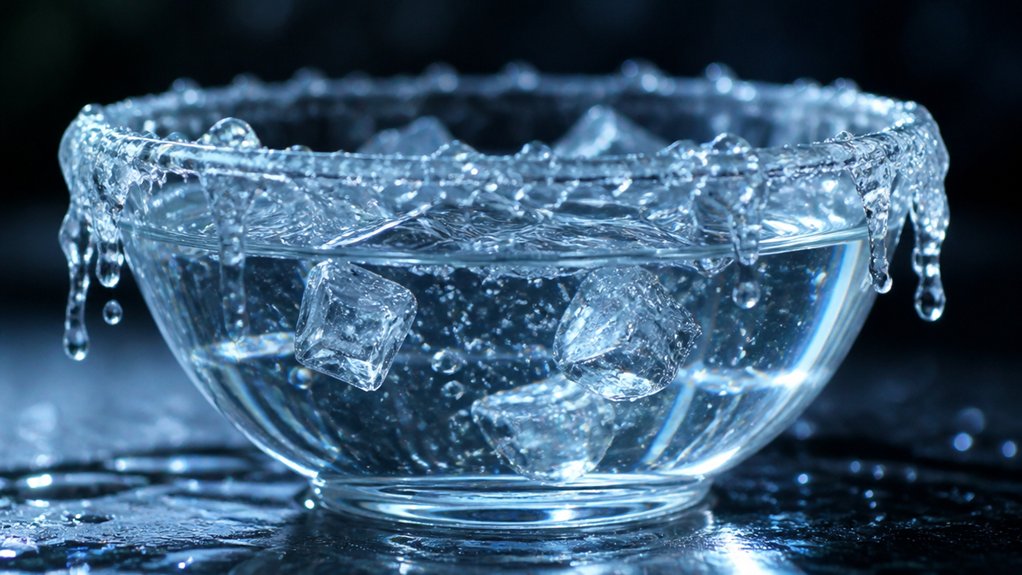
Cold water immersion effectively reduces inflammation by causing vasoconstriction, which narrows blood vessels and limits blood flow to injured tissues. When you dip into cold water, your blood vessels constrict, reducing the delivery of inflammatory mediators to damaged areas. This process helps lower swelling and tightens inflamed tissues. Additionally, the temperature range of 50°F to 59°F (10°C–15°C) is optimal, as it triggers anti-inflammatory responses without risking hypothermia. After you exit the cold water, vasodilation occurs, boosting blood flow and facilitating the removal of metabolic waste and residual inflammation. Keeping your cold plunge between 5–10 minutes maximizes the benefits of inflammation reduction while minimizing tissue damage. Overall, cold water immersion provides a simple, effective way to manage inflammation by targeting blood vessel response.
What’s the Best Temperature for Cold Plunges to Ease Soreness?
What’s the best temperature for cold plunges to ease soreness? The ideal temperature range for cold water immersion to reduce inflammation and muscle soreness is between 50°F and 59°F (10°C to 15°C).
The optimal cold plunge temperature is between 50°F and 59°F to safely reduce soreness and inflammation.
Water colder than 50°F can increase risks like hypothermia and frostbite, making the 50°F-59°F range both safe and effective for anti-inflammatory benefits.
When you plunge into this temperature, vasoconstriction occurs, narrowing blood vessels and reducing swelling.
If you’re new to cold water immersion, start with milder temperatures around 55°F to 59°F to acclimate.
To maximize benefits, stay immersed for 5 to 10 minutes, balancing inflammation reduction with comfort.
Key points include:
- Ideal temperature: 50°F-59°F
- Safer than colder water
- Decreases blood flow to reduce swelling
- For beginners, start slightly warmer
- Duration: 5-10 minutes
- Using the right water treatment solutions can help maintain water quality and temperature consistency for safe and effective cold plunges.
How Cold Water Narrows Blood Vessels to Speed Recovery

When you immerse yourself in water between 50°F and 59°F, your blood vessels immediately respond by narrowing—a process known as vasoconstriction.
Cold water causes vasoconstriction by tightening blood vessels, which helps reduce inflammation in your muscles. This narrowing limits blood flow, decreasing swelling and muscle soreness after exercise.
As your body starts to warm up again, vasoconstriction reverses, and blood rushes back to the tissues, flushing out metabolic waste products. This process accelerates muscle recovery by promoting faster tissue repair.
The colder the water within this range, the more pronounced the vasoconstriction, enhancing the anti-inflammatory effects. By limiting inflammation and encouraging circulation, cold water causes your body to recover more efficiently and reduces lingering soreness. Additionally, modern chillers with features like energy efficiency and rapid cooling capabilities ensure that you can maintain optimal temperatures with minimal effort, supporting consistent recovery practices.
Optimal Cold Temperatures (50–55°F) to Fight Inflammation
Immersing in water between 50–55°F triggers vasoconstriction that effectively reduces inflammation and swelling. A reliable chiller ensures consistent temperature maintenance, crucial for maximizing precise temperature control. Spending 5 to 10 minutes at this temperature enhances your body’s anti-inflammatory response without risking cold-related injuries. This ideal range amplifies physiological benefits like pain relief and faster healing, making it a powerful tool for recovery.
Enhanced Anti-Inflammatory Response
Exposing your body to cold water in the range of 50 to 55°F triggers a potent anti-inflammatory response that effectively reduces swelling and muscle soreness. This temperature range activates anti-inflammatory pathways by narrowing blood vessels, which limits blood flow to inflamed tissues and decreases leukocyte migration. Incorporating proper water treatment ensures the water remains clean and safe during repeated immersions. Here’s why it works:
- Boosts your body’s natural healing processes.
- Enhances the reduction of post-exercise inflammation.
- Balances the benefits of vasoconstriction with safety.
- Prevents excessive tissue swelling.
- Supports faster recovery and tissue repair.
A cold plunge within this ideal temperature range fosters an enhanced anti-inflammatory response, making it an effective method for controlling inflammation and speeding up recovery.
Vasoconstriction Benefits
Cold water within the 50–55°F range triggers vasoconstriction—a process where blood vessels narrow to limit blood flow to inflamed tissues. By choosing this plunge temperature during cold-water immersion, you activate vasoconstriction to reduce inflammation effectively. Research indicates that multi-layer insulation helps maintain these precise temperatures more consistently, enhancing the benefits of cold therapy.
This physiological response decreases blood vessel permeability and limits inflammatory fluid buildup, which helps reduce muscle swelling and soreness. When you stick to the ideal plunge temperature, you harness the benefits of vasoconstriction without risking excessive cold stress that could compromise safety.
Over time, repeated cold-water immersion at 50–55°F enhances vascular response, promoting better inflammation control.
In short, maintaining this temperature range maximizes vasoconstriction benefits, accelerates recovery, and supports your anti-inflammatory goals.
Deepened Physiological Benefits
When you keep your cold water plunge between 50 and 55°F, you activate the body’s strongest anti-inflammatory responses while minimizing cold stress. Cold plunges offer a powerful way to reduce inflammation by triggering vasoconstriction, which limits blood flow to inflamed tissues and reduces swelling. The 50–55°F temperature range effectively stimulates these responses without risking hypothermia, making it safe and effective. Additionally, using an appropriately quiet ice bath chiller ensures a peaceful experience without disrupting your environment.
Benefits include:
- Enhancing narrowing of blood vessels
- Accelerating recovery after injury or exercise
- Supporting longer immersions for maximum effect
- Promoting systemic reduction of inflammation
- Stimulating immune response for tissue repair
Maintaining this ideal temperature guarantees your cold plunges provide deep, physiological benefits that help fight inflammation efficiently and safely.
Risks of Water Being Too Cold or Too Warm for Inflammation Relief
While using icy water can effectively reduce inflammation, risks arise if the water temperature is too extreme. Cold therapy at temperatures below 50°F (10°C) increases the risk of hypothermia and frostbite, which can worsen inflammation rather than improve it.
A spacious, deep sidewalls design with soft liners or inflatable rims can help cushion pressure points, making cold immersion safer and more comfortable. Water temperatures above 50°F to 59°F (10°C–15°C) are safer, as they cause blood vessels to constrict, helping reduce swelling without stressing your body. However, temperatures warmer than 59°F may not effectively constrict blood vessels, limiting the anti-inflammatory benefits of a cold plunge.
Prolonged exposure to very cold water below 40°F (4°C) can lead to numbness and muscle cramps, impairing recovery, and increasing injury risk. Stay within ideal temperature ranges to safely harness cold therapy’s benefits.
How to Gradually Get Used to Cold Water for Better Results
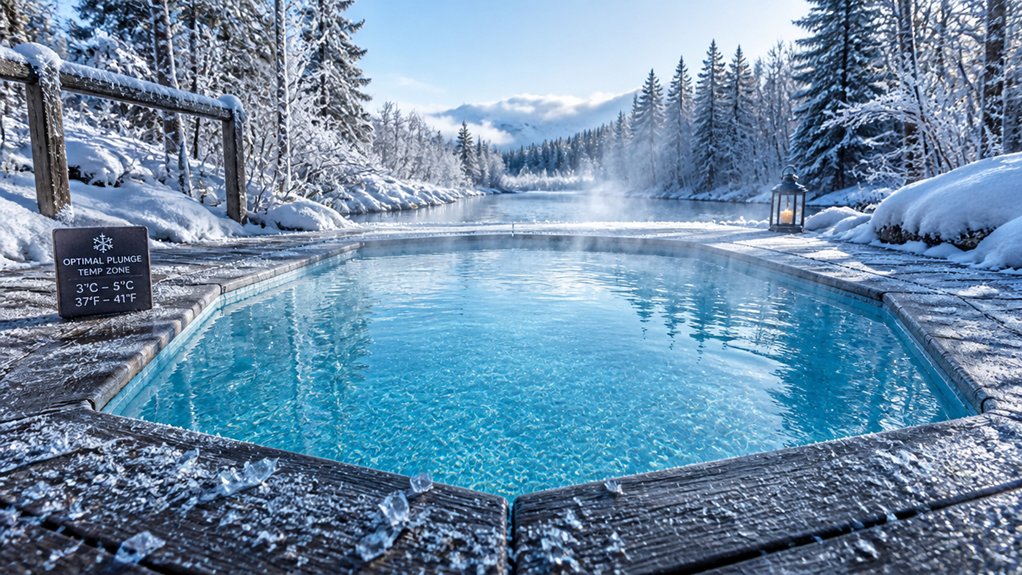
To effectively reduce inflammation through cold therapy, gradually acclimating your body to lower water temperatures is key. Start with 30 seconds of exposure in water around 55-60°F (13-15°C), then slowly build up your tolerance.
As you get more comfortable, extend your sessions from 1-2 minutes to 5-10 minutes to maximize benefits without risking adverse effects. Begin with limbs first to reduce cold shock, then gradually submerge your whole body.
Lower the temperature range for cold gradually from a milder 60°F toward 50-59°F as your comfort improves. Consistent practice three to four times a week helps your nervous system adapt and enhances cold-induced vasoconstriction.
Keep progressing patiently for the best anti-inflammatory results.
Safety Tips: How to Prevent Hypothermia and Frostbite
You should watch how your body reacts during cold plunges and adjust accordingly.
Gradually lowering the water temperature and limiting your time in the water can help prevent cold-related injuries.
Always listen to your body and avoid rushing into colder water too quickly.
Monitor Body Reactions Carefully
Monitoring your body’s reactions during and after cold plunges is essential to prevent hypothermia and frostbite. Pay attention to how your blood vessels respond and watch for early warning signs.
It’s vital to monitor for symptoms like uncontrollable shivering, numbness, dizziness, or confusion—if any appear, exit the cold plunge immediately.
Keep these safety tips in mind:
- Check for persistent numbness or cold skin
- Be alert for dizziness or disorientation
- Make certain you’re not experiencing excessive shivering
- Use your skin’s color and sensation as cues
- Consult your healthcare provider before beginning if you have health concerns*
Gradually Lower Water Temperature
Starting with milder water temperatures, such as 55–59°F (13–15°C), allows your body to adapt gradually to colder conditions. To do this safely, start slow by easing into the cold plunge and gradually lowering the water temperature over multiple sessions.
Avoid water temperatures below 50°F (10°C), especially if you’re a beginner, as it increases the risk of hypothermia and frostbite. Limit initial immersions to 30 seconds or less while your body adjusts.
Throughout the process, monitor your body’s reactions carefully—shivering, numbness, or dizziness are signs to exit immediately. By gradually lowering water temperature and staying alert to your responses, you minimize dangers and maximize inflammation reduction benefits safely.
Limit Exposure Duration
Limiting the duration of your cold plunge is essential to prevent hypothermia and frostbite while still gaining inflammation-reducing benefits. Keeping your session between 5-10 minutes helps you attain the advantages of a cold plunge without risking cold-related injuries.
Avoid submerging in water below 50°F (10°C), as colder water can cause frostbite and rapid heat loss. If you’re new to cold plunges, start with shorter times of 30 seconds to 2 minutes to safely adjust.
Always watch for signs of numbness, dizziness, or uncontrollable shivering—exit immediately if any occur. Afterward, rewarm slowly and avoid hot tubs right away.
- Limit exposure duration to prevent hypothermia
- Prioritize water temperature above 50°F (10°C)
- Start with shorter sessions if you’re a beginner
- Watch for signs of cold-related distress
- Rewarm gradually to avoid circulation shock
How Long Should You Stay in Cold Water for Maximum Benefits?
How long you should stay in cold water depends on your experience and goals.
For maximum anti-inflammatory benefits, aim for a cold plunge lasting 5 to 10 minutes at temperatures between 50°F and 59°F. Beginners should start with shorter immersions, around 30 seconds to 2 minutes, gradually increasing as their body adapts. Intermediate users typically find 2 to 4 minutes ideal to balance safety and effectiveness in reducing inflammation.
Keep in mind, staying longer than 10 minutes can increase risks like hypothermia or frostbite. Consistent cold immersion sessions, about 3 to 4 times weekly, help enhance recovery and reduce inflammation more effectively. Adjust the duration based on comfort and response, always prioritizing safety during your cold plunge routine.
Using Contrast Therapy: Hot and Cold Dips for Better Recovery
Contrast therapy uses hot and cold dips to improve circulation and reduce inflammation. The hot phase expands blood vessels, increasing blood flow, while the cold constricts them, helping control swelling.
Vascular Constriction and Dilation
Alternating hot and cold immersions, known as contrast therapy, actively stimulates vascular responses that aid in recovery. When you immerse in cold water, blood vessels undergo vasoconstriction, narrowing to help reduce inflammation and muscle swelling.
Conversely, hot water causes vasodilation, expanding blood vessels to boost circulation, nutrient delivery, and tissue repair. This cycle of constriction and dilation enhances overall blood flow, speeding recovery and alleviating delayed onset muscle soreness (DOMS).
You can expect these effects:
- Improved removal of metabolic waste
- Reduced inflammation through controlled vasoconstriction
- Increased nutrient supply via vasodilation
- Enhanced tissue repair processes
- Better control of blood flow for recovery efficiency
Inflammation Reduction Process
Using hot and cold dips in succession effectively reduces inflammation and speeds up recovery by leveraging the body’s natural vascular responses.
During the hot phase, blood vessels dilate, increasing blood flow to remove metabolic waste and deliver nutrients. Then, during the cold plunge, blood vessels constrict, helping reduce swelling and muscle soreness.
Alternating between these temperatures enhances inflammation reduction more effectively than applying heat or cold alone because it promotes better vascular constriction and dilation. Limiting cold immersion to about 1 minute at 50–59°F guarantees you maximize anti-inflammatory effects without risking cold-related tissue damage.
Repeating these cycles flushes out inflammatory markers and encourages faster recovery, making contrast therapy a powerful tool for inflammation reduction.
Optimal Temperature Protocol
To maximize recovery and reduce inflammation effectively, it’s vital to follow a best temperature protocol for hot and cold dips. An ideal cold plunge typically ranges from 50°F to 59°F (10°C to 15°C), striking a balance between therapeutic benefits and safety.
Using contrast therapy, alternate hot immersion at 95°F to 113°F (35°C to 45°C) for up to 3 minutes with cold dips at 50°F to 59°F for up to 1 minute. Starting with a slightly warmer cold plunge around 55°F to 60°F and gradually lowering the temperature helps increase tolerance and improve anti-inflammatory effects.
Repeating the cycle 3–4 times enhances blood vessel dilation and constriction, promoting better blood flow, reducing muscle swelling, and accelerating recovery while preventing overexposure.
How to Monitor Your Body’s Response During Cold Plunges
Monitoring your body’s response during cold plunges is essential to guarantee safety and maximize benefits. Pay attention to signs like excessive shivering, numbness, or tingling, which indicate you should exit to prevent hypothermia or frostbite. Track your heart rate and breathing—dizziness or hyperventilation can signal stress. Use perceived comfort levels and mild discomfort as guides, avoiding pain or prolonged cold exposure beyond 5–10 minutes. Also, observe skin color and sensation; paleness, bluish tones, or loss of feeling suggest overexposure, requiring immediate warming. Gradually increase your cold plunge durations as tolerated. Consider this quick reference:
| Sign to Monitor | Action |
|---|---|
| Excessive shivering | Exit immediately to warm up |
| Skin color change | Warming required—stop cold exposure |
| Breathing patterns | Slow, steady breaths indicate control |
Cold Plunge Tips for Beginners Versus Experienced Users
Whether you’re just starting with cold plunges or have been practicing for a while, tailoring your approach is key to maximizing benefits safely. Beginners should begin with water temps around 55°F to 59°F (13°C to 15°C) for 30 seconds to 2 minutes to prevent shock and build tolerance gradually.
Experienced users can go colder, around 50°F to 55°F (10°C to 13°C), staying submerged for 5–10 minutes to boost anti-inflammatory effects. Be cautious—temperatures below 50°F (10°C) pose risks like hypothermia and frostbite, so only seasoned practitioners should try colder plunges.
Increase session frequency slowly: beginners, 1–2 times weekly; seasoned users, up to 4 times. Remember, gradual temperature reduction over sessions enhances inflammation reduction safely.
How Cold Water Boosts Circulation and Accelerates Healing
When you immerse in cold water, your blood vessels narrow, reducing blood flow to inflamed areas and easing swelling.
As you exit, rapid vasodilation boosts circulation, delivering oxygen and nutrients to speed up tissue healing. This cycle of constriction and dilation not only enhances your cardiovascular health but also supports quick recovery from muscle strain.
Vasoconstriction and Dilation
Cold water immersion at temperatures between 50 and 59°F triggers a cycle of vasoconstriction and dilation that enhances circulation and speeds up healing.
When you enter the cold, blood vessels constrict, reducing blood flow to inflamed or swollen areas, which helps limit damage and inflammation. As you exit, blood vessels dilate, increasing blood flow to deliver oxygen, nutrients, and remove waste.
This process:
- Regulates blood vessel size for peak recovery
- Limits inflammatory responses post-injury
- Decreases oxygen demand in muscles
- Promotes nutrient delivery during dilation phase
- Enhances overall vascular function
This alternating constriction and dilation cycle is how cold water boosts circulation, accelerates tissue repair, and reduces soreness effectively.
Enhanced Blood Flow
Exiting a cold plunge triggers your blood vessels to dilate, which greatly boosts circulation and delivers essential oxygen and nutrients to injured tissues. This improved circulation accelerates healing and helps reduce inflammation. Cold plunging causes vasoconstriction initially but promotes vasodilation afterward, enhancing blood flow. You can optimize this process with contrast therapy, switching between cold and warm water to boost vascular cycling.
| Benefit of Cold Plunging | Effect on Circulation | Resulting Effect |
|---|---|---|
| Reduced swelling | Vasoconstriction | Less inflammation |
| Increased blood flow | Vasodilation | Faster tissue repair |
| Waste removal | Improved circulation | Enhanced recovery |
| Faster healing | Blood vessel response | Quicker inflammation reduction |
Accelerated Tissue Repair
Boosting circulation after cold water immersion plays a key role in speeding up tissue repair. When you experience cold exposure, blood vessels constrict, reducing blood flow to inflamed tissues and decreasing swelling.
Once you exit the cold water, blood vessels dilate, boosting circulation and nutrient delivery essential for healing. This vascular cycle improves the removal of metabolic waste, further supporting recovery.
To maximize benefits, keep your cold plunge between 5 and 10 minutes, avoiding tissue damage or hypothermia. Regular cold plunge therapy enhances endothelial function, ensuring blood flows efficiently for tissue regeneration and repair.
- Vasoconstriction reduces inflammation
- Improved circulation accelerates healing
- Waste removal speeds recovery
- Nutrients reach damaged tissues faster
- Supports overall tissue regeneration
Customize Your Cold Plunge Routine Based on Your Goals
To effectively tailor your cold plunge routine for inflammation reduction, start by defining your comfort level and experience with plunging. Cold exposure can improve your recovery and reduce inflammation, but the right temperature depends on your familiarity.
Beginners should stick to the warmer range of 55°F to 59°F to gradually acclimate without risking cold shock. More experienced users can lower the temperature to 50°F–55°F for stronger vasoconstriction, enhancing anti-inflammatory effects.
Avoid water below 50°F, especially if you’re new, as it increases hypothermia risk and may impair your goals.
To optimize results, gradually decrease the temperature over multiple sessions, monitoring how your body responds while gradually challenging yourself for better inflammation control.
When Should You Talk to a Healthcare Professional Before Trying Cold Therapy?
Wondering when it’s essential to consult a healthcare professional before trying cold therapy? If you have cardiovascular conditions, high blood pressure, or other health issues, speaking with a healthcare professional is vital. Cold temperatures can spike blood pressure and strain your heart, so professional guidance guarantees safety.
You should also seek advice if you have peripheral neuropathy, poor circulation, or venous stasis to prevent complications. Pregnant women must check with their providers before cold water immersion.
Additionally, if you’ve experienced fainting, dizziness, or hyperventilation in cold settings, professional input is necessary. Always consult a healthcare professional before starting cold therapy if you’re on medications that affect circulation or temperature regulation.
Your safety depends on understanding your health status and risks.
Frequently Asked Questions
What Temperature Is Joe Rogan’s Cold Plunge?
Joe Rogan’s cold plunge is typically set around 39°F (approximately 4°C). You should be cautious with this extreme temperature, gradually acclimate your body, and monitor your response to avoid risks like hypothermia or cold shock.
Is 42 Degrees Too Cold for a Cold Plunge?
Yes, 42°F is too cold for most people. It increases risks like hypothermia and frostbite. If you want to try it, do so gradually, and consult a medical professional first to guarantee safety and proper adaptation.
What Is Better for Inflammation, Sauna or Cold Plunge?
Cold plunges are better for reducing inflammation because they cause vasoconstriction, narrowing blood vessels and lowering blood flow to inflamed tissues quickly. Saunas mainly promote circulation but can sometimes increase inflammation temporarily, making cold plunges more effective for immediate relief.
When Should I Not Do a Cold Plunge?
You shouldn’t do a cold plunge if you have heart disease, high blood pressure, or diabetes without medical advice. Also avoid it during pregnancy, if you have peripheral neuropathy, poor circulation, cold agglutinin disease, or experience dizziness or fainting.