Plunge therapy may help PTSD symptoms by activating your body’s natural stress regulation and restoring nervous system balance. Cold exposure stimulates the vagus nerve, boosting parasympathetic response and lowering hyperarousal. It also reduces cortisol levels, easing anxiety and emotional numbness. Over time, it builds resilience, improves emotional tolerance, and promotes calmness. Combining cold plunges with breathwork and trauma-informed approaches can support your recovery journey. Keep exploring to discover how this safe practice can transform your healing process.
Understanding PTSD and Its Impact on Your Nervous System

Post-traumatic stress disorder (PTSD) profoundly impacts your nervous system by disrupting its natural balance. It causes imbalances between the sympathetic nervous system, responsible for stress responses like increased heart rate and alertness, and the parasympathetic nervous system, which promotes rest and recovery.
With PTSD, your sympathetic response becomes hyperactive, while the parasympathetic response weakens, leading to persistent hyperarousal and emotional numbness. This dysregulation affects vagus nerve function, deepening feelings of dread, anxiety, and low motivation.
PTSD causes heightened arousal and numbness, disrupting vagus nerve function and deepening feelings of dread and anxiety.
Chronic cortisol levels and neurotransmitter irregularities, especially serotonin, worsen the situation. Trauma-induced immobilization prevents typical stress energy release through movement, further exacerbating nervous system dysfunction. Incorporating adaptogens may help modulate stress hormones and support nervous system resilience.
Restoring balance by calming the vagus nerve and boosting parasympathetic activity becomes essential for managing PTSD symptoms.
How Cold Exposure Can Calm Your Nervous System
Cold exposure can be a powerful tool to help restore balance to your nervous system, especially when it’s dysregulated by PTSD. Cold water therapy activates the dive reflex, triggering the parasympathetic nervous system, which slows your heart rate and promotes calm. Immersion stimulates the vagus nerve, improving vagal tone and reducing sympathetic overactivity common in PTSD. Regular cold exposure lowers cortisol, the stress hormone, easing physiological stress. Controlled cold plunges create a pendulation between sympathetic and parasympathetic responses, helping rebalance your autonomic nervous system. Breathing deeply during cold exposure further enhances parasympathetic activation. Properly sized chiller models ensure consistent temperatures, making it easier to incorporate cold exposure into your routine safely and effectively.
The Science of Cold Water and Stress Regulation in PTSD

Cold water activates your vagus nerve, helping to shift your nervous system toward relaxation. It also lowers cortisol levels, which can be overproduced in PTSD, aiding in stress regulation. A high-powered chiller is often used to achieve these rapid cooling effects effectively. This process creates a rebound effect, reducing hyperarousal and promoting emotional stability.
Cold Induces Vagal Activation
Immersing in cold water triggers the mammalian dive reflex, activating the vagus nerve, which plays a crucial role in regulating your body’s stress response. This activation influences the balance between sympathetic (fight/flight) and parasympathetic (rest/digest) responses disrupted in PTSD.
A specialized breathing exercise tool can enhance these benefits by supporting controlled, deep breaths that further stimulate the vagus nerve and promote relaxation. Here, the flow rate indicator in breathing devices allows for precise resistance control, making it easier to achieve optimal parasympathetic activation during cold exposure.
Here’s how cold water immersion helps:
- It slows your heart rate and promotes parasympathetic dominance, reducing hyperarousal.
- It inhibits overactivation of the sympathetic nervous system, lowering cortisol and stress markers.
- Repeated cold exposure enhances vagal tone, improving your stress resilience and tolerance to emotional and physiological distress.
When you combine cold water immersion with deep breathing, it further stimulates the vagus nerve, fostering calmness and helping regulate PTSD-related emotional overarousal.
Stress Hormone Reduction
When you undergo cold water immersion, your body responds by reducing the release of cortisol, the primary stress hormone often dysregulated in PTSD. Cold plunging triggers a controlled stress response that ultimately lowers cortisol levels, helping to balance your stress hormones. This reduction decreases physiological markers of stress and can lessen the intensity of hyperarousal symptoms linked to PTSD.
Regular cold exposure also stimulates your parasympathetic nervous system through vagus nerve activation, further promoting calmness. As cortisol decreases, you may experience reduced anxiety and improved mood and focus.
Parasympathetic Rebound Effect
The parasympathetic rebound effect occurs when your body responds to cold water exposure by briefly activating the sympathetic nervous system before swiftly moving into a state of relaxation, known as parasympathetic dominance.
During a cold plunge, your body initiates the dive reflex, which slows your heart rate and reduces overarousal often seen in PTSD. This process helps normalize autonomic nervous system imbalances by boosting vagal tone and promoting calm.
To understand its impact:
- The initial sympathetic activation triggers a gasp reflex, then shifts into parasympathetic dominance.
- Cold plunges extend stress tolerance and decrease cortisol, aiding hypervigilance and anxiety.
- This rebound shifts the nervous system from fight-or-flight to a calmer, regulated state, fostering emotional stability.
- Incorporating features like smart cooling and sanitation systems found in modern cold plunge tubs can enhance the therapeutic experience.
How Cold Plunges Build Resilience and Emotional Tolerance
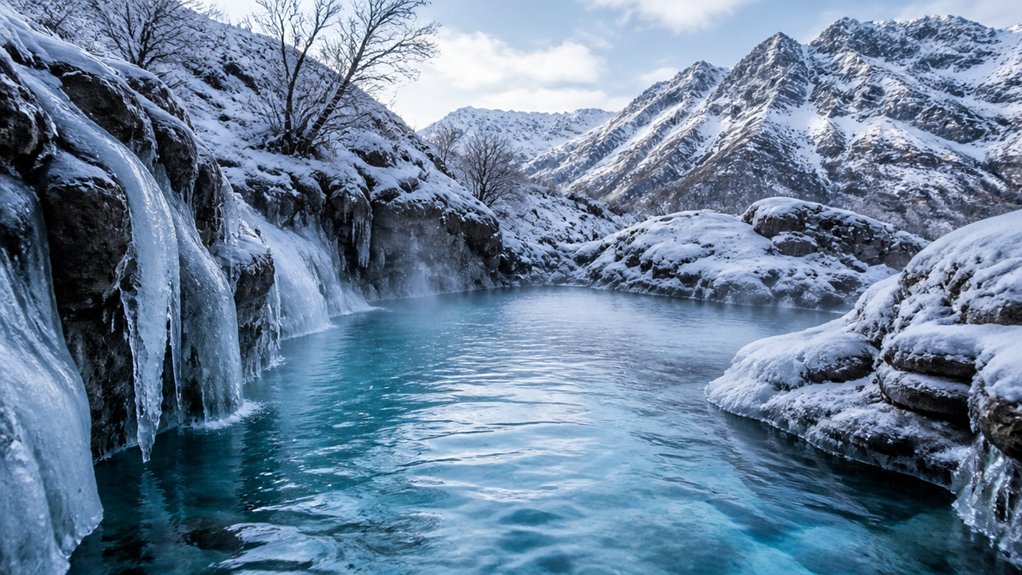
Cold plunges build resilience by training your nervous system to handle physical discomfort and emotional stress more effectively. When you immerse in cold water, your sympathetic nervous system initially activates, triggering the fight-or-flight response.
With repeated exposure, your body learns to manage this stress, expanding your window of stress tolerance and improving emotional resilience—especially helpful for post-traumatic stress disorder (PTSD). Breathwork during cold plunges encourages parasympathetic activation, promoting relaxation and better autonomic balance.
This deliberate confrontation with cold stress mirrors trauma therapy’s gradual “titration,” helping you master fear and foster a sense of inner safety and self-trust. Over time, physiological pendulation between activation and relaxation helps reset trauma-affected nervous system dysregulation, reducing hyperarousal and emotional overwhelm.
Starting Cold Therapy Safely: Tips & Best Practices
To start cold therapy safely, begin with short, cool showers to gradually accustom your body to lower temperatures. Pay close attention to how your body responds and avoid overexposure, increasing duration and intensity slowly over time. Using a temperature control system can help maintain safe water levels and prevent shock or hypothermia. Always listen to your body and consult a healthcare professional if you have underlying health concerns before progressing.
Gradual Cold Exposure
Starting cold therapy gradually is essential to guarantee safety and maximize benefits, especially if you’re new to the practice. To safely incorporate gradual cold exposure, begin with short cold showers, gradually increasing duration and intensity.
Once comfortable, progress to ice baths at 10-12°C for up to 10 minutes, helping trauma survivors safely stimulate the stress response without overwhelming symptoms.
Consider these tips:
- Use controlled breathing techniques like breath retention to activate your parasympathetic nervous system.
- Start with gentle methods, such as cold towel applications or face splashes, as gentle alternatives.
- Always listen to your body and consult a healthcare professional, especially if you have heart or respiratory conditions.
- Choosing an appropriate cold plunge tub with accurate temperature control and safety features can enhance comfort and safety during your cold therapy routines.
Consistent, incremental exposure helps improve mental health, reduce cortisol, and build emotional resilience safely.
Monitor Body Responses
Monitoring how your body responds during cold therapy guarantees you stay within safe limits and get the most benefit from the practice. Pay close attention to physical signs like heart rate, blood flow, and shivering intensity, as these indicate how well your body is responding.
Keep track of your breath control to prevent hyperventilation and maintain balanced system activation, avoiding triggers that could worsen PTSD symptoms. If your heart races or you experience excessive shivering, calmly adjust the duration or temperature.
People with heart conditions or respiratory issues should consult a healthcare provider before starting. Using mindfulness and controlled breathing helps maintain calm, supporting vagus nerve activation and reducing hyperarousal. Additionally, selecting a reliable digital thermometer with accurate response times and waterproof features can assist in safely monitoring your internal temperature throughout the therapy session.
Adjusting therapy based on your body’s signals guarantees safety and effectiveness.
Combining Cold Exposure With Trauma-Informed Treatments
Combining cold exposure with trauma-informed treatments like EMDR and CBT can greatly enhance the management of post-traumatic stress disorder (PTSD) symptoms by blending physiological regulation with psychological processing.
Ice baths activate your parasympathetic nervous system, reducing hyperarousal and creating a calmer state that improves your receptivity to trauma-focused therapies. Additionally, engaging in breathwork and meditation during cold therapy strengthens prefrontal cortex control over the amygdala, supporting emotional regulation.
Here’s how it can help:
- Facilitates physiological relaxation, making trauma processing easier
- Supports gradual exposure, building resilience safely
- Enhances overall therapy outcomes through combined physiological and psychological benefits
This integrative approach offers a safe, controlled stressor that complements professional treatment, promoting holistic PTSD recovery.
Real Stories: Healing PTSD With Cold Plunging
Many individuals with PTSD have found that cold plunging offers more than just physical relief—it can lead to profound emotional shifts. Veterans like Phil Jones report that regular dips in cold sea water at 9°C improve their mood, mental clarity, and help balance PTSD symptoms.
Participants in cold sea studies describe feeling invigorated, with sharper focus and less anxiety after just 10-minute immersions weekly. Some PTSD sufferers combine cold plunging with breathwork and meditation, experiencing better emotional regulation and fewer obsessive thoughts.
Real stories highlight a changeover from hypervigilance and fear to feelings of empowerment and calm. Despite initial skepticism, many find cold water therapy activates the parasympathetic nervous system and reduces stress hormones, ultimately supporting mental health improvements for body and mind.
Begin Your Cold Plunge Practice for Mental Wellbeing
Starting your cold plunge journey gradually is key to safely building tolerance and gaining mental benefits. Begin with cold showers, gradually lowering the temperature until you’re comfortable with 10-12°C ice baths for around 10 minutes. This helps activate your dive reflex while preventing shock.
Incorporate controlled breathing techniques, like the Wim Hof Method’s hyperventilation and breath retention, to enhance parasympathetic nervous system activation, promoting calmness during cold exposure.
To get started:
- Start with short, steady cold showers and increase duration over time.
- Practice mindful breathing to deepen relaxation and control fear responses.
- Track progress and listen to your body, avoiding overexertion.
Consistent cold plunges can reduce cortisol and shift your autonomic balance, helping ease PTSD hyperarousal symptoms.
Frequently Asked Questions
Why Is Cold Plunging Good for PTSD?
Cold plunging helps you by activating your vagal response, reducing stress hormones, discharging excess energy, and improving mood. It trains your nervous system, making you more resilient to PTSD triggers and easing hyperarousal and anxiety.
What Are the Natural Remedies for PTSD?
You can explore natural remedies like cold water immersion, breathwork, meditation, mindfulness, and yoga. These practices activate your parasympathetic nervous system, calm your stress responses, and help regulate emotions, aiding in PTSD symptom improvement naturally.
How to Manage PTSD Symptoms?
You can manage PTSD symptoms by combining trauma-focused therapies like EMDR and CBT with cold exposure and breathwork, gradually re-experiencing traumatic memories, activating your vagus nerve, and seeking professional guidance to guarantee safe, personalized treatment.
What Therapy Is Most Helpful for PTSD?
You’ll find trauma-focused therapies like EMDR and CBT most helpful for PTSD. These approaches, especially exposure therapy, gradually confront your trauma, helping you process memories, reduce hypervigilance, and improve emotional regulation over time.