Water recovery during heat training helps manage your post-exercise thermal stress, supporting recovery while maintaining the heat signals needed for adaptation. Warm or hot water immersion keeps your core temperature elevated, promoting cardiovascular and cellular responses, like increased sweat rate. Cold water immersion can reduce fatigue but might interfere with long-term heat adaptations if overused. Finding the right balance in temperature and timing guarantees you recover effectively without sacrificing your heat tolerance gains—keep exploring to learn more.
Understanding Water Recovery in Heat Training: How Does It Help?
How does water recovery actually support heat training? Post-exercise cold water immersion (CWI) helps cool your body after heat exposure, aiding in neuromuscular recovery and reducing perceived fatigue.
When timed correctly, recovery cooling lowers core body temperature and skin temperature, making it easier to maintain training consistency. Importantly, if CWI doesn’t greatly reduce thermal strain during heat training, it won’t impair heat acclimation, which relies on sustained heat stress to promote adaptations like increased sweat rate and lower heart rate.
Managing cooling interventions carefully guarantees your body still experiences enough thermal stimuli to stimulate acclimation. Proper water recovery balances the benefits of faster recovery with the need to preserve heat stress, supporting ongoing progress in heat adaptation.
How Post-Exercise Water Immersion Affects Core Temperature and Heart Rate
Post-exercise water immersion at warm temperatures can help lower your core temperature while still promoting heat adaptation. This recovery method also accelerates your heart rate decline, supporting cardiovascular recovery without hindering heat acclimation. Using high-powered chillers ensures rapid and consistent cooling, enhancing recovery efficiency. Understanding how immersion affects these physiological responses allows you to optimize your recovery and training effectiveness.
Cooling Effect on Core
Water immersion immediately after exercise can greatly influence core temperature and heart rate, impacting the heat acclimation process. Post-exercise hot water immersion at around 40ºC sustains elevated core temperature, promoting thermal adaptation, while cold water immersion rapidly lowers core temperature, reducing cardiovascular strain. Timing is key: delays up to 45 minutes still maintain the necessary heat stimulus without interfering with physiological adaptation. Properly maintaining water temperature with reliable chiller systems ensures consistent and safe immersion experiences.
Impact on Heart Rate
Have you ever wondered how water immersion immediately after exercise influences your heart rate? Post-exercise hot water immersion (HWI) at around 40ºC can sustain elevated core temperature, supporting cardiovascular adaptations essential for heat acclimation.
This immersion delays or reduces the usual drop in core temperature, prolonging cardiovascular strain and encouraging heart rate responses that enhance heat tolerance. The sustained elevation in heart rate results from increased core temperature and blood redistribution during immersion, creating a continued challenge to your cardiovascular system. Devices used for recovery often incorporate temperature regulation features that help maintain optimal thermal conditions for these adaptations.
Controlled hyperthermia keeps your heart rate elevated long enough to promote beneficial adaptations without overexertion. Studies show that post-exercise HWI can effectively extend the physiological stimulus needed for heat acclimation, improving your ability to manage exercise-heat stress efficiently.
Physiological Recovery Dynamics
Immediately after exercise, immersing in hot water (~40ºC) influences your body’s recovery by maintaining an elevated core temperature, which is essential for heat acclimation.
Post-exercise sauna bathing or hot water immersion prolongs the thermal stimulus, keeping your core temperature higher longer than passive rest. This sustained heat exposure helps support adaptations like increased heat tolerance.
During hot water immersion, your heart rate remains elevated, indicating ongoing cardiovascular load necessary for effective acclimation. If done within 45 minutes of aerobic exercise, it preserves thermal discomfort signals that promote adaptation, without causing excessive fatigue.
Controlling immersion duration based on thermal discomfort allows you to optimize core temperature retention while avoiding overexposure, enhancing the physiological recovery process essential for successful heat acclimation.
Why Hot Water Immersion Can Maintain Elevated Temperatures to Boost Adaptation
Hot water immersion keeps your core and skin temperatures elevated after exercise, maintaining the thermal stress needed for effective heat adaptation. This sustained heat exposure continues to activate your body’s thermoregulatory responses, even if environmental heat is low. Additionally, using a heated towel warmer can provide a consistent source of warmth, supporting ongoing thermal stress during recovery.
Hot Water Maintains Core Heat
Maintaining elevated core temperature after exercise is essential for optimizing heat acclimation, and hot water immersion (HWI) at around 40ºC effectively accomplishes this. HWI delays the rapid core temperature drop that follows exercise, allowing you to sustain a thermal stimulus critical for adaptation. Performing HWI within 45 minutes post-exercise helps keep your internal temperature elevated enough to trigger thermoregulatory responses, like improved sweat onset and cardiovascular adjustments. By self-regulating immersion based on thermal discomfort, you manage physiological stress without overexertion. This continued heat stress during recovery enhances thermoregulatory efficiency and endurance. Recognizing the role of infrared heat lamps in providing deep tissue penetration can further support this process by supplementing heat exposure during recovery.
| Effect | Mechanism | Benefit |
|---|---|---|
| Maintains core | Prolongs elevated body temperature | Boosts heat adaptation |
| Delays cooling | Extends thermal stimulus | Improves thermoregulatory response |
| Enhances recovery | Supports physiological stress management | Optimizes post-exercise heat adaptation |
Enhanced Thermoregulatory Stimulus
By keeping your core temperature elevated during hot water immersion (HWI), you create a sustained thermal stimulus that’s essential for optimizing heat acclimation. Immersing up to your shoulders in ~40°C water for about 30 minutes prolongs heat stress, reinforcing your sweating response and cardiovascular adaptations. A maintained core temperature during immersion also helps promote infrared heat exposure benefits, which further support cellular resilience and recovery. This persistent elevation of core temperature acts as an effective thermal stimulus, mimicking continuous heat exposure without environmental heat. It also supports the increase of heat shock proteins, which are vital for cellular protection during heat stress.
Cold vs. Hot Water Recovery: Which Works Better for Heat Acclimation?
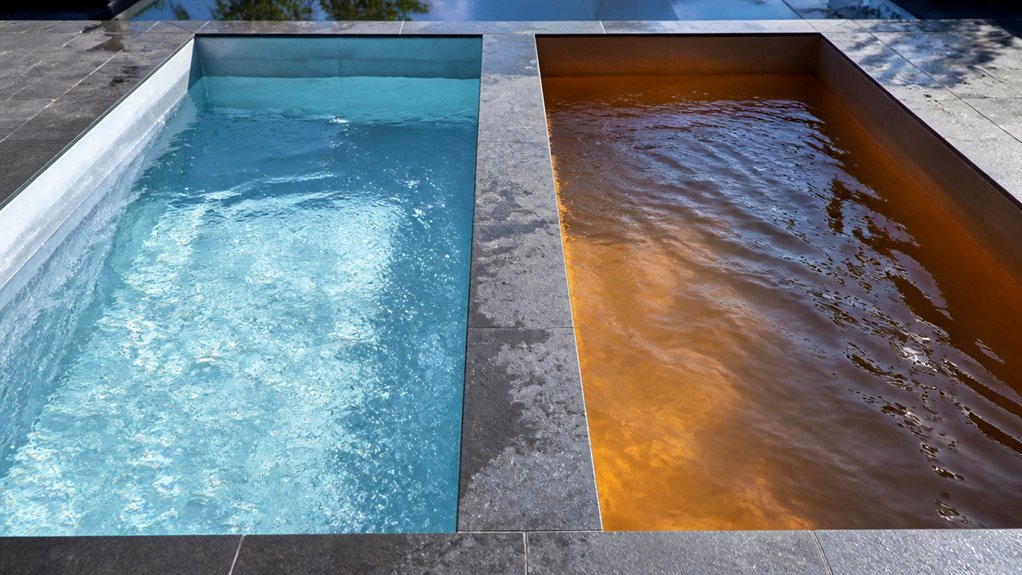
Have you ever wondered which recovery method—cold or hot water immersion—best supports heat acclimation?
Hot water immersion at around 40ºC for 30 minutes effectively sustains thermal stimulus, speeding up heat adaptations like lower core temperature and better endurance. It’s a practical way to promote heat acclimation without hindering physiological strain needed for adaptation.
Conversely, cold water immersion during heat sessions can blunt sweating responses, limiting heat adaptations by impairing the necessary heat stress. However, brief or partial cold exposure during recovery doesn’t seem to interfere much with heat acclimation.
Hot water recovery maintains or enhances heat adaptations, while cold water may reduce the thermal impulse essential for ideal acclimation. The best choice supports acclimation without compromising recovery progress.
Additionally, the use of advanced energy-efficient chillers in recovery practices can help maintain optimal water temperatures and improve overall comfort during repeated hot or cold immersion sessions.
Does Cooling During Recovery Impair Your Heat Adaptation? The Research Says
Research indicates that cooling during recovery doesn’t considerably hinder the physiological heat adaptations achieved from prior heat stress sessions. Studies show that post-exercise cooling, such as cold water immersion, maintains effective heat acclimation by not disrupting the thermal stimulus needed for adaptation. Minor reductions in thermal strain caused by cooling are balanced out when training intensity increases, ensuring heat adaptation continues. Evidence suggests that cardiovascular, sudomotor, and molecular responses remain unaffected by recovery cooling, so your heat acclimation process stays on track. Understanding magnesium’s role in muscle relaxation and enzymatic support further emphasizes that cooling does not interfere with physiological recovery processes. Here’s a quick overview of how cooling influences recovery and heat adaptation:
| Effect of Cooling | Impact on Heat Acclimation | Key Point |
|---|---|---|
| Thermal strain reduction | Minimal | Does not impair heat response |
| Post-exercise cooling | Maintains | Preserves heat adaptation |
| Training intensity | Increased | Offsets cooling effects |
| Physiological responses | Preserved | Heart, sweat, and molecules |
| Overall impact | Low | Supports recovery without harm |
Practical Tips: How to Use Water Recovery Safely and Effectively
To use water recovery safely and effectively, timing and method are key. Post-exercise cooling methods like cold water immersion (CWI) can enhance recovery and help manage core temperature without impairing heat acclimation if timed correctly.
Progressive protocols—such as 2×15 to 30 minutes of water immersion—allow you to reduce fatigue while preserving heat adaptation signals. Hot water immersion (HWI) has been shown to support heat acclimation when used appropriately.
During recovery, hydration with electrolyte-rich fluids is essential to maintain fluid-electrolyte balance, supporting both recovery and thermal regulation.
Be cautious with recovery techniques like face mist sprays or ice slurries; they should be timed to avoid immediate suppression of heat acclimation signals during recovery during exercise heat. Proper timing guarantees safe, effective water-based recovery.
How Water-Based Recovery Can Improve Your Performance in the Heat
Using water-based recovery methods, particularly cold water immersion (CWI), can substantially boost your performance in hot conditions by enhancing recovery and maintaining physiological readiness. CWI helps reduce core temperature and heart rate, allowing quicker recovery between sessions. Scientific evidence shows that post-exercise water cooling doesn’t impair heat acclimation, meaning you can manage fatigue and prevent overreaching without hindering adaptations. Maintaining thermal stimulus during heat training is key, and recovery cooling supports this by improving neuromuscular function and perceptual fatigue.
| Benefit | Effect |
|---|---|
| Faster recovery | Lower core temperature and fatigue |
| Improved exercise performance | Increased resilience in heat conditions |
| Maintains heat adaptation | No negative impact on heat acclimation |
| Fatigue management | Supports consistent heat training sessions |
What Are the Risks and Limitations of Water Recovery During Heat Training?
Ever wondered if water recovery methods might limit your heat training gains? There’s some evidence that cold water immersion during heat exposure can impair sweat adaptations, which are essential for heat acclimation. This means that excessive cooling immediately after heat exposure could blunt the thermal signals needed for adaptation.
Cold water immersion during heat exposure may impair sweat adaptations essential for heat acclimation.
However, minor reductions in thermal stimulus from water recovery are unlikely to decrease overall heat adaptation if you compensate with higher training intensity. Be cautious with post-exercise cooling, as it may limit sweating and other physiological responses important during heat exposure. Just remember, recovery cooling generally doesn’t harm responses during the session itself. Still, limited research highlights the need for careful application to avoid unintended effects on your heat acclimation process.
Some key considerations:
- Water can blunt sudomotor adaptations during heat exposure.
- Excessive cooling may reduce thermal stimuli essential for heat acclimation.
- Post-exercise water recovery might interfere with physiological heat responses.
- Careful regulation is required to optimize recovery without limiting heat adaptation.
How to Choose the Best Water Temperature and Duration for Recovery
Choosing the right recovery water temperature and duration is vital to strike a balance between effective cooling and maintaining your heat acclimation progress.
Opt for warm to hot water immersion (~38-40°C) immediately after exercise, as it sustains the thermal stimulus imperative for heat adaptations while aiding recovery. Avoid cold water immersion, typically around 10-15°C, which can blunt heat stress responses and impair sudomotor adaptations fundamental for heat acclimation.
Keep water recovery duration between 15 and 30 minutes to optimize comfort, recovery, and adaptation. Longer sessions may risk overcooling, while shorter ones mightn’t provide enough recovery.
Adjust water temperature and duration to balance cooling interventions with your training goals, ensuring thermal stimulus is maintained without compromising overall heat load.
Combining Water Recovery With Other Heat Acclimation Methods: What’s the Best Strategy?
To optimize heat acclimation, you need to balance cooling effects with the body’s stress response.
Maintaining enough heat stimulus while incorporating water recovery allows you to boost endurance without risking overtraining. Adjusting training intensity and recovery methods based on your individual response is key to a successful strategy.
Balancing Cooling and Stress
Balancing cooling and stress during heat acclimation requires careful timing and intensity adjustments to guarantee physiological adaptations aren’t compromised.
Post-exercise cooling, like cold water immersion, doesn’t impair heat acclimation if it doesn’t interfere with heat stress responses. To maintain effective thermal stimuli, you can increase training intensity to offset minor reductions caused by cooling.
Strategic timing matters: cooling after heat exposure, not during, preserves sudomotor (sweating) adaptations essential for endurance performance. Combining heat acclimation with water recovery protocols—such as hot water immersion—can boost endurance by sustaining thermal stress without excessive fatigue.
To optimize results, follow these strategies:
- Schedule cooling after heat stress sessions
- Adjust intensity to compensate for cooling effects
- Limit cooling during peak heat exposure
- Use water recovery methods to enhance thermal stimulus
Optimizing Training Intensity
Integrating water recovery methods with heat acclimation requires carefully adjusting training intensity to maintain desired thermal stimuli. Post-exercise hot water immersion, for example, offers recovery benefits while acting as an additional heat stimulus, supporting thermal strain essential for heat adaptation.
To prevent blunting heat acclimation, minor reductions in thermal stress from cooling can be offset by increasing training intensity during controlled hyperthermia protocols. This approach guarantees cardiovascular and cellular adaptations continue effectively. Balancing water recovery with training requires sequencing and intensity adjustments to sustain adaptation despite recovery modalities.
Common Questions About Water Recovery: What Athletes Should Know
Many athletes wonder whether water recovery methods, such as cold water immersion, might interfere with their heat acclimation progress. Current evidence suggests that post-exercise cold water immersion aids recovery without markedly impairing heat adaptation.
Post-exercise cold water immersion supports recovery without significantly hindering heat adaptation progress.
However, certain factors influence outcomes:
- Recovery cooling generally doesn’t hinder thermoregulation or cardiovascular improvements when it doesn’t reduce physiological heat stress.
- Minor reductions in thermal impulse from water cooling can be balanced by increasing training intensity to sustain heat adaptation.
- Cold exposure after heat acclimation sessions is unlikely to diminish benefits like improved thermoregulation and exercise performance.
- Strategic water-based recovery helps athlete recovery without compromising heat acclimation, supporting both neuromuscular recovery and heat stress management.
Understanding these nuances guarantees you optimize recovery while maintaining heat acclimation progress.
Future Research: Unlocking the Full Potential of Water Immersion in Heat Training
As researchers explore deeper into water immersion’s role in heat training, it becomes clear that more targeted studies are essential to release its full potential. Clarifying how post-exercise cold water immersion (CWI) influences the magnitude and durability of heat acclimation is a priority, as current evidence remains limited.
Optimizing water immersion protocols—covering temperature, timing, duration, and frequency—will help maximize recovery without hindering heat adaptation. Exploring hot water immersion (HWI) as a complementary recovery method may enhance thermal stimuli, promoting better heat stress tolerance.
Additionally, investigating individual variability will enable tailored protocols that balance recovery and heat adaptation across diverse athletes. Integrating physiological, molecular, and perceptual outcomes will provide exhaustive insights into how water immersion strategies impact heat acclimation and performance.
Frequently Asked Questions
What Helps With Heat Acclimation?
You help with heat acclimation by undergoing consistent, intensive heat exposures like daily exercise, maintaining proper hydration with electrolytes, using post-exercise hot water immersion, and employing cooling strategies to enhance physiological adaptations and sustain your training progress effectively.
What Is the Process of Heat Recovery?
You restore your body’s balance after heat stress through heat recovery by lowering core and skin temperatures, rehydrating with fluids and electrolytes, stabilizing your heart rate, and replenishing blood volume to maintain thermoregulation and performance.
Does Water Prevent Heat Exhaustion?
Yes, water helps prevent heat exhaustion by maintaining hydration, supporting thermoregulation, and replacing lost fluids and electrolytes. Drinking water before, during, and after heat exposure keeps your body cool and reduces overheating risks.
What Is the 20 Rule for Acclimatization in Hot Conditions?
The 20% rule for heat acclimatization means you shouldn’t increase your daily heat exposure or activity duration by more than 20%. It helps you adapt safely, preventing overexertion while promoting physiological changes like better sweating and cardiovascular adjustment.