To boost your immunity with cold plunges, aim for 3–4 sessions weekly at 10–15°C, starting with 2-3 minutes and gradually increasing to 10–15 minutes. Combine cold exposure with sauna or contrast therapy to enhance circulation and immune response. Always warm up afterward, stay hydrated, and avoid plunging immediately after intense workouts. Track your progress and listen to your body for best results. If you stick with these protocols, you’ll discover effective ways to strengthen your immune system.
How Cold Water Boosts Your Immune System in Athletes
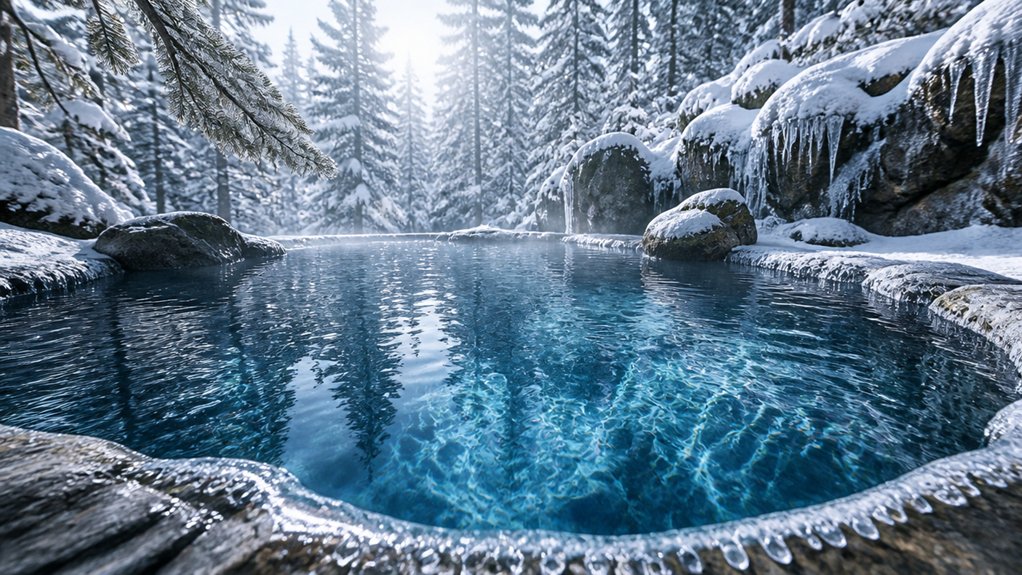
Cold water immersion activates your sympathetic nervous system, causing a surge in norepinephrine levels by up to 500%. This increase in norepinephrine sharpens your immune vigilance, helping your body respond more effectively to stress and infections.
When you regularly practice cold water immersion, it triggers anti-inflammatory effects by reducing cytokine levels and muscle damage markers, which speeds up immune system recovery after exercise. The vasoconstriction caused by cold exposure, followed by reperfusion, improves circulation, mobilizing immune cells like natural killer cells and lymphocytes to bolster your defenses.
Studies show that consistent cold plunges—done 3-4 times weekly at 10-15°C for 5-15 minutes—can lead to fewer upper respiratory infections and enhanced infection resistance, making cold water immersion a powerful tool for athletes’ immunity.
Step-by-Step Cold Plunge Protocols to Improve Immunity
To maximize immune benefits, you should focus on controlling water temperature, gradually increasing immersion time, and sticking to a consistent routine. Start with water around 10-12°C for a few minutes and slowly extend your sessions as your body adapts. Maintaining this approach guarantees safe progress while boosting your immune resilience effectively. Consider selecting a cold plunge tub with multiple support tubes or frames for stability to ensure safe and secure immersion experiences during your routine.
Proper Temperature Control
Maintaining the right water temperature is essential for maximizing the immune benefits of cold plunges while guaranteeing safety. For effective cold immersion, keep the water temperature between 10°C and 15°C (50°F to 59°F).
Precise temperature control guarantees you achieve peak immune-boosting benefits without risking cold shock or overstress. Start with a water temperature that feels comfortably cold, and avoid drastic fluctuations. Consistent temperatures help your body adapt gradually, enhancing immune response over time.
Remember, cold immersion at the correct temperature stimulates norepinephrine release, supporting stress resilience and immune activation. Use a thermometer to monitor water temperature regularly, adjusting as needed.
Proper temperature control is key to safe, effective cold plunges that bolster your immune system effectively.
Gradual Duration Increase
Progressively increasing the duration of your cold plunge allows your body to build tolerance safely and effectively. Start with 2-3 minutes in 10-15°C water and extend your immersion by one minute each session. This gradual increase helps prevent cold shock, minimizes discomfort, and enhances immune resilience. Including the use of water treatment solutions can help maintain water quality and support your skin’s health during regular plunges. Limiting sessions to 10-15 minutes guarantees you reap immune-boosting benefits without risking hypothermia. Consistently performing cold plunges 3-4 times weekly strengthens adaptive responses, supporting immunity. Remember to maintain controlled, slow entry with relaxed breathing to reduce stress on your body. Always warm up gradually afterward, stay hydrated, and track your session duration and temperature. By following this incremental approach, you optimize your immune benefits while safeguarding your health.
Consistent Routine Implementation
Establishing a consistent cold plunge routine is key to maximizing immune benefits. Regular cold plunging at 10-15°C, 3-4 times weekly, boosts immune function by stimulating norepinephrine and reducing inflammation. A consistent routine activates your sympathetic nervous system, increasing white blood cells and boosting anti-inflammatory cytokines. To stay safe, gradually build up duration, using controlled breathing to manage stress. Avoid immersing beyond 15 minutes, as excessive cold exposure can suppress immunity. Maintaining a steady schedule also improves mood stability and mental resilience, indirectly supporting your immune health. Post-plunge warming and hydration are essential to sustain benefits and prevent hypothermia, ensuring your immune system remains resilient. Incorporating multi-layer insulation in your cold plunge setup can help maintain consistent water temperatures and improve overall safety during your routine.
Building Cold Tolerance Safely for Better Immune Benefits
To build cold tolerance safely and maximize immune benefits, it’s essential to start with short immersions in water that’s around 10-15°C. Begin with 30 seconds to 2-3 minutes, gradually increasing duration over weeks. This steady approach allows your body needs time to adapt without risking cold shock or cardiovascular strain. Incorporating proper water treatment practices ensures water hygiene and minimizes skin or health risks.
Consistent cold exposure 3-4 times per week helps boost immune response through increased norepinephrine release. Be sure to prepare properly with warm towels and hydration. Always seek medical clearance if you have cardiovascular issues before starting cold immersion.
Remember, gradual increase is key:
- Avoid pushing too hard too fast
- Listen to your body’s signals
- Track recovery and soreness
- Prioritize safety over intensity
Using Sauna and Cold Water Together for Immune Support
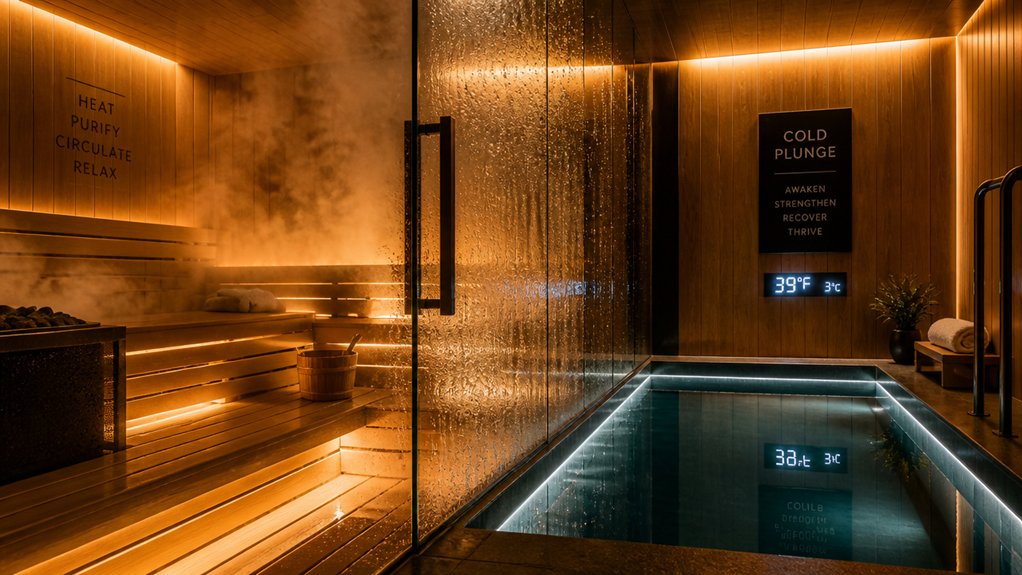
Using sauna and cold water together boosts your immune system by improving circulation and activating immune cells through alternating heat and cold exposure. A well-designed contrast therapy session can also optimize the benefits by leveraging infrared heat penetration to enhance tissue recovery and immune response. This contrast therapy also helps reduce inflammation and stress, enhancing your body’s natural defenses. When done correctly, it maximizes immune support without overtaxing your body.
Enhanced Circulatory Response
Alternating cold water immersion with sauna sessions creates a powerful boost in circulatory response that can enhance your immune support. This contrast therapy works by repeatedly constricting and dilating your blood vessels, which improves circulation, aids lymphatic drainage, and mobilizes immune cells.
The rapid changes also stimulate your autonomic nervous system, increasing norepinephrine release by up to 500%, supporting immune vigilance and stress resilience. Post-cold plunge, a 15-minute sauna session triggers heat shock proteins that bolster immune function by promoting cellular repair and reducing systemic inflammation. Incorporating portability features into your routine allows for flexible and consistent use, maximizing these benefits even when traveling or at home.
Consistently practicing this protocol 3-4 times weekly can markedly improve circulation, decrease recovery time, and strengthen your immune system against infections.
Stress Reduction Benefits
Combining sauna sessions with cold water immersion effectively reduces stress and supports immune function by activating heat shock proteins and boosting white blood cell activity. This thermal contrast lowers cortisol levels, helping to prevent stress-induced immune suppression in athletes. A variety of red light therapy devices can be incorporated into post-plunge recovery routines to further enhance tissue healing and inflammation reduction. Regularly alternating between warm sauna sessions at 70–90°C and cold plunges at 10–15°C for a few minutes each enhances systemic inflammation reduction and promotes toxin removal through improved circulation and lymphatic drainage. These practices not only decrease stress but also build mental resilience and strengthen vagal tone, both essential for maintaining a robust immune system under physical and psychological stress. Consistent use of these plunge protocols results in better stress management and an overall healthier immune response.
Improved Immune Activation
Engaging in sauna sessions followed by cold water immersions greatly boosts immune activation by stimulating both heat shock proteins and cold-induced norepinephrine release, which together enhance immune cell circulation. This contrast therapy boosts your body’s ability to fight inflammation and pathogens, supporting your recovery protocols. Incorporating infrared heat lamps with adjustable settings can further customize and optimize your rewarming process for better immune support.
Alternating between heat and cold promotes lymphatic drainage and detoxification, helping your body efficiently clear inflammatory mediators.
Regular routines (2-4 times weekly) increase white blood cell counts and natural killer cell activity, strengthening antiviral and antibacterial defenses. The synergistic effects of heat and cold not only stimulate immune activation but also reduce systemic inflammation, making it an effective strategy to enhance immune resilience.
Incorporate these practices into your training to optimize recovery and immune health.
When and How Often Should You Cold Plunge for Maximum Immunity?

So, how often should you cold plunge to maximize your immune benefits? Aim for 3-4 sessions per week in water temperatures between 10-15°C (50-59°F). This frequency effectively stimulates immune responses and promotes anti-inflammatory effects without risking overexposure.
Each session should last between 2 to 10 minutes, gradually increasing as your body adapts. Regular cold plunges boost norepinephrine by up to 500%, supporting stress resilience and immune system activation.
Avoid daily plunging immediately after intense workouts, as excessive frequency can impair recovery and blunt training adaptations. Maintaining a consistent routine over several weeks helps reduce inflammation and soreness, which indirectly supports immune health by decreasing recovery time and enhancing overall resilience.
Precautions: How to Avoid Frostbite and Hypothermia
To stay safe while cold plunging, always monitor the water temperature closely and keep it above 10°C (50°F). Limit your exposure to no more than 15 minutes and wear proper protective gear, such as dry clothing and warm towels, to prevent frostbite and hypothermia.
Start with shorter sessions and gradually increase your time as your body adapts, especially if you have any health concerns.
Monitor Water Temperature Carefully
Monitoring water temperature during cold plunges is essential for safety and effectiveness. Keeping the water between 10°C and 15°C prevents excessive cold shock, reducing the risk of frostbite and hypothermia.
Use an accurate thermometer to continuously check the water temperature, ensuring it never drops below 10°C during recovery sessions. Staying attentive to temperature helps you avoid sudden core temperature drops that could lead to nerve damage or dangerous hypothermia.
Remember, a stable water environment enhances the benefits of cold exposure and protects your health.
- Always use a reliable thermometer to monitor water temperature
- Avoid plunging if water is icy or snow-covered
- Limit immersion to prevent temperature-related injuries
- Have warm towels ready for immediate body warming after the plunge
Limit Exposure Duration
Limiting your exposure duration during cold plunges is essential for preventing frostbite and hypothermia. Start with short sessions of 30 seconds to 1 minute, gradually increasing to 5-10 minutes as your body adapts. This approach helps you safely build cold tolerance while reducing the risk of nerve damage and prolonged exposure to cold water.
Keep water temperatures between 10°C and 15°C (50°F to 59°F) to balance immune benefits with safety. Staying in the water longer than 15 minutes greatly raises the risk of hypothermia.
Promptly drying off and warming up with towels or warm clothing after each session is imperative to prevent cold-related injuries. Adhering to these time limits minimizes muscle soreness and inflammation, ensuring you gain the benefits without compromising safety.
Use Proper Protective Gear
Wearing proper protective gear greatly reduces the risk of cold-related injuries during immersion. When taking a cold plunge, make sure you’re dressed appropriately before and after to maintain safety.
Wearing insulated, waterproof footwear and gloves protects your extremities from frostbite, especially if water is below 10°C. Limiting your time in cold water to under 15 minutes prevents hypothermia, while monitoring water temperature helps you stay within safe limits.
Prepare warm towels, thermal blankets, and layered dry clothing for immediate re-warming.
Listening to Your Body: Adjusting Your Cold Water Routine
Have you ever felt uncomfortable or overwhelmed during a cold plunge? If so, it’s a sign to pay attention to your body’s signals. Monitoring responses like shivering, numbness, or dizziness helps you tailor your immersion duration and avoid hypothermia or cardiovascular strain.
Start with 30 seconds and gradually increase exposure time up to 10-15 minutes based on your tolerance, supporting immune adaptation without overloading stress responses.
If you notice excessive muscle soreness, fatigue, or stagnant training progress, adjust the frequency or temperature to prevent immune suppression. Use soreness scales and mental readiness scores as subjective markers to guide intensity.
After each session, warming up and hydrating align with your body’s needs, boosting recovery and overall immune support.
Recovery Tools That Complement Cold Immersion for Immunity
To maximize the immune-boosting benefits of cold immersion, integrating complementary recovery tools can make a significant difference. Combining cold-water immersion with therapies like PEMF or infrared sauna sessions enhances immune function by reducing inflammation and improving circulation. These tools support lymphatic circulation, essential for detoxification and immune response.
For example, medical cold laser therapy accelerates tissue repair and reduces oxidative stress, while red light therapy bolsters mitochondrial health and antioxidant production. Normatec compression boosts lymphatic drainage and decreases inflammatory cytokines, speeding recovery.
Using these recovery tools alongside cold immersion magnifies their effects, creating an all-encompassing approach for better immune resilience. Effective pairing guarantees healthier tissues, faster recovery, and stronger immune defenses, supporting athletes in maintaining peak performance and long-term well-being.
Common Mistakes That Reduce Cold Water Therapy’s Immune Benefits
Mistakes during cold water therapy can undermine its immune-boosting benefits, so paying attention to common pitfalls is essential. Entering very cold water abruptly increases stress, which can suppress immune function instead of enhancing it. Staying in beyond 15 minutes raises hypothermia risk, harming recovery and immune response. Jumping into cold immersion immediately after intense resistance training can blunt muscle repair signals, weakening immune support. Neglecting proper post-plunge warming and hydration compromises recovery, dulling cold therapy’s immune regulation.
| Mistake | Effect | Solution |
|---|---|---|
| Skipping gradual acclimation | Increased stress, suppressed immune function | Warm up gradually to cold immersion |
| Excessively long immersion | Hypothermia, impaired immune response | Limit to 15 minutes |
| Cold plunge after intense training | Reduced muscle repair, weaker immune support | Postpone cold therapy after workouts |
| Ignoring warming/hydration | Poor recovery, limited immune regulation | Guarantee proper warm-up and hydration |
Tracking Your Progress: How to Measure Cold Plunge Success
Tracking your progress guarantees you’re gaining the immune-boosting benefits of cold plunges and can help you optimize your routine.
To evaluate success, monitor reductions in muscle soreness using a 1-10 scale over 3-4 weeks of consistent practice. Use recovery tools like subjective questionnaires and training readiness scores to assess improvements in physical performance. Record immersion durations and water temperature regularly to maintain consistency, then correlate these metrics with recovery outcomes and immune system enhancements.
Additionally, track variables such as mood stability and mental resilience through self-reports, supporting increased norepinephrine levels during cold exposure.
- Keep detailed logs of soreness, immersion durations, and temperatures
- Use subjective recovery and performance questionnaires
- Monitor illness frequency and severity over time
- Observe improvements in mood and resilience
Frequently Asked Questions
Can Cold Plunges Boost the Immune System?
Cold plunges can definitely boost your immune system by increasing white blood cell activity, reducing inflammation, and enhancing circulation. Regular immersion helps your body respond better to stress and illness, supporting overall health and resilience during demanding training.
How to Boost Immunity in Athletes?
You can boost immunity by incorporating regular cold-water immersions at 10-15°C, gradually increasing duration, maintaining proper recovery routines, staying hydrated, and managing stress levels. Consistency and safe acclimation are key for ideal immune support.
Are Cold Plunges Good for Athletes?
Cold plunges are beneficial for athletes because they can boost immune function, reduce inflammation, improve recovery, and enhance mood. Just be careful with frequency and duration so you don’t suppress immune signals or hinder training progress.
What Does a 30 Second Cold Shower Do?
A 30-second cold shower activates your sympathetic nervous system, boosting alertness and mental resilience. It constricts blood vessels, reduces inflammation, enhances circulation, and stimulates immune responses, all while offering a mild stress that can improve your stress tolerance.