To maximize your ice bath recovery as a swimmer, stay within 50-59°F for 10-15 minutes, and don’t overdo it—limiting sessions to 1-2 weekly helps prevent muscle growth interference. Take time to warm extremities, breathe calmly, and distract yourself during immersion. Combine ice baths with light activity afterward, hydrate well, and avoid immediately following strength training. Proper timing, temperature, and technique matter—keep going to discover more tips for safer, more effective recovery.
What Are Ice Baths and Why Do Athletes Use Them?
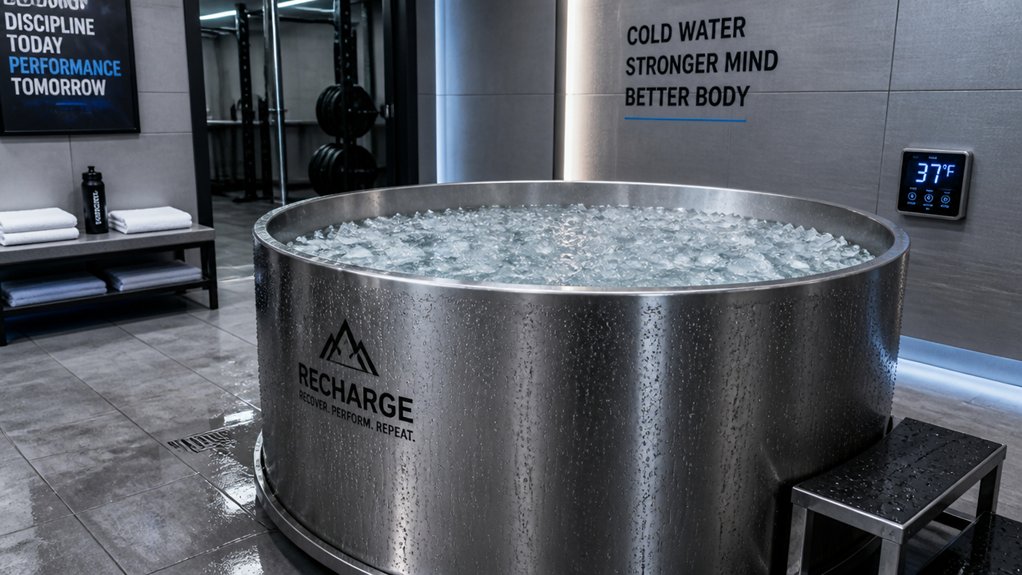
Ever wondered why many athletes plunge into icy water after intense workouts? That’s cold water immersion, or ice baths, and it’s a popular recovery technique.
When you submerge your body in water cooled between 45 and 60°F (7 to 15°C) for 5 to 15 minutes, it helps reduce muscle soreness and inflammation. The cold constricts blood vessels, which flush out metabolic waste and decrease swelling.
Athletes also use ice baths to combat delayed onset muscle soreness (DOMS), which peaks about 48 hours after intense activity. By triggering physiological responses like slowed nerve signals and lowered blood flow, cold water immersion offers quick relief from muscle pain and swelling.
Using cold therapy devices alongside cold water immersion can further enhance recovery by providing targeted cold application and maintaining consistent temperatures, making the process more effective.
This recovery benefits swimmers during busy training or back-to-back competitions, letting them bounce back faster between efforts.
How Do Cold Water Recoveries Improve Athletic Performance?
Cold water recovery improves athletic performance by reducing muscle inflammation and soreness, allowing you to train harder and more consistently. Ice baths help flush out metabolic waste through vasoconstriction and vasodilation, improving nutrient delivery and supporting muscle repair.
Regular cold water immersion shortly after intense workouts can lessen delayed onset muscle soreness (DOMS), which peaks around 48 hours, enabling quicker recovery for your next session. These recovery benefits also extend to endurance training, as cold water promotes mitochondrial biogenesis, boosting energy efficiency and muscle endurance.
How to Prepare Safely for Your Ice Bath Sessions
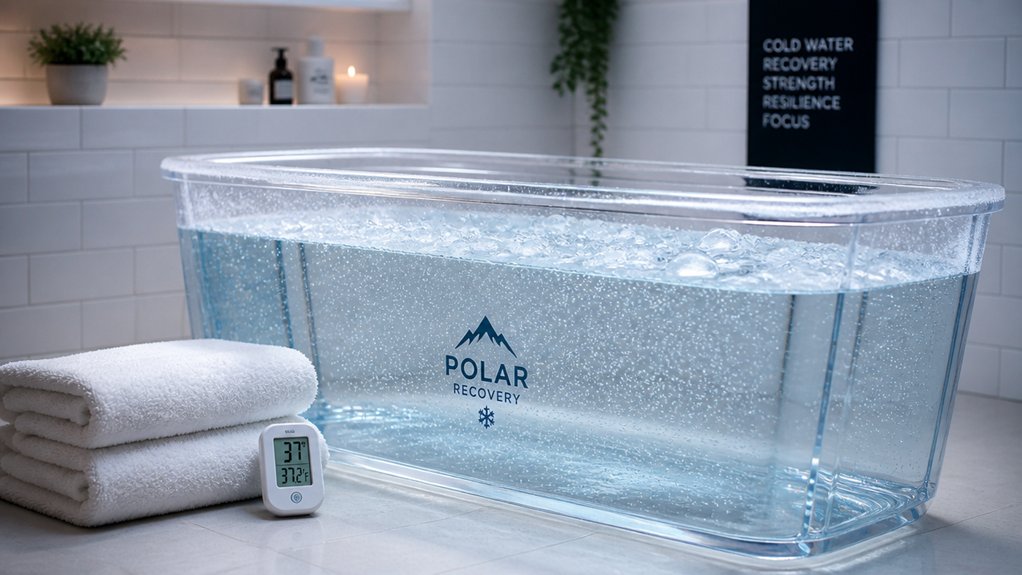
Before taking an ice bath, make sure you’ve gotten medical clearance if you have health concerns.
Set the water temperature between 50 to 59°F and keep a close eye on the timing to avoid overexposure.
Always have warm clothing and towels nearby, and never go alone—supervision is essential for safety.
Additionally, monitoring your blood oxygen levels with a suitable pulse oximeter can help ensure your body responds well to the cold stress.
Medical Clearance Needed
Are you considering ice bath recovery sessions? Getting medical clearance is essential if you have preexisting health conditions like high blood pressure, cardiovascular issues, arrhythmias, Raynaud’s, or cold sensitivity disorders. Consulting a healthcare professional helps guarantee your safety. A proper understanding of commercial cold plunge tubs including their features and maintenance can further ensure a safe experience.
Avoid ice baths if you’re pregnant or a child, as cold water immersion poses risks for these groups. Your healthcare provider can advise you on whether your condition allows safe participation.
Once approved, always use a controlled environment with water temperatures between 50–59°F. This minimizes risks and allows you to focus on recovery safely.
Proper Temperature Monitoring
Guaranteeing your ice bath is both safe and effective starts with proper temperature monitoring. You need to monitor water temperature carefully to avoid risks like overheating or excessive cold exposure. Use a reliable waterproof thermometer to check and monitor water temperature before and during immersion.
Keep the water temperature between 50°F and 59°F (10°C to 15°C) for peak recovery. Limiting immersion duration to 10–15 minutes helps prevent hypothermia, especially when temperatures dip toward the lower end.
Gradually acclimate to colder water by starting with warmer temperatures and decreasing over time to build tolerance. Never proceed without dependable temperature control, and always have supervision during your session.
Proper temperature monitoring guarantees you gain benefits safely from cold water exposure.
Controlled Environment Setup
Setting up a safe environment for your ice bath is essential to maximize benefits and minimize risks. Use a large tub or dedicated cold plunge tank with proper water circulation to guarantee even cooling and prevent thermal layering. Maintain the cold water temperature between 50 to 59°F (10 to 15°C) for peak recovery and safety.
Always have a partner or supervision nearby to monitor for signs of hypothermia, lightheadedness, or cold shock. Limit immersion time to 5–15 minutes, ideally 10–15 minutes, and avoid exceeding 15 minutes to reduce risks.
Prepare warm clothing and towels for immediate use after your cold water session. Never undertake ice baths alone, especially if you have preexisting health conditions, to guarantee a safe and effective recovery. Additionally, choosing a durable tub ensures safety and longevity during regular use.
What’s the Best Temperature and How Long Should Swimmers Stay in the Bath?
To maximize recovery, aim for an ice bath temperature between 50°F and 59°F, which most athletes find tolerable. Stay in the water for 10 to 15 minutes, ensuring you monitor for signs that it’s time to exit, like numbness or excessive shivering. Keep in mind, staying longer than 15 minutes can increase risks, so listen to your body and exit when appropriate. Using a proper water treatment can help maintain water quality and enhance comfort during your plunge.
Optimal Temperature Range
Finding the right temperature for ice baths is essential for effective recovery, as temperatures that are too cold or too warm can diminish benefits or cause discomfort. The best temperature range for cold water in ice baths is between 41°F and 59°F.
Within this range, 50°F to 59°F is more tolerable for longer immersion times, allowing you to maximize recovery without excessive discomfort. Setting the bath too cold may cause pain or numbness, while warmer water reduces cooling effectiveness. To achieve and maintain these temperatures, using a properly sized chiller is highly recommended.
Water circulation within the bath also helps maintain a consistent temperature, enhancing cold therapy benefits. Remember, your immersion time doesn’t need to be lengthy—about 10 to 15 minutes is ideal—so sticking to the best temperature makes your recovery more efficient and comfortable.
Recommended Immersion Duration
Maintaining the right duration in an ice bath is essential for maximizing recovery benefits without risking discomfort or adverse effects. For effective muscle soreness reduction, aim for an immersion temperature between 50°F and 59°F (10–15°C). The ideal duration is 10 to 15 minutes, enough to decrease inflammation without hypothermia.
Beginners should start with shorter sessions of 3 to 5 minutes, gradually increasing as tolerated to prevent numbness or cold shock. To balance cold exposure, immersing up to thigh depth and wearing hats or gloves can help keep extremities warm.
Limiting the frequency to 1 to 2 times per week, with a total weekly immersion time of around 11 minutes, prevents negative impacts on muscle growth and adaptation, ensuring safe and effective recovery. Incorporating insulation efficiency can help maintain water temperature and enhance recovery benefits.
Signs for Safe Exit
How can you tell when it’s time to safely end your ice bath? If you experience intense shivering or have been in the cold beyond 15 minutes, it’s time to exit the cold to prevent hypothermia.
Dizziness or lightheadedness are signs your body is struggling to cope, so listen to your body and exit immediately. Uncontrolled shivering indicates your body is trying to generate warmth, which suggests you should get out and warm up gradually.
If numbness persists beyond 3 minutes or you feel unsteady, leave the bath. Always monitor how you feel during immersion, and never ignore signs of distress.
Swimmers should stay within the recommended 10 to 15 minutes at 50-59°F (10-15°C) for safety.
When and How Often Should You Take Ice Baths for Maximum Benefit?
Timing and frequency are essential for maximizing the benefits of ice baths. To effectively use cold water therapy, aim to take ice baths within an hour after your intense workouts, especially long aerobic sessions.
Take ice baths within an hour after intense workouts for optimal recovery benefits.
Keep sessions between 10 to 15 minutes to reduce muscle soreness safely. Most swimmers benefit from 1-2 times per week, allowing recovery without hindering muscle adaptation. In high-load training phases, up to three sessions weekly can be beneficial.
Avoid taking ice baths immediately after strength or power training, as cold exposure might inhibit muscle growth. Tracking your soreness and performance helps tailor your schedule. Using the right collapsible ice bath tubs can make this recovery routine more convenient and effective.
Follow these guidelines to harness ice baths’ full recovery potential, promoting quicker muscle repair while avoiding overuse.
Tips to Make Cold Immersion Comfortable and Effective
To make your cold immersion sessions more comfortable and effective, focus on controlling the temperature and duration to avoid unnecessary discomfort. Use water between 50–59°F (10–15°C) and stay for 10–15 minutes to maximize recovery benefits while minimizing cold shock.
Gradually acclimate by starting with shorter immersions of 3–5 minutes, then slowly increase the time as your tolerance improves. Keep extremities warm with hats, gloves, or sweaters during partial immersion to help tolerate the cold longer.
Distract yourself with activities like drinking hot tea, reading, or light conversation to ease discomfort and promote calm, controlled breathing.
Gentle movement or water circulation during ice baths helps disrupt the thermal barrier on your skin, ensuring consistent cooling for effective cold exposure.
How to Recognize and Prevent Overexposure or Cold-Related Risks?
Recognizing and preventing overexposure during ice baths is essential for safety. You must monitor for signs of overexposure such as intense shivering, dizziness, lightheadedness, and numbness beyond 3 minutes. These symptoms indicate the need to exit immediately to prevent hypothermia.
To avoid cold shock and excessive cooling, limit your ice bath duration to 15 minutes and keep water temperatures between 45 and 59°F (7 to 15°C). Never take an ice bath alone—partner or supervision guarantees quick response if adverse reactions occur.
Be cautious if you have preexisting health conditions like cardiovascular disease or cold sensitivity; always seek medical approval beforehand. Gradually acclimate by starting with shorter, warmer immersions, and keep warm clothing nearby for rewarming after exit.
Combining Ice Baths With Other Recovery Strategies for Better Results
To maximize your recovery, combine ice baths with active recovery like light swimming or stretching to boost blood flow and clear lactate.
Make sure to nourish your muscles with protein and carbs within 30 minutes afterward, which supports repair and reduces soreness. Balancing these strategies with proper hydration and timing can lead to more effective and comfortable recovery sessions.
Integrate Active Recovery Techniques
Combining ice baths with other active recovery strategies can greatly boost your overall recovery process. By incorporating activities like dynamic stretching or light aerobic exercises, you enhance blood flow and reduce stiffness, making your recovery more effective.
Following your cold water immersion with dynamic stretching helps maintain flexibility and prevents muscle tightness. Additionally, using a foam roll after an ice bath releases muscle tension and promotes circulation.
Here are four ways to optimize your recovery:
- Perform light 400-meter freestyle swims to clear lactate.
- Use foam rolling to boost blood flow and ease muscle tension.
- Focus on post-immersion nutrition with proteins and carbs within 30 minutes.
- Stay hydrated before and after each session for effective fluid balance.
Balance Rest and Ice Use
Balancing rest and ice use is essential for maximizing recovery and avoiding potential drawbacks of overuse. Ice baths can help reduce soreness and improve recovery time when used strategically, but excessive cold exposure may inhibit muscle growth and strength gains.
Limit ice baths to 1–2 times per week, especially after high-intensity or multi-session days, and keep sessions within 10–15 minutes at 50–59°F within an hour of exercise.
To enhance recovery, combine ice baths with active recovery methods like light aerobic cool downs and incorporate adequate rest periods, including at least 8 hours of sleep. Integrating ice baths with other recovery practices such as proper hydration, stretching, and foam rolling optimizes muscle repair, supporting your overall performance and reducing soreness efficiently.
Incorporate Proper Nutrition
Integrating proper nutrition with your ice bath routine enhances recovery by supporting tissue repair and energy replenishment. After an intense swim, refuel with a recovery snack like Greek yogurt or a protein shake within 30 minutes to maximize muscle repair.
Combining ice baths with adequate hydration using water or electrolyte drinks, such as Gatorade, helps replenish fluids lost through sweat, speeding up recovery. Additionally, focus on a nutrition plan rich in protein and carbohydrates to restore glycogen stores and reduce inflammation.
To get the most out of your recovery method, don’t rely on cold immersion alone—pair it with proper nutrition, stretching, and foam rolling. These combined strategies amplify the anti-inflammatory effects of ice baths and accelerate muscle recovery, keeping you ready for your next swim session.
How Endurance and Power Athletes Can Use Ice Baths Differently?
Do endurance and power athletes approach ice bath recovery in fundamentally different ways? Yes. Endurance athletes, like swimmers, typically use ice baths at colder temperatures (around 41°F) for 10-15 minutes shortly after workouts to boost mitochondrial formation and speed recovery.
They focus on reducing soreness and restoring oxidative muscle fibers. Power athletes, however, should limit ice bath use to 1-2 times weekly and avoid immediate post-strength sessions. Warmer cold baths (52–59°F) for shorter periods help prevent interference with muscle hypertrophy and strength gains.
Timing matters: endurance athletes soak within an hour of exercise, while power athletes delay by at least 24 hours. Proper hydration and limiting total ice bath time optimize recovery without compromising strength or immune health.
FAQs About Cold Water Immersion and Athletic Recovery
Understanding the most common questions about cold water immersion can help you use this recovery tool effectively and safely. Ice baths are popular for reducing muscle soreness and speeding up recovery, especially after intense swimming sessions.
But you might wonder: How often should I take ice baths? Will cold water immersion hinder my muscle gains? Is it safe to stay submerged for 15 minutes? And what temperature is best?
Here are some key points to keep in mind:
- Ice baths in 45–60°F water for 5–15 minutes can reduce muscle inflammation and DOMS.
- Frequent cold water immersion (more than three times weekly) may hinder muscle growth.
- Endurance athletes can benefit from improved mitochondrial formation, but strength athletes should time ice baths cautiously.
- Always follow safety guidelines to prevent hypothermia and cold shock.
Frequently Asked Questions
What Is the 80 20 Rule in Swimming?
The 80/20 rule in swimming means you focus about 80% of your training on low to moderate intensity, building endurance and technique, while dedicating around 20% to high-intensity efforts like sprints, optimizing performance and minimizing injury risks.
Are Ice Baths Good for Swimmers?
Ice baths can be beneficial for you, reducing muscle soreness and inflammation after intense workouts. However, use them strategically—preferably 1-2 times weekly and more than an hour after strength sessions—to maximize benefits without hindering long-term gains.
How to Recover After an Ice Bath?
After an ice bath, you should warm up gradually with light activity or clothing, hydrate well, do gentle stretching, avoid intense workouts, and eat a quick protein-carb snack to support muscle recovery and restore energy efficiently.
How Long Should You Stay in an Ice Bath for Best Recovery?
You should stay in an ice bath for about 10 to 15 minutes to maximize recovery benefits. Keeping sessions around 11 minutes helps, but avoid exceeding 15 minutes to prevent hypothermia and guarantee safe, effective recovery.