For ideal recovery and wellness, aim for 2 to 4 heat-and-cold contrast sessions each week, depending on your activity level and health. Beginners should start with 1–2 sessions, gradually increasing intensity and frequency as tolerated. Athletes training intensely may benefit from up to 4 sessions weekly, but it’s important not to overdo it to avoid fatigue or sleep issues. Keep an eye on how your body responds—more tips await if you want to maximize safety and benefits.
What Is Contrast Therapy and Why It Matters
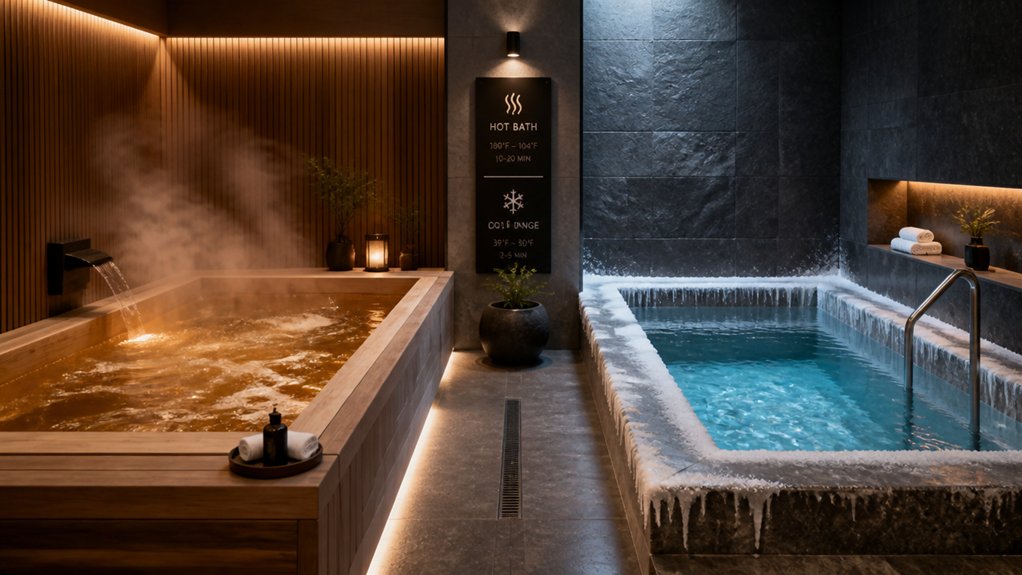
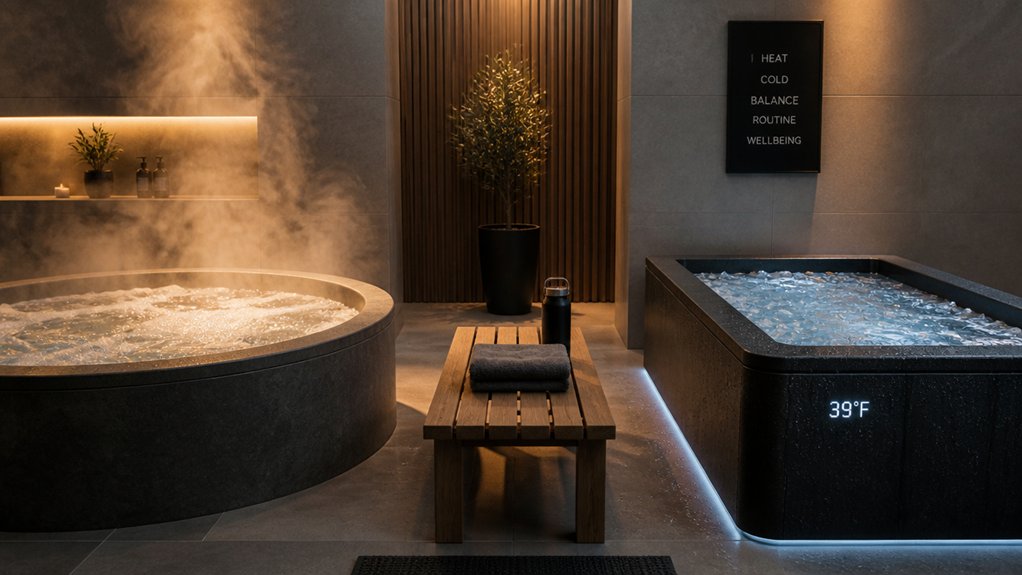
Have you ever wondered why alternating heat and cold exposure can boost recovery and well-being? That’s where contrast therapy comes in. It involves switching between heat exposure, like a sauna or steam room, and cold immersion, such as an ice bath or cold plunge. This process activates your circulatory system, helping to speed up muscle recovery. Using infrared heat lamps, which emit radiant heat penetrating deep tissues, can provide more rapid and targeted warming during sessions. Typically, sessions last 15–25 minutes, with 1–3 cycles of heat (3–5 minutes) followed by cold (45–60 seconds). Regular contrast therapy can reduce inflammation, improve circulation, and support both physical and mental stress relief.
Beginners should start with shorter durations, gradually increasing as their body adapts. For overall wellness or athletic recovery, doing 2–3 sessions weekly can provide noticeable benefits.
How It Works: The Science Behind Hot and Cold Alternations
Alternating between hot and cold exposures triggers a dynamic cycle of blood vessel dilation and constriction, which enhances circulation and reduces inflammation. This is the core of contrast therapy, where vasodilation during heat increases blood flow, while vasoconstriction in cold phases limits it. This cyclical process stimulates the nervous system and promotes healing. Maintaining optimal water temperatures within the therapeutic range ensures that these effects are achieved effectively and safely.
The Benefits of Regular Contrast Sessions
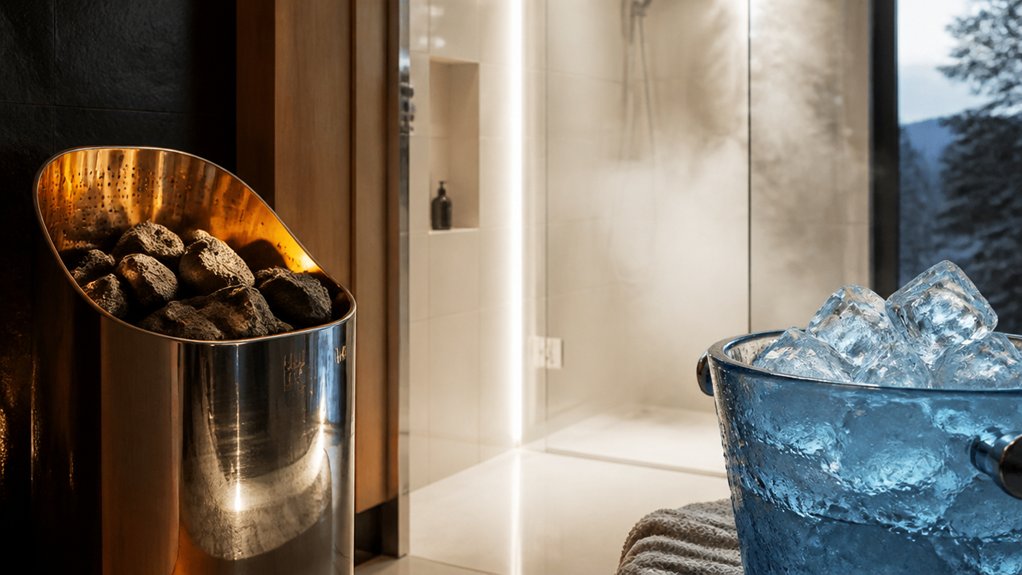
Engaging in regular contrast sessions offers numerous health benefits by actively improving your vascular function, reducing muscle soreness, and supporting immune health.
Contrast therapy is generally most effective when you maintain consistent scheduling of 3–5 sessions weekly, which leads to measurable improvements in circulation, inflammation control, and stress resilience over time.
Regular contrast therapy sessions, especially when combined with adequate rest days, can enhance recovery speed and help reduce muscle soreness, making it ideal for athletes or active individuals. However, doing more than 4–5 sessions per week might cause fatigue or sleep disturbances, so it’s important to listen to your body.
Being mindful of energy efficiency and proper equipment maintenance can optimize your sessions and ensure consistent health benefits.
Is Contrast Therapy Safe? Risks and Precautions
Contrast therapy can be safe if you’re healthy and follow proper guidelines, but it’s essential to be aware of cardiovascular risks.
Always monitor how you feel during sessions and stop if you experience symptoms like dizziness or chest pain. If you have health conditions or are unsure, consult your doctor before starting.
Incorporating thermal insulation capabilities can help maximize safety and effectiveness during these sessions.
Cardiovascular Risks Awareness
Are contrast therapy sessions safe for everyone? Not necessarily. If you have cardiovascular health concerns, like uncontrolled hypertension or heart disease, consult a healthcare professional first.
During contrast therapy, rapid vasodilation from sauna sessions can raise your heart rate, mimicking light to moderate exercise. Cold plunges trigger the sympathetic nervous system, causing cardiovascular strain which might be risky if you have arrhythmias or other heart conditions.
Watch out for symptoms like dizziness, chest pain, or shortness of breath — these are warning signs to stop immediately and seek medical advice. Beginners should start with short heat and cold exposures, gradually increasing duration.
Incorporating cold plunge water treatment into your routine can help maintain water quality and hygiene, supporting safer sessions. When done cautiously and 2–4 times a week, contrast therapy can be safe for healthy individuals, supporting overall cardiovascular health.
Proper Technique and Monitoring
To guarantee safety during contrast therapy, it’s essential to follow proper techniques and stay vigilant for signs of distress. Begin with shorter heat phases, around 5–10 minutes, and cold exposures of 20–30 seconds, especially if you’re new. Always monitor how your body responds—stop immediately if you experience dizziness, chest pain, nausea, confusion, or uncontrollable shivering. Maintaining hydration before, during, and after sessions helps prevent dehydration and related risks. Limit each session to 15–25 minutes to avoid overexertion or cardiovascular strain. If you have any health concerns, consult a healthcare provider before starting contrast therapy. Also, consider the type of anti-chafe balm used, as some formulations are water-resistant or long-lasting, which can impact comfort and safety during extended water exposure. Body Barrier and skin protection are crucial for a safe and enjoyable cold-water therapy experience.
How Often Should You Do Contrast Therapy Each Week?
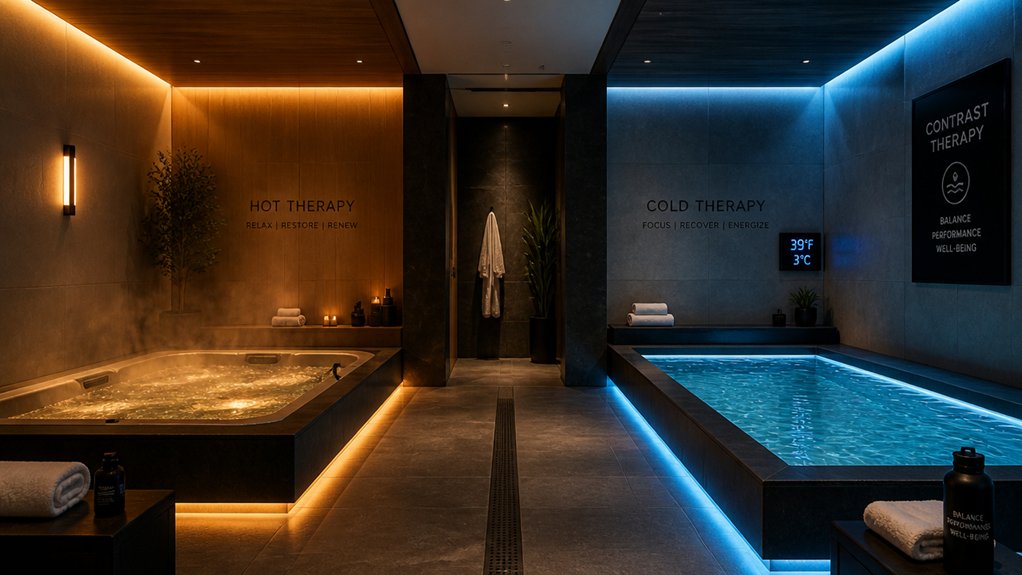
You should aim for 2 to 3 contrast therapy sessions per week to optimize recovery without overloading your body.
If you’re highly active or training intensely, up to 4 sessions might be beneficial, but beginners should start with fewer to avoid adverse effects. Consistent scheduling helps improve overall wellness, but overdoing it can lead to fatigue or disrupted sleep, so find a balanced routine. Incorporating proper temperature therapy features like rapid heat and cold adjustments can enhance the effectiveness of each session.
Optimal Session Frequency
Finding the right balance in contrast therapy sessions depends on your goals and level of experience. Generally, 2 to 3 sessions per week suit most for wellness, helping your body recover without overstressing it. For athletes, increasing to 4 sessions weekly supports muscle repair and soreness relief. Incorporating adapted testosterone levels and cortisol regulation can also enhance your recovery process.
Consider these factors:
- Beginners should start with 1-2 sessions per week, gradually increasing as tolerated.
- Athletes or intense trainers can safely add more sessions, up to 4 weekly.
- Ideal benefits for immunity and soreness often come with 3-5 sessions weekly, if sleep and fatigue are monitored.
- Avoid daily sessions, as excessive heat and cold exposure can cause fatigue, cardiovascular strain, or sleep disruption.
Adjust based on your response and recovery, ensuring consistent benefits without overdoing it.
Balancing Recovery and Overtraining
Balancing recovery and overtraining requires paying close attention to how often you do contrast therapy. Too many sessions risk fatigue, decreased sleep quality, or cardiovascular strain, especially for beginners. Generally, 2 to 3 contrast therapy sessions per week offer effective recovery without overloading your body. Athletes in intense training may benefit from up to 4 sessions but should monitor for signs of fatigue. Personalization is key: adjust frequency based on your physical and mental response, training load, and health status. Always consult a healthcare professional if you have medical conditions. To visualize, consider this:
| Frequency | Best for | Risks |
|---|---|---|
| 1-2 per week | Beginners, recovery starters | Overtraining, fatigue |
| 2-3 per week | General wellness | Overuse, sleep issues |
| Up to 4 per week | Athletes, intense training | Fatigue, cardiovascular strain |
| Daily | Not recommended | Overtraining, fatigue |
Contrast Therapy for Beginners: Starting Tips and Guidelines
Starting contrast therapy as a beginner can feel intimidating, but with the right approach, it’s safe and beneficial.
Begin with short heat phases, like a 5–10 minute sauna session at moderate temperatures (100–130°F), followed by cold plunges of 1–2 minutes at 50–59°F. Perform 2–3 contrast cycles per session, no more than twice a week. Always monitor your body signals closely, and stop if you experience dizziness, chest discomfort, or excessive shivering. Hydrate well before, during, and after each session.
Keep these tips in mind:
- Gradually increase duration as comfort improves
- Stick to moderate temperatures to avoid overstimulation
- Limit sessions to a manageable frequency
- Prioritize safety and listen to your body’s responses
These steps help you build a safe foundation in contrast therapy.
How to Adjust Your Routine Based on Your Fitness Goals
Your fitness goals shape how you should schedule heat-and-cold sessions.
If recovery is your priority, stick to 2–3 sessions weekly, but add more for performance boosts or intense training.
Adjust the frequency and timing based on whether you’re aiming for muscle repair, top performance, or overall well-being.
Recovery Priorities
Adjusting the frequency of heat-and-cold sessions depends on your specific fitness priorities. If muscle recovery and soreness relief are your goals, perform contrast therapy 2–3 times per week, with 3–5 cycles totaling 15–25 minutes.
For athletes with intense training, up to four sessions weekly can help, but avoid cold plunges immediately after resistance workouts to protect hypertrophy gains.
Those targeting chronic joint pain may benefit from 3–4 cycles of moderate heat and cold, 2–3 times weekly, tailored to comfort. Recovery routines also include nervous system reset sessions in the evening.
Keep in mind: monitor for excessive fatigue or cardiovascular strain, and adjust your schedule accordingly. Balancing frequency with your body’s response guarantees safe, effective recovery.
Performance Enhancements
For ideal performance gains, timing and frequency of heat-and-cold contrast sessions should align with your specific training goals. Contrast therapy enhances performance by optimizing recovery, reducing muscle soreness, and boosting immunity.
To improve performance, schedule 3–5 sessions weekly, focusing on the days surrounding your key workouts. Post-exercise contrast sessions typically involve 3–5 cycles of 3–5 minutes heat, followed by 45–60 seconds cold, finished on cold, ideally 1–2 hours after intense training. Avoid cold plunges immediately after strength sessions to prevent blunting hypertrophy; instead, delay cold exposure 4–6 hours or use it on lighter days.
For pre-performance priming, 1–2 cycles of brief heat and cold can prepare your muscles, ending in cold 60–90 minutes before events.
Best Practices for Timing and Session Length
To maximize the benefits of heat-and-cold contrast therapy while minimizing risks, it’s vital to follow recommended timing and session length guidelines.
Follow recommended timing and session lengths to safely maximize heat-and-cold contrast therapy benefits.
For general wellness, aim for sessions of 15–25 minutes, with 2–5 cycles of alternating heat and cold. Beginners should start with shorter durations—around 5–10 minutes heat and 1–2 minutes cold—and gradually increase as tolerated.
Athletes recovering from intense training might do up to 4 sessions per week, with 3–5 minute heat and 45–60 seconds cold, ending on cold for anti-inflammatory benefits.
Shorter sessions, like 2–3 minutes heat and 20–30 seconds cold, are great for nervous system reset or pre-performance priming.
Remember to space sessions evenly, stay hydrated, and listen to your body’s signals to avoid fatigue and guarantee safety.
How to Recognize If You’re Overdoing It
If you notice persistent fatigue, sleep disruptions, or an unusually low resting heart rate, it might mean you’re overdoing heat-and-cold sessions.
Dizziness, nausea, or chest discomfort during or afterward are clear signs to cut back immediately. Keep track of your body’s responses to avoid crossing into overuse.
Persistent Fatigue Signs
Persistent fatigue can be a clear sign you’re pushing too hard with heat-and-cold sessions. If you notice prolonged tiredness, difficulty waking, or a lower resting heart rate despite rest, you might be overdoing it.
Disrupted sleep patterns, increased irritability, and decreased motivation to engage in activities like sauna or cold plunge routines also indicate stress on your body. If you experience dizziness, nausea, or chest discomfort during or after sessions, it’s a red flag for cardiovascular strain.
To evaluate your recovery and avoid overtraining, pay attention to:
- Persistent fatigue and energy dips
- Changes in sleep quality
- Elevated heart rate during sessions
- Mood swings and reduced motivation
Monitoring these signs helps optimize your contrast therapy routine effectively.
Sleep Disruptions Occur
Excessive heat-and-cold contrast sessions can throw off your sleep, making it harder to fall asleep or stay asleep through the night. You might notice sleep disturbances, such as restlessness, night awakenings, or feeling less rested even after enough hours in bed. Overdoing contrast therapy disrupts your body’s ability to regulate core temperature, preventing the typical evening drop needed for sleep. Recognizing these signs early helps prevent further issues. Use this table to understand the impact:
| Symptom | Cause | Solution |
|---|---|---|
| Restlessness | Disrupted body temperature regulation | Avoid cold exposure before bed |
| Night awakenings | Persistent fatigue from overuse | Limit contrast cycles and end warm |
| Less rested feeling | Core temperature imbalance | Finish with gentle heat or neutral temperature |
Monitor your reactions and adjust your routine accordingly for better sleep.
Unusual Heart Rate
Have you noticed your heart beating unusually slow or fast after your heat-and-cold sessions? An abnormal heart rate can signal you’re overdoing it or experiencing cardiovascular strain.
Look out for persistent disturbances in heart rate variability, such as prolonged tachycardia or irregular rhythms, which indicate incomplete recovery. Symptoms like lightheadedness, dizziness, chest discomfort, or palpitations during or after sessions are signs to pause or cut back.
Excessive contrast therapy can disrupt your autonomic nervous system, leading to abnormal heart responses. Be attentive to these signs by monitoring your heart rate with wearable devices.
- Unusual heart rate fluctuations
- Prolonged tachycardia or irregular rhythms
- Dizziness, lightheadedness, chest discomfort
- Heart rate variability disturbances
Optimal Times of Day to Do Your Contrast Sessions
When is the best time of day to enjoy your contrast sessions? Morning contrast sessions, ideally between 6–8 AM, can boost dopamine and norepinephrine, sharpening focus and mood for the day.
Doing contrast therapy in the afternoon helps counteract energy dips, offering a mental and physical reset after activity or sedentary periods.
Evening sessions should use gentler heat and milder cold exposure with longer sauna time, promoting relaxation and a nervous system reset for better sleep.
Finishing contrast therapy with cold immersion in the morning or afternoon maximizes recovery and alertness, while ending with warm or neutral temperatures in the evening supports restful sleep.
Scheduling contrast sessions 2–4 times weekly, timed to suit your goals, optimizes benefits without overstressing your cardiovascular system.
Weekly Schedules for Recovery, Performance, and Wellness
Establishing a consistent weekly schedule for heat-and-cold contrast therapy can optimize recovery, boost performance, and support overall wellness.
Consistent contrast therapy weekly boosts recovery, performance, and overall wellness.
For general wellness, aim for 2 to 3 sessions per week, promoting circulation without overtaxing your body. Athletes pushing for peak performance may increase sessions to 4 times weekly to improve muscle recovery and decrease soreness.
If your goal is inflammation reduction and immune support, 3 to 5 sessions per week are ideal, balancing intensity and rest. For injury recovery, personalizable protocols often involve 2 to 4 sessions weekly, guided by a healthcare professional.
- Use contrast therapy to enhance circulation and overall well-being
- Incorporate cold plunges for inflammation reduction
- Schedule more frequent sessions during intense training periods
- Adjust based on recovery needs and tolerance
Adapting Contrast Therapy for Age, Health, and Medical Conditions
Adapting contrast therapy to fit your age, health status, and medical conditions guarantees safety and maximizes benefits. If you have cardiovascular issues or are older, start with shorter heat sessions of 5–10 minutes and cold exposures of 20–30 seconds, limiting sessions to 1–2 times weekly.
Always do this under medical supervision, especially if you have hypertension, diabetes, or circulation disorders, and consider lower temperature drops and fewer cycles.
Those with impaired thermoregulation or peripheral neuropathy should avoid extreme temperature contrasts and focus on gentle protocols, monitoring body signals carefully.
If you’re on medications affecting blood pressure or heart rate, conservative timing is essential—perhaps a single sauna cycle with brief cold plunges once or twice weekly.
Personalization guarantees safety and promotes the desired health benefits.
Combining Contrast Therapy With Other Recovery Methods
Combining contrast therapy with other recovery methods can boost your overall results by addressing different aspects of muscle repair, stress reduction, and circulation. To optimize benefits, consider integrating modalities like compression therapy and IV hydration alongside contrast therapy sessions scheduled 2–3 times weekly.
Enhance recovery with contrast therapy combined with compression, IV hydration, and strategic timing for optimal results.
For instance, pairing sauna and cold sessions can accelerate metabolism and circulation, while stretching or massage can support muscle recovery. Spacing these sessions by a few hours prevents overstressing your cardiovascular system.
Including breathing techniques during contrast therapy, combined with red light therapy or hyperbaric oxygen, can enhance nervous system regulation. Keep in mind that for strength training, delay contrast therapy 4–6 hours post-workout to avoid hindering hypertrophy.
This multi-faceted approach guarantees a balanced, effective recovery routine.
Tracking Progress and Knowing When to Change Your Routine
How do you know when to adjust your heat-and-cold routine? Tracking progress is key. Monitor subjective signs like muscle soreness, sleep disturbances, and energy levels. Objective metrics such as heart rate variability can reveal if your body needs a change in session frequency. For example, persistent fatigue or low-quality sleep may indicate overuse, prompting a reduction. Conversely, improved recovery signals you can maintain or increase sessions. Use this table to guide your adjustments:
| Indicator | Positive Signs | Signals to Adjust |
|---|---|---|
| Muscle Soreness | Decreases | Continue routine or slightly increase |
| Sleep Quality | Improves | Maintain or increase frequency |
| Fatigue or Sleep Disturbances | Persistent or worsening | Decrease sessions or recovery focus |
| Heart Rate Variability | Stabilizes or improves | Keep current routine |
| Session Frequency | Consistent progress | Adjust as needed based on signs |
Long-Term Tips for Safe and Effective Contrast Therapy
To guarantee you get the most benefits from contrast therapy while maintaining safety, it’s important to follow long-term guidelines on frequency and progression.
Follow long-term guidelines to safely maximize contrast therapy benefits through consistent, gradual progression and attentive self-monitoring.
Stick to a routine of 3–5 sessions per week, adjusting based on workout intensity and your tolerance. Limit intense contrast protocols to 2–4 sessions weekly to prevent symptoms like fatigue or disrupted sleep.
Beginners should start with 2–3 sessions, using lower temperatures and shorter durations, then gradually increase as your comfort and cardiovascular resilience improve. Always monitor your body signals—pause or cut back if you experience dizziness, fatigue, or cardiovascular discomfort.
To maximize safety and effectiveness:
- Maintain proper hydration
- Stick to consistent scheduling
- Gradually increase session intensity
- Prioritize rest and recovery
Frequently Asked Questions
How Often Should I Do a Sauna and Cold Plunge?
You should aim for 2-3 sauna and cold plunge sessions weekly for wellness, increasing to 3-5 if you’re highly active. Start slow, listen to your body, and avoid overdoing it to prevent fatigue and sleep issues.
What Is the Order of Hot and Cold Plunge?
You start with heat exposure, like a sauna or hot bath, then shift immediately into a cold plunge or ice bath. This order maximizes vascular contrast benefits, boosts circulation, and helps reduce inflammation effectively.
How to Use Heat and Cold Therapy Together?
You combine heat and cold therapy by alternating between warm relaxations for 3-5 minutes and cold immersions for 30-60 seconds, typically 2-4 times weekly, to boost circulation, reduce soreness, and promote recovery effectively.
When Is the Best Time to Do Hot and Cold Therapy?
The best time to do hot and cold therapy depends on your goals. Morning boosts alertness, afternoons combat fatigue, and evenings promote relaxation. Consistently schedule sessions when they most benefit your energy, recovery, and sleep quality.