Alternating showers with hot and cold water boost your circulation, strengthen your immune system, and help reduce inflammation. Hot water expands blood vessels, increasing blood flow, while cold water constricts vessels, supporting tissue resilience and flushing out waste. This cycle also enhances recovery, reduces muscle soreness, and sharpens mental focus by stimulating nerve signals. If you want to learn how to safely incorporate contrast therapy into your routine for maximum benefits, keep exploring these techniques.
Why Contrast Showers Could Be a Game-Changer for Your Wellness
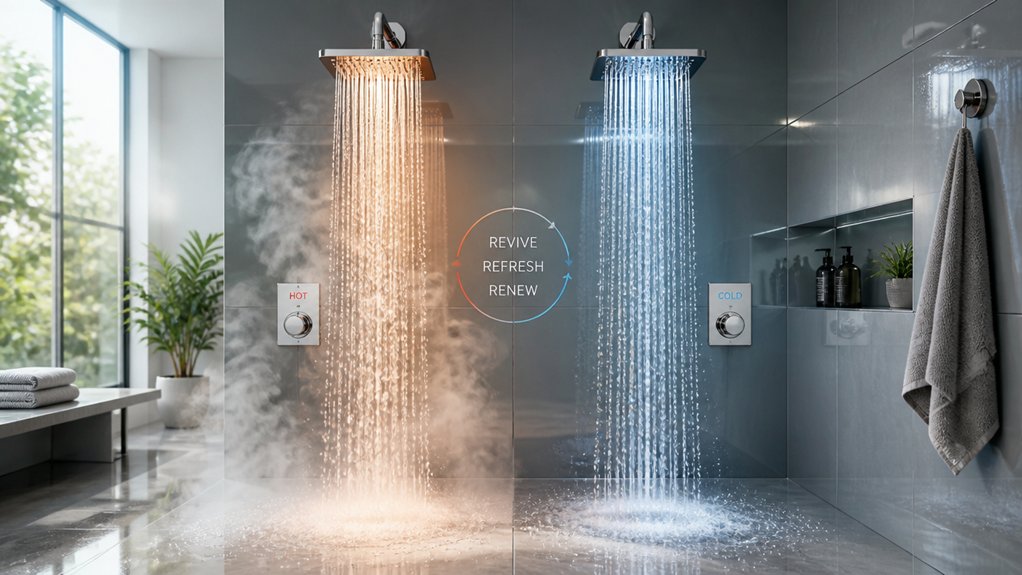
Contrast showers could be a game-changer for your wellness because they actively stimulate your circulatory system, improving overall blood flow and oxygen delivery. Alternating hot and cold water causes vasodilation and vasoconstriction, which boosts circulation and enhances nutrient and oxygen transport throughout your body. Using energy-efficient chillers can optimize cold water therapy, making regular contrast showers more accessible and sustainable. This process also helps strengthen your immune system by increasing immune cell production, like monocytes and leukocytes, lowering your risk of illness. Improved blood flow from contrast showers supports faster recovery, reduces muscle soreness, and diminishes inflammation. Additionally, cold exposure triggers endorphin release and activates your parasympathetic nervous system, which can improve your mood and mental clarity. Regular contrast showers provide a gentle, effective way to optimize circulation, boost immunity, and promote overall wellness.
What Are Contrast Showers and How Do They Work?
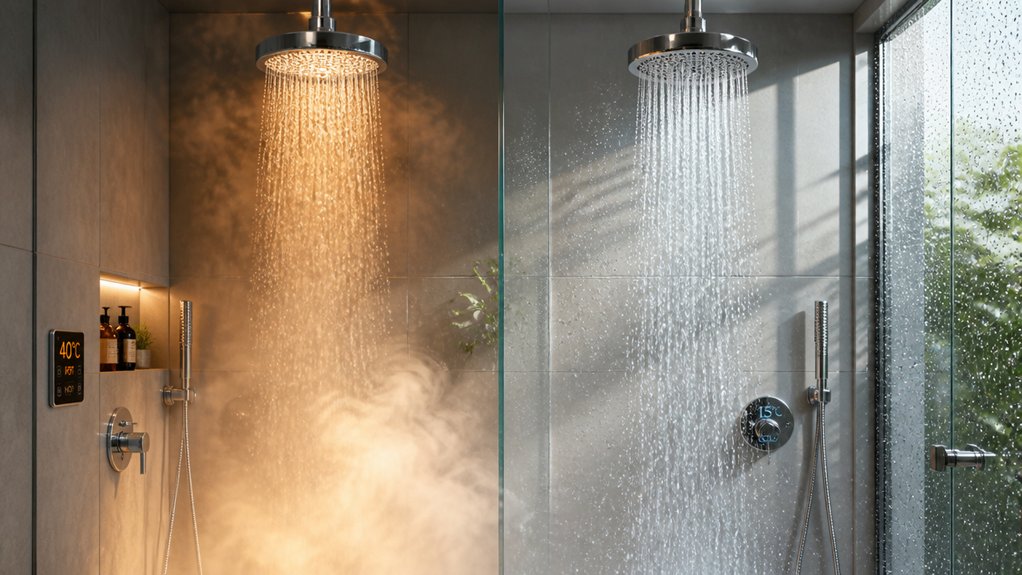
Contrast showers alternate between hot and cold water, triggering a cycle of vasodilation and vasoconstriction that boosts circulation.
This rapid temperature shift enhances tissue recovery, stimulates your nervous system, and encourages your body to adapt to changing conditions. By regularly practicing contrast showers, you help improve overall metabolic and circulatory health with minimal effort.
Thermal Circulation Effects
Switching between hot and cold water during showers triggers significant changes in blood vessel behavior, which enhances circulation throughout your body.
During contrast showers, hot water causes vasodilation, expanding blood vessels and increasing blood flow, while cold water leads to vasoconstriction, narrowing blood vessels and redirecting blood to essential organs. This rapid temperature shift stimulates your tissues to adapt to heat and cold stress, acting like a gentle workout for your circulatory system.
The alternating effect promotes better blood circulation, aiding in detoxification and nutrient delivery. Additionally, cold water exposure triggers the parasympathetic nervous system and a stress response that prepares your adrenal glands. Overheat protection sensors in heat pads ensure safety during warming routines, minimizing risks of burns or overheating.
Nervous System Activation
Changing water temperatures repeatedly during your shower impacts your nervous system by prompting immediate responses in your body’s vascular and stress mechanisms. Cold water exposure during contrast therapy activates the parasympathetic nervous system, helping you manage stress better.
The rapid shift from hot to cold water causes vasodilation and vasoconstriction, stimulating nerve signals and enhancing circulation. These temperature changes also trigger metabolic activity by challenging tissues to adapt without physical movement.
Cold water sparks a stress response that primes your adrenal glands, while releasing brain endorphins that improve mood and reduce pain. Additionally, adaptogen blends support stress resilience and help maintain balanced cortisol levels during temperature fluctuations. Altogether, contrast showers serve as a gentle but effective way to activate your nervous system, promoting circulation and stress regulation through repeated thermal stimulation.
Tissue Adaptation Responses
Tissue adaptation responses are the body’s way of responding to thermal stress, and contrast showers are an effective method to stimulate this process. Contrast water therapy involves alternating hot water, which causes vasodilation—widening of the vessels—and cold water, which causes vasoconstriction—narrowing of the vessels.
Repeating these cycles for 3-4 minutes hot and about 1 minute cold prompts tissue to adapt by boosting metabolic and circulatory activity without strenuous exercise. Cold water causes immediate constriction of small vessels, forcing tissues to improve resilience and flow.
This rapid temperature cycling acts like a gentle workout, encouraging healthy tissue function. Many find this process supports tissue health, especially beneficial for those with limited mobility or sedentary lifestyles.
How Do Hot and Cold Cycles Improve Blood Flow and Recovery?
When you alternate hot and cold water, your blood vessels expand and contract, boosting circulation. This natural “pump” helps move nutrients and oxygen to your muscles while flushing out waste and inflammation.
As a result, your recovery speeds up, and muscle soreness decreases.
Vasodilation and Vasoconstriction Effects
Alternating hot and cold showers work by cycling your blood vessels through vasodilation and vasoconstriction, which greatly enhances blood flow and accelerates recovery. Hot water causes vasodilation, expanding blood vessels and boosting blood flow to muscles, delivering oxygen and nutrients efficiently. Cold water triggers vasoconstriction, narrowing blood vessels and redirecting blood toward core organs, reducing swelling and inflammation. This cycle acts like a natural pump, improving circulation and lymphatic drainage for faster waste removal. Repeated dilation and constriction stimulate metabolic activity and tissue healing, reducing delayed onset muscle soreness. Incorporating proper timing between hot and cold exposure can help maximize these benefits while minimizing potential skin irritation.
Enhanced Circulatory Pumping
The cyclical shifts between hot and cold water during showers generate a powerful pumping action within your blood vessels, directly boosting circulation. In contrast showers, the hot water causes vasodilation, expanding blood vessels to increase blood flow to your skin and muscles. When you switch to cold water, vasoconstriction narrows the vessels, redirecting blood to your essential organs. This repeated dilation and constriction create a pumping effect that enhances overall circulation. This process helps remove cellular waste and inflammatory chemicals, promoting tissue detoxification and speeding recovery from soreness or injury. The contrast also stimulates deeper oxygen and nutrient delivery to your muscles, improving vascular responsiveness. Incorporating controlled water temperature variations can optimize these benefits for better timing consistency and more effective cold exposure training. Finishing with cold water helps reduce swelling and inflammation, ensuring faster post-exercise recovery through sustained vasoconstriction.
The Benefits of Contrast Showers for Muscle Soreness and Inflammation
Contrast showers help reduce muscle soreness and inflammation by actively modulating blood flow through temperature changes.
Contrast showers enhance recovery by modulating blood flow through temperature changes.
When you alternate between hot and cold water, you create a natural pump: hot water causes vasodilation, increasing circulation and delivering nutrients to your muscles, promoting recovery. Cold water narrows blood vessels, limiting blood flow to inflamed tissues, which can decrease swelling and pain.
This process flushes out waste products and inflammatory chemicals from your muscles, speeding up recovery and easing soreness. Additionally, alternating temperatures may support the effectiveness of cold plunge therapy by enhancing the benefits of temperature contrast.
How Contrast Showers Boost Your Immune System Naturally
Switching between hot and cold water during showers naturally stimulates your immune system by activating key immune cells like monocytes, leukocytes, and natural killer cells. This process, known as contrast showers, boosts your body’s defenses and reduces sickness. Cold phases specifically activate leukocytes and natural killer cells, helping fight infections like fungi and Candida. Regular practice enhances circulation, ensuring immune components reach tissues efficiently and speeds up toxin removal. It also supports gut health by maintaining balanced microbiota, essential for immune regulation. Additionally, using sensitive skin-friendly body washes can help prevent skin irritation and support your skin’s barrier during this practice. Here’s a quick look at how contrast showers reinforce your immune system:
| Benefit | Explanation |
|---|---|
| Immune cell activation | Cold water activates immune cells combating pathogens. |
| Infection defense | Boosts fight against fungi and bacteria. |
| Improved circulation | Enhances delivery of immune factors. |
| Toxin removal | Accelerates detoxification processes. |
| Gut health support | Maintains microbiota balance for immune regulation. |
How Temperature Swings Enhance Mental Clarity and Mood
Switching between hot and cold water boosts your brain’s production of endorphins, lifting your mood and easing depression.
The rapid temperature changes also increase blood flow to your brain, sharpening mental clarity and focus. As a result, you’ll feel more alert and emotionally balanced throughout your day. Incorporating guided meditation and breathing techniques during these temperature swings can deepen relaxation and enhance overall mental well-being, especially with devices designed for breathing rhythm synchronization.
Elevated Endorphin Levels
Alternating hot and cold showers trigger the release of endorphins, the body’s natural chemicals that enhance feelings of well-being and alleviate pain. Water exposure stimulates your brain endorphins, boosting your mood and promoting mental resilience. The rapid temperature swings cause your tissues to adapt, stimulating metabolic activity and leaving you feeling refreshed and energized.
- Cold water shock during contrast showers activates a stress response, improving alertness.
- Elevated endorphin levels help reduce symptoms of depression and low mood.
- The combination of temperature changes increases brain blood flow, supporting neurotransmitter balance.
These effects make hot and cold showers a simple, effective way to enhance mental clarity and lift your spirits without physical exertion, all while naturally boosting your endorphins.
Increased Brain Blood Flow
Temperature swings during showers cause your blood vessels to rapidly expand and contract, which boosts brain blood flow. Alternating hot and cold water triggers this process by causing quick vasodilation and vasoconstriction, improving oxygen and nutrient delivery to brain tissues.
The cold water exposure also releases endorphins and noradrenaline, chemicals that sharpen mood and mental clarity. The thermal shock activates your parasympathetic nervous system, reducing mental fatigue and increasing alertness.
Enhanced circulation from the contrast of hot and cold water supports removing metabolic waste and toxins from brain cells, potentially improving cognitive function. Studies show that the increased brain blood flow from alternating showers can lessen symptoms of depression and low mood, helping you feel more alert and mentally refreshed.
Easy Steps to Practice Safe and Effective Contrast Showers
Practicing safe and effective contrast showers involves following a simple, step-by-step routine that maximizes benefits while minimizing discomfort.
Start with 3-5 minutes of hot water to relax your muscles and dilate blood vessels. Then, switch to cold temperatures for 30 seconds to 1 minute to constrict vessels and stimulate circulation. Repeat this hot-cold cycle 3 to 5 times, always ending with a cold phase to enhance vasoconstriction.
To optimize results, use a significant temperature difference between hot and cold phases—longer hot periods and shorter cold ones.
- Gradually increase cold exposure as your tolerance improves
- Adjust water temperatures to avoid chills
- Consult a healthcare provider if you have health concerns or chronic conditions
Personalizing Your Contrast Shower Routine to Fit Your Goals
To tailor your contrast shower routine effectively, consider your specific goals and adjust the duration and intensity of hot and cold phases accordingly. For muscle recovery or immune support, aim for 3-5 minutes of hot water followed by 30 seconds to 1 minute of cold exposure. Shorten cycles and reduce extreme temperatures for injury recovery, ensuring you don’t overstress tissues. To boost mental clarity, finish with a cold phase to stimulate endorphins and energy. Focus cold exposure on targeted areas like extremities or lower back for inflammation or lymphatic drainage. Gradually increase cycle numbers, starting with three and moving up to five, to build tolerance while controlling core body temperature through contrast hydrotherapy.
| Goal | Hot water duration | Cold phase duration | Focus area |
|---|---|---|---|
| Muscle Recovery | 3-5 minutes | 30 sec – 1 min | Whole body |
| Immune Support | 3-5 minutes | 30 sec – 1 min | Full body, targeted areas |
| Injury Recovery | Shorter cycles | Cooler temps | Involved tissues |
| Mental Clarity & Alertness | 3-5 minutes | Finishing cold | Head, upper body |
| Cardiovascular & Metabolic | 3-5 minutes | 30 sec – 1 min | Whole body |
Combining Contrast Therapy With Other Wellness Strategies
Integrating contrast therapy with other wellness strategies can greatly enhance its benefits and support your overall health goals. Contrast showers may support immune function, reduce inflammation, and boost detoxification when combined with complementary habits.
For example, pairing contrast hydrotherapy with a low-sugar diet helps control inflammation and prevents feeding harmful yeasts like Candida albicans. Using probiotics alongside contrast therapy promotes gut immunity by encouraging beneficial bacteria that crowd out pathogenic fungi.
Additionally, combining contrast showers with regular sauna sessions improves circulation and aids recovery through heat and cold exposure. Deep breathing exercises during contrast therapy can also boost oxygen uptake and metabolic stimulation.
- Support your immune system with probiotics during contrast sessions
- Enhance detoxification with sauna and contrast water cycles
- Improve circulation with deep breathing combined with contrast therapy
Common Mistakes to Avoid When Using Contrast Showers
Avoiding common mistakes can make your contrast shower experience safer and more effective. First, always finish with cold water, as ending on hot undermines vasoconstriction, preventing ideal circulation and immune benefits.
Don’t rush into large temperature changes; gradually increase hot and cold intervals to avoid shock and build tolerance safely. Use a sufficient temperature contrast—ideally 3-5 minutes hot, followed by 30 seconds to 1 minute cold—to stimulate proper vascular pumping.
Keep cold exposure within 1-2 minutes, especially if you’re a beginner, to prevent hypothermia or adverse reactions. Never use contrast showers during pregnancy or if you have chronic health issues without consulting a healthcare professional, as improper use could cause complications.
Is Contrast Shower Therapy Suitable for Everyone? Precautions to Know
Is contrast shower therapy suitable for everyone? Not quite. If you’re pregnant, it’s best to avoid it due to risks from rapid temperature changes and blood flow shifts.
People with chronic conditions like cardiovascular disease, hypertension, or Raynaud’s should consult a doctor before trying contrast showers to prevent adverse circulatory reactions.
Beginners need to start slowly, with short cold exposures (1-2 minutes) and moderate temperature differences, then gradually increase as your tolerance builds.
During illness or injury, reduce the intensity or duration to avoid worsening symptoms.
Additionally, those with sensitive skin, neuropathy, or sensory impairments should practice caution or skip contrast hydrotherapy to prevent burns or unnoticed injuries.
Always prioritize safety and seek medical advice if unsure.
What the Research Says About Long-Term Benefits of Contrast Hydrotherapy
Research indicates that long-term contrast hydrotherapy offers notable health benefits backed by scientific studies. Regular contrast hydrotherapy sessions can greatly boost your immune system, reducing workplace sickness absence by nearly 30%.
The repeated hot-cold water cycles enhance vasodilation and vasoconstriction, improving circulation and lymphatic drainage, which supports faster recovery and inflammation reduction over time.
Chronic use of contrast showers helps regulate hormone production and stimulates immune cells like monocytes and natural killer cells, strengthening your body’s defenses.
Additionally, consistent contrast hydrotherapy after exercise decreases delayed onset muscle soreness (DOMS) and accelerates recovery by modulating acute inflammation.
Long-term cold exposure phases promote metabolic adaptation through brown fat activation, though more research is needed regarding sustained weight loss benefits.
Frequently Asked Questions
What Does a 10 Minute Cold Shower Do?
A 10-minute cold shower constricts your blood vessels, boosting circulation and reducing inflammation. It increases endorphins for mood, strengthens your immune system, and activates brown fat, which can ramp up your metabolism and aid fat burning.
What Happens to the Body After 30 Days of Cold Showers?
After 30 days of cold showers, you’ll notice improved circulation, boosted immunity, reduced muscle soreness, a better mood, increased alertness, and possibly heightened metabolic activity due to brown fat activation, helping you feel more energized and resilient overall.
Do Hot or Cold Showers Increase Testosterone Levels?
Hot and cold showers may help regulate hormones, potentially supporting testosterone production. Cold exposure triggers endorphins and noradrenaline, which might positively influence hormonal balance, though scientific evidence linking showers directly to increased testosterone remains limited and requires further research.
Do Cold or Hot Showers Increase Blood Flow?
Cold showers cause vasoconstriction, narrowing blood vessels and directing oxygen-rich blood to essential organs, while hot showers induce vasodilation, expanding vessels and increasing blood flow to tissues. Alternating showers combine these effects for enhanced circulation.