To ease delayed-onset soreness, try contrast therapy by alternating cold and heat treatments to boost circulation and reduce inflammation. Use cold plunges or ice baths soon after intense workouts, then apply warm packs or take warm baths after 24-48 hours to relax muscles. Combining foam rolling, light exercise, and hydration enhances recovery. Make sure to follow safety guidelines and listen to your body. Keep exploring these methods in detail to optimize your muscle recovery strategy.
How Contrast Therapy Eases Muscle Soreness
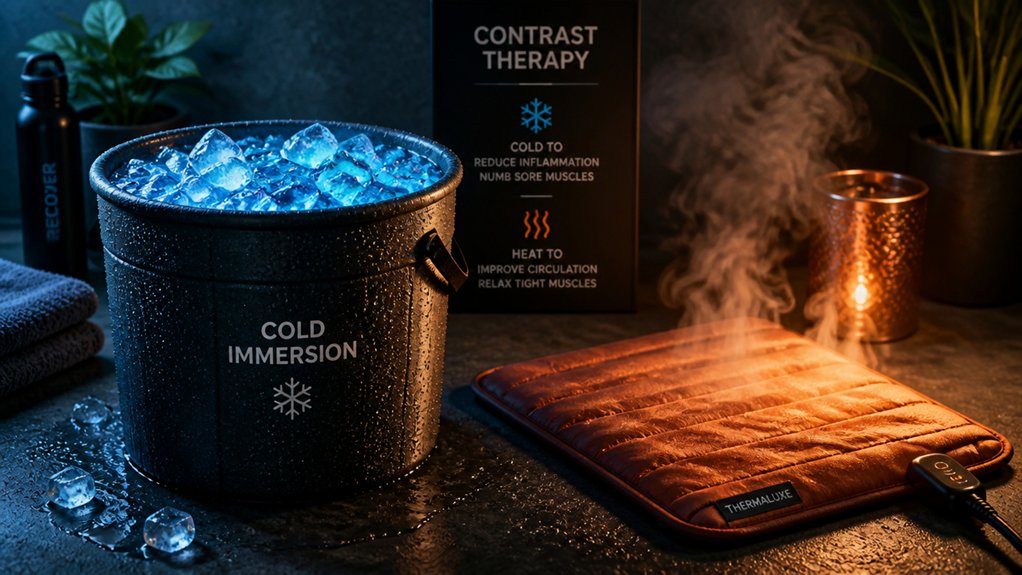
Contrast therapy helps ease muscle soreness by boosting blood flow and reducing inflammation. When you alternate cold and heat treatments for 15-20 minutes, it stimulates cycles of vasoconstriction and vasodilation.
Alternating cold and heat treatments for 15-20 minutes boosts circulation and reduces inflammation to ease muscle soreness.
Cold therapy reduces inflammation and numbs pain caused by microtrauma, alleviating delayed onset muscle soreness (DOMS). Warm therapy promotes muscle relaxation and delivers nutrients by increasing circulation, aiding muscle recovery.
Switching between cold and heat flushes out metabolic waste products and accelerates healing. This method is especially effective for relieving symptoms of DOMS soon after intense exercise.
Because contrast therapy is non-invasive and accessible, it’s an excellent addition to your recovery routine. It enhances blood flow, decreases inflammation, and supports faster recovery, making muscle soreness more manageable.
When and How to Use Cold Plunges and Ice Baths
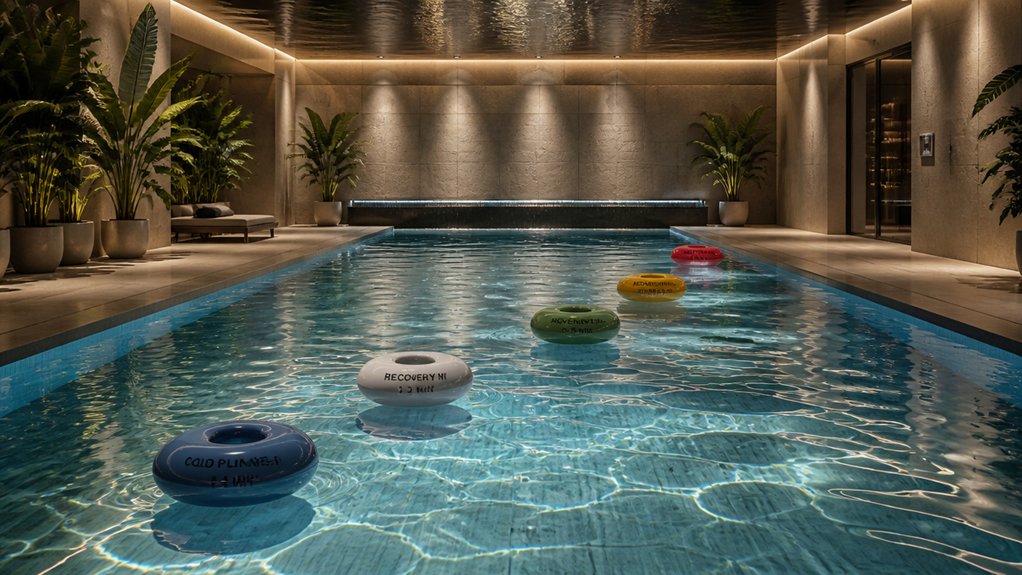
Timing is key when using cold plunges and ice baths to maximize their benefits. For ideal recovery, immerse yourself shortly after intense exercise to reduce inflammation and muscle soreness caused by DOMS.
Cold therapy works best with sessions lasting 10 to 15 minutes at temperatures between 50–59°F (10–15°C). Consider these tips:
- Use cold plunges or ice baths immediately after strenuous workouts for pain relief.
- Avoid cold therapy if you have circulatory issues or cold sensitivity to prevent adverse effects like numbness.
- Combine cold exposure with active recovery, such as light movement, to promote circulation without overstressing your muscles.
Applying cold water immersion at the right time helps numb sore muscles, decrease swelling, and support recovery, but don’t rely solely on it—pair with gradual exercise and active recovery for lasting results.
Applying Heat Therapy to Boost Blood Flow and Relax Muscles
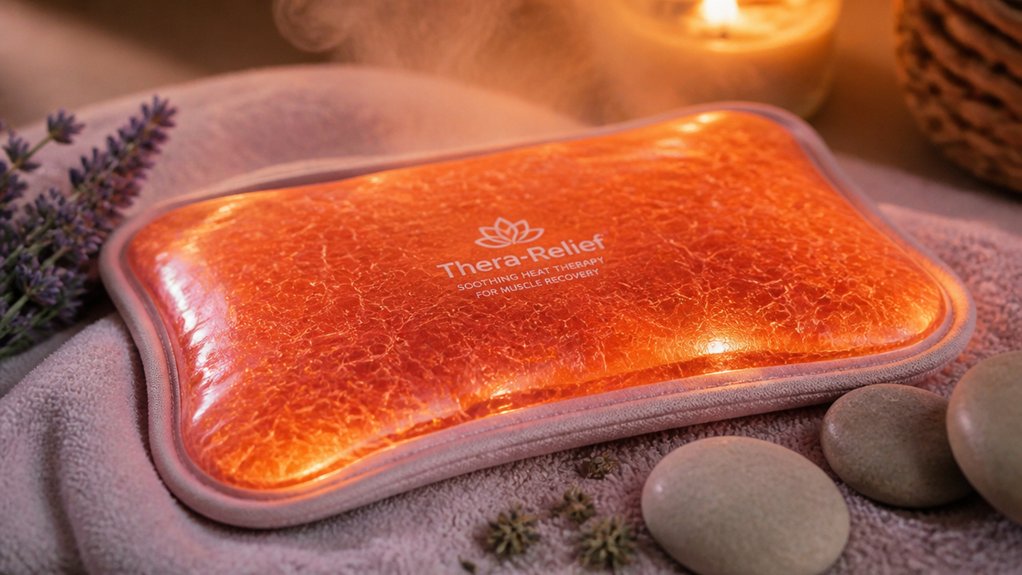
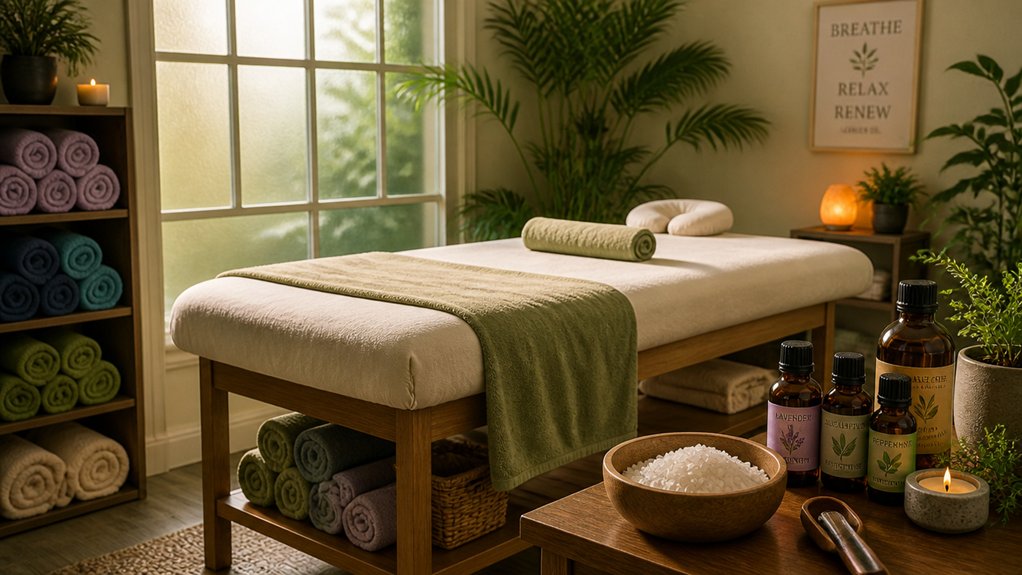
Applying heat therapy can be a highly effective way to boost blood flow and relax tense muscles after the initial recovery period. Warm baths help reduce muscle soreness and tightness, enhancing your range of motion following intense exercise.
Soaking in a warm bath with Epsom salts allows magnesium absorption, which may help alleviate muscle soreness and promote relaxation. Increased blood flow delivers nutrients and removes waste products, supporting muscle repair and recovery from delayed-onset muscle soreness. Using heat therapy after 24-48 hours can decrease pain and discomfort.
Additionally, adjustable heat settings on electric pads can help tailor the therapy to your comfort levels and avoid skin irritation.
For best results, consider contrast therapy—alternating heat and cold—to improve circulation and balance inflammation. Incorporating heat therapy into your recovery routine can greatly ease stiffness and foster quicker muscle healing.
Combining Cold and Heat: Best Practices for Contrast Therapy
To get the most benefits from contrast therapy, you should focus on ideal durations and temperatures that match your tolerance. Remember to cycle between cold and heat safely—typically 3-4 times with each phase lasting 1-4 minutes—and always listen to your body’s signals. Incorporating infrared heat and steam therapy can enhance muscle relaxation and recovery, providing a comprehensive contrast experience while ensuring safety.
Optimal Contrast Durations
Effective contrast therapy involves carefully alternating between cold and heat treatments in short, controlled intervals to optimize recovery. The ideal duration typically totals 15 to 20 minutes, with each cycle lasting 3 to 4 minutes.
During cold treatment, aim for 1 to 3 minutes to decrease inflammation, numb pain, and reduce tissue damage. Follow with 3 to 4 minutes of heat therapy to boost blood circulation, promote muscle relaxation, and facilitate tissue repair.
Repeating these cycles 3 to 4 times amplifies the recovery benefits, easing muscle soreness and accelerating healing. To maximize effectiveness:
- Keep cold exposure short to prevent excessive vasoconstriction
- Limit heat to prevent overheating
- Synchronize timing to balance inflammation reduction with increased blood flow
- Incorporate infrared therapy devices for enhanced deep tissue recovery and relaxation.
Temperature Selection Tips
Choosing the right temperatures for contrast therapy can greatly impact recovery outcomes. Use cold therapy (50–59°F) to reduce inflammation and swelling immediately after exercise, numbing soreness and decreasing pain. Heat therapy, such as warm baths or moist wraps, helps promote blood flow and muscle relaxation, easing stiffness and increasing flexibility. For effective contrast therapy, alternate between cold and heat every 1-3 minutes, totaling 15-20 minutes. Adjust temperatures based on your comfort, ensuring cold isn’t too extreme or prolonged, and heat remains soothing. Remember, cold reduces swelling, while heat encourages circulation. Proper temperature selection enhances waste removal, nutrient delivery, and overall recovery, relieving delayed-onset soreness while avoiding contraindications like excess heat during active inflammation. Incorporating precise chillers ensures consistent plunge temperatures for optimal results.
Safety Precautions to Follow
While contrast therapy can improve recovery and reduce muscle soreness, following proper safety precautions is essential to prevent injury. Always start with cold applications to minimize inflammation, then use heat to boost blood flow and relax muscles, avoiding extreme temperatures.
Limit each session to about 20-30 minutes to reduce skin damage or discomfort and give your skin adequate recovery time. Keep a close eye on your skin response; immediately stop if you experience numbness, redness, or pain to prevent tissue injury.
- Don’t use contrast therapy if you have circulatory issues or skin sensitivity, without consulting a healthcare professional.
- Avoid prolonged exposure to extreme temperatures to protect your skin and underlying tissues.
- Monitor your body’s reactions continuously and adjust or discontinue treatment accordingly.
- Proper insulation and temperature control are crucial for safe and effective contrast therapy, especially when integrating high-powered chillers to achieve precise cold temperatures.
Top Tips for Safe and Effective Contrast Therapy Sessions
To guarantee you get the most benefit and stay safe during contrast therapy, it’s important to follow some key guidelines. Limit each hot and cold phase to 1-3 minutes, alternating in 15-20 minute sessions to optimize muscle recovery.
Starting and ending with the cold phase maximizes anti-inflammatory effects, reducing swelling and preventing excessive inflammation. During the cold phase, blood flow decreases, helping numb soreness, while the hot phase increases blood circulation and relaxes muscles.
Always avoid temperature extremes that cause discomfort. If you have circulatory issues or temperature sensitivities, consult a healthcare provider before beginning contrast therapy. Incorporate alternate baths carefully, and listen to your body, adjusting duration if needed to guarantee safety and effectiveness. Additionally, using reliable temperature measurement tools can help ensure accurate and safe temperature management throughout your sessions.
Enhancing Recovery: Contrast Therapy Plus Other Techniques
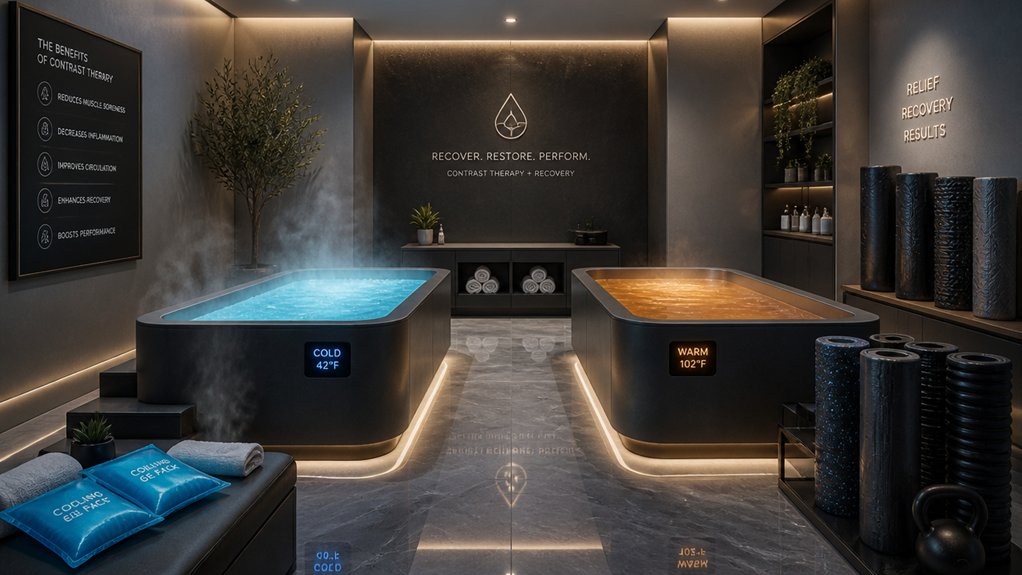
Using contrast therapy can boost your recovery by improving circulation and reducing muscle stiffness.
To get the most benefit, combine it with gentle activities like stretching, foam rolling, or self-massage. Staying well-hydrated and gradually increasing exercise intensity also play key roles in easing delayed-onset soreness. Incorporating temperature therapy into your routine can further optimize recovery by targeting inflammation and muscle pain.
Contrast Therapy Benefits
Contrast therapy enhances muscle recovery by alternating cold and heat treatments, which stimulate blood flow and help reduce soreness. During cold exposure, vasoconstriction slows blood flow, calming muscles and decreasing DOMS, while heat application causes vasodilation, increasing circulation to flush out waste products.
This cycle accelerates muscle repair and reduces stiffness. Combining contrast therapy with techniques like foam rolling or light exercise can further boost recovery by relieving tightness and improving mobility.
Additionally, taking an ice bath followed by a warm bath maximizes circulation benefits. Keep these points in mind:
- Cold therapy limits inflammation and pain by constricting blood vessels
- Heat application promotes nutrient delivery and muscle relaxation
- Alternating hot and cold treatments optimizes muscle recovery and soreness relief
- Using firm support foam rollers can enhance deep tissue relief during recovery routines
Additional Recovery Techniques
Enhancing muscle recovery involves more than just contrast therapy; incorporating techniques like foam rolling, light exercise, and relaxation methods can substantially boost results.
Using a foam roller or engaging in self-massage stimulates circulation, helping to relieve muscle tension and decrease soreness. Light cardio, such as walking or swimming, enhances blood flow, promoting nutrient delivery and faster recovery. Warm baths with Epsom salts support magnesium absorption, which can reduce inflammation and relax muscles post-exercise.
Wearing compression garments after your workout slows fatigue and decreases swelling, helping to lessen DOMS severity. Combining these recovery techniques with contrast therapy creates an all-encompassing approach—improving blood flow, reducing soreness, and supporting quicker muscle repair, so you get back to your training stronger and faster.
When to Consult a Healthcare Professional About Persistent Soreness
Persistent muscle soreness that lasts beyond a week or considerably interferes with your daily activities signals it’s time to see a healthcare professional.
Persistent muscle soreness lasting over a week warrants professional medical evaluation.
If you experience severe pain, sharp muscle spasms, numbness, or weakness alongside soreness, seek immediate medical advice. Persistent soreness that doesn’t improve despite rest may indicate muscle strain or injury requiring evaluation. Worsening soreness, reduced range of motion, or impaired muscle function also justify professional care.
Consider consulting a healthcare professional if you notice:
- Symptoms of rhabdomyolysis or compartment syndrome, such as dark urine or severe limb swelling
- Frequent or intense delay-onset soreness unresponsive to usual treatments
- Signs suggesting serious underlying conditions
Early assessment can help prevent complications and determine the need for physical therapy or other interventions.
Frequently Asked Questions
How to Speed up Delayed Onset Muscle Soreness?
You can speed up delayed onset muscle soreness by engaging in gentle activity like walking or yoga, applying cold or heat therapy, massaging or foam rolling, staying well-hydrated, and ensuring you get enough sleep to promote muscle recovery and reduce pain.
How Do You Fix Delayed Onset Muscle Soreness DOMS?
You fix DOMS by resting and engaging in gentle activities like walking or yoga to boost blood flow. Apply cold packs, massage, stay hydrated, and eat protein-rich foods to promote muscle repair and reduce soreness effectively.
Does DOMS Ever Go Away?
Yes, DOMS eventually goes away. You’ll notice pain and soreness decrease gradually over several days as your muscles recover and adapt. Rest, gentle movement, hydration, and proper nutrition help speed up this natural healing process.
When Is DOMS the Worst?
You’ll find DOMS is the worst around 48 hours after your intense or unfamiliar workout, especially if you did eccentric exercises, sudden volume increases, or new movements that strain your muscles beyond their usual capacity.