Contrast therapy, like ice baths combined with heat, boosts mental resilience by regulating stress hormones, improving circulation, and strengthening your mind-body connection. Cold immersion reduces inflammation and activates endorphins, while heat relaxes muscles and supports relaxation. Alternating between cold and heat trains your nervous system to handle stress better over time. To learn step-by-step techniques, safety tips, and ways to personalize your routine, keep exploring how contrast therapy can transform your mental toughness.
What Is Contrast Therapy and Why Does It Work?
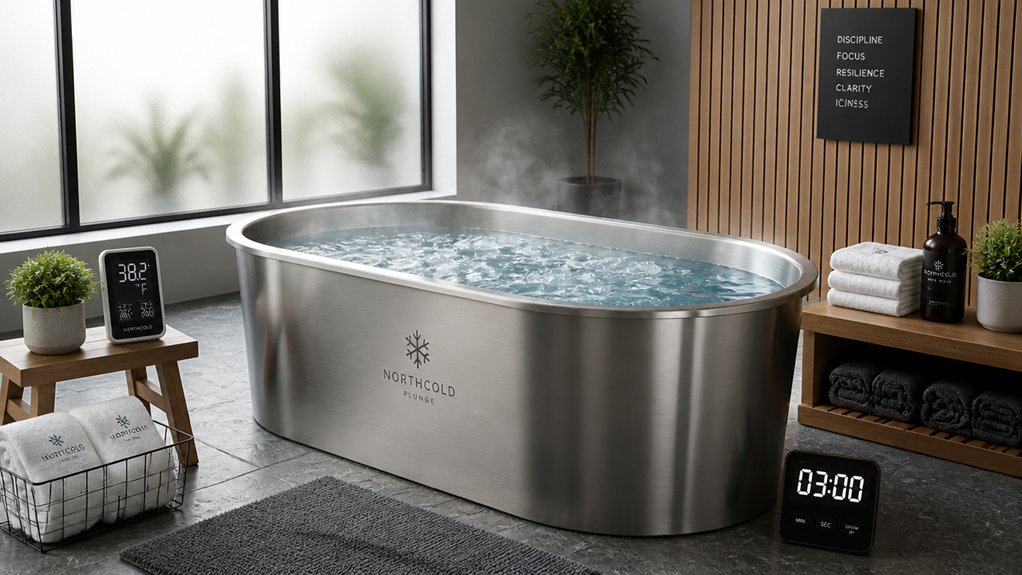
Have you ever wondered why alternating between hot and cold therapies can boost your recovery and mental resilience? That’s the core of contrast therapy. It involves switching between cold immersion—like ice baths at 50–59°F—and heat therapy, such as sauna sessions. Cold exposure causes vasoconstriction, narrowing blood vessels and reducing inflammation and swelling. Then, switching to heat induces vasodilation, expanding vessels to flush out metabolic waste and deliver oxygen-rich blood. This repeated cycle enhances circulation, speeding muscle recovery and boosting mental relaxation. Efficient chillers equipped with smart-home compatibility and rapid cooling features make it easier to incorporate contrast therapy into your routine. Effective contrast therapy typically involves brief exposures—about 5–15 minutes each—to maximize benefits without over-stressing your body. When combined with proper hydration, nutrition, and rest, contrast therapy becomes a powerful tool for building resilience both physically and mentally.
The Science Behind Cold and Hot Immersion Benefits
Understanding how cold and hot immersion therapies benefit your body requires exploring their physiological effects. Cold water therapy causes vasoconstriction, reducing inflammation, and metabolic activity, followed by vasodilation to flush out waste and aid muscle recovery (50–59°F, 5–15 minutes). Heat immersion relaxes muscles and reduces stiffness, alleviating chronic pain. Contrast therapy combines cold plunges and hot sauna sessions, enhancing vascular recovery by alternating vasoconstriction and vasodilation, boosting circulation and heart health. Cold exposure activates brown adipose tissue for thermogenesis, while heat helps with relaxation. These therapies also modulate stress hormones like cortisol and catecholamines, strengthening mental resilience. Additionally, filtration systems like ozone purification and metal mesh filters maintain water quality, ensuring safe and effective therapy sessions. Here’s a quick overview:
| Effect | Cold Water Therapy | Hot Immersion | Contrast Therapy |
|---|---|---|---|
| Vasoconstriction | Reduces inflammation and metabolic activity | – | Alternates vasoconstriction/dilation |
| Recovery | Promotes muscle and metabolic waste removal | Supports relaxation and flexibility | Enhances circulation and recovery |
| Stress Response | Regulates stress hormones | Reduces stiffness and pain | Builds stress tolerance |
| Thermogenesis | Activates brown fat | Supports muscle relaxation | Combined effects |
How Contrast Therapy Boosts Recovery and Mental Resilience

Contrast therapy boosts your recovery and mental resilience by improving circulation through rapid temperature changes that stimulate vasoconstriction and vasodilation. These shifts also enhance your body’s stress response, helping you adapt better to external pressures. Regular practice builds both physical recovery and mental toughness over time. Incorporating infrared heat and steam from portable saunas can further augment the benefits by supporting deep tissue relaxation and detoxification.
Enhances Circulatory Efficiency
Alternating between cold and warm therapies greatly boosts your circulatory efficiency by causing repeated vasoconstriction and vasodilation. Contrast therapy triggers these blood vessel responses, promoting a vascular pumping action that flushes out metabolic wastes and delivers nutrients more effectively to your muscles.
This process speeds up inflammation removal, reducing soreness and enhancing recovery. The improved blood flow also supports your autonomic nervous system, helping balance stress responses and promote relaxation.
As you regularly practice contrast therapy over 4–6 weeks, your cardiovascular system adapts, increasing resilience to physical and psychological stressors. Combining ice baths with heat exposure creates dynamic circulatory shifts that outperform passive rest, ultimately strengthening both your physical recovery process and mental focus. Including efficient filtration systems can further optimize water quality and circulation during cold plunge routines.
Supports Stress Adaptation
Engaging in contrast therapy regularly trains your autonomic nervous system to handle stress more effectively. Cold exposure triggers your stress response, prompting vasoconstriction and vasodilation that improve vascular recovery and reduce inflammation.
Cold therapy also boosts mental resilience by activating endorphin release and balancing stress hormones like cortisol, supporting emotional stability. Repeating cold immersion conditions your nervous system to adapt to stress, increasing your stress tolerance and enhancing focus and alertness.
When combined with heat exposure, like sauna sessions, the process becomes even more effective, promoting recovery and resilience. Controlled breathing during ice baths further mitigates cold shock, strengthening your mind-body connection.
Consistent contrast therapy, two to four times weekly, optimizes recovery while helping you develop a stronger, more adaptable stress response adaptogen synergy.
How to Safely Practice Contrast Therapy at Home
Start by preparing a safe, comfortable space with easy access to warm and cold water, ensuring your water temperatures stay within recommended ranges.
As you begin, monitor how your body responds to each change, easing into cold water gradually to prevent shock.
Remember to adjust temperatures slowly and keep total cold immersion under 15 minutes, listening to your body’s signals throughout.
To enhance safety and maintain water quality, consider incorporating water treatment solutions regularly during your contrast therapy sessions.
Preparing Your Space
Creating a dedicated space for contrast therapy guarantees safety and smooth shifts between cold and warm exposures. You’re setting the stage for your first session by ensuring that the cold plunge is kept between 50–59°F (10–15°C) and that you have easy access to a warm sauna or hot bath. Use a reliable thermometer and timer to maintain precise temperature control and monitor session length, starting with 5-minute cold immersions. Prepare warm clothes, towels, and a space for gradual rewarming afterward, avoiding immediate hot showers to promote natural vasodilation. Incorporate breathing exercises like box breathing or Wim Hof breathing to manage cold shock and stay focused during your session. Additionally, selecting a thermometer with accurate temperature sensors ensures consistent safety during each use.
| Cold Area | Warm Area |
|---|---|
| Non-slip mats for safety | Towels and warm clothes |
| Thermometer for precise control | Hot bath or sauna setup |
| Rewarming spot for gradual start | Relaxing environment |
| Timer to monitor duration | Comfortable seating |
Monitoring Body Responses
Monitoring how your body responds during contrast therapy helps guarantee safe and effective practice at home. Ice baths work by triggering vasoconstriction, so it’s important to monitor physical signals like excessive shivering, numbness, dizziness, or confusion to prevent hypothermia or autonomic conflict.
Use a thermometer to keep the water temperature between 50–59°F and a timer to track immersion duration, which shouldn’t exceed 15 minutes. Pay attention to how your body reacts and adjust the temperature or duration gradually over weeks. Always listen to your signals—if you experience discomfort, exit immediately.
Regular calibration of your thermometer ensures that your readings remain precise, helping you maintain safe temperatures during sessions for accurate immersion. After cold exposure, dry quickly, dress warmly, and avoid hot showers for 10–15 minutes to promote natural rewarming and proper vascular recovery. Record your sensations and reactions for safe progress and customization.
Gradual Temperature Adjustment
Practicing contrast therapy safely at home involves gradually adjusting water temperatures and exposure times to allow your body to adapt without stress.
Begin with gradual cold immersion by alternating between cold water (50–59°F/10–15°C) and warm water, starting with 1–2 minutes of cold followed by 2–3 minutes of warmth. Focus on adaptation by gradually increasing durations over weeks, ensuring your body adjusts comfortably.
Start with cold water on your legs, then progress to full-body immersion, keeping hands and head out initially to reduce shock. Use a thermometer to monitor temperature carefully, preventing thermal stress or injury.
After cold exposure, let your body rewarm naturally by drying off and dressing warmly, promoting controlled vasodilation and steady recovery. Track sensations and durations to fine-tune your process smoothly.
Step-by-Step: How to Incorporate Contrast Therapy Into Your Routine
Incorporating contrast therapy into your routine involves a simple but intentional sequence of cold and hot exposures designed to boost resilience and recovery. Start with cold water immersion in water between 50–59°F for 5–10 minutes to initiate vasoconstriction.
Follow this with 10–15 minutes in a sauna or hot bath to trigger vasodilation. Repeat the cycle 2–3 times, ensuring smooth shifts and listening to your body. Use controlled breathing techniques like box breathing or Wim Hof to manage cold shock and enhance stress tolerance.
Schedule these sessions 2–4 times weekly after workouts, aiming to reduce inflammation, promote muscle recovery, and strengthen mental resilience. Always dry off promptly and allow natural rewarming to optimize circulatory benefits.
Choosing the Right Equipment for Cold and Hot Immersion
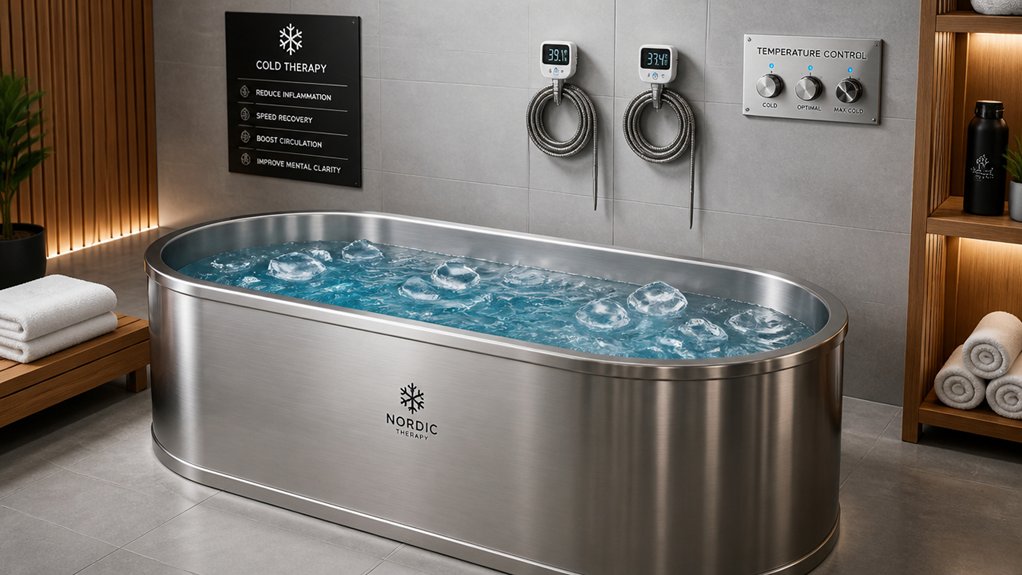
When selecting equipment for cold and hot immersion, focus on quality and durability to guarantee long-term use.
Consider temperature control features to make your sessions safe and consistent, and evaluate space and installation requirements to fit your home setup.
Investing in reliable, user-friendly gear will enhance your routine and support ongoing mental resilience.
Equipment Quality and Durability
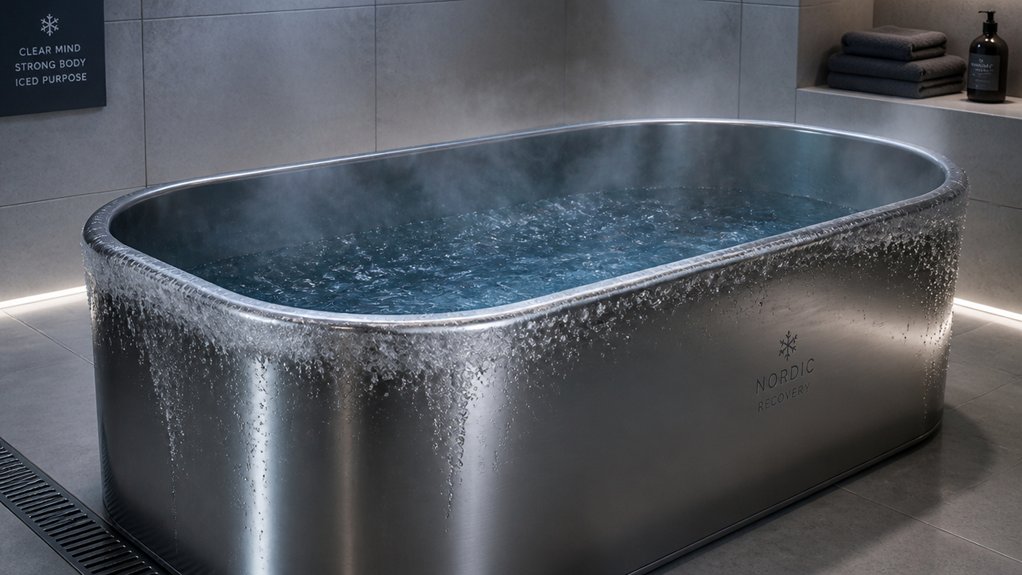
Choosing the right equipment for cold and hot immersion hinges on quality and durability. You want ice baths or Cold Plunges built from durable materials like thick, insulated acrylic or heavy-duty polyethylene, ensuring long-term resistance to cracking, warping, and thermal stress.
Reliable temperature controls are essential—they allow you to set precise water temperatures, typically between 50–59°F (10–15°C), for consistent therapeutic effects. Equipment with built-in chillers or heaters makes it easier to switch between ice baths and hot therapies, enhancing your contrast therapy routine.
Safety features like non-slip surfaces and ergonomic designs improve comfort and reduce risks during entry and exit.
Investing in high-quality, professionally designed cold plunge tubs with advanced filtration minimizes maintenance, supporting regular use for improved mental resilience.
Temperature Control Features
Effective temperature control features are essential for maximizing the benefits of cold and hot immersion therapy. A cold plunge with precision temperature control keeps water consistently between 50–59°F (10–15°C), ensuring safe, effective sessions without cold shock or hypothermia risks.
Advanced cold plunge tubs with integrated chillers maintain stable cold temperatures longer, reducing the need for constant ice addition. Equipment with dual-temperature controls supports contrast therapy, promoting vascular recovery and mental resilience through temperature variability.
Digital thermostats and real-time temperature monitoring allow you to customize immersion temperatures, facilitating gradual acclimation and personalized progress. Additionally, safety features like non-slip surfaces, insulated walls, and ergonomic designs enhance comfort and reduce risk, encouraging consistent practice critical for building mental toughness.
Space and Installation Needs
Is your available space suitable for a cold or hot immersion setup? When planning your wellness routine, consider the space needed for Whole Body cold and hot immersion.
For cold setups, options range from DIY tubs and stock tanks to advanced chiller-equipped cold plunge tubs that keep temps between 50–59°F (10–15°C). Ensuring proper space means providing non-slip flooring, easy access, and enough room for safe entry and exit, especially if you’re combining with a sauna or hot immersion.
Integrated home systems need proper ventilation, electrical, and drainage setups. If space is limited, portable cold plunges or smaller tubs offer flexibility, making it easier to fit cold therapy into your wellness routine without requiring large dedicated rooms.
How Contrast Therapy Accelerates Muscle Recovery and Reduces Soreness
Contrast therapy accelerates muscle recovery by actively alternating between cold and heat exposures, which boosts blood flow and enhances the body’s natural healing processes.
Alternating cold and heat boosts blood flow, accelerating muscle recovery and enhancing healing.
When you switch from ice baths to heat, you trigger vasoconstriction and vasodilation, effectively flushing out metabolic waste and delivering essential nutrients. This cycle reduces inflammation and diminishes muscle soreness more efficiently than just cold or heat alone.
Here are key benefits:
- Promotes vasodilation for improved circulation
- Expels metabolic waste from muscles
- Speeds up repair with increased oxygen delivery
- Reduces stiffness and soreness promptly
Using contrast therapy, especially with ice baths, supports faster recovery, helping you bounce back quicker from intense exercise and minimize discomfort afterward.
Using Hot and Cold Alternations to Improve Focus and Emotional Balance
Alternating between hot and cold therapies can greatly boost your focus and emotional balance by stimulating your body’s natural stress regulation systems. Contrast therapy, which includes cold immersion and hot sauna sessions, activates the autonomic nervous system, helping you regulate emotional responses and reduce stress.
The cycles of vasoconstriction and vasodilation improve blood flow and nutrient delivery, enhancing mental focus. These rapid physiological shifts also trigger endorphin release, supporting mood stability and emotional resilience.
Regularly practicing hot-cold alternations (2–4 times weekly) strengthens your ability to manage stress over time. This combined effect fosters a deeper mind-body connection, sharpens your focus, and promotes emotional stability, making contrast therapy a powerful tool for enhancing mental resilience.
Common Mistakes to Avoid When Starting Contrast Therapy
Starting contrast therapy without proper precautions can pose serious health risks, so it’s essential to recognize common mistakes beginners often make.
Avoid common mistakes to ensure safe and effective contrast therapy experiences.
First, avoid plunging abruptly into extremely cold water below 50°F (10°C); this can trigger dangerous cold shock responses. Second, avoid hot showers beforehand, which can interfere with the therapy’s benefits. Third, always monitor your water temperature; skipping a thermometer might result in immersion warmer than 59°F (15°C), reducing effectiveness.
Fourth, don’t jump into cold water immediately after exercise when your heart rate is elevated, as this increases cardiovascular stress. Additionally, never ignore safety measures like entering water slowly or using non-slip mats, as sudden immersion heightens panic and injury risk.
Proper preparation helps you experience the benefits safely and effectively.
Personalize Your Contrast Therapy Routine for Best Results
To get the most out of your contrast therapy, it’s important to tailor the routine to your individual needs and responses. Personalize your contrast therapy by gradually adjusting your ice bath temperature from 55–59°F in week one down to 50–55°F by week three, while monitoring your body’s recovery and comfort.
Customize session duration and frequency based on your training load—start with 5-minute immersions and build up to 10–15 minutes, practicing 2–4 times per week for ideal muscle recovery and inflammation reduction. Incorporate sauna or heated environments to create vascular contrast routines that boost blood flow and detoxification, adapting to your tolerance.
Track your recovery, mood, and physical sensations post-session to fine-tune your routine over time for the best results.
Combining Contrast Therapy With Meditation and Breathing Techniques
Integrating contrast therapy with meditation and breathing techniques amplifies both physical recovery and mental resilience. When you alternate ice baths with saunas while practicing controlled breathing, you balance your nervous system’s sympathetic and parasympathetic responses.
Alternating ice baths and saunas with breathwork boosts recovery, mental resilience, and nervous system balance.
This synergy enhances vascular recovery and emotional regulation.
Consider these benefits:
- Wim Hof’s breathwork during cold exposure helps regulate your cold shock response and stress tolerance.
- Meditation calms your vagus nerve, strengthening prefrontal cortex control over fear responses.
- Steady breathing during cold immersion maintains oxygen levels, reducing panic and enabling longer sessions.
- Combined routines promote endorphin release, easing mood and building mental toughness.
Future Trends in Contrast Therapy for Mental Resilience
Future trends in contrast therapy for mental resilience are centered on harnessing advanced technologies and personalized protocols to optimize both physical recovery and emotional stability. You’ll see more precise temperature-controlled cold plunges combined with sauna sessions, targeting vascular recovery and balancing your autonomic nervous system.
Integrating contrast therapy with guided breathwork and meditation will boost neurobiological stress adaptation and mood regulation. Emerging smart home recovery systems will track your physiological responses, allowing data-driven adjustments for better mental health outcomes.
Researchers are also exploring the synergy between cold therapy, red light therapy, and neurofeedback to improve brain network connectivity and emotional regulation. Future protocols will fine-tune timing and intensity to strengthen stress resilience, enhance cognitive function, and manage conditions like PTSD and anxiety more effectively.
Frequently Asked Questions
Can Contrast Therapy Be Effective for Anxiety Management?
Contrast therapy can help manage anxiety by stimulating your nervous system and promoting relaxation. You might find alternating hot and cold exposures reduces stress, boosts mood, and improves your overall mental resilience with consistent practice.
How Long Should Each Cold and Hot Immersion Session Last?
You should aim for cold immersion sessions of 2 to 5 minutes and hot baths lasting 10 to 20 minutes, ensuring comfort and safety. Always listen to your body, gradually increasing durations as you become more accustomed.
Are There Specific Health Conditions That Contraindicate Contrast Therapy?
You shouldn’t use contrast therapy if you have heart issues, blood pressure problems, or circulation concerns. Always consult your doctor first, especially if you’re pregnant, have diabetes, or suffer from nerve or skin conditions before starting contrast therapy.
How Does Breathing Technique Improve the Benefits of Cold Exposure?
Breathing techniques enhance cold exposure by helping you control your body’s response, reducing shock and discomfort, increasing oxygen flow, and promoting relaxation. This allows you to stay calmer, extend exposure time, and maximize mental resilience benefits effectively.
What Psychological Benefits Are Associated With Regular Ice Bath Practice?
Regular ice bath practice boosts your mental resilience by reducing stress, increasing focus, and enhancing mood. It trains your mind to stay calm under pressure, builds discipline, and fosters a sense of achievement and control.