After a cold plunge, you can reduce joint pain by applying cold therapy immediately, then gently warming to boost circulation. Use compression sleeves and elevate joints to decrease swelling. Incorporate gentle stretches and low-impact exercises like walking or cycling to restore mobility. Over-the-counter NSAIDs or topical treatments may help, but always follow dosage instructions. For persistent pain, knowing when to seek medical advice is key. Keep exploring tips to manage your joint health effectively.
Why Your Joints Hurt After a Cold Plunge: Causes and Symptoms
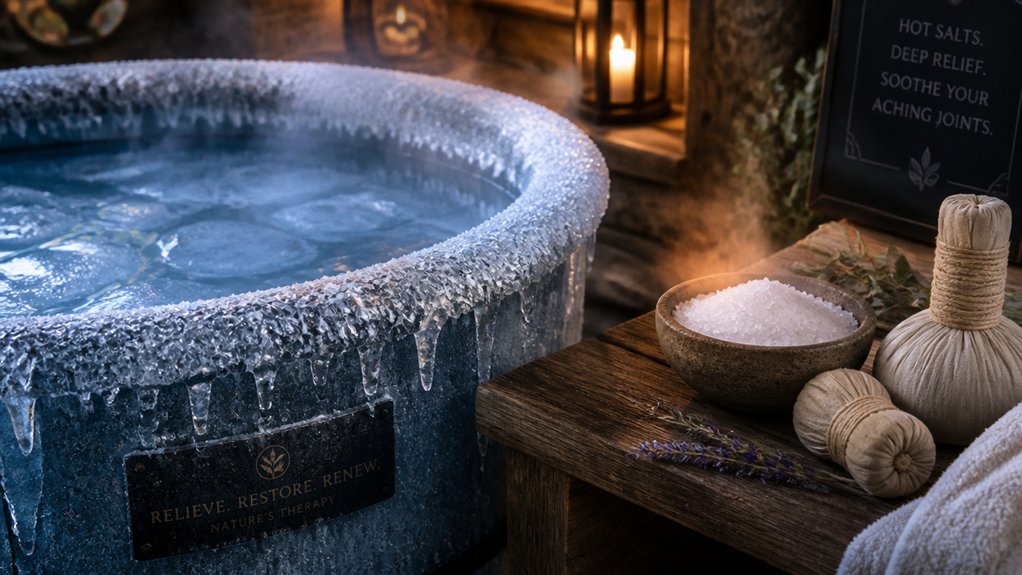
Have you ever wondered why your joints ache after a cold plunge? When you immerse yourself in cold water, vasoconstriction occurs, reducing blood flow to your joints. This temporary constriction can cause stiffness and joint pain as circulation slows down. Cold exposure also slows nerve signals, leading to numbness followed by soreness as blood flow resumes. If your plunge is prolonged or water is very cold—below 50°F—you might notice symptoms like stiffness, swelling, or aching within a couple of hours. For those with arthritis or existing joint issues, the cold can intensify inflammation and trigger pain flare-ups. Cold plunges can be beneficial, but understanding these effects helps you manage post-immersion discomfort and avoid aggravating underlying conditions. Proper compression therapy, like using cold therapy knee sleeves, can support recovery and reduce soreness after cold exposure.
How to Use Cold and Warm Therapy Strategies for Joint Pain Relief
Wondering how to effectively use cold and warm therapy to ease joint pain? Start with cold therapy immediately after flare-ups by applying ice packs or cold immersion for 3-5 minutes to reduce swelling and numb nerve endings.
Follow this with gradual warming techniques, like warm compresses or infrared saunas, to boost blood flow and improve mobility. Incorporate contrast therapy by alternating between cold immersion (50–59°F for 3-5 minutes) and warm applications (10-15 minutes) to stimulate circulation and reduce stiffness.
Always limit cold exposure to about 10 minutes per session and make certain joints are dried afterward. Rewarm slowly with gentle movement or warm towels to prevent hypothermia and support tissue healing. Using the correct heat lamp setup can ensure safe and effective warming, especially when targeting deep tissues.
Repeat this process 2-3 times weekly, adjusting based on your comfort and response.
Gentle Stretches to Reduce Stiffness and Improve Flexibility
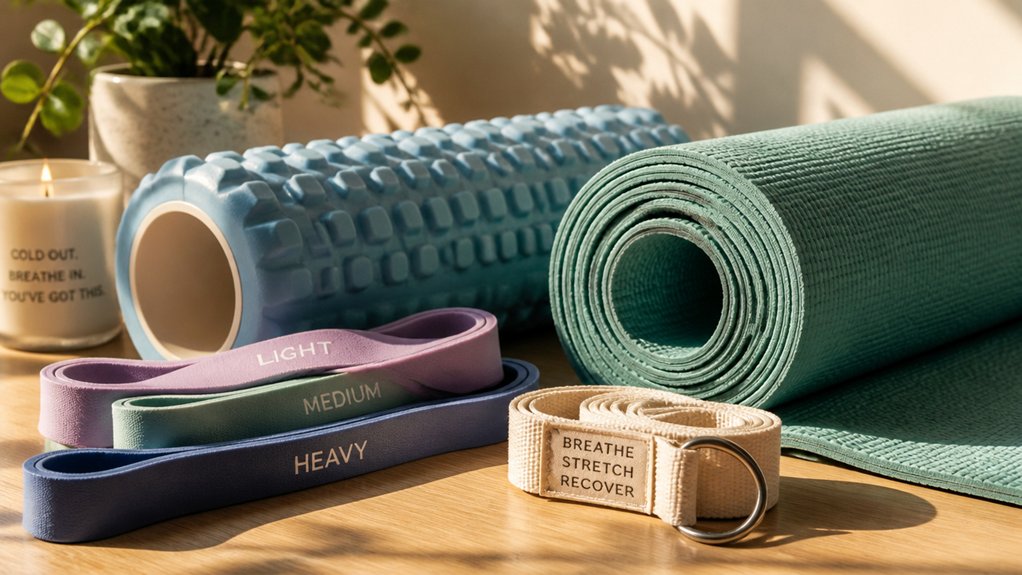
After a cold plunge, gentle stretches are essential for easing stiffness and enhancing flexibility. These stretches promote blood flow, helping to reduce stiffness caused by cold-induced vasoconstriction. Using appropriate ice bath capacity and ensuring the right depth can maximize the benefits of post-plunge stretching. Focus on slow range-of-motion movements like wrist circles, ankle rotations, and gentle knee bends to avoid sudden strain on cold joints. Keeping stretch sessions around 5–10 minutes allows you to improve mobility without overloading muscles or joints still adjusting to temperature changes. Regular post-plunge stretching helps maintain joint elasticity and can reduce delayed stiffness often experienced after cold immersion. Combining these gentle stretches with light dynamic activities like easy walking or cycling supports gradual rewarming and prevents joints from tightening, ensuring you’re moving comfortably and maintaining overall joint health.
Safely Using Over-the-Counter Anti-Inflammatories for Joint Relief
To safely use OTC anti-inflammatories, you need to follow proper dosage guidelines and take them at the right times. Always administer them with food or milk to reduce stomach upset, and avoid combining multiple NSAIDs unless prescribed.
If your pain persists or worsens, consult a healthcare professional to address potential underlying issues.
Proper Dosage Guidelines
How do you guarantee safe use of over-the-counter anti-inflammatories for joint relief after a cold plunge? First, stick to recommended dosages for pain therapy: ibuprofen (200-400 mg every 4-6 hours), naproxen (220 mg every 8-12 hours), or acetaminophen (500-1,000 mg every 4-6 hours). Avoid exceeding daily limits—1,200 mg for ibuprofen and 660 mg for naproxen—to reduce risks.
In addition, take NSAIDs with food or milk to shield your stomach. Remember, more isn’t always better and can cause unwanted side effects.
To keep safe:
- Use the lowest effective dose for the shortest time needed
- Don’t combine multiple NSAIDs unless advised
- Watch for side effects like stomach pain or bruising
- Be aware that anti-inflammatory balms and creams can also provide localized relief without systemic side effects
This helps you minimize risks and better manage joint pain during recovery.
Timing and Administration
Timing your intake of OTC anti-inflammatories is essential for maximizing joint relief while minimizing risks. After cold plunge therapy, wait about 30 minutes to an hour before taking an OTC anti-inflammatory like ibuprofen or naproxen.
This timing allows the initial vasoconstriction and inflammation reduction from cold therapy to work synergistically with the medication, enhancing pain relief and reducing joint inflammation. Make sure to take your anti-inflammatory with food or a full glass of water to protect your stomach.
Never exceed the recommended dosage, and avoid combining multiple NSAIDs unless advised by a healthcare provider. Monitoring your body’s response is vital to prevent side effects such as stomach upset or bleeding.
Proper timing and administration help you get the most benefit from OTC anti-inflammatories safely after cold plunge therapy.
Managing Side Effects
While OTC anti-inflammatories like ibuprofen and naproxen are effective for reducing joint pain after cold plunge therapy, it’s essential to use them safely to avoid side effects. To minimize risks, stick to the lowest effective dose and avoid exceeding the recommended daily limit.
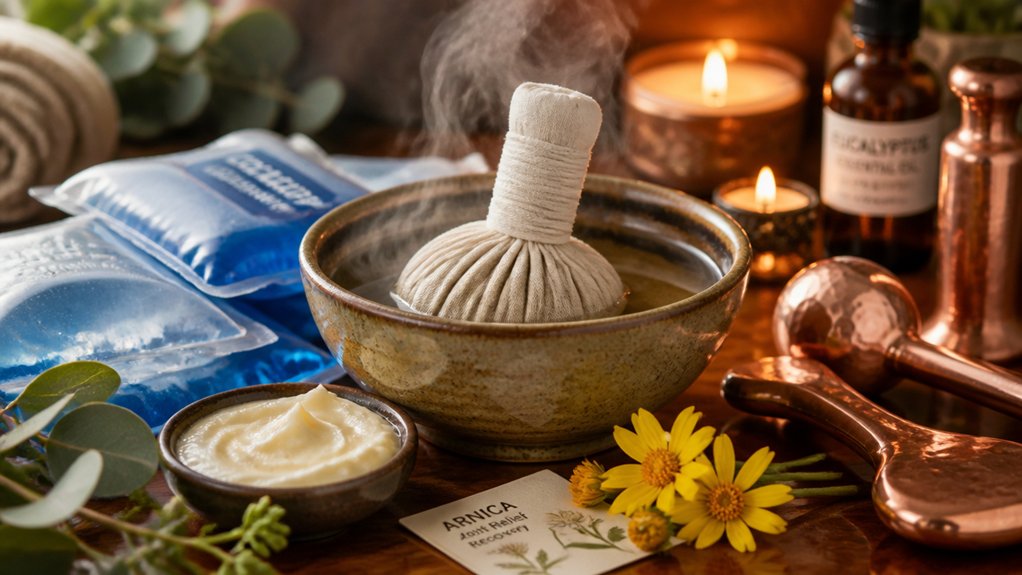
Using products with botanical extracts like arnica and calendula may provide additional soothing benefits and reduce inflammation naturally, complementing OTC medications.
For mild pain, acetaminophen can help but lacks anti-inflammatory properties. Always take NSAIDs with food or milk to reduce stomach irritation, and avoid combining multiple NSAIDs unless directed by a healthcare provider.
Be cautious if you have underlying conditions like hypertension or kidney issues. If you experience persistent joint pain or adverse effects such as stomach pain, dizziness, or unusual bleeding, contact a healthcare provider promptly. Proper management helps you benefit from OTC options safely.
How Compression and Elevation Help Reduce Swelling
Applying compression and elevating your joint are effective methods to reduce swelling after a cold plunge or injury. Compression applies gentle pressure that limits fluid buildup and provides support to damaged tissues, often with elastic bandages or sleeves.
Elevation uses gravity to help drain excess fluid away from the joint and back toward the heart, decreasing pressure and discomfort.
A long-lasting cooling gel integrated into wraps can sustain the cold therapy effect and further aid in inflammation reduction.
Combining these techniques enhances their anti-inflammatory effects, speeding up fluid drainage and calming inflamed tissues. It’s important to make certain compression is snug but not too tight, to avoid restricting blood flow.
Elevate the joint above heart level for maximum benefit. Regularly using compression and elevation after a cold plunge or injury can help minimize swelling, reduce joint stiffness, and improve your overall recovery process.
Rest and Activity Tips for Faster Joint Recovery
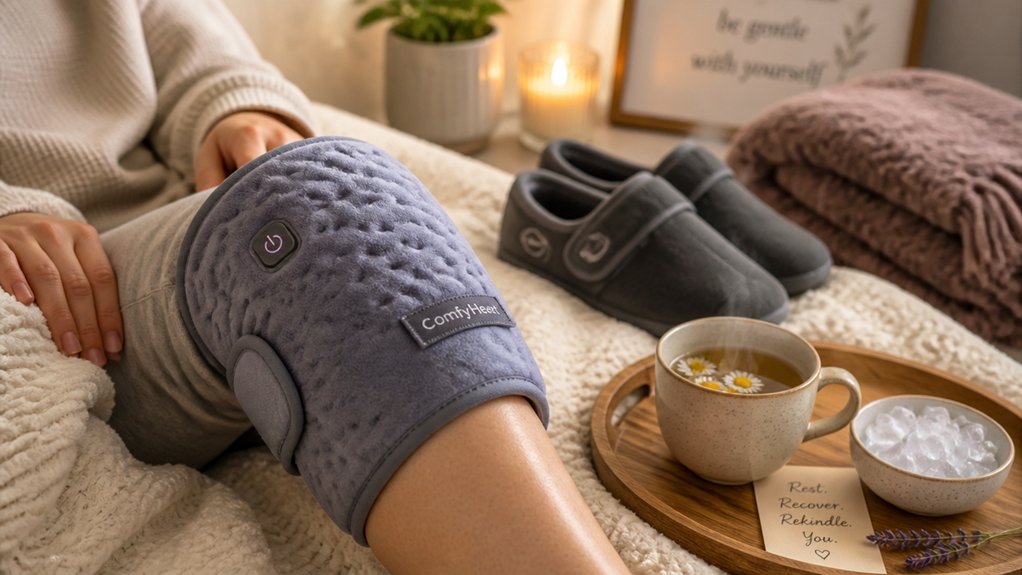
Balancing rest and gentle movement is key to speeding up your joint recovery after a plunge. In addition, incorporating techniques like compression therapy with the right settings can enhance circulation and support healing. Incorporate light activities like walking or stationary biking, but don’t push too hard or stay inactive too long. Using guidance from therapists and gradually resuming intense activities can help your joints heal faster and more safely.
Balance Rest and Movement
Finding the right balance between rest and movement after cold plunge therapy is essential for joint recovery. Too much rest can lead to stiffness, while excessive activity may worsen inflammation.
To effectively balance rest and movement, consider:
- Taking periodic rest breaks during activity to avoid overuse
- Engaging in gentle, joint-friendly physical activity like walking or swimming
- Avoiding prolonged inactivity to reduce swelling and maintain mobility
- Incorporating proper recovery tools such as foam rollers with firm support to enhance circulation and reduce muscle tension foam roller support.
Light movement supports healing by increasing circulation and delivering nutrients to your joints. Rest helps reduce swelling and discomfort, but staying inactive too long can delay recovery.
Pay attention to your body’s signals and adjust your activity levels accordingly. By carefully balancing rest and movement, you’ll promote faster healing and relieve joint pain more effectively.
Incorporate Gentle Exercises
Incorporating gentle exercises into your post-cold plunge routine can considerably enhance joint recovery. These gentle exercises, like walking, swimming, yoga, or stationary cycling, help improve joint strength, flexibility, and range of motion.
It’s important to balance rest with light activity by taking periodic breaks to prevent stiffness. Engaging in 10 minutes of easy cycling or gentle stretching after a plunge promotes circulation and speeds up joint mobility recovery.
Avoid overdoing it; gradually increase activity intensity, allowing 20 to 45 minutes for your nerves and muscles to rewarm before adding more strenuous exercises.
Collaborate with a physical or occupational therapist to develop a safe, tailored post-plunge exercise plan that accounts for your joint condition and pain levels, ensuring effective and gentle recovery.
Natural Remedies and Topical Treatments for Joint Pain
Natural remedies and topical treatments offer effective, targeted options for managing joint pain, especially after cold plunge sessions. These approaches work directly on the body to help reduce pain and inflammation.
You can try:
- Capsaicin creams to deplete substance P, blocking pain signals at the nerve level.
- Topical NSAIDs like diclofenac gel, providing localized anti-inflammatory effects without systemic side effects.
- Counterirritants such as menthol or salicylate-based creams, which create cooling or warming sensations to distract from joint pain temporarily.
Applying these treatments after your cold plunge sessions can enhance pain relief and reduce the need for oral medications. They offer a focused, local approach to ease joint discomfort and support your recovery.
When to Seek Medical Help for Persistent or Severe Pain
If your joint pain lasts more than a few days or worsens, it’s time to see a healthcare professional. Be alert for signs like swelling, redness, warmth, or fever, which can indicate infection or inflammation.
Seek urgent care if you experience numbness, color changes, chest discomfort, or difficulty breathing after cold plunge sessions.
Recognizing Warning Signs Early
Recognizing warning signs early can be essential in preventing further injury or complications after cold plunge therapy. If you notice persistent joint pain lasting over 48 hours or worsening, it’s time to seek help.
Be alert for symptoms like:
- Redness, swelling, or warmth around the joint
- Fever or severe inflammation
- Numbness, tingling, or skin color changes
These signs could signal underlying issues such as infection, inflammation, or nerve problems that require prompt medical attention.
Severe joint stiffness or limited range of motion beyond temporary effects also warrant evaluation. Ignoring these warning signs might lead to prolonged injury or complications, especially if symptoms resemble those of arthritis flare-ups or other underlying conditions.
When in doubt, consult with a healthcare professional to prevent further damage.
When to Consult Specialists
Knowing when to see a healthcare professional is essential if your joint pain from cold plunge therapy doesn’t improve or worsens after a few days. If joint pain persists despite self-care or you notice swelling, redness, warmth, or stiffness affecting mobility, seek a specialist evaluation. Immediate medical help is necessary if joint pain accompanies systemic symptoms like fever, weight loss, or severe functional impairment. Patients with autoimmune conditions should consult a rheumatologist for tailored management. If pain remains unresponsive to conservative treatments, imaging or interventional assessment might be required. Here’s when to consult healthcare providers:
| Symptom | Recommended Action | Specialist Evaluation Needed |
|---|---|---|
| Persistent joint pain >few days | Consult healthcare provider | Yes |
| Swelling, redness, warmth | Seek immediate care | Yes |
| Systemic symptoms (fever) | Seek urgent medical attention | Yes |
| Autoimmune disease history | Rheumatologist consultation | Yes |
Create a Long-Term Routine to Manage Joint Pain Effectively
Creating a sustainable routine for managing joint pain involves a combination of targeted exercises, lifestyle modifications, and complementary therapies. Incorporating cold water therapy, like cold plunges, can be a good addition 2–3 times weekly to reduce inflammation and promote recovery.
Incorporate cold plunges 2–3 times weekly to help reduce inflammation and support recovery.
Working with a physical therapist helps tailor exercises that strengthen muscles around your joints, improving flexibility and minimizing pain.
To paint a clearer picture:
- Engage in low-impact aerobic activities such as swimming or cycling to keep joints mobile
- Maintain a healthy weight through balanced nutrition to reduce joint stress
- Use adjunct therapies like topical NSAIDs or natural supplements alongside cold plunges for all-encompassing relief
Monitor your pain levels and adjust your routine accordingly, incorporating rest and ergonomic aids for long-term joint health.
Lifestyle Changes and Physical Therapy Tips for Optimal Joint Health
Adopting healthy lifestyle habits and utilizing targeted physical therapy techniques can greatly enhance joint health and reduce pain. Incorporate cold plunges to reduce inflammation and soothe sore joints, especially after activity.
Therapy for pain relief often includes low-impact exercises like walking, swimming, and yoga, which improve flexibility, strength, and mobility while easing chronic pain. Physical therapy helps tailor exercises and recommend assistive devices to lessen joint stress and boost daily function.
Maintaining a healthy weight, even modest weight loss of 20% or more, decreases joint load and inflammation, especially in weight-bearing joints like the knees. Additionally, practicing proper posture and ergonomic habits minimizes mechanical stress and prevents further damage.
Balancing activity with rest and stretching promotes joint health and ideal pain management.
Frequently Asked Questions
Why Do My Joints Hurt After a Cold Plunge?
Your joints hurt after a cold plunge because vasoconstriction temporarily reduces blood flow, causing stiffness and discomfort. Rapid cooling triggers muscle tightness, and improper warming can delay circulation, all of which increase joint pain, especially if you have preexisting conditions.
What Is the Quickest Way to Get Rid of Joint Pain?
You can quickly relieve joint pain by combining cold plunge therapy with gentle stretching, applying topical analgesics, using NSAIDs or acetaminophen if necessary, and elevating your joint to reduce swelling and promote faster recovery.
What Does Vicks Vaporub Do for Arthritis?
Vicks VapoRub temporarily eases arthritis pain by creating a cooling, tingling sensation with menthol and camphor, distracting you from soreness. It doesn’t treat inflammation but can provide short-term relief when applied to affected joints.
What Can I Drink to Lubricate My Joints?
You should drink plenty of water to stay hydrated and support joint lubrication, enjoy omega-3 rich beverages like flaxseed or chia seed water to reduce inflammation, and sip herbal teas like ginger or turmeric for added anti-inflammatory benefits.