A 7-minute morning warmup helps prepare your muscles and circulation for an ice plunge. Focus on dynamic movements like arm swings, leg swings, and light cardio to increase blood flow and muscle temperature. Incorporate breathing techniques to promote relaxation and boost cold tolerance. Timing your warmup just before plunging guarantees peak physiological readiness. Stick to these steps, and you’ll feel more comfortable and safer during your cold immersion—continue on to explore detailed tips for a seamless routine.
Why Warm Up Before Your Cold Plunge Matters
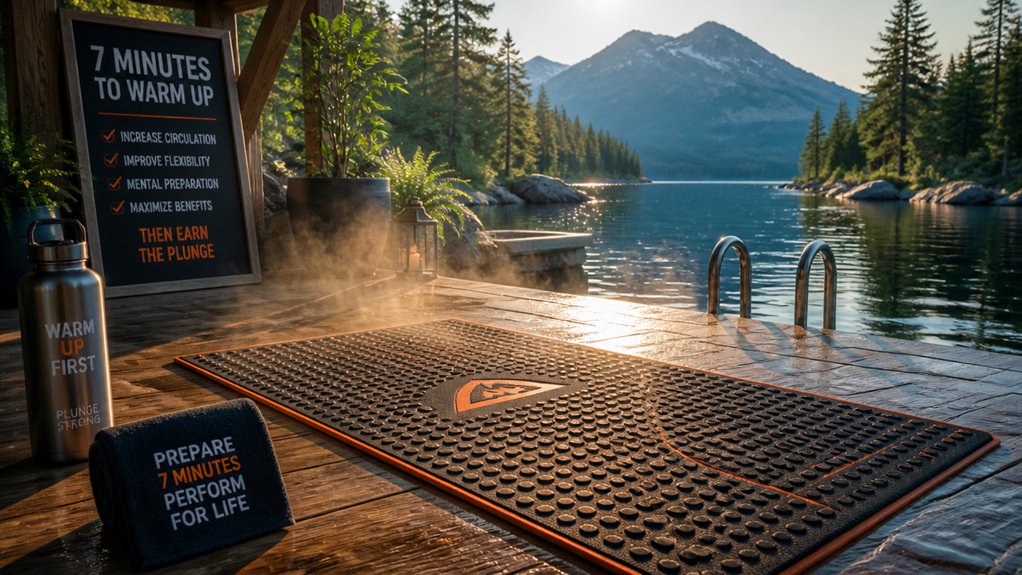
Warming up before a cold plunge is essential because it prepares your muscles and circulatory system for the sudden temperature change. A proper warmup increases your core body temperature and boosts blood flow, making the shift into cold water smoother.
This process helps prevent muscle stiffness and strain by keeping your muscles more elastic and less prone to tightening. When you engage in light, dynamic exercises, you activate your nervous system, enhancing alertness and reducing shock from the cold.
Improved circulation supports your cardiovascular system, allowing blood to move more efficiently. Without warming up, your body may struggle to adapt, increasing discomfort and risk of injury. Incorporating resistance band exercises into your warm-up routine can further enhance muscle activation and flexibility.
A quick, 7-minute warmup helps you stay mobile, alert, and ready to get the most benefits from your cold plunge.
Easy Movements to Prepare Your Muscles for Cold Exposure
To get your muscles ready for cold exposure, start with dynamic stretches like arm circles and leg swings to boost blood flow. Incorporate gentle bodyweight exercises such as squats or lunges to warm up your muscles and reduce stiffness. Remember to focus on controlled breathing to help your body adapt smoothly to the cold. Using a foam roller with firm, high-density support can further prepare your muscles by releasing tension and improving circulation before your ice plunge.
Dynamic Stretching Techniques
Dynamic stretching is an effective way to prepare your muscles for a cold plunge by increasing blood flow and raising muscle temperature. Engaging in dynamic stretching as part of your warmup helps reduce stiffness and lowers the risk of strain during sudden cold exposure.
Movements like arm circles, leg swings, hip openers, and torso twists gently activate multiple muscle groups without causing fatigue. A 5-7 minute routine enhances joint mobility and primes your nervous system for the shock of cold water, boosting both muscle readiness and mental alertness. Incorporating controlled breathing techniques during your warmup can further improve circulation and prepare your respiratory muscles for cold exposure resistance training tools.
Avoid static stretching, which can temporarily weaken muscles, and instead focus on fluid, active motions. Incorporating deep breathing during your dynamic warmup can further stimulate circulation and help calm your body before immersion.
Gentle Cardio Warmup
Engaging in a gentle cardio warmup for about 7 minutes is an effective way to prepare your muscles for cold exposure. It boosts blood flow and slightly raises muscle temperature, reducing the risk of stiffness and strain during your 7-minute cold plunge. A light, dynamic warmup also enhances insulation properties, helping your body maintain temperature more effectively during immersion. Easy movements like brisk walking, light jogging in place, or dynamic stretches activate your cardiovascular system without causing fatigue. This warmup before ice plunge helps your body adapt safely to cold exposure by encouraging proper vasoconstriction and minimizing shock. Keeping the intensity low guarantees increased circulation and muscle readiness without overexertion. Incorporate these simple activities to get your body primed, enhance circulation, and promote safer, more comfortable cold immersion experiences.
Targeted Muscle Activation
Building on your gentle cardio warmup, targeted muscle activation focuses on specific movements that prime key muscle groups for cold exposure. During your warmup, use dynamic movements like arm circles, leg swings, and gentle squats to awaken muscles and boost blood flow. A well-designed warmup can also include insulation strategies to help maintain muscle warmth during your cold plunge. Concentrating on areas like shoulders, hips, and calves prevents excessive muscle chilling during your cold plunge and helps maintain strength. Incorporate controlled mobility exercises to gradually activate the nervous system, which can improve performance and reduce shock during cold exposure. Light cardiovascular activities, such as marching in place, elevate core temperature and enhance cold tolerance. Targeted activation guarantees your muscles are prepared, allowing for a safer, more comfortable cold plunge while supporting quicker recovery post-immersion.
How to Use Stretching to Boost Blood Flow Before Cold Plunging
By incorporating dynamic stretching, you can effectively boost blood flow and warm up your muscles before cold exposure. Focus on full-body movements like leg swings and arm circles to target key areas and prepare your cardiovascular system. These techniques enhance circulation, helping reduce stiffness and support quicker recovery during cold plunging. Incorporating zone-specific controls can further customize your warm-up to target particular muscle groups more effectively.
Dynamic Stretching Techniques
Performing dynamic stretching before an ice plunge efficiently increases blood flow and warms up your muscles, making the experience safer and more comfortable. Focus on exercises like leg swings, arm circles, and walking lunges to activate key muscle groups quickly.
These movements raise muscle temperature and enhance nervous system readiness, helping offset the shock response from cold immersion. Dynamic stretching also improves your range of motion, reducing the risk of strains or stiffness during the cold plunge.
As you go through these techniques, you’ll stimulate circulation and prepare your body for cold exposure, making the entire process less uncomfortable. Incorporate these quick, targeted motions into your warmup to maximize blood flow and muscle preparedness before taking the plunge.
Targeted Blood Flow Areas
Targeting specific muscle groups with stretching can greatly boost blood flow and prepare your body for cold plunging. Focus on your calves, hamstrings, and quadriceps through dynamic stretches to increase muscle temperature and promote circulation.
Incorporate upper body mobility exercises like arm circles and shoulder rolls to enhance blood flow to your arms and shoulders, reducing stiffness during the cold plunge. Stretching large muscle groups such as the glutes and lower back encourages vasodilation, aiding in effective warming and rewarming of your body.
A 7-minute warmup with slow, controlled movements elevates your heart rate, prepping your cardiovascular system for the vasoconstriction that happens during the cold plunge. This targeted approach helps reduce muscle soreness and minimizes the cold shock during regular cold exposure.
Breathing and Relaxation Techniques to Ease Cold Tolerance

When approaching a cold plunge, focusing on your breathing can greatly ease your body’s response to the cold. Deep, slow diaphragmatic breathing activates your parasympathetic nervous system, helping reduce shock and keep you calm.
Practicing controlled breath holds and rhythmic inhalation/exhalation prevents hyperventilation and anxiety, boosting cold tolerance. Pairing relaxation techniques like progressive muscle relaxation with mindful breathing lowers stress hormones, making cold water immersion less startling.
Starting with 3-5 minutes of focused breathing before immersion acclimates your nervous system for a better experience. Using methods like box breathing (4 seconds inhale, hold, exhale, hold) helps regulate your heart rate and maintain mental composure during cold exposure.
- Activate the parasympathetic nervous system
- Prevent hyperventilation during cold water immersion
- Increase cold tolerance with rhythmic breathing
- Use relaxation techniques to lower stress hormones
- Practice box breathing for heart rate regulation
- Incorporate Rhythmic Pacing techniques proven to enhance autonomic balance and resilience.
When and How to Time Your Warmup for the Best Cold Plunge Results
Timing your warmup just right can greatly improve your cold plunge experience. Aim to complete your 7-minute morning warmup immediately before your cold plunging session. This adds enough warmth to your muscles, helping to reduce stiffness and prevent muscle soreness and accelerate recovery afterward. Incorporate dynamic movements like arm swings, leg swings, and light bodyweight exercises to boost circulation and prepare your muscles for the cold plunge. A 1–3 minute cold plunging session works best when your muscles are moderately warm, maximizing alertness without diminishing cold tolerance. To enhance safety and effectiveness, consider using temperature therapy features like heat at 113°F or cold at 47°F to optimize your recovery routine. Avoid overdoing the warmup to prevent overheating. Integrate this timing into your daily routine, and you’ll find your muscle performance stays peak, and your cold plunges become more effective and comfortable.
Tips for Building a Consistent Morning Warmup Routine
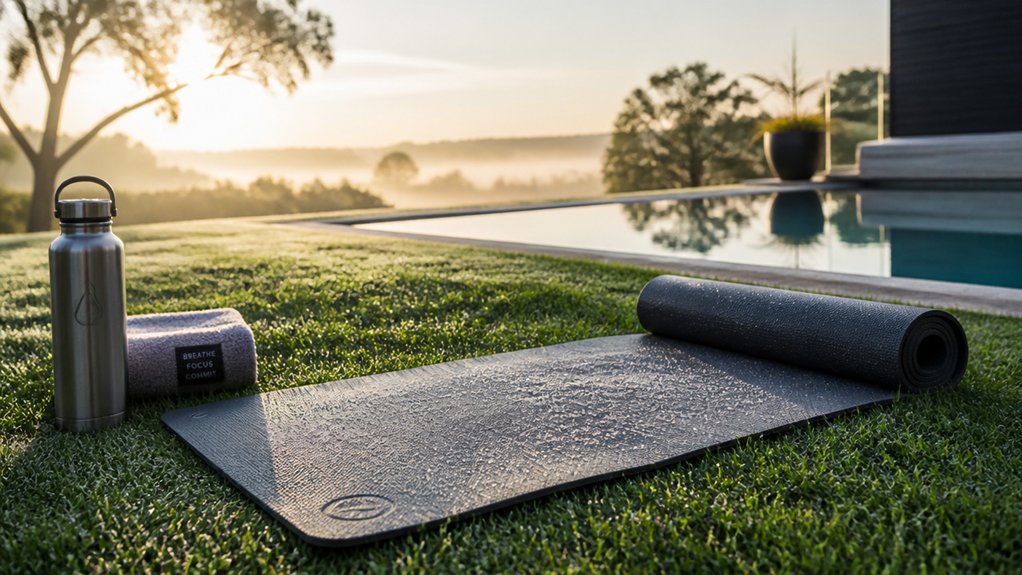
Establishing a consistent morning warmup routine is essential for making cold plunges comfortable and effective. It prepares your body, reduces muscle stiffness, and helps build tolerance to the cold.
A consistent morning warmup prepares your body, eases stiffness, and builds cold tolerance for a more effective plunge.
To stay committed, follow these tips:
- Incorporate dynamic movements like arm circles, leg swings, and gentle lunges to improve joint mobility.
- Practice deep, controlled breathing to manage your body’s stress response during the ice plunge.
- Keep your warmup brief, about 7 minutes, to maximize adherence and prevent fatigue.
- Perform your warmup before your ice plunge first thing in the morning to set a routine.
- Stay consistent, gradually increasing intensity to reinforce your Cold Plunge Routine and make each session more comfortable over time.
Safety Tips to Keep Cold Plunging Safe and Effective
Prior to stepping into a cold water immersion, it’s important to be aware of safety measures that will help you avoid risks and make your experience effective.
For your Cold Plunge, limit initial durations to 1–3 minutes at 50–59°F (10–15°C) to prevent excessive cold shock and muscle stiffness, especially if you’re doing your ice plunge first thing in the morning.
Perform a 7-minute warm-up with dynamic movements to raise muscle temperature and circulation, optimizing the applied physiology for reducing inflammation and improving comfort.
Always monitor for warning signs such as intense shivering, numbness, chest pain, or dizziness—exit immediately if any occur.
Avoid plunging if you have underlying health conditions, and gradually build tolerance over multiple sessions using controlled breathing to stress manage during cold exposure.
Frequently Asked Questions
Can I Do a Cold Plunge First Thing in the Morning?
Yes, you can do a cold plunge first thing in the morning. Just start with a brief warmup to reduce stiffness, then immerse yourself gradually, monitoring your body’s response to prevent discomfort and cold stress.
What Is the 5 5 5 30 Morning Workout?
The 5 5 5 30 morning workout involves five minutes each of light cardio, dynamic stretching, and bodyweight strength exercises, followed by 30 seconds of rest. It warms you up, boosts circulation, and prepares your body for cold plunges.
Can Ice Baths Help With Lipedema?
Ice baths may help reduce inflammation, swelling, and pain from lipedema by causing vasoconstriction and releasing endorphins. However, you should get medical clearance first, as lipedema’s complexity needs careful management alongside other treatments.
Can Cold Plunge Lower Cortisol?
Yes, cold plunges can lower your cortisol levels by activating your parasympathetic nervous system, which promotes relaxation. Regular immersion reduces stress hormones and releases endorphins, helping improve your mood, sleep, and stress resilience over time.