
After an ice bath, wait 5–10 minutes before rewarming to prevent dizziness. Dry off thoroughly, put on warm clothes, and then gently move your body with stretching or light exercises to boost circulation. Hydrate with water or electrolyte drinks, and eat small, nutritious snacks to support muscle repair. Avoid sudden hot showers, intense workouts, or extreme temperature changes. For more detailed tips on safe recovery, keep exploring these best practices.
What Is the Science Behind Cold Water Immersion and Recovery?
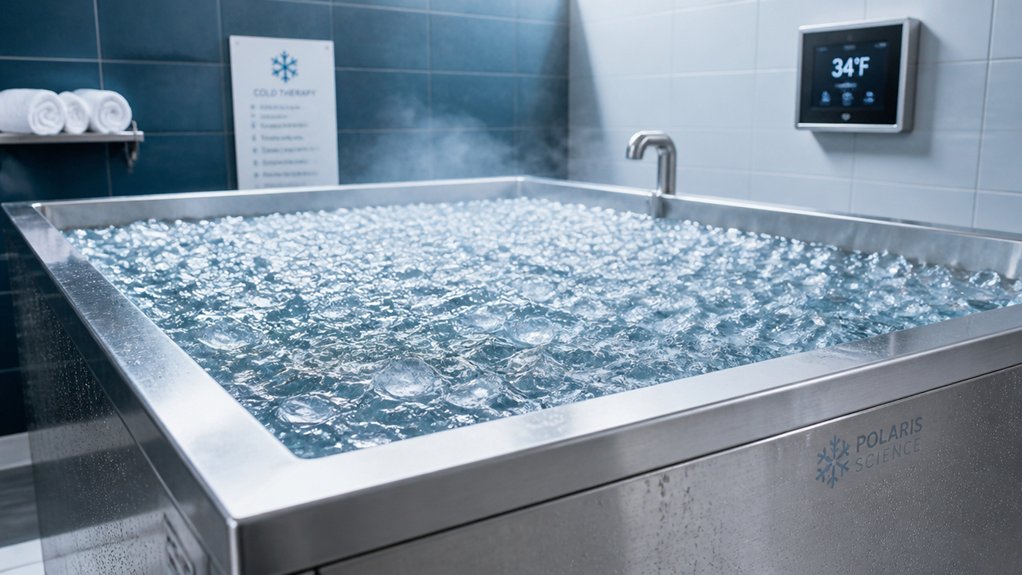
Have you ever wondered how cold water immersion actually aids recovery? When you immerse yourself in cold water, vasoconstriction occurs, narrowing blood vessels to reduce muscle swelling and inflammation. This limits fluid buildup and inflammatory cells, helping decrease post-exercise inflammation. Additionally, proper water treatment ensures the water remains hygienic and free of organic contaminants that could hinder recovery. After you exit the ice bath, vasodilation happens—blood flow increases, delivering nutrients and oxygen to your muscles while removing waste products. Cold water immersion is particularly effective at reducing delayed onset muscle soreness (DOMS) and lowering creatine kinase (CK) levels, which contributes to feeling less sore and recovering faster after intense workouts. Although CWI offers immediate pain relief and fatigue reduction, keep in mind that frequent use can interfere with muscle growth and strength gains over time.
When’s the Best Time to Rewarm After Your Ice Bath?
You should wait 5 to 10 minutes after exiting the ice bath before starting to rewarm your body to prevent dizziness and temperature shock. Once you’re ready, dry off thoroughly, put on warm clothes, and begin gentle movements to restore circulation safely. Avoid quick temperature changes or immersing extremities in hot water immediately, and sip warm beverages to support gradual internal warming. Incorporating anti-inflammatory ingredients into your post-ice bath routine can further enhance recovery and reduce inflammation.
Optimal Rewarming Timing
When is the ideal moment to start rewarming after an ice bath? You should wait 5–10 minutes before applying external heat to avoid shocking your body’s core temperature.
During this initial warming phase:
- Dry off thoroughly and wear warm, dry clothing, including socks, to help retain body heat.
- Engage in gentle movements like stretching or slow walking within the first 10 minutes to stimulate circulation and promote gradual warming.
- Use controlled breathing to support natural thermoregulation without rushing into intense activity or extreme heat, which can cause circulatory imbalance.
This approach encourages natural rehydration, stabilizes your core body temperature, and guarantees circulation improves steadily.
Patience during this window prevents tissue damage and guarantees a safe recovery.
Safe Warm-Up Practices
The ideal time to begin rewarming after an ice bath is generally between 5 to 10 minutes post-exit, allowing your body to naturally stabilize its core temperature. During this window, avoid applying direct heat like a hot shower immediately, as it can shock your body’s temperature regulation system.
Instead, dry off thoroughly and dress in warm, dry clothing, including socks, to retain body heat. Gentle movements like stretching or walking help boost blood flow and reduce muscle stiffness during rewarming. Sipping warm beverages such as herbal tea supports gradual temperature normalization and can prevent shivering. Recognizing the importance of proper thermal insulation in your gear can significantly enhance rewarming efficiency. It’s important to avoid intense activity or exposing extremities to extreme heat right after the bath, as these can disturb circulation and cause injury.
How Do I Dry Off and Rewarm Safely?
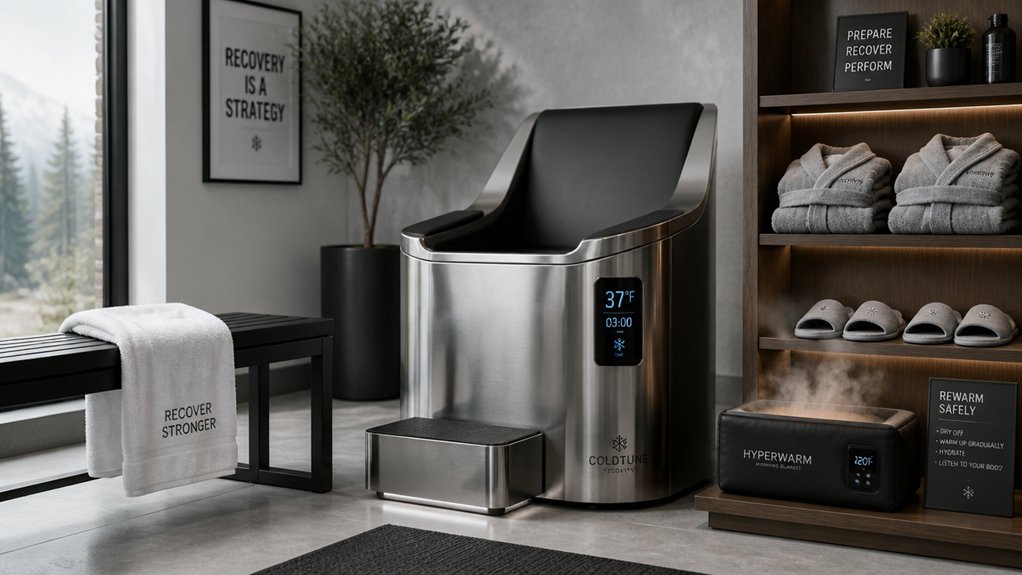
After exiting the ice bath, take your time drying off with a warm towel or robe to prevent heat loss. Wear dry, comfortable clothing, including socks, and move gently to boost circulation. To maintain safe body temperature, consider using an electric heated robe with adjustable temperature settings and safety features for reliable warmth, especially during the recovery process. Wait at least 5–10 minutes before applying external heat to avoid shocking your body.
Gentle Drying Techniques
Exiting an ice bath calls for gentle drying techniques to protect your skin and guarantee safe rewarming. To prevent irritation and retain body heat, avoid rubbing vigorously.
Instead, focus on gentle drying by:
- Patting your skin dry with a soft towel or robe to avoid aggravating cold, sensitive skin after cold water therapy.
- Putting on warm, dry socks immediately to help retain body heat and prevent excessive heat loss.
- Engaging in light movements like slow walking or gentle stretching while drying to boost circulation and reduce stiffness.
- Choosing fast-drying microfiber towels can help speed up the drying process without rough rubbing, supporting your comfort and safety during recovery.
Skip hot showers right away; wait 5–10 minutes before applying heat. Rewarming gradually in a warm environment helps your core temperature increase safely without shock or cardiovascular stress.
Appropriate Warm Rewarming Methods
Once you’ve gently dried off and put on warm, dry clothing, it’s important to continue rewarming your body carefully.
Start with warm water, avoiding hot showers for at least 5–10 minutes to prevent shock. Engage in gradual rewarming by performing gentle movements such as stretching, walking, or yoga to promote circulation and help your body regain heat naturally.
Sip warm beverages like herbal tea or warm water with lemon to support internal warming and reduce shivering.
Once your skin is dry, apply a gentle, hypoallergenic moisturizer to soothe and prevent dryness or irritation. This skin care step also helps lock in warmth. Incorporating skin barrier protection can further support your skin during rewarming routines.
Focus on maintaining consistent, comfortable warmth to avoid sudden temperature shifts and guarantee a safe, effective rewarming process.
Timing for Rewarming
How can you guarantee you dry off and rewarm safely following an ice bath? Proper timing is essential for effective rewarming and preventing body temperature shock.
After cold immersion, dry off slowly and thoroughly with a towel or robe, and wear dry socks to help retain body heat. Avoid jumping straight into hot showers or applying extreme heat for 5–10 minutes, as this can cause dizziness and temperature shock. Instead, focus on these steps:
- Rewarm in a warm environment with comfortable clothing and warm beverages to support gradual core temperature recovery.
- Engage in gentle movements like stretching or walking to promote blood flow and prevent muscle stiffness.
- Monitor for numbness or tingling, then gently move extremities to restore circulation safely, avoiding sudden heat exposure.
- Using cold plunge therapy in conjunction with proper rewarming techniques can further aid in reducing inflammation and speeding recovery.
What Are the Best Practices for Gentle Movement After Cold Exposure?
What’re the best ways to move gently after cold exposure to support recovery? Gentle walking or low-intensity movements are effective for promoting blood flow without overstressing your muscles.
Incorporate controlled breathing to help regulate your body temperature and improve mental focus as you move. Engaging in light stretching or yoga can also reduce muscle stiffness and enhance circulation.
Controlled breathing and light stretching support temperature regulation, reduce stiffness, and boost circulation after cold exposure.
Avoid strenuous activities immediately after an ice bath to prevent injury and allow muscles to recover comfortably.
As your body warms, gradually increase movement intensity to prevent joint stiffness and support effective recovery. Using resistance bands, such as fabric resistance bands, can assist in gentle strength training and mobility exercises. These gentle exercises help your muscles adapt gradually, promoting better circulation and easing discomfort, ultimately enhancing your post-ice bath recovery process.
Which Fluids and Foods Help Support Muscle Repair?
Choosing the right fluids and foods after an ice bath can greatly boost your muscle repair and recovery. To support this process, focus on replenishing nutrients lost during cold exposure and rehydrating effectively.
Here are three key options:
- Consume water or electrolyte-rich drinks to aid rehydration and replace nutrients lost through cold-induced stress, supporting peak muscle function.
- Eat small, balanced snacks with carbohydrates and protein to replenish glycogen stores and supply amino acids for tissue repair.
- Warm herbal tea or lemon water can enhance rehydration and help manage shivering by gently raising your core temperature.
Avoid large meals immediately after. Instead, choose nutrient-dense foods rich in antioxidants and anti-inflammatory compounds to promote quicker recovery.
How Can Mindfulness and Deep Breathing Speed Up Recovery?
Ever wondered how your breathing and mindset can influence your recovery after an ice bath? Practicing mindfulness and deep breathing helps regulate your body’s natural thermoregulation, easing the cold shock response. Slow, controlled breaths—like inhaling through your nose and exhaling through your mouth—calm your nervous system, reducing shivering and anxiety. These mental strategies also boost the release of endorphins and noradrenaline, diminishing perceived fatigue and enhancing alertness. Reflecting mindfully on sensations can improve future recovery protocols. Use the following table to understand their effects:
| Technique | Benefits |
|---|---|
| Deep breathing | Regulates temperature, counters cold shock |
| Mindfulness | Lowers stress hormones, calms nervous system |
| Focused meditation | Enhances mental recovery, mental clarity |
| Endorphin boost | Reduces discomfort, improves mood |
| Reflection | Optimizes recovery and psychological well-being |
How to Take Care of Your Skin After an Ice Bath
After an ice bath, gently apply a hypoallergenic moisturizer to soothe dryness and itching.
Avoid scratching or rubbing your skin if it feels irritated, as this can make the inflammation worse. Keep an eye on your skin’s reaction and note any persistent issues to discuss with a healthcare professional.
Gentle Skin Moisturizing
When your skin feels cold or slightly irritated following an ice bath, applying a gentle, hypoallergenic moisturizer can make a significant difference. It helps prevent skin dryness, soothes cold-induced itchiness, and promotes healing.
To maximize benefits:
- Thoroughly apply a moisturizing lotion to all affected skin areas immediately after drying off.
- Use products formulated for sensitive skin to avoid further irritation.
- Reapply as needed throughout recovery to maintain hydration and reduce itchiness.
Moisturizing restores lost hydration caused by cold water, softening the skin and easing discomfort. Always choose a gentle, hypoallergenic option that won’t exacerbate sensitive skin.
Proper moisturizing after an ice bath helps your skin recover smoothly and quickly, leaving it comfortable and protected.
Avoid Scratching Irritated Skin
To prevent further skin irritation, it’s important to resist the urge to scratch any itchy or irritated areas after a post-ice bath. Scratching can worsen inflammation and increase the risk of infection.
Instead, avoid scratching and gently apply a hypoallergenic moisturizer to soothe cold-induced dryness, which reduces discomfort and supports healing. Use soft towels and keep your skin dry and warm with socks to protect sensitive areas from additional irritation.
If redness, persistent itchiness, or irritation continues beyond a few hours, consult a healthcare professional for advice. Monitoring your skin reactions helps you adjust your recovery routine effectively and prevents complications.
Monitor for Skin Reactions
Keep a close eye on your skin’s response once you’ve finished your ice bath. Monitoring your skin helps catch any adverse reactions early.
Pay attention to these signs:
- Check for redness, persistent itchiness, or unusual reactions that may indicate irritated skin.
- Observe for skin dryness or irritation, especially in areas exposed to cold.
- Watch for itchiness or discomfort that persists after the bath.
If you notice any of these symptoms, avoid scratching and apply a gentle, hypoallergenic moisturizer to soothe your skin and promote healing.
If redness, itchiness, or irritation continue, consult a healthcare professional for guidance.
Maintaining awareness of your skin’s response helps optimize recovery and prevents further damage. Keep track of reactions in a recovery journal to improve your cold therapy routine.
What Signs Indicate Normal Body Response vs. When to Seek Help?
Identifying normal responses after an ice bath can help you gauge your recovery and prevent complications. Common signs include skin redness, temporary numbness or tingling, and shivering, which generally resolve with gentle movement and warming. However, persistent or severe skin redness, itchiness, or signs of frostbite need immediate attention. Watch for intense numbness, weakness, sharp pain, or swelling beyond usual responses—these could indicate nerve or circulation issues requiring medical care. Be cautious of cold shock reactions like difficulty breathing, chest pain, dizziness, or confusion, which demand urgent help. Use the following guide:
| Symptom Type | Normal Response | When to Seek Help |
|---|---|---|
| Skin redness | Yes (resolves quickly with warmth) | Persistent, worsening, or itchy |
| Numbness/Tingling | Yes (short-term) | Prolonged, intense, or accompany pain |
| Cold shock reactions | Mild discomfort | Difficulty breathing, dizziness |
How Do I Manage Shivering, Numbness, and Tingling Safely?
To manage shivering, numbness, and tingling safely, start by gently rubbing your extremities to stimulate circulation. Keep moving your fingers and toes regularly, but avoid exposing them to extreme heat too soon.
With patience and light movement, your body will gradually warm up and recover.
Gentle Rubbing Techniques
Gently rubbing your extremities, like your hands and feet, can help restore circulation and ease numbness and tingling after an ice bath. This technique stimulates blood flow, reducing discomfort without causing irritation.
To manage shivering and numbness safely, consider these steps:
- Start with gentle rubbing on your extremities, avoiding harsh pressure.
- Move your fingers and toes regularly to encourage circulation and prevent stiffness.
- Keep warm with dry socks and blankets to support natural thermoregulation and prevent sudden temperature shifts.
Move Extremities Regularly
Moving your fingers and toes regularly after an ice bath helps restore circulation and alleviates numbness or tingling caused by cold-induced vasoconstriction.
Gentle movement encourages blood flow to extremities, reducing sensations of numbness and tingling. Lightly moving or massaging your limbs can help promote circulation without risking tissue stress. It’s important to avoid exposing your limbs to extreme heat immediately, as rapid temperature changes can worsen nerve irritation or cause tissue damage.
Recognizing that numbness and tingling are normal responses to cold helps you remain patient during recovery. Focus on careful extremity movement to gradually restore normal sensation, rather than rushing to regain warmth too quickly. Consistent, gentle activity supports natural blood flow and aids safe recovery after an ice bath.
Patience During Recovery
After an ice bath, your body naturally reacts with shivering, numbness, and tingling, signaling that it’s working to restore normal temperature and circulation. Patience is essential during this recovery phase.
Here’s how to manage these sensations safely:
- Use controlled breathing—inhale through your nose and exhale gently through your mouth—to support thermoregulation and calm your mind.
- Dry off quickly, dress warmly with dry socks, and sip warm beverages to help your body retain heat and reduce shivering.
- Gently move fingers and toes, softly rub extremities, and wait 5–10 minutes before applying external heat, avoiding sudden temperature changes.
Recognize these responses as normal, and don’t rush the recovery process, allowing your body to regain stability safely.
How Can Contrast Therapy (Sauna, Hot Showers) Enhance Recovery?
Have you ever wondered how alternating hot and cold exposure can speed up muscle recovery? Contrast therapy, which involves switching between ice baths and heat like saunas or hot showers, actively enhances blood circulation.
Cold immersion causes vasoconstriction, reducing inflammation, while the subsequent heat exposure induces vasodilation, increasing blood flow. This cycle helps remove metabolic waste and deliver essential nutrients to your muscles.
Cold causes vasoconstriction to reduce inflammation, while heat promotes vasodilation for nutrient-rich blood flow.
Additionally, the repeated contrast stimulates endorphin release, providing pain relief and boosting your mental recovery. Better joint mobility and muscle flexibility improve with contrast therapy, offsetting cold-induced stiffness through heat-induced relaxation.
To maximize benefits and minimize risks, start with cold, wait 5–10 minutes before heat, and follow proper temperature protocols. This approach optimizes recovery and enhances overall muscle function.
Common Mistakes to Avoid in Post-Ice Bath Recovery
To guarantee your recovery is effective and safe, it’s essential to avoid common mistakes following an ice bath.
First, avoid jumping into hot showers immediately; wait 5–10 minutes to prevent body temperature shock. Second, don’t engage in intense workouts right after the post-bath, as your muscles are still recovering and prone to injury. Third, avoid scratching itchy or irritated skin caused by cold exposure, which can cause further irritation or infection.
Additionally, be mindful to stay hydrated and skip alcohol or caffeine afterward to support proper recovery. Never expose your extremities to extreme heat right after the ice bath, as this can disrupt circulation and sensation.
Avoiding these mistakes guarantees safe recovery and peak benefits from your post-bath routine.
Troubleshooting Skin Reactions and Discomforts
Experiencing skin reactions or discomfort after an ice bath can be unsettling, but understanding how to troubleshoot these issues is essential for safe recovery.
Cold water immersion often causes skin dryness, itchiness, and redness. To soothe these symptoms, apply a gentle, hypoallergenic moisturizer immediately after drying off. Avoid scratching red, itchy, or irritated skin, as this can worsen irritation or lead to infection. If redness or itchiness persists, consult a healthcare professional to rule out conditions like cold urticaria or eczema.
Manage numbness or tingling by gently rubbing extremities and moving fingers and toes to promote circulation—avoid exposing these areas to immediate heat. Keeping a journal helps track skin responses, ensuring you adjust your protocol for ideal comfort and safety.
Building a Consistent Post-Ice Bath Routine for Long-Term Benefits
Establishing a consistent post-ice bath routine guarantees you maximize recovery benefits and make the experience sustainable. To support effective post-ice bath recovery and promote blood flow, follow these steps:
- Dry off slowly and wear warm, comfortable clothing, including dry socks, to aid steady re-warming and maintain body heat.
- Engage in gentle movements like stretching or yoga within 5–10 minutes to improve circulation without risking muscle strain.
- Support your recovery by sipping warm, hydrating beverages and eating balanced snacks rich in carbohydrates and protein within an hour.
Maintaining consistency helps reveal long-term benefits, ensuring your body adapts and recovers efficiently over time.
When Should You Consult a Healthcare Professional?
Knowing when to seek professional advice after an ice bath can be essential for your safety and recovery. You should consult a healthcare professional if you notice persistent redness, itchiness, numbness, or tingling that doesn’t improve—these could signal circulatory or nerve issues. Seek medical advice immediately if you experience severe symptoms like intense pain, swelling, hives, or signs of cold urticaria. Individuals with pre-existing conditions such as high blood pressure or Raynaud’s should always get professional guidance beforehand. Watch out for prolonged shivering, hypothermia, or difficulty rewarming, which require urgent care.
| Symptom | Action |
|---|---|
| Persistent redness or numbness | Consult a healthcare professional |
| Severe reactions (hives, pain) | Seek medical advice immediately |
| Prolonged shivering | Get professional assistance for safety |
| No improvement in soreness | Have a healthcare provider evaluate for injury |
| Pre-existing health conditions | Consult your healthcare provider before ice baths |
Frequently Asked Questions
What to Do After an Ice Bath for Recovery?
After an ice bath, you should dry off slowly, dress warmly, and do gentle movements like stretching or walking. Wait 5-10 minutes before applying heat, sip warm drinks, and moisturize your skin to aid recovery and comfort.
What Not to Do After an Ice Bath?
After an ice bath, you shouldn’t jump into hot showers or saunas, engage in strenuous activities, consume alcohol or caffeine, scratch or irritate your skin, or expose your extremities to extreme heat, as these can hinder recovery and safety.
Do Cold Plunges Help Neuropathy?
Cold plunges might temporarily numb nerve endings and reduce pain, but they don’t cure neuropathy. You should consult your healthcare provider before trying cold exposure, especially with impaired circulation or sensation, to guarantee safety and proper management.
Can Ice Baths Help With Lipedema?
Ice baths can temporarily reduce swelling, pain, and inflammation in lipedema. While they don’t treat underlying fat accumulation, they may ease symptoms. Always consult your healthcare provider before trying cold water immersion, especially if you have skin sensitivities.