After a cold plunge, gently pat your skin dry to avoid irritation and use pH-balanced cleansers to protect your barrier. Moisturize with hydrating mists, serums, and rich creams to restore moisture and support skin repair. Gradually warm your body with light movement and nourishing foods to boost circulation. Protect your skin daily with sunscreen and establish a consistent skincare routine. Keep exploring for more tips on how to fully rebalance and rejuvenate your skin after cold exposure.
What Happens to Your Skin During a Cold Plunge
When you take a cold plunge, your skin reacts quickly by constricting blood vessels, a process called vasoconstriction.
During cold exposure, this tightening reduces blood flow, limiting nutrient delivery to the outer skin layers, which can cause dryness and sensitivity. Cold exposure also strips away natural warmth and moisture, disrupting your skin’s lipid barrier—this barrier normally locks in hydration and shields against irritants.
As a result, your skin becomes temporarily more sensitive after the plunge, increasing the risk of irritation. While vasoconstriction tightens the skin and reduces inflammation, the reduced blood circulation can also leave your skin feeling dry and vulnerable. Skin barrier health can be compromised post-plunge, making proper recovery essential.
Over time, repeated cold plunges may help your skin recover faster and boost its overall resilience by improving circulation.
Why Post-Plunge Skincare Is Essential for Recovery
After a cold plunge, your skin needs targeted care because the immersion causes vasoconstriction and disrupts the protective lipid barrier. This can lead to dryness, sensitivity, and decreased nutrient flow. Restoring hydration promptly helps repair the skin and strengthens the lipid barrier, reducing vulnerability to irritants. Proper post-plunge skincare—using hydrating mists, serums, and moisturizers—encourages circulation, minimizes puffiness, and supports skin healing. Incorporating anti-inflammatory ingredients can further enhance recovery by calming irritated skin. The table below highlights key benefits and essential products:
| Benefits of Post-Plunge Skincare | Essential Products |
|---|---|
| Repairs skin barrier | Hydrating serum |
| Boosts hydration and resilience | Moisturizer with emollients |
| Reduces inflammation | Hydrating mist |
Consistent care enhances recovery and fortifies your skin against future cold exposure.
Gently Pat Your Skin Dry to Avoid Irritation
Gently patting your skin dry after a cold plunge is essential to avoid irritation and protect your skin’s delicate barrier.
When you pat your skin dry with a soft towel, you prevent damage to sensitive skin, which can easily become red or inflamed. Vigorous rubbing or friction worsens dryness and disrupts the lipid barrier, making your skin more vulnerable.
Gently pat dry to protect sensitive skin from redness and inflammation after cold plunges.
Leaving your skin slightly damp allows hydrating products to absorb more effectively, supporting faster recovery. Using a clean, soft towel minimizes bacteria transfer, especially when your skin is temporarily sensitized post-plunge.
Gradual, gentle patting helps maintain your skin’s natural softness and reduces the risk of redness. Prioritize this step to keep your skin healthy, resilient, and well-protected after cold exposure. To further support skin recovery, consider using pH-balanced cleansers that help preserve your skin’s natural acidity and barrier function.
Warm Up Gradually to Stimulate Circulation
To support healthy circulation after a cold plunge, it’s important to warm up gradually rather than rushing into hot environments. Sudden temperature shifts can stress your body and hinder circulation.
Instead, dress in cozy, layered clothing made from insulating materials like fleece or thermal to gently stimulate circulation while maintaining warmth. Engage in light movement, such as short walks or gentle stretching, to promote blood flow and enhance skin recovery. Drinking a warm beverage can internally raise your body temperature, encouraging vasodilation and better nutrient delivery to your skin.
Allow at least 10-15 minutes for your body’s temperature to normalize naturally. This gradual warming process supports healthy circulation, helps restore your skin’s barrier, and prevents discomfort from abrupt temperature changes. Utilizing thermal socks or insulated footwear can further enhance warmth retention during this recovery period.
Hydrate With Mist and Nourishing Serums
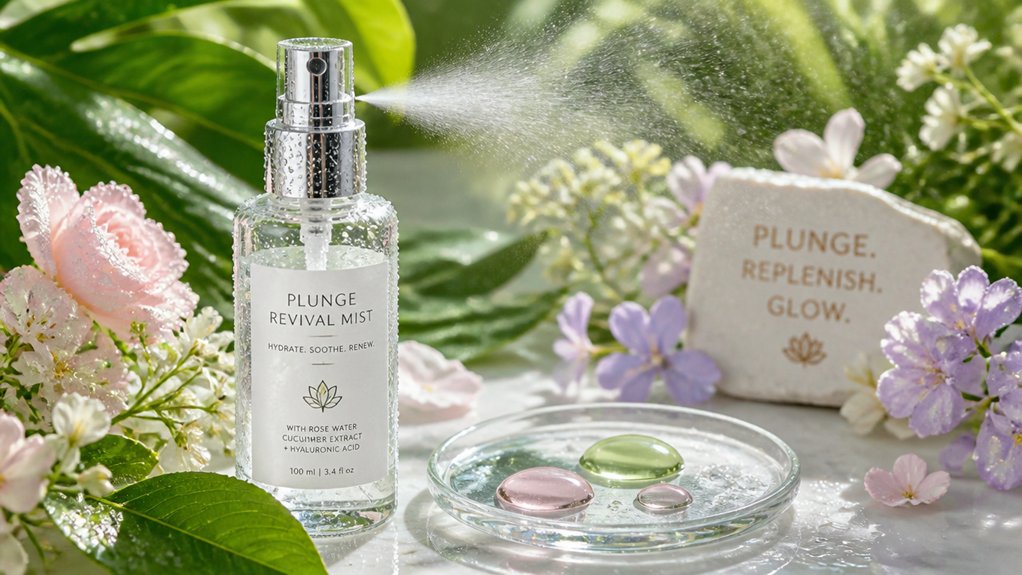
After a cold plunge, spray a hydrating mist with soothing ingredients like rose water or hyaluronic acid to calm your skin and start rehydrating.
Follow this with antioxidant-rich serums such as vitamin C to support skin repair and protect against environmental damage.
Gently pressing the serums in guarantees better absorption, maximizing their nourishing benefits before sealing everything in with a moisturizer.
Mist for Immediate Hydration
Immediately following a cold plunge, misting your skin with a hydrating spray helps soothe irritation and kickstarts the rehydration process.
When your skin is slightly damp, a mist with ingredients like rose water, aloe vera, or hyaluronic acid provides immediate hydration, calming sensitive areas and reducing inflammation. Light misting avoids overwhelming your skin while restoring lost moisture caused by cold exposure.
It also prepares your skin to better absorb nourishing serums, such as vitamin C or additional hyaluronic acid, enhancing their effectiveness for skin recovery. Using a mist first creates a smoother surface, improving serum penetration without causing further irritation.
Incorporating water treatment benefits such as hyrogen peroxide, can help maintain water quality and prevent skin irritation during recovery, supporting overall skin health.
Consistent application of hydrating mists after each plunge supports your skin’s barrier, replenishing moisture and encouraging a calm, balanced, and rejuvenated complexion.
Serums for Skin Repair
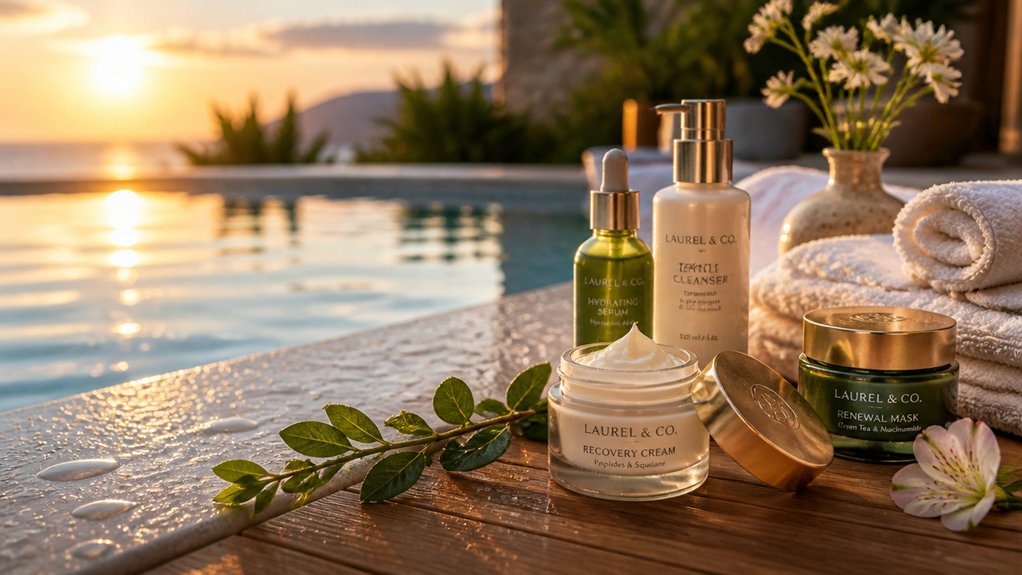
Following a cold plunge, nourishing serums play an essential role in supporting your skin’s recovery by delivering targeted ingredients that promote hydration and repair. Serums rich in vitamin C help combat environmental damage and stimulate collagen, boosting your skin’s healing process.
Hyaluronic acid serums attract and lock in moisture, resulting in a plumper, more youthful look after cold exposure-induced dryness. To maximize skin benefits and prevent irritation, gently press serums into damp skin instead of rubbing harshly.
Consistent use after cold plunges strengthens your skin barrier, accelerating recovery and enhancing resilience. These serums work synergistically to restore hydration, reduce irritation, and improve your skin’s overall texture, leaving it refreshed and revitalized after every plunge. Incorporating skin barrier protection with appropriate post-plunge skincare can further improve your skin’s ability to recover efficiently.
Enhancing Absorption Effectiveness
Enhancing how your skin absorbs post-plunge treatments can greatly boost your recovery. When your skin is still slightly damp, spritz a hydrating mist with ingredients like aloe vera, rose water, or hyaluronic acid. This step calms irritation and kickstarts moisture replenishment without overwhelming your skin.
Next, apply antioxidant-rich serums, such as vitamin C, gently pressing them into your skin rather than rubbing, to maximize absorption and reduce irritation. Serums containing hyaluronic acid are especially effective—they attract and lock in moisture, giving your skin a plumper, more youthful look. Incorporating beneficial mineral infusion can further support skin health and recovery by balancing pH levels.
Afterward, pat dry any excess and seal in hydration with a rich moisturizer containing glycerin, ceramides, or squalane. This layered approach guarantees ideal serum absorption, restoring your skin’s moisture barrier and supporting quick recovery.
Seal in Moisture With Barrier-Repairing Creams
Moisture is your skin’s first line of defense after cold exposure, and applying barrier-repairing creams is essential for sealing in hydration. These creams, rich in ceramides, glycerin, and squalane, help rebuild your skin’s lipid barrier disrupted by cold. Using them generously immediately after misting and serum application maximizes hydration, forming a protective seal. Applying in circular motions not only spreads the cream evenly but also stimulates circulation, boosting recovery. Incorporating ingredients like beeswax or shea butter locks moisture in, preventing dryness caused by water loss. Durable insulation in cold plunge tumblers helps maintain the temperature of your skincare products, ensuring their efficacy during application. Consistent use accelerates skin repair, strengthens the barrier, and preserves a youthful, plump appearance.
Care for Delicate Areas Like Lips and Under-Eyes
Cold exposure can leave your lips and under-eye areas feeling dry, sensitive, and prone to irritation. To protect your skin, apply thick balms containing beeswax, shea butter, or lanolin to your lips. These ingredients help restore moisture and shield delicate areas from further dryness and irritation.
Use lightweight, hydrating eye creams formulated specifically for the sensitive under-eye area to prevent discomfort and soothe post-cold exposure. When drying your skin, gently pat (not rub) around your lips and eyes to avoid aggravating these fragile zones.
Consistently nourish with targeted products to repair the disrupted lipid barrier and support hydration retention. Don’t forget to apply a broad-spectrum sunscreen on exposed areas when outside, as cold or wind exposure can further compromise delicate skin.
Use Gentle Facial Massage to Boost Blood Flow
A gentle facial massage can kickstart circulation and help your skin look more radiant after a cold plunge. Using light upward strokes or tools like jade rollers stimulates blood flow and enhances serums’ absorption.
This simple step not only promotes brighter skin but also supports lymphatic drainage and overall skin health.
Enhances Lymphatic Drainage
Performing a gentle facial massage after a cold plunge can greatly enhance lymphatic drainage by encouraging the movement of lymph fluid throughout your face. Cold water constricts blood vessels, which may cause puffiness, but a light massage stimulates lymph flow, helping to reduce swelling and promote detoxification.
Using upward strokes or tools like jade rollers and gua sha increases blood flow, delivering more nutrients and accelerating skin recovery. It’s essential to keep the massage gentle, especially after cold exposure, to prevent irritation while maximizing benefits.
Regularly incorporating this step into your post-plunge routine supports the natural drainage process, while also maintaining skin firmness and health. Enhancing lymphatic drainage through gentle facial massage helps your skin recover faster and feel more renewed.
Promotes Skin Brightness
Gentle facial massage is a powerful technique to boost blood flow and enhance skin brightness after a cold plunge.
When you use upward strokes or tools like gua sha or jade rollers, you help your skin recover by stimulating blood circulation. The cold water tightens pores, but massage encourages blood to flow more freely, giving your complexion a natural glow. It also promotes lymphatic drainage, reducing puffiness and revealing a brighter appearance.
Applying light pressure during massage helps serums and moisturizers absorb better, boosting hydration and making your skin look plump and luminous. Because your skin is more sensitive post-plunge, gentle techniques are essential to avoid irritation.
Regular facial massage supports skin’s rejuvenation, maintaining brightness and helping your skin recover from the cold exposure.
Stimulates Circulation Naturally
After a cold plunge, a gentle facial massage naturally stimulates circulation by encouraging blood flow to your skin’s surface. Using upward strokes or tools like gua sha and jade rollers, you activate blood circulation and stimulate lymphatic drainage, helping your skin detox and reduce puffiness. Light, gentle pressure is key, as cold exposure makes your skin temporarily sensitive, minimizing irritation risks.
This massage not only promotes healthy blood flow but also enhances the absorption of serums and moisturizers, supporting faster skin barrier recovery and hydration. Regular facial massage post-plunge maintains skin’s firmness, boosts radiance, and prolongs a healthy, youthful appearance. Incorporating this simple step into your routine can greatly improve your skin’s overall vitality and resilience after cold therapy.
Protect Your Skin With Sunscreen Before Outdoors
Before heading outdoors, it’s crucial to apply a broad-spectrum sunscreen with at least SPF 30 to protect your skin from UV rays. After a cold plunge, your skin’s barrier is more sensitive, and you want to shield it from potential damage.
Choose a gentle, moisturizing sunscreen containing zinc oxide or titanium dioxide—these ingredients are ideal for safeguarding delicate, recently restored skin. UV rays can harm your skin even on cold or cloudy days, so don’t skip sunscreen if you’re spending time outside.
Wearing it helps maintain the hydration and glow you’ve gained from cold plunge routines by preventing moisture loss. Applying sunscreen consistently can support long-term skin health, ensuring your skin stays protected, revitalized, and resilient against environmental stressors.
Troubleshooting Sensitive, Dry, or Red Skin After Cold Plunge
Cold plunges can cause your skin to become sensitive, dry, and red, especially since they temporarily disrupt the skin’s natural lipid barrier and constrict blood vessels. To troubleshoot this, reduce plunge exposure and avoid irritating your skin further.
After exiting, don’t rub or vigorously towel dry; instead, gently pat dry with a soft towel to protect your fragile barrier. Apply a hydrating mist with soothing ingredients like aloe vera or hyaluronic acid on slightly damp skin to calm inflammation and restore a layer of moisture.
Follow with antioxidant-rich serums, such as vitamin C, and seal the hydration with emollients containing ceramides or squalane. Light facial massage with gentle upward strokes can also promote circulation and support recovery, helping your skin feel calmer and more resilient.
Enhance Your Recovery With Nutrition and Hydration
Replenishing your fluids with water, herbal tea, or electrolyte drinks helps counteract dehydration from cold exposure.
Prioritizing protein sources like eggs or Greek yogurt supports muscle repair and recovery.
Including electrolyte-rich foods such as bananas or almonds restores essential minerals, boosting your overall wellness after a plunge.
Replenish Electrolyte Levels
After a plunge, your body can become dehydrated as it uses its fluid reserves to maintain core temperature, making electrolyte replenishment essential for a quick recovery. Restoring fluids and electrolytes helps your body stay hydrated and supports muscle function, which can be affected by cold exposure.
Drinking coconut water is a great choice because it naturally offers hydration and replenishes key electrolytes like potassium. You can also sip on warm herbal tea or electrolyte beverages to restore balance. Eating potassium-rich foods such as bananas with a pinch of sea salt or almonds will further support sodium and potassium levels critical for hydration.
Proper electrolyte levels improve blood flow, aid skin healing, and reduce fatigue, ensuring a smoother recovery after your cold plunge.
Prioritize Protein Intake
Prioritizing protein intake is essential for a swift and effective recovery following a cold plunge. Consuming high-quality protein sources like eggs, Greek yogurt, or protein shakes helps your body recover by supporting muscle repair and replenishing glycogen stores depleted during cold exposure.
Protein also enhances your immune system, reducing inflammation and promoting skin healing. Pairing protein with healthy fats, such as avocado or nuts, offers sustained energy and aids cellular repair crucial for skin barrier recovery.
Combining protein with complex carbohydrates, like sweet potatoes, stabilizes blood sugar levels, promoting prolonged recovery benefits. Including anti-inflammatory foods, such as leafy greens with turmeric or ginger, further reduces post-cold plunge inflammation, supporting overall skin rejuvenation.
Prioritizing quality protein in your post-plunge routine accelerates healing and revitalizes your skin.
Incorporate Light Movement and Breathing for Calm Recovery
Integrating gentle movement and mindful breathing into your post-plunge routine can greatly enhance your recovery process. Engaging in light activities like short walks, gentle stretches, or yoga helps improve blood circulation without taxing your body.
These movements support skin healing by delivering nutrients and reducing residual inflammation. Remember to avoid intense workouts immediately after your plunge to prevent overexertion and allow your body to adjust smoothly.
Practicing slow, controlled deep breathing—such as box breathing—regulates your heart rate and soothes your nervous system. Listening to your body during these exercises is key: if you feel discomfort, slow down or pause.
Combining light movement with deep breathing creates a calm environment that accelerates recovery and promotes a balanced, rejuvenated state.
Monitor Your Skin and Adjust Your Routine as Needed
Keeping a close eye on your skin’s response after a cold plunge allows you to make timely adjustments to your routine. After plunge exposure, track signs like dryness, redness, or irritation.
If your skin feels tight or flaky, try a clean towel instead of aggressive rubbing, which can worsen irritation. You may want to temporarily avoid exfoliants and retinoids if your skin barrier seems compromised or overly sensitized.
When your skin feels more resilient, gradually reintroduce active ingredients like antioxidants. Adjust skincare frequency and products based on environmental factors and how your skin tolerates them.
Focus on keeping your skin less likely to irritate by adding extra moisturizing layers with ceramides and hyaluronic acid. Regular monitoring guarantees your recovery is steady and tailored to your skin’s needs.
Establish Long-Term Skincare Habits for Resilient Skin
Building a long-term skincare routine after cold plunges helps your skin adapt and stay resilient over time. Consistent practice in your Plunge Skincare routine strengthens your skin barrier, improving hydration retention and resistance to environmental stressors.
Regular use of antioxidant serums like vitamin C, paired with moisturizers containing ceramides and squalane, supports ongoing skin repair and enhances appearance after cold exposure. Incorporating gentle facial massage and hydration not only boosts circulation but also accelerates recovery with each session.
Maintaining a gradual cold exposure schedule allows your skin to adapt, reducing sensitivity and promoting faster healing. Finally, applying SPF 30+ daily helps preserve your moisture barrier and prevents UV damage, ensuring your cold plunge benefits last and your skin remains resilient long-term.
Frequently Asked Questions
What Is the 4 2 4 Rule in Skincare?
The 4 2 4 rule in skincare means you apply a hydrating mist, wait 2 minutes, then apply serum, wait another 4 minutes, and finally moisturize. This sequence guarantees ideal absorption and effective skin barrier recovery.
How to Warm Back up After a Cold Plunge?
After a cold plunge, you should gently dry your skin, wear cozy layered clothing, sip warm drinks, and engage in light movement like stretching. This approach helps you warm up gradually while supporting circulation and preventing dizziness.
What Speeds up Skin Regeneration?
You speed up skin regeneration by applying antioxidant-rich serums, like vitamin C, after your cold plunge, hydrating with hyaluronic acid, gently massaging with gua sha, and sealing in moisture with ceramide-containing moisturizers to boost healing and resilience.
How to Repair Skin Barrier After Using a Rejuvenating Set?
To repair your skin barrier after using a rejuvenating set, you should apply antioxidant-rich serums like vitamin C, hydrate with hyaluronic acid, seal in moisture with rich creams, and gently massage to promote circulation and absorption.