
For ideal recovery, aim for a cold plunge temperature between 46.4°F and 59°F. Water closer to 50°F helps reduce inflammation, swelling, and soreness effectively. Avoid temperatures below 40°F to prevent risks like hypothermia and frostbite. Beginners should start at warmer ranges (60-68°F) and gradually get colder as they build tolerance. Staying within this range maximizes muscle repair and mental clarity—keep exploring to discover how to fine-tune your cold plunge routine.
Why Temperature Matters in Cold Plunge Recovery
Temperature plays an essential role in cold plunge recovery because it directly influences how effectively your muscles recover and how safe the experience is. The ideal ice bath temperature should be between 46.4°F and 59°F (8°C to 15°C), providing a balance between reducing inflammation and maintaining comfort.
Water temperature below 50°F doesn’t offer extra recovery benefits and can increase risks like hypothermia or frostbite. Warmer cold water therapy, in the 60°F to 68°F range, is better suited for mental relaxation rather than intense muscle recovery. Your tolerance, health, and recovery goals determine the right temperature.
Maintaining consistent water temperature within the recommended range enhances vasoconstriction and minimizes muscle soreness, ensuring safe and effective recovery with cold plunges.
What Are the Best Temperatures for Muscle Recovery?
The best temperatures for muscle recovery fall between 46.4°F and 59°F, where you’ll see the greatest reduction in inflammation and soreness. Staying closer to 50°F tends to optimize healing by decreasing swelling and speeding up muscle repair. Additionally, maintaining proper insulation and water temperature stability in your ice bath ensures consistent therapy outcomes and prevents temperature fluctuations that could reduce the benefits. Avoid temperatures below 40°F, as they don’t improve recovery and pose health risks.
Optimal Cold Range
Choosing the right cold plunge temperature is essential for maximizing muscle recovery without causing discomfort or health risks. The ideal temperature range for athletes is between 46.4°F and 59°F (8°C to 15°C).
Within this range, muscle recovery benefits are maximized, as colder temperatures beyond 50°F (10°C) don’t offer significant extra advantages and can increase discomfort. Temperatures below 50°F may pose risks like frostbite or hypothermia, especially for most users.
Experienced athletes might tolerate plunges down to about 37.4°F (3°C), but this isn’t necessary for everyone. Staying within this temperature range supports inflammation reduction, eases soreness, and promotes efficient recovery, making it the best choice for athletes aiming to optimize their post-exercise cold therapy.
Research also indicates that temperature control features, such as built-in chillers and thermostats, help maintain precise and consistent cold exposure, further enhancing recovery outcomes.
Temperature and Recovery Effect
Ever wonder which cold plunge temperatures give you the best muscle recovery? The ideal temperature range for cold plunges is between 46.4°F to 59°F (8°C to 15°C).
Within this range, colder temperatures effectively target physical recovery by reducing inflammation and soreness. Immersing in water colder than 50°F doesn’t provide extra benefits and risks discomfort or hypothermia.
As a beginner, start with temperatures near 59°F (15°C) and gradually lower the temperature for safe acclimation. The most effective temperature for recovery usually requires 10 to 15 minutes of immersion.
Remember, timing matters: taking cold plunges within 1 to 2 hours post-exercise enhances anti-inflammatory effects and promotes faster muscle recovery. Incorporating proper compression therapy can further optimize recovery outcomes.
- Cooler than 50°F offers no additional benefits
- Gradual temperature decrease supports safe adaptation
- 10 to 15 minutes is typical for recovery
- Post-exercise timing maximizes recovery potential
How Water Temperature Affects Pain Relief and Muscle Soreness
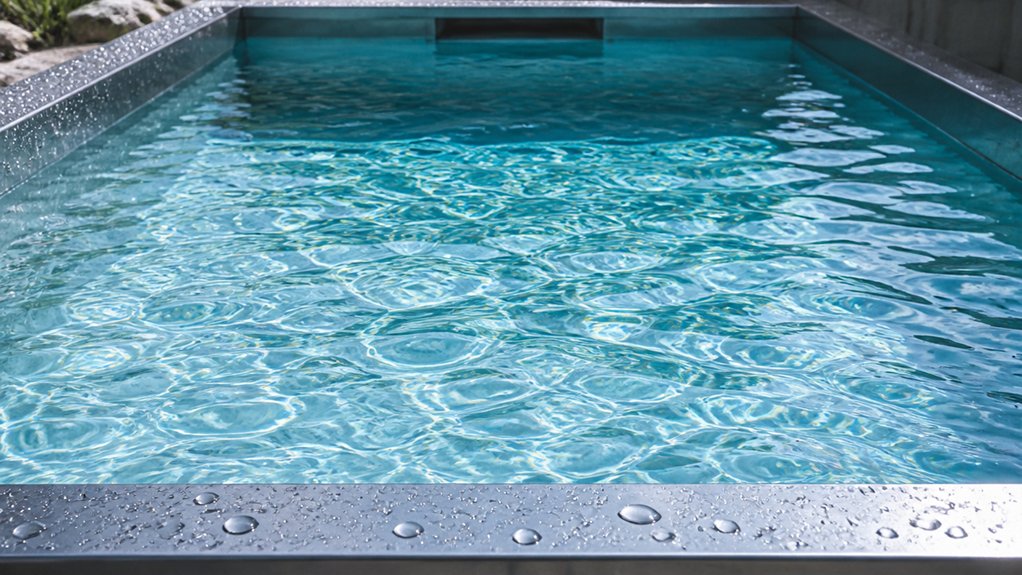
You’ll find that water temperatures between 50°F and 59°F are most effective for reducing pain and muscle soreness because they cause vasoconstriction that limits inflammation. Cold water at these temps provides just enough pain relief without causing discomfort or risking hypothermia. Staying within this range for 10-15 minutes right after exercise maximizes recovery benefits while keeping cold exposure manageable. Incorporating a non-slip, waterproof mat can also enhance safety during cold plunge sessions, especially when entering or exiting the tub.
Temperature’s Impact on Inflammation
Water temperature plays a crucial role in managing inflammation and muscle soreness after exercise. During an ice bath, keeping the water at an ideal temperature between 50°F and 59°F enhances vasoconstriction, which limits swelling and reduces inflammation. Temperatures below this range offer minimal extra benefits and increase risks like discomfort or hypothermia.
Cold water at these levels decreases markers of muscle damage and inflammation, promoting faster recovery. Regular immersion for 10-15 minutes helps decrease delayed onset muscle soreness (DOMS) and improves mobility. To maximize anti-inflammatory effects, start plunges within 1-2 hours post-exercise.
- Maintains safety while boosting inflammation reduction
- Promotes faster muscle repair
- Minimizes secondary tissue damage
- Enhances recovery outcomes
Cold Dose and Pain Relief
Cold water immersion at temperatures between 50°F and 59°F effectively reduces pain and muscle soreness by slowing nerve transmission and decreasing nerve conduction velocity.
An ice bath within these temperatures provides ideal pain relief and soreness decrease without causing excessive discomfort. Cold Water Immersion at this range minimizes delayed onset muscle soreness (DOMS), especially 24-96 hours after exercise.
Staying immersed for 10-15 minutes maximizes inflammation reduction while avoiding risks like hypothermia or frostbite. Starting with shorter sessions of 2-5 minutes and gradually increasing your duration helps you build tolerance safely.
Using high-powered chillers with energy-efficient compressors can help maintain precise water temperatures more consistently and conveniently. Ultimately, maintaining the right cold dose guarantees you experience effective pain relief and muscle soreness management, making cold plunge temperatures a valuable tool in your recovery routine.
Optimal Temps for Recovery
Ideal recovery temperatures for cold plunges fall between 46.4°F and 59°F (8-15°C), as this range effectively reduces inflammation and muscle soreness. The ice bath at these temperatures causes vasoconstriction, which helps limit blood flow, thereby decreasing swelling and alleviating pain. Staying within this prime temperature maximizes the benefits of cold therapy for muscle recovery.
Temperatures below 40°F don’t offer additional benefits and may increase discomfort or risk of injury. For beginners, starting with water around 60-68°F can promote mental relaxation. Over time, lowering the temperature enhances your tolerance and recovery outcomes.
Regular immersion within 50-59°F for 10-15 minutes within 1-2 hours post-exercise optimizes pain relief and accelerates your muscle recovery process.
- Encourages vasoconstriction to reduce swelling
- Enhances pain relief during recovery
- Prevents discomfort or injury risks
- Maximizes benefits of cold therapy
What Temperatures Help Boost Mental Clarity and Focus?

Ever wonder how to boost your mental clarity and focus through cold plunges? Cold plunging at temperatures between 60-68°F (15.5-20°C) is ideal for enhancing mental health and cognitive functions, without the shock of colder baths.
Immersing at these temperatures activates your sympathetic nervous system, releasing adrenaline and dopamine, which sharpen focus and alertness. Morning ice baths within this range stimulate neurochemical responses that support a better mood and help reduce stress or anxiety.
Additionally, maintaining optimal temperatures can help prevent overexposure to cold, ensuring a safe and effective mental boost. Unlike colder plunges aimed at physical recovery, these warmer cold temperatures promote mental well-being without risking hypothermia or discomfort. Keep your plunges lasting 10-15 minutes for sustained mental benefits, helping you feel more focused and mentally clear throughout your day.
What Are Safe Cold Bath Temperatures for Beginners and Athletes?
Are you wondering what temperature range is safe for cold baths, especially if you’re new to cold plunging or an athlete aiming for recovery?
For beginners, starting with plunge temperatures around 60-68°F (15.5-20°C) helps build tolerance safely. As you progress, lower the temperature gradually to optimize muscle recovery without risking harm.
Athletes often use ice baths between 46.4-59°F (8-15°C), which promote effective recovery. Avoid immersions below 40°F (4°C), as they increase hypothermia risk and offer minimal additional benefits.
Here are key points to keep in mind:
- Beginners should focus on warmer temperatures to avoid shock
- Gradually lower temperatures as comfort improves
- Experienced users can tolerate down to 37.4°F (3°C)
- Always listen to your body’s response and adjust accordingly
- Monitoring your temperature and water quality is essential for safe use, especially if using water treatment solutions to maintain water clarity and hygiene
How to Adjust Your Cold Plunge Temperature Safely Over Time
Start by maintaining a comfortable water temperature around 60-68°F as you build tolerance.
As you get used to colder sessions, gradually lower the temperature, but only after you’re comfortable with the current level.
Always pay close attention to how your body responds and adjust accordingly to stay safe.
In addition, using insulated tubs or those with high-quality multi-layer insulation can help maintain consistent temperatures during your sessions.
Gradually Lower Water Temperature
How can you safely lower your cold plunge temperature over time without risking shock or discomfort? The key is to gradually build your cold exposure by decreasing the water temperature in small steps, about 2-3°F at a time, only after increasing your immersion duration.
Start at around 68°F (20°C) and extend your time before lowering the temperature again. Avoid dropping water temperature and duration simultaneously to reduce the shock to your body.
Focus on consistent sessions, aiming to reach an ideal temperature range of 46.4-59°F (8-15°C) for muscle recovery.
Pay close attention to how your body responds—shivering, numbness, or discomfort signals you to slow down or adjust your pace.
- Increase duration before lowering temperature
- Make small temperature adjustments gradually
- Listen to your body’s physical responses
- Maintain consistent frequency for safe adaptation
Monitor Body Response Carefully
Monitoring your body’s response as you adjust your cold plunge temperatures is essential for safe progression. Pay close attention to signs like shivering, discomfort, or numbness, which indicate your cold tolerance may be exceeded.
If you experience adverse reactions, reduce the duration of immersion or increase the temperature. Beginners should start with short sessions of 30 seconds to 2 minutes, gradually increasing immersion time by 15-30 seconds as your cold tolerance improves.
Keep a close eye on your body’s signals using reliable temperature monitoring tools like floating thermometers. Limit sessions to 10-15 minutes to avoid overstressing your body.
Adjust cold plunge temperatures and frequency based on how you feel, and consult a healthcare professional if you have cardiovascular issues or heightened cold sensitivities.
Cold Plunge Temperatures for Novices vs. Experienced Users
Understanding the appropriate cold plunge temperatures depends heavily on your experience level. Novice athletes should start with warmer temperatures around 60-68°F (15.5-20°C) to safely build tolerance and enjoy mental benefits. They often begin with immersion times of 30 seconds to 1 minute and can gradually lower the temperature or extend sessions over time.
In contrast, experienced users can handle colder water, ranging from 46.4-59°F (8-15°C), to enhance physical recovery and reduce inflammation effectively. Some advanced athletes even venture as low as 37.4°F (3°C), but only with caution and careful breathing techniques.
Keep in mind:
- Novice athletes prioritize comfort and gradual adaptation
- Longer sessions typically come after temperature adjustments
- Experienced users tolerate colder temperatures safely
- Cold plunge goals influence the ideal temperature choice
What Risks Come With Water That Is Too Cold: And How to Avoid Them
Immersing in water that’s too cold can pose serious health risks, especially if you’re unaware of the signs to watch for. An ice bath or cold plunge with water temperature below 40°F (4°C) greatly increases the risk of hypothermia and frostbite, which can cause severe tissue damage and need emergency care.
Staying in very cold water for more than 15 minutes can trigger cold shock, leading to uncontrollable shivering, loss of motor control, and even drowning. It can also cause cardiovascular stress, including arrhythmias, especially if you have heart or blood pressure issues.
To avoid these risks, start with warmer water—around 50-60°F (10-15°C)—and limit your time. Always monitor water temperature and exit immediately if you feel numbness or uncontrollable shivering.
Should You Use Ice or a Water Chiller? Choosing the Right Cooling Method
When deciding between ice and a water chiller, consider your budget, setup complexity, and how precise you need the temperature to be.
Ice is cheaper and easier to set up but requires regular replenishment, while chillers offer steady temperatures with less maintenance but cost more upfront. Your choice will also depend on how convenient and portable you need your cooling system to be during recovery sessions.
Cost and Setup
Choosing between ice and a water chiller depends on your budget, setup space, and how often you’ll use the plunge bath.
Ice requires buying large quantities regularly, especially if you want consistent temperature control since melting ice needs replenishment. Water chillers like Coldture maintain steady water temperature longer, reducing ongoing costs and effort.
A well-insulated tub with thick walls helps keep the water cold, minimizing energy use and setup complexity.
- Ice is more budget-friendly initially but needs frequent replenishment
- Water chillers have higher upfront costs but lower ongoing expenses
- Proper insulation and shaded placement maximize cooling efficiency
- Consider your usage frequency when choosing the setup
Ultimately, your choice hinges on balancing initial costs with ongoing maintenance and ease of use.
Temperature Control Precision
Achieving precise temperature control in your cold plunge is essential for consistent athlete recovery, and the method you choose directly impacts this.
Water immersion triggers, like temperature and duration, influence blood flow and recovery outcomes. Using water chillers offers reliable, consistent temperatures, maintaining the ideal 50-60°F (10-15°C) longer than ice alone. This guarantees precise temperature control, reducing the need for frequent monitoring.
Ice-based methods require regular replenishing and careful management of the ice-to-water ratio (about 1:3 by weight), and large ice blocks melt slower, providing more stable cooling.
Insulated tubs combined with chillers or shaded setups help minimize environmental warming, maintaining accuracy during the plunge. Choosing the right method depends on your need for stable, controllable cold exposure to enhance recovery.
Convenience and Portability
Deciding between ice and a water chiller largely depends on how much convenience and portability matter to your cold plunge routine. Water chillers offer precise temperature control, maintaining athlete-friendly temps without constant ice replenishment, making them highly convenient and low maintenance.
In contrast, ice-based setups, especially portable ones, excel in flexibility but require frequent ice addition due to faster melting, especially with small ice cubes and a typical ice-to-water ratio of 1:3.
- Portable ice-based setups are ideal for travel or temporary locations
- Water chillers provide consistent temps over longer periods
- Insulated tubs help retain cold longer with either method
- Chillers reduce reliance on environmental factors like sunlight and ambient temperature
How to Keep Your Cold Water at a Consistent Temperature
Maintaining a consistent water temperature in your cold plunge requires careful control of cooling methods and placement. Using specialized ice bath tubs with built-in water chillers, like the Coldture Ice Bath Water Chiller, helps keep the temperature stable within the 50-59°F (10-15°C) range.
It’s essential to maintain an appropriate ice-to-water ratio—about 3 kg of ice per 15 liters of water—and to stir the water regularly for even cooling. Place your cold plunge in a shaded, insulated location away from sunlight to prevent warming.
Thick, insulated tubs with 3-inch walls help retain cold temperatures longer, reducing the need for constant ice or chiller adjustments. Monitor the temperature frequently with a floating thermometer, replenishing ice or adjusting chillers as needed.
When Is the Best Time to Do a Cold Plunge for Recovery?
Wondering when to do a cold plunge for ideal recovery? The best timing is immediately or within 1 to 2 hours after exercise, as it helps reduce inflammation and relieves soreness effectively.
If your goal is muscle recovery, avoid plunging within the first four hours after resistance training to prevent impairing strength and hypertrophy gains.
Morning cold baths can boost adrenaline and dopamine, improving mental alertness but aren’t primarily for physical recovery. To maximize athlete benefits, consider your workout intensity and recovery needs when scheduling cold plunges.
- Perform cold baths shortly after vigorous exercise
- Delay plunges if muscle growth is the focus
- Use morning dips for mental alertness, not recovery
- Maintain consistent timing with your recovery goals
How to Spot If Your Cold Bath Is Too Hot or Too Cold for You
How can you tell if your cold bath is just right or too extreme? First, check the temperature to guarantee it’s in the safe range, typically 50-59°F.
If you start shivering uncontrollably or experience intense numbness, the water temperature is too cold, and you should shorten your time or warm the bath slightly.
Feeling mild discomfort without pain or excessive shivering usually means it’s appropriate.
If the water feels more like a cool bath and doesn’t trigger cold stress or tingling after a few minutes, it’s probably too warm for full recovery benefits.
Watch for skin redness, burning sensations, or pain, which indicate the water may be too cold or you’re in too long.
Monitor how long you can stay comfortable without distress to find your ideal cold bath temperature.
Does Duration or Temperature Matter More for Recovery?
While finding the right bath temperature is key to safe and effective recovery, the duration of your cold plunge also influences its benefits. Temperature often has a greater impact on muscle recovery because colder water triggers stronger physiological responses.
However, extending the duration beyond recommended times doesn’t markedly boost effects and increases risks. Shorter, colder immersions can match the benefits of longer, warmer sessions.
To optimize recovery:
- Cold water at 46.4-59°F (8-15°C) is ideal for balancing effectiveness and comfort.
- Beginners should start with 2-5 minutes, progressing as tolerated.
- No additional benefits occur beyond 15 minutes in the cold plunge.
- Timing immediately after exercise maximizes inflammation reduction.
Ultimately, temperature often matters more than duration for effective muscle recovery.
Combining Cold Plunge Temperatures With Contrast Therapy
Combining cold plunge temperatures with contrast therapy can considerably enhance recovery by optimizing circulation and reducing inflammation.
When you alternate 15-minute heat sessions with 2–5 minute cold plunge immersions at 50–59°F, you promote vasoconstriction during cold exposure and vasodilation during heat, improving overall blood flow. Keeping cold plunge temperatures consistent guarantees you benefit fully from enhanced circulation and minimized muscle soreness.
A typical cycle involves 2–3 repetitions, with water maintained within the ideal range to prevent cold stress. For mental and physical recovery, slightly warmer cold plunges around 60–68°F can be effective.
Properly managing contrast therapy with stable temperature control maximizes benefits and accelerates your recovery process.
Expert Tips to Find Your Safe and Effective Cold Plunge Temperature
Finding the right cold plunge temperature for your recovery routine involves understanding your individual tolerance and goals. Start with warmer water around 59°F (15°C) and gradually lower the temperature as your body adapts.
Cooler plunge temperatures near 50°F (10°C) can enhance physical recovery by constricting blood vessels and reducing inflammation. Conversely, slightly warmer ranges (60-68°F) support mental relaxation without sacrificing benefits.
Remember, temperatures below 40°F (4.5°C) increase risks like frostbite and offer no extra recovery advantage. Listen to your body, especially if you’re an experienced athlete tolerating near 37.4°F (3°C), and limit sessions to 15 minutes.
- Gradually decrease water temperature over time
- Monitor how your body reacts during each session
- Prioritize safety over duration or extreme cold
- Adjust based on recovery needs and comfort
Frequently Asked Questions
What Temperature Is Joe Rogan’s Cold Plunge?
Joe Rogan’s cold plunge temperature is typically around 39°F (4°C). You might find that this colder-than-usual temperature suits his advanced recovery needs, activating his nervous system strongly to boost mental focus and reduce muscle inflammation effectively.
How Cold Is Too Cold for Plunge?
You shouldn’t go below 40°F, as it’s unsafe and offers no extra benefits. Temperatures colder than 37°F are risky, especially for beginners, increasing chances of hypothermia, frostbite, and other health complications. Stick within the safe range.
What Is the 1 10 1 Rule in Cold Water?
The 1-10-1 rule guides cold water immersion by starting with 1 minute of cold exposure, gradually increasing to 10 minutes, then ending with 1 minute of warming. It helps you build tolerance safely and recover effectively.
Is 65 Degrees Too Warm for a Cold Plunge?
Yes, 65°F is too warm for ideal muscle recovery and inflammation reduction, but it can be good for relaxation and mental well-being. If you’re aiming for faster recovery, lower temperatures are generally more effective.