You should typically use ice baths 2-3 times a week after workouts to optimize recovery and reduce soreness. Avoid daily immersion, as overdoing it can hinder muscle gains and cause fatigue. Schedule sessions 24-48 hours after resistance training for best results. Pay attention to your body’s signals—if you notice signs of overexposure or discomfort, cut back. By following these guidelines, you’ll find the right balance to boost recovery and performance; there’s more to take into account for a safe, effective routine.
How Often Should You Ice Bath for Recovery and Performance?
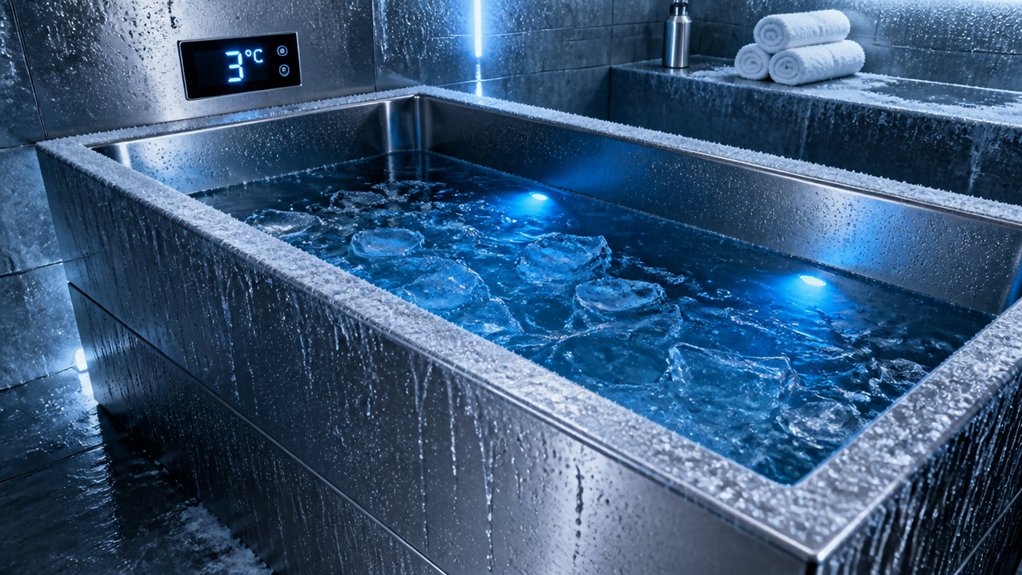
How often should you ice bath to optimize recovery and performance? For effective workout recovery, most experts recommend ice baths 2-3 times per week.
This frequency helps reduce muscle inflammation and promotes faster healing without over-stressing your body. Daily ice baths are possible but generally not advised, as excessive cold exposure can weaken your immune system and lead to hypothermia.
Start with short sessions of 1-2 minutes, then gradually increase up to 4-7 times weekly based on your tolerance. Timing also matters—schedule your ice baths within an hour after training to maximize benefits. Additionally, using muscle recovery creams after cold exposure can support muscle and joint relief and enhance your recovery routine.
Keep in mind that overdoing it beyond three sessions weekly may limit long-term muscle gains, so align your ice bath routine with your training intensity and goals.
How Do Your Fitness Goals Change the Ideal Ice Bath Schedule?
Your fitness goals play a crucial role in shaping the ideal ice bath schedule, as different objectives require tailored recovery strategies.
If you’re focused on muscle recovery and reducing inflammation after endurance workouts, ice baths 2–3 times per week can help without hindering progress. For those targeting muscle growth or hypertrophy, limit cold-water immersion to 24–48 hours post-workout, avoiding immediate post-resistance training immersion to prevent blunting muscle signaling.
Athletes seeking endurance gains may tolerate more frequent ice baths, even daily, if overall stress remains manageable. In injury rehab or chronic pain management, more frequent cold-water immersion might be necessary temporarily, then tapered.
Adjust your ice bath routine based on whether your goal is recovery, muscle growth, or performance, to optimize results. Incorporating select adaptogen supplements can support stress resilience and recovery during cold plunge routines, further enhancing your results.
When Is the Best Time to Use Ice Baths for Injury Recovery or Performance Gains?
Knowing when to take an ice bath can maximize your recovery and performance gains. Using them within an hour after exercise helps reduce soreness, while timing them 24-48 hours later supports muscle recovery without hindering strength. Pay attention to signs of readiness, like muscle fatigue and inflammation, to optimize your ice bath routine. Additionally, considering the therapeutic water temperature range of 37°F–42°F and the proper maintenance of your plunge tub can enhance the effectiveness of your recovery sessions.
Optimal Post-Exercise Timing
Timing is essential when it comes to maximizing the benefits of ice baths after exercise or injury. To reduce inflammation effectively, you should aim to use ice baths within one hour post-exercise.
Immediate immersion in water at 50-59°F (10-15°C) for 10 to 15 minutes helps limit swelling and tissue breakdown. Delaying your ice bath beyond this window may lessen its ability to control inflammation and muscle damage.
Keep these tips in mind:
- Use ice baths as soon as possible after intense training.
- Keep water temperature between 50-59°F (10-15°C) for optimum results.
- Adjust timing based on your recovery and performance goals for best outcomes.
- Proper water treatment and insulation help maintain water quality and temperature, ensuring effective recovery sessions.
Proper timing your ice bath enhances recovery, reduces inflammation, and supports muscle health.
Pre-Workout Immersion Benefits
Using ice baths before exercise can be an effective way to prepare your muscles and potentially improve performance while aiding injury recovery.
Pre-workout ice baths enhance blood flow and reduce inflammation, making your muscles more ready for activity. Immersing for 30 to 60 minutes before training can help mitigate muscle fatigue and optimize physical stress.
Cold immersion causes vasoconstriction followed by reactive vasodilation, which improves muscle oxygenation and overall performance. Timing is key—immersion immediately before exercise might impair strength, so aim for a moderate interval to maximize benefits.
For injury recovery, pre-exercise cold plunges can also reduce swelling and pain, supporting safer, more effective workouts when spaced appropriately. Proper timing guarantees you gain the most from pre-workout ice baths. Additionally, understanding the appropriate temperature range ensures safety and maximizes physiological benefits.
Signs of Readiness
How can you tell if you’re truly ready for an ice bath? Recognizing the signs of readiness guarantees cold water immersion benefits your recovery or performance goals without risks.
First, check for a stable core body temperature—your body shouldn’t feel excessively cold or shivering before starting. Second, observe your breathing—controlled and steady indicates you’re prepared. Third, avoid starting if you’re still experiencing intense pain or active inflammation, which suggests your tissues need more time to heal.
Additionally, monitoring your vitamin D levels can support overall immune and muscle recovery, helping you better tolerate cold exposure and optimize your training. Waiting until these signs are present helps you maximize muscle recovery and avoid unwanted effects like blunting muscle gains. Short immersion durations (1-2 minutes) can be effective, especially as you notice signs of cold adaptation, such as quicker skin color recovery and reduced gasping.
How Can You Tell If You’re Overdoing Cold Water Immersion?
If you notice ongoing muscle soreness or longer recovery times, you might be overdoing cold water immersion. Physical signs like numbness, prolonged shivering, or cold-related pain, along with mental fatigue or decreased motivation, can also indicate excessive exposure. Pay attention to these symptoms to avoid risking frostbite or compromising your immune health. Additionally, monitoring your oxygen levels with a reliable blood oxygen monitor can help ensure your body is responding appropriately to cold therapy.
Signs of Cold Overexposure
Ever wonder if you’re pushing too hard with cold water immersion? Recognizing the signs of cold overexposure is essential to avoid risky health outcomes. Here are three warning signals:
- Persistent shivering during or after an ice bath signals your body is struggling to maintain core temperature, indicating overexposure.
- Numbness, tingling, or pain in fingers or toes suggest early frostbite risk, a direct consequence of excessive cold.
- Feeling disoriented, confused, or unusually fatigued afterward may point to hypothermia, which requires urgent attention.
If you notice any of these signs, reduce your cold exposure time immediately. Remember, prolonged immersion below 50°F (10°C) or beyond 15 minutes increases cold-related stress and dangers like hypothermia. Proper temperature control features in modern tubs can help prevent overexposure and ensure safer experiences.
Physical and Mental Symptoms
Determining whether you’re overdoing cold water immersion involves paying attention to both physical and mental signs that your body sends. Excessive muscle soreness and long recovery times can signal overuse of ice baths, while increased fatigue and a weakened immune response suggest you’re plunging too often. Physical symptoms include excessive shivering, numbness, or cold-induced pain, indicating stress from overexposure. Mentally, you might notice irritability, anxiety, or loss of motivation. To help you stay alert, here’s a quick guide:
| Physical Signs | Mental Signs | Body’s Response |
|---|---|---|
| Persistent muscle soreness | Increased irritability | Difficulty warming after cold plunge |
| Weak immune system | Reduced motivation | Cold-induced pain |
| Hypothermia risk | Anxiety | Feeling rundown |
Stay mindful to avoid crossing into overdoing ice baths.
How Often Should You Ice Bath After Intense Workouts?
How often you should ice bath after intense workouts depends on your recovery needs and training goals. Typically, using ice baths 2-3 times per week helps reduce inflammation and soreness without compromising your strength gains.
If you want to support recovery, schedule your sessions within the first hour post-exercise, keeping them at about 10-15 minutes in temperatures between 50°F and 59°F.
Consider these points:
- Limit ice baths to avoid blunting muscle growth signals.
- Adjust frequency based on workout intensity and individual response.
- Consult a sports medicine specialist if you’re unsure about ideal timing and duration.
Following these guidelines helps you use ice baths effectively, balancing inflammation reduction and strength development.
Are Moderate Cold Plunges Just as Effective as Regular Cold Dips?
Moderate cold plunges around 50-59°F, performed 2-3 times a week, can provide recovery benefits comparable to more frequent cold dips without overtaxing your body.
These controlled exposures help reduce muscle soreness and inflammation effectively, while minimizing stress and immune suppression.
Cold Exposure Intensity
While immersing in extremely cold water can be beneficial, research shows that moderate cold plunges—around 50-59°F (10-15°C)—offer similar recovery benefits without overtaxing your body. Choosing the right water temperature is key to maximizing benefits while minimizing risks.
Moderate cold exposure, typically 4-7 times per week, helps your body adapt over time.
Consider these points:
- Lower intensity water temperature reduces the risk of hypothermia and discomfort.
- Regular moderate dips effectively decrease inflammation and muscle soreness.
- Maintaining moderate cold plunges allows consistent use, supporting long-term recovery and adaptation.
Adaptation and Efficacy
Evidence shows that regular cold dips performed around four times a week can trigger meaningful adaptations in your body without the stress associated with daily full ice baths. Cold plunging at moderate frequency helps your body adapt by improving breath control and circulation, maintaining recovery benefits like reducing swelling and muscle inflammation. Overdoing cold plunges may diminish these benefits and stress your immune system. Consistent exposure can lead to significant adaptation signs, while overexposure plateaus efficacy. Intermittent cold water immersion provides similar recovery effects to daily sessions, supporting muscle repair and reducing soreness without risking overstrain.
| Frequency | Effects | Risks |
|---|---|---|
| 2-3 times | Maintains efficacy, promotes adaptation | Lower adaptation rate |
| 4 times | Ideal recovery, adaptation | Minimal stress |
| 5+ times | Possible diminishing returns, increased strain | Reduced immune response |
| Daily | Risk of plateau, overstrain | Impaired recovery |
| Rare | Less adaptation, less reduction in swelling | Reduced benefits |
How Does Your Body Show Cold Adaptation and When Should You Adjust?
How can you tell if your body is adapting to the cold? Watch for signs of cold adaptation, like less shivering and quicker blood vessel responses.
Signs of cold adaptation include less shivering and faster blood vessel responses.
When your body adjusts, you’ll notice your skin turns pink rapidly, especially in Caucasians, which indicates better blood flow. You might also feel calmer, more focused, and able to stay composed during immersion.
To better understand your progress, consider these signs:
- Reduced shivering, showing fat adaptation and greater control
- Quicker and stronger blood vessel responses, indicated by faster skin pinking
- Calm, alert sensation rather than gasping or panic
If these signs are consistent, you can think about adjusting your ice bath routine to prevent overstressing your body and to guarantee continued adaptation.
How to Change Your Ice Bath Routine During Different Training Phases?
Your ice bath routine should evolve with your training phases to maximize recovery and support your goals.
During high-intensity or peak training, increasing ice baths to 3–4 times weekly helps reduce inflammation and muscle soreness, speeding recovery.
When you’re in strength or muscle-building phases, limit ice baths to 1–2 times a week, ideally 24–48 hours after lifting, to avoid impairing muscle growth.
In tapering or rest periods, reduce ice bath frequency to prevent excessive cold stress and let your natural recovery take over.
For endurance training, using ice baths up to three times per week is generally safe and doesn’t hinder aerobic adaptations.
Always adjust duration and frequency based on how your body responds and your overall training load.
Is Daily Cold Water Immersion Safe? Risks and Important Tips
While daily cold water immersion can help recovery, it’s generally not recommended because of the risk of hypothermia and increased stress on your immune system.
Daily cold water immersion may aid recovery but risks hypothermia and immune stress; caution is essential.
Overdoing it may weaken your immune response and cause muscle soreness if not done carefully.
If you’re considering daily sessions:
- Keep water temperature between 50°F to 59°F to minimize risks.
- Limit immersion to short periods, especially for beginners, and avoid icy currents.
- Always have warm clothing ready for rewarming and monitor how you feel during and after each session.
Individuals with cardiovascular conditions or health risks should consult a healthcare professional before attempting daily cold water immersion. Staying cautious helps prevent adverse effects and keeps your recovery safe.
Should You Ice Bath Right After Workout or Before Training?
Deciding whether to ice bath before or after exercise depends on your specific goals.
If you want faster recovery, using ice baths immediately after a workout is most effective to reduce muscle inflammation, swelling, and soreness. Cold exposure constricts blood vessels, limiting tissue damage and aiding in recovery. However, taking an ice bath right after resistance training may blunt anabolic signaling, potentially hindering muscle strength and growth over time.
On the other hand, pre-workout ice baths can boost blood flow and might reduce muscle fatigue, but evidence on their effectiveness is limited.
If your goal is improving muscle strength, it’s best to avoid daily post-exercise cold plunges, as frequent cold exposure may impair long-term training adaptations. Your routine should align with your specific fitness objectives.
How Seasons and Environment Affect Your Cold Plunge Routine?
How do seasons and environmental conditions influence your cold plunge routine? They greatly impact your safety and effectiveness in cold exposure.
During colder seasons or in low-temperature environments, hypothermia risk rises, so you should shorten plunge durations and go more cautiously. After each plunge, warming up quickly with insulated clothing and warm towels is essential to prevent prolonged heat loss.
Conversely, in warmer seasons, you might extend your ice bath slightly but must still monitor hydration and body temperature to prevent overheating. Environmental factors like wind, humidity, or currents also affect your cold adaptation, requiring flexible schedules.
Adjusting plunge durations and frequency based on seasonal and environmental conditions helps you maximize benefits while avoiding cold-related injuries like frostbite or circulatory stress.
Balancing Cold Exposure and Rest: How to Keep Progressing Long-Term?
Balancing cold exposure with adequate rest is key to making consistent progress over the long term. Limit your ice baths to 2-3 times per week, as more frequent sessions can increase muscle soreness and hinder recovery.
Avoid daily post-workout ice baths since excessive cold immersion may blunt muscle strength and growth signaling, affecting long-term training gains. Schedule ice baths 24-48 hours after resistance training to optimize recovery without compromising strength development.
Adjust your ice bath routine based on your fitness level, recovery needs, and physical stress — especially during periods of high stress or overtraining. Incorporating rest days and warm-up periods between cold plunges helps your body recover and sustain performance improvements, ensuring cold exposure supports, rather than impedes, your long-term progress.
How to Monitor Your Recovery and Know When to Increase or Cut Back?
Ever wonder if you’re recovering properly from your ice baths? Monitoring your recovery helps you decide when to increase or cut back on cold plunges.
First, track your muscle soreness and overall fatigue; if soreness persists or recovery takes too long, reduce your ice bath frequency.
Monitor soreness and fatigue; if recovery stalls, cut back on ice baths to prevent overtraining.
Second, pay attention to your daily physical and mental condition—cut back when you’re stressed or sick to prevent immune strain.
Third, observe your cold tolerance; if you notice less shivering and quicker circulation during immersion, you can gradually increase your ice bath frequency.
Recognize signs of cold adaptation, like calmness and controlled breathing, to safely extend your immersion times.
Consistent monitoring guarantees you get the benefits without overdoing it.
Personalizing Your Ice Bath Routine Based on Age and Health Conditions?
Your age and health conditions play a vital role in determining how often you should take ice baths.
If you’re older or managing chronic health issues, it’s important to adjust your routine safely to avoid adverse effects. Tailoring your approach guarantees you get the benefits without risking complications.
Age-Related Recovery Differences
As you age, your body’s ability to recover from ice baths changes, often requiring longer intervals between sessions due to slower circulation and metabolic responses. Older adults tend to have longer recovery times, making it essential to adjust your routine accordingly.
Your reduced cold tolerance means starting with shorter immersions and less frequent sessions to prevent hypothermia or cardiovascular strain.
Consider these points:
- Older adults should limit ice baths to 2-3 times weekly to support recovery without risking adverse effects.
- Slower recovery means listening to your body and allowing extra time between sessions.
- Consulting healthcare professionals is vital, especially if you have conditions like peripheral vascular disease or diabetes, to safely incorporate ice baths into your routine.
Managing Chronic Conditions
Managing chronic conditions requires careful personalization of your ice bath routine to guarantee safety and effectiveness. If you have chronic conditions like cardiovascular disease, diabetes, or neuropathies, consult your healthcare provider before beginning immersion. They can help determine safe frequency and duration, as well as appropriate water temperature.
Older adults may need shorter, less frequent cold-water immersions because of reduced cold tolerance and a higher risk of hypothermia and cardiovascular stress. For individuals with sensory or circulatory impairments, it’s best to keep water temperatures closer to 10°C and limit immersion time.
Monitoring your responses—such as shivering, skin color, or cardiovascular symptoms—is essential. Personalized ice bath routines help minimize risks while providing potential relief from chronic pain or inflammation.
Adjusting for Physical Fitness
Adjusting your ice bath routine based on age and health conditions helps guarantee safety and promotes the intended benefits. If you’re less physically fit or managing health issues, limit ice baths help workout recovery by taking them only 1-2 times a week to reduce cardiovascular and cold stress risks.
For older adults or those with cardiovascular disease, consult healthcare providers and opt for shorter immersion times.
Consider these adjustments:
- Fewer weekly sessions for beginners or those with health concerns.
- Athletes with higher fitness levels can take ice baths 2-3 times weekly but should always monitor recovery and stress.
- People with immune or nerve issues should reduce frequency and duration, prioritizing safety over routine.
Customizing your approach guarantees safe, effective use of ice baths without risking adverse effects.
Tips for Safely Building Tolerance to Cold Water Immersion?
Wondering how to build your tolerance safely when beginning cold water immersion? Start gradually with cold showers lasting about 30 seconds, then extend to 1-2 minutes over a week before trying ice baths.
When you first get into ice baths, keep the temperature between 5-10°C (41-50°F) and stay for just 1-2 minutes. To prevent shivering, adjust the cold exposure so it doesn’t initiate rapid cooling, which can be dangerous.
Pre-wet the back of your neck to activate your nervous system before full-body immersion, easing your adaptation process.
Always monitor the water temperature with a thermometer and set timers for safe limits, ideally between 10-15 minutes. Warming up immediately afterward is essential to avoid adverse reactions and safely build your body’s resistance to cold exposure.
Frequently Asked Questions
Can You Overdo Cold Plunges?
Yes, you can overdo cold plunges. Doing them more than three times a week can stress your immune system, cause muscle soreness, and increase risks like hypothermia or nerve damage. Always listen to your body’s signals.
Do Ice Baths Reduce DOMS?
Yes, ice baths can reduce DOMS by minimizing inflammation, slowing tissue breakdown, and limiting blood flow to damaged muscles. Using them within one hour post-exercise helps alleviate pain and promotes faster recovery, getting you back to training sooner.
Should You Cold Plunge if You Have Raynaud’s?
You shouldn’t cold plunge if you have Raynaud’s unless your healthcare provider approves. Cold exposure can worsen symptoms, causing pain and discoloration. Always prioritize safety, keep extremities warm, and limit exposure time if permitted.
Is a 2 Minute Cold Plunge Enough?
Yes, a 2-minute cold plunge is enough for beginners, as it helps build cold tolerance, reduces inflammation, and promotes recovery without risking discomfort or hypothermia. You can gradually extend duration as your body adapts over time.