
For cold therapy, nasal breathing is your best choice because it filters, warms, and humidifies the air, supporting better oxygen absorption through nitric oxide and maintaining CO2 balance for calmness and recovery. Mouth breathing, on the other hand, reduces oxygen delivery, causes dryness, and activates stress responses that limit cold tolerance. To get the most benefit, learn how to encourage nasal breathing and troubleshoot common issues—you’ll discover more effective strategies with continued guidance.
What’s the Difference Between Mouth and Nasal Breathing?

Have you ever wondered how mouth breathing differs from nasal breathing? When you breathe through the nose, air passes through your nasal passages first, where it’s filtered, warmed, and humidified, helping protect your lungs.
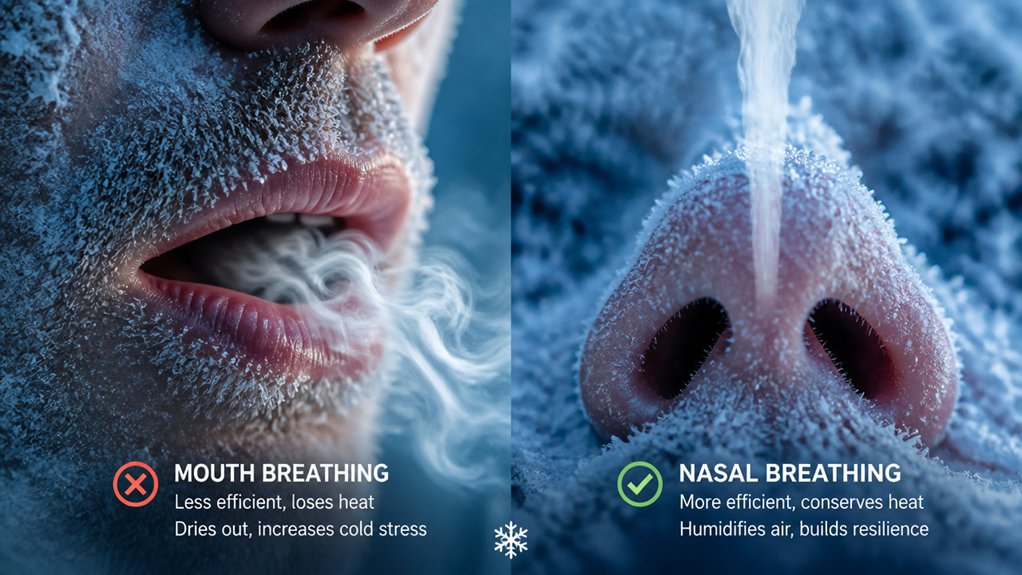
Nasal passages also produce nitric oxide, which improves oxygen absorption and circulation. In contrast, mouth breathing skips these natural defenses, often leading to less efficient oxygen delivery.
Nasal nitric oxide enhances oxygen absorption and circulation, unlike mouth breathing, which bypasses these vital natural defenses.
Breathing through the nose can deliver up to 18% more oxygen to your blood, boosting stamina and performance. It also maintains balanced carbon dioxide levels, preventing respiratory alkalosis.
Plus, nasal breathing supports better sleep by reducing snoring and sleep apnea, whereas mouth breathing tends to worsen these issues. Maintaining proper breathing techniques can enhance oxygen uptake during cold therapy, contributing to improved recovery and resilience.
Why Is Nose Breathing Better for Cold Exposure and Recovery?
Why is nose breathing superior for cold exposure and recovery? When you breathe through your nasal airway, your body releases nitric oxide, which boosts oxygen circulation and causes vasodilation. This helps protect against cold-related vascular stress and speeds up recovery.
Nasal breathing filters and humidifies cold air, reducing airway irritation and preventing the dryness often caused by mouth breathing. It also activates your diaphragm more effectively, supporting core stability and endurance. Additionally, nasal breathing helps you maintain proper CO2 balance, preventing respiratory alkalosis, which can cause anxiety. Using nasal breathing during and after cold exposure can improve sleep, reduce inflammation, and promote faster muscle recovery. Overall, it’s a safer, more efficient way to optimize your cold therapy results. Incorporating breath control tools can help reinforce proper nasal breathing techniques for maximum benefit.
How Does Mouth Breathing Affect Your Cold Therapy Results?
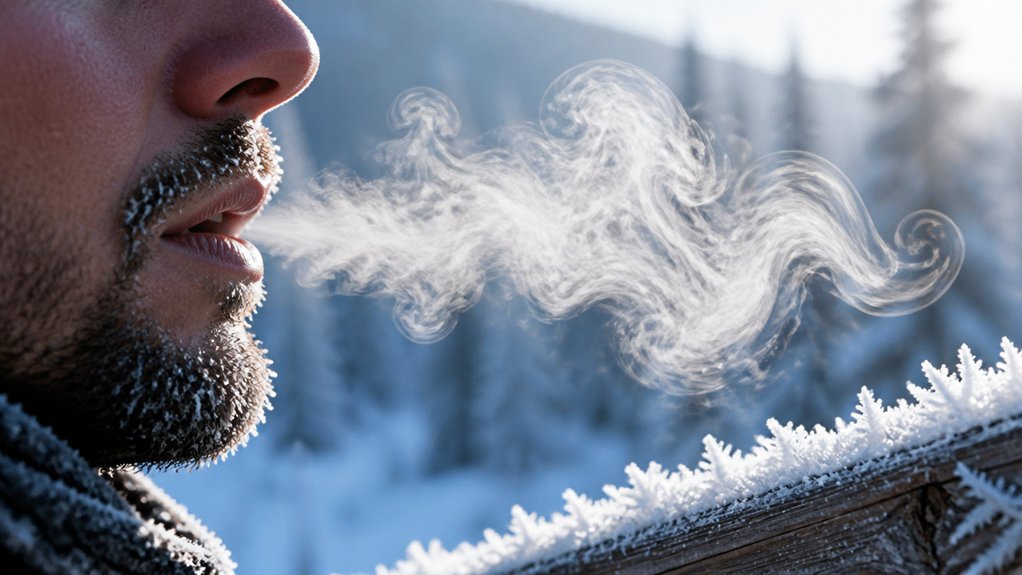
When you breathe through your mouth during cold therapy, you reduce your oxygen intake efficiency, which can limit your body’s ability to recover quickly. This habit also shifts your nervous system response, making you feel more stressed and uncomfortable. Ultimately, mouth breathing can hinder your overall cold therapy results by impairing both oxygen flow and relaxation. Using guided meditation devices that promote nasal breathing can enhance your breathing efficiency and support better recovery.
Impacts Oxygen Intake Efficiency
Mouth breathing during cold therapy can greatly reduce your oxygen intake efficiency, which may hinder your results.
When you breathe through your mouth, you miss out on the benefits of nasal breathing, such as delivering up to 18% more oxygen and producing nitric oxide that dilates blood vessels. This reduces oxygen circulation, impairing your body’s ability to optimize cold therapy benefits.
Mouth breathing also bypasses nasal filtration and humidification, increasing airway irritation and decreasing respiratory support. Additionally, it can lead to respiratory alkalosis by lowering CO2 levels, further decreasing oxygen delivery.
- Decreased oxygen delivery to tissues
- Reduced endurance and stamina during cold exposure
- Less diaphragmatic engagement for efficient breathing
- Increased airway irritation risks
- Overall diminished cold therapy effectiveness
Alters Nervous System Response
Mouth breathing during cold therapy can markedly influence your nervous system’s response, often triggering an exaggerated stress reaction. When you breathe through your mouth, your sympathetic nervous system becomes more active, heightening stress and anxiety during exposure. This response counteracts relaxation and hampers recovery. Conversely, nasal breathing releases nitric oxide, improving blood flow and helping your body better regulate its reaction to cold. Bypassing nasal pathways increases airway irritation and reduces cold tolerance. To illustrate, consider the table below:
| Breathing Type | Nervous System Response | Impact on Cold Therapy |
|---|---|---|
| Mouth | Activates sympathetic nervous system | Increases stress, lowers tolerance |
| Nasal | Promotes parasympathetic activation | Promotes relaxation, resilience |
Enhanced adaptogen synergy supports stress resilience and recovery during cold exposure, reinforcing the benefits of nasal breathing over mouth breathing.
The Benefits of Nose Breathing During Cold Sessions
Nose breathing during cold therapy enhances air conditioning, making cold air more tolerable and reducing the shock to your lungs. It also improves oxygen intake and gives you greater control over your breath, supporting better endurance. Additionally, using a thermometer with timer features can help monitor and regulate water temperature, ensuring safer and more effective cold sessions.
Enhanced Air Conditioning
Nasal breathing during cold therapy effectively enhances your body’s air conditioning system by warming and humidifying the air you breathe in. This process helps prevent cold shock to your lungs and maintains airway comfort.
When comparing nose breathing vs, breathe through your mouth, nasal breathing offers distinct advantages, especially in cold conditions. It filters out airborne pathogens and debris, reducing infection risk during exposure. Additionally, nasal breathing releases nitric oxide, which dilates blood vessels, boosting oxygen circulation and increasing your cold tolerance.
It also preserves moisture in your airways, preventing dryness and irritation. Plus, nose breathing supports better autonomic nervous system balance, reducing stress and promoting relaxation. Properly managed, sensor latency can ensure accurate and timely monitoring of your body’s response during cold therapy, enhancing safety and effectiveness.
- Warms and moistens incoming air
- Filters airborne particles
- Boosts oxygen delivery through nitric oxide
- Prevents airway dryness
- Promotes relaxation and stress reduction
Improved Oxygen Intake
During cold sessions, breathing through your nose greatly enhances oxygen intake, making your body more efficient at absorbing the oxygen it needs. Nose breathing increases oxygen intake by up to 18%, boosting your stamina and endurance by 22%.
It produces nitric oxide, which dilates blood vessels, improving oxygen circulation and protecting lung function in cold environments. When you breathe through your nose, the cold air is warmed and humidified, preventing shock to your lungs and supporting better oxygen absorption.
Additionally, nasal breathing maintains a better blood carbon dioxide balance, aiding oxygen delivery to tissues. It also activates your diaphragm more fully, strengthening respiratory muscles and enhancing overall oxygen uptake during cold exposure. Choosing nose breathing helps you get better oxygen and maximize the benefits of cold therapy sessions.
One important factor that supports these benefits is the sensor accuracy of devices used during cold exposure, ensuring your breathing patterns and physiological responses are correctly monitored.
Greater Breathing Control
Controlling your breath is key to maximizing the benefits of cold therapy, and nasal breathing offers a natural way to do this. By focusing on nasal breathing, you can breathe better and develop greater breathing control, which is essential during cold sessions. It helps regulate CO2 levels, preventing hyperventilation and ensuring steady, calm breaths.
Nasal breathing also releases nitric oxide, which dilates blood vessels and improves oxygen circulation—vital when vasoconstriction occurs in cold environments. Additionally, engaging the diaphragm with nasal breathing strengthens core muscles and reduces sympathetic nervous system activation, lowering stress responses. Incorporating insulation features into cold plunge setups can help maintain optimal water temperatures, supporting consistent breathing practices.
This combination enhances your ability to stay relaxed and centered during cold exposure, leading to more effective therapy.
- Breathe better through controlled, rhythmic nasal inhales and exhales
- Prevent hyperventilation by avoiding rapid mouth breaths
- Enhance oxygen circulation with nitric oxide release
- Strengthen core muscles via diaphragmatic engagement
- Maintain calm, consistent breathing under stress
Why Do People Default to Mouth Breathing in Cold Conditions?
Have you ever noticed yourself breathing through your mouth when outside in cold weather? Many people default to mouth breathing because nasal congestion makes it difficult to breathe normally through the nose.
Cold air can cause nasal tissues to swell or produce extra mucus, blocking airflow and triggering discomfort. Without clear nasal passages, your body instinctively switches to mouth breathing for faster air intake, especially during cold exposure or stress.
Additionally, cold, dry air irritates the nose, making nasal breathing feel uncomfortable or even painful. Some individuals aren’t used to controlled nasal breathing techniques, so they instinctively revert to mouth breathing as a natural coping mechanism.
This reflex helps you breathe more easily but can undermine the benefits of cold therapy if not managed properly.
Signs Mouth Breathing Could Be Undermining Your Cold Exposure Goals
If you notice you’re struggling to handle cold exposure or feeling more fatigued, mouth breathing might be sabotaging your efforts.
It can reduce your cold tolerance and lower breathing efficiency, making it harder to maintain calm and resilience. Switching to nasal breathing can help you breathe more effectively and maximize the benefits of your cold therapy.
Reduced Cold Tolerance
Mouth breathing during cold exposure can greatly undermine your cold tolerance by impairing critical physiological processes. When you breathe through your mouth, your body produces less nitric oxide, reducing vasodilation and hindering oxygen delivery essential for cold adaptation. This leaves you more vulnerable to rapid heat loss and airway irritation.
If you notice signs like dry mouth, frequent respiratory infections, or heightened anxiety during cold exposure, it could be a sign that mouth breathing is undermining your goals. Switching to nasal breathing enhances oxygen intake efficiency—up to 18%—and supports better resilience.
Training this shift also engages your diaphragm more effectively and promotes autonomic balance, ultimately boosting your cold tolerance and recovery.
- Reduced nitric oxide limits vasodilation
- Faster heat loss through exposed airways
- Increased airway irritation and dryness
- Greater susceptibility to respiratory infections
- Poorer oxygen efficiency reduces cold resilience
Decreased Breathing Efficiency
When you breathe through your mouth during cold exposure, your oxygen intake becomes less efficient, which can directly undermine your goals. Mouth breathing bypasses your nasal airways, eliminating the production of nasal nitric oxide that normally enhances oxygen delivery and promotes vascular dilation. This means you get up to 18% less oxygen per breath, hindering your stamina and endurance needed for effective cold therapy.
Additionally, mouth breathing can cause greater airway irritation and increase infection risk, undermining your immune response. It also reduces diaphragm engagement, weakening respiratory muscles and slowing recovery benefits.
Simple Techniques to Encourage Nose Breathing Before and During Cold Exposure
Practicing controlled nasal breathing before and during cold exposure can greatly enhance your comfort and safety.
Controlled nasal breathing before and during cold exposure boosts comfort and safety.
To encourage nose breathing, focus on engaging your diaphragm with purposeful breathing exercises that promote slow, steady inhalations and exhalations through your nose. Using gentle nasal dilators or strips can also ease airflow, even if you experience congestion.
Before cold therapy, spend a few minutes doing breathing exercises that prioritize nasal inhalation and exhalation, helping build CO2 tolerance and reducing hyperventilation risk.
During cold immersion, consciously maintain nasal breathing to support nervous system balance and optimize oxygen delivery.
- Use nasal strips to improve airflow during exercises
- Practice slow, diaphragmatic breathing exercises
- Start with short cold exposures to build endurance
- Maintain focus on gentle, steady nasal breaths
- Incorporate nasal breathing into daily routines
Can You Train Yourself to Breathe Through Your Nose in Cold Conditions?
Training yourself to breathe through your nose in cold conditions is entirely possible with consistent practice and targeted techniques. By gradually incorporating nasal breathing exercises and using tools like nasal dilators or MyoTape, you can reinforce the habit and reduce mouth breathing, even in challenging environments. Techniques from the Oxygen Advantage method improve diaphragm function and boost CO2 tolerance, making nasal breathing easier under cold stress. Additionally, nasal breathing helps warm and humidify air, protecting your airways and enhancing oxygen intake.
| Technique | Benefit |
|---|---|
| Nasal Dilators | Reduce congestion, open nasal passages |
| Breathing Exercises | Increase awareness and control |
| Cold Exposure Practice | Adapt your body to cold conditions |
| Using MyoTape | Support habit formation during sleep |
Is It Safe to Use Mouth Taping During Cold Therapy?
Using mouth taping during cold therapy can promote nasal breathing and improve oxygen intake, but it isn’t risk-free.
If you have sleep apnea, nasal blockage, or snoring issues, taping might cause breathing difficulties, so caution is essential.
Always consult a healthcare provider before trying it to guarantee your airway stays safe and clear.
Risks of Breathing Obstruction
Although mouth taping during cold therapy might seem like a simple way to promote nasal breathing, it can pose significant risks if your nasal passages become blocked.
If you experience nasal congestion, a deviated septum, or allergy-induced blockage, taping your mouth could prevent you from stopping mouth breathing during emergencies. This could lead to serious breathing difficulties when airflow is restricted.
Cold-induced airway constriction may worsen nasal obstructions, increasing danger when the mouth remains taped shut. You must consider these risks before using mouth tape during cold therapy.
- Obstructed airflow during emergencies
- Increased risk if nasal passages are blocked due to health issues
- Worsening breathing difficulties with nasal congestion
- Short-term safety concerns for those with respiratory conditions
- Need for alternative strategies to promote nasal breathing
Sleep Safety Precautions
Ensuring safety during cold therapy when considering mouth taping requires careful assessment, especially during sleep.
If you breathe through your mouth, taping may help promote nasal breathing and maintain blood vessel health. However, avoid mouth taping if you have snoring or sleep apnea, as it can cause airway obstruction and pose safety risks.
Proper sleep positioning, like side-sleeping or elevating your head, is a safer way to support breathing and prevent airflow issues.
Before attempting mouth taping, consult healthcare providers to rule out nasal congestion or respiratory conditions that could compromise your ability to breathe safely. If underlying blockages exist, tape may cause distress and hinder proper oxygen flow, which is critical for maintaining blood vessel health during cold therapy.
Proper Tape Application
Proper tape application is essential for safely using mouth taping during cold therapy. Using hypoallergenic medical tape gently across your lips helps promote nasal breathing without causing skin irritation. Make sure the tape isn’t too tight to avoid restricting emergency mouth access or causing discomfort.
Before applying, clean your lips to remove oils and dirt for better adhesion. Always check that your nasal passages are clear and you can breathe comfortably through your nose.
Remember, mouth taping isn’t suitable for everyone—consult a healthcare professional if you have sleep apnea or nasal obstructions.
- Use hypoallergenic medical tape for skin safety
- Apply gently across the lips, not too tight
- Make sure easy removal in case of discomfort
- Make sure nasal passages are open beforehand
- Consult a healthcare provider before use
Practical Tips to Keep Breathing Through Your Nose During Cold Plunges
To effectively keep breathing through your nose during cold plunges, focus on cultivating a calm, controlled breathing pattern beforehand. Practice slow, steady nasal breaths to stimulate your nasal cavity and build awareness of nasal breathing during sleep. This helps reinforce a relaxed, rhythmic pattern that carries over into cold exposure.
Start with shorter immersions, emphasizing gentle, deliberate nasal breaths to prevent hyperventilation and panic. Control your breath by engaging your diaphragm, which improves oxygen exchange and releases nitric oxide, enhancing blood flow.
As your comfort grows, gradually increase duration. Consistent practice creates a habit of nasal breathing, decreasing the likelihood of switching to mouth breathing. Staying mindful and calm during each cold plunge will help you maintain nasal pathways and maximize cold therapy benefits.
How Proper Breathing Enhances Your Body’s Cold Response
When you breathe through your nose during cold therapy, it actively enhances your body’s ability to respond to the cold, primarily by increasing oxygen delivery. This boosts your endurance and helps your body stay warm longer.
Nasal breathing produces nitric oxide, which dilates blood vessels, improving circulation and oxygen diffusion—key for maintaining warmth. Proper nasal breathing activates your diaphragm and promotes parasympathetic nervous system balance, reducing anxiety and increasing cold tolerance.
Consistent nose breathing even during cold exposure improves recovery speed and minimizes injury risk. It can also lead to better sleep by regulating your breathing patterns.
- Enhances oxygen delivery up to 18%
- Promotes better sleep quality
- Supports faster recovery after cold exposure
- Improves circulation and warmth retention
- Strengthens breathing improves overall resilience
Troubleshooting Common Breathing Challenges During Cold Exposure
Cold exposure often triggers specific breathing challenges, especially if your nasal passages become congested or obstructed. When this happens, you may involuntarily breathe through your mouth, which can increase cold sensitivity and discomfort.
To support airway health, use nasal dilators or perform nasal clearing techniques before cold therapy to help maintain nasal airflow. Incorporating breath control exercises that emphasize slow, deep nasal breathing supports diaphragm engagement and minimizes hyperventilation, common during the initial cold shock.
If nasal obstruction persists, alternating between nasal and gentle mouth breathing can help sustain oxygen intake without triggering excessive respiratory alkalosis or panic. Practicing habits like the Oxygen Advantage® or using MyoTape can help train your nasal breathing, boosting cold exposure tolerance while promoting overall airway health.
When Should You See a Professional About Your Breathing or Airway?
Ever wonder if your breathing issues signal a need for professional help? If you notice chronic nasal congestion, frequent mouth breathing, or snoring, it’s time to seek evaluation.
Persistent symptoms like dry mouth, restless sleep, or daytime breathlessness may point to underlying problems such as a deviated septum or structural issues like enlarged adenoids. If sleep is disrupted or snoring worsens, consulting a healthcare provider helps identify airway obstructions or sleep disorders.
Seek advice if you experience asthma symptoms or chronic respiratory conditions that promote mouth breathing. Also, if persistent mouth breathing occurs without clear cause, a specialist can rule out health concerns affecting your airway function.
Always consult a professional before trying interventions like nasal dilators or mouth taping.
Final Tips to Use Nasal Breathing for Better Cold Therapy Outcomes
Starting your cold therapy sessions with nasal breathing sets the foundation for better outcomes by optimizing oxygen intake and calming your nervous system. Focus on slow, deep breaths through your nose to boost nitric oxide production, which enhances oxygen uptake and supports vascular health under cold stress.
Practice maintaining nasal breathing before and during cold exposure to increase your carbon dioxide tolerance, allowing you to sustain longer, more effective sessions. Warming and humidifying the inhaled air helps reduce airway irritation and protects respiratory function.
This controlled breathing also engages your diaphragm, improving core stability and efficiency. As a bonus, consistent nasal breathing can contribute to better sleep by promoting relaxation and reducing stress.
Keep practicing, stay patient, and you’ll optimize your cold therapy results.
Frequently Asked Questions
Is It Better to Breathe Through the Nose or Mouth in a Cold?
You should breathe through your nose during a cold because it filters, humidifies, and warms the air, protecting your nasal passages and lungs. If congested, try to clear your nose to maintain these benefits and support faster recovery.
How to Breathe Properly During a Cold?
You should breathe slowly and deeply through your nose during a cold to filter and humidify the air, activate relaxation, improve oxygen efficiency, and prevent dryness or infections. If nasal passages are blocked, use mouth breathing temporarily, then clear your nose.
Is It Better to Be a Mouth Breather or a Nose Breather?
You should be a nasal breather because it delivers more oxygen, produces beneficial nitric oxide, improves circulation, reduces irritation, supports your nervous system, and enhances recovery during cold therapy, making it a healthier, more effective breathing method.
Is 4 7 8 Breathing Through Nose or Mouth?
You should perform 4-7-8 breathing through your nose because it filters, humidifies, and warms the air, enhances relaxation, increases oxygen uptake, and supports nitric oxide production, making your practice more effective and calming.