
To boost your endothelial response after immersion, time your sessions for post-exercise recovery and keep them brief—about 1 to 5 minutes in water around 10-15°C. Support this with nutrients like vitamin C, magnesium, and flavonoids to enhance nitric oxide production. Engage in moderate activity afterwards, stay hydrated, and avoid heavy meals. Monitoring your response with simple tests helps personalize your routine, so keep exploring to optimize your vascular health further.
How Cold Water Immersion Boosts Endothelial Function
Cold water immersion triggers immediate vasoconstriction, which is then followed by reactive vasodilation, improving the bioavailability of endothelial nitric oxide (NO). This process enhances vascular function by increasing shear stress on endothelial cells, stimulating nitric oxide synthase activity. Additionally, using advanced temperature control technologies can help maintain optimal immersion conditions, maximizing these beneficial effects. As a result, nitric oxide promotes vasodilation, helping to keep blood vessels healthy. Repeated cold water immersion can also reduce oxidative stress and inflammation, common culprits impairing endothelial health, especially in individuals with cardiovascular risk factors.
Studies show that this practice improves flow-mediated dilation (FMD), a key measure of endothelial function. By supporting nitric oxide production and reducing oxidative damage, cold water immersion offers a powerful way to bolster endothelial response and protect your cardiovascular system.
What’s the Best Timing and Duration for Cold Immersion?
Ever wondered when and for how long to immerse yourself in cold water for maximum endothelial benefits? The best timing is usually post-exercise or during recovery when increased blood flow and nitric oxide production improve endothelial function. Duration matters: 1 to 5 minutes in water between 10-15°C optimizes vasodilation without risking vasoconstriction. Repeated short immersions—several times weekly—support endothelial response better than long, infrequent sessions. After cold exposure, gentle warming helps maintain vasodilation and prevents rebound vasoconstriction, maximizing recovery. Incorporating insulation layers can help sustain the optimal temperature throughout your immersion.
Which Nutrients Support Endothelial Recovery After Cold Exposure?
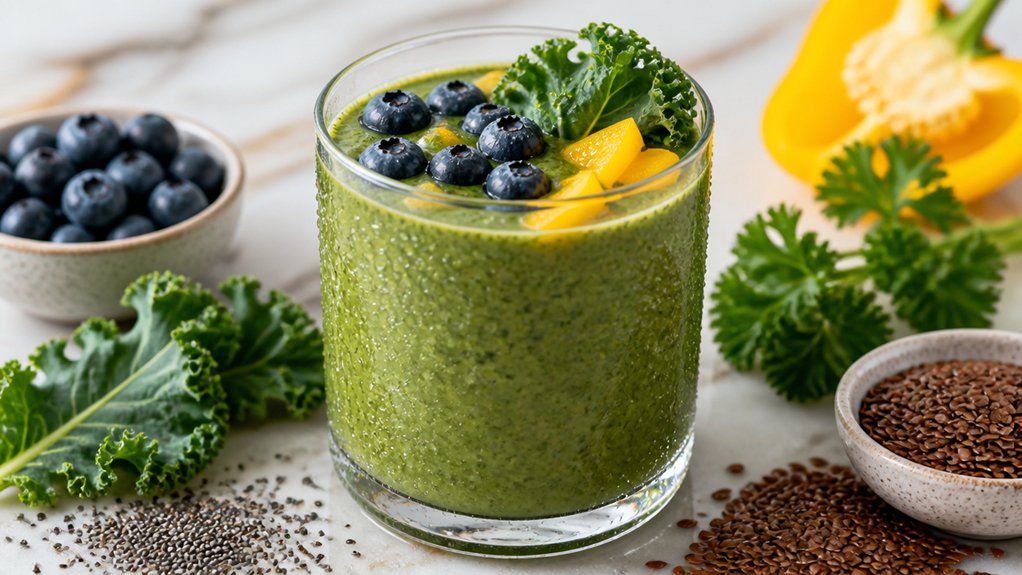
After immersing in cold water, your body undergoes vascular stress that can temporarily impair endothelial function. To support recovery, focus on nutrients that boost vascular health.
Vitamin C enhances nitric oxide availability, improving endothelial function and promoting vasodilation. Magnesium supplementation helps reduce inflammation and supports vasodilation, aiding in restoring vascular tone.
Flavonoid-rich foods and drinks increase nitric oxide production and strengthen antioxidant activity, protecting the endothelium from oxidative stress caused by cold exposure.
Coenzyme Q10, at 150-300 mg/day, enhances antioxidant defenses, reducing oxidative damage to endothelial cells. Lipoic acid, as an antioxidant and energy metabolism cofactor, can improve endothelial function under stress conditions.
Incorporating these nutrients through diet or supplementation optimizes vascular recovery after cold immersion.
Studies also suggest that proper supplement quality and bioavailability are crucial to ensure effective endothelial support and recovery.
Post-Immersion Habits for Better Vascular Health
Practicing mindful post-immersion habits can greatly enhance your vascular recovery and support endothelial health. After immersion, focus on consuming foods rich in antioxidants like vitamin C and flavonoids to boost nitric oxide availability and improve flow-mediated dilation. Engaging in moderate physical activity within a few hours helps sustain improved endothelial function by promoting blood flow and reducing oxidative stress. Avoid high-fat meals, as they impair endothelial responses for hours afterward, and instead, hydrate well to maintain blood volume and vessel resilience. Supplementing with magnesium can further support vasodilation and reduce inflammation. Incorporating electrolyte balance into your routine ensures optimal hydration and supports the delicate function of your vascular system.
How to Monitor and Adjust Your Cold Water Routine
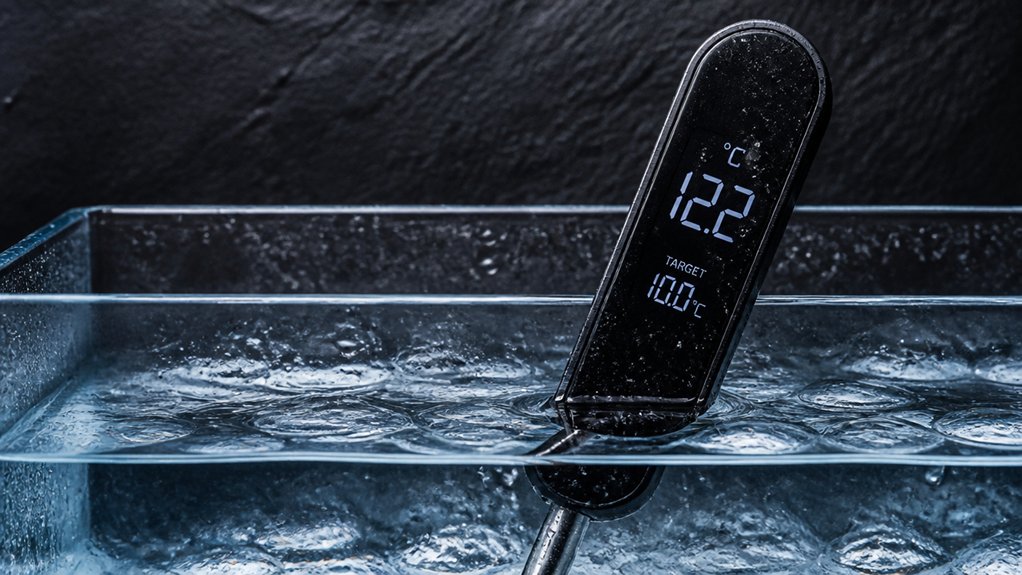
Monitoring your endothelial response during cold water routines is essential to guarantee you’re getting the desired vascular benefits without overstressing your system. Regularly assess endothelial function using non-invasive vascular reactivity tests like brachial artery flow-mediated dilation (FMD), which measures vasodilation response.
Track nitric oxide bioavailability markers, such as salivary nitrate/nitrite levels, to evaluate endothelial health and oxidative stress levels. Adjust cold water immersion duration—from a few minutes to 10 minutes—and gradually decrease temperature to optimize vasodilation without causing vascular injury.
Combine your routines with magnesium supplementation that supports enzyme activation critical for nerve and muscle function, aiding endothelial recovery. Additionally, record symptoms like circulation sensations, skin temperature recovery, or discomfort to personalize session frequency and intensity, ensuring consistent improvements in vascular health and nitric oxide-mediated vasodilation.
Frequently Asked Questions
How Do I Improve My Endothelium?
To improve your endothelium, focus on eating flavonoid-rich foods daily, take antioxidant supplements like vitamin C, engage in regular physical activity, consider magnesium or L-arginine supplements under medical guidance, and maintain a nutrient-rich diet for peak vascular health.
What Stimulates Endothelial Cells to Retract?
You might notice endothelial cells retract when inflammatory cytokines like TNF-α and IL-1β increase, oxidative stress damages cell junctions, endothelin-1 activates constriction pathways, or signals like histamine and thrombin promote shape changes and gaps to help immune cell movement.
Can You Reverse Endothelial Damage?
Yes, you can reverse endothelial damage by adopting healthy lifestyle changes, including regular aerobic exercise, quitting smoking, controlling blood pressure, and consuming antioxidants like vitamin C and flavonoids, which help restore endothelial function and reduce oxidative stress.
Do Eggs Damage Endothelial Cells?
Eggs don’t damage endothelial cells if you eat them moderately, especially in healthy individuals. However, if you have diabetes or metabolic issues, high consumption might worsen endothelial health due to increased fats and inflammation.