Before your ice bath, start with 3-5 minutes of light cardio like brisk walking or marching in place to warm up your muscles. Do dynamic stretches such as arm circles, leg swings, and hip lunges to loosen sitting muscles. Practice slow, deep breathing to calm your nervous system, and include mobility drills for your neck, shoulders, and back. Avoid rushing, and make sure you’re prepared for safe adjustment. Keep going to discover all the essential steps to optimize your recovery.
Why Warming Up Before an Ice Bath Matters
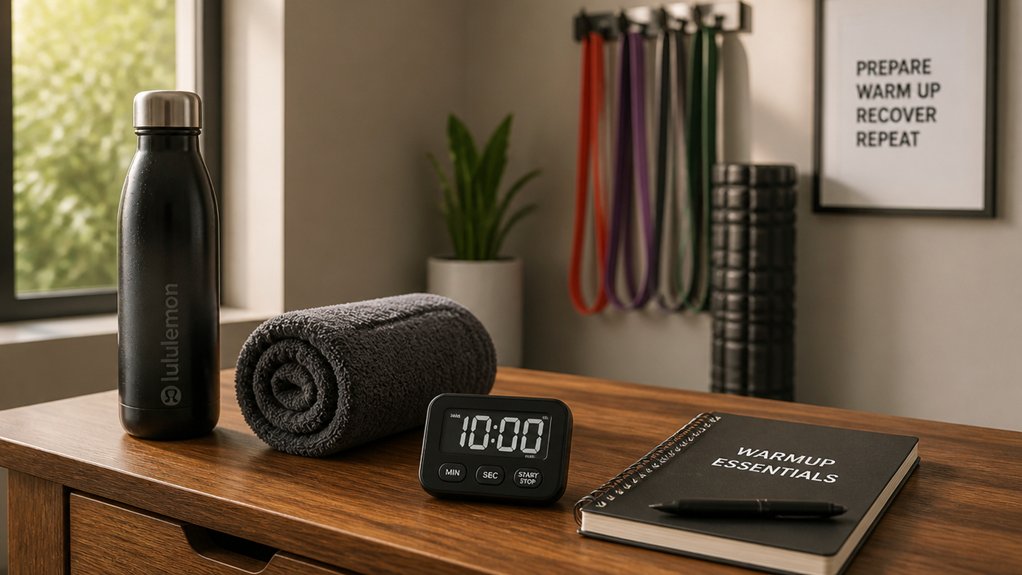
Warming up before an ice bath is essential because it prepares your body to handle the cold more effectively. By increasing your body temperature, you reduce the shock of cold exposure and help your nervous system adapt smoothly.
Engaging in pre-immersion movement like gentle dynamic exercises and stretches raises your core temperature and promotes muscle flexibility, lowering injury risks during the ice bath. It also activates your cardiovascular system, which improves cold tolerance and supports controlled breathing.
Starting with light aerobic activity or slow walking boosts mental readiness, helping you manage the initial cold shock better. A proper warmup eases the shift from sitting or working at your desk to cold water immersion, decreasing the chances of hyperventilation and dizziness while making the experience safer and more comfortable. Incorporating resistance bands during your warm-up can further enhance muscle engagement and flexibility.
How to Elevate Your Body Temperature With Light Cardio
Start with gentle warm-up exercises like brisk walking or marching in place to gradually raise your core temperature. Keep your movements consistent and easy, focusing on low-impact activities that boost blood flow without causing fatigue. Use controlled breathing to stay calm and ready for the cold immersion coming up. Incorporating size considerations into your warm-up routine can help optimize how quickly and effectively your body prepares.
Gentle Warm-up Exercises
Before diving into more intense activities, it’s helpful to begin with gentle warm-up exercises that gradually raise your body temperature. Start with 3-5 minutes of slow walking or marching in place to increase blood flow without causing fatigue.
Incorporate dynamic stretches such as arm circles, leg swings, and gentle air squats to mobilize your joints and activate muscles. Maintain steady, deep breathing throughout your warm-up to optimize oxygen delivery and prepare your nervous system for cold exposure.
These low-intensity exercises should elevate your skin and core temperature slightly, promoting mild sweating while avoiding overheating. Focus on controlled, smooth movements to safely raise your body temperature, minimize muscle tension, and reduce injury risk before shifting to the ice bath. Additionally, using a foam roller to gently massage muscles can help improve circulation and prepare your tissue for the cold plunge.
Importance of Consistent Movement
Engaging in light cardio, such as slow walking or gentle jogging for 3-5 minutes, effectively increases your core and skin temperature, preparing your body for cold exposure. Consistent movement stimulates blood circulation and gradually boosts muscle warmth, reducing cold shock. Even low-intensity exercises like arm circles, leg swings, or dynamic stretches activate muscles and raise your heart rate by 10-20%. This process supports vasodilation, balancing the vasoconstriction caused by cold water. Building a habit of movement enhances metabolic activity and improves thermoregulation before an ice bath. Incorporating timing features like countdown timers can help ensure your warm-up session is precisely executed.
Key Dynamic Movements to Loosen Sitting Muscles
To effectively loosen muscles that tighten from prolonged sitting, incorporating key dynamic movements is essential. These exercises target your body’s muscles and boost blood flow, improving mobility and reducing stiffness.
- Perform seated or standing cat-cow stretches to mobilize your spine and counteract sitting flexion.
- Do hip flexor lunges or glute bridges to activate, loosen, and stretch tight hip muscles.
- Use arm circles and shoulder shrugs to warm up your shoulder joints and upper back muscles, which often tense from typing and poor posture.
Adding these movements helps loosen sitting muscles, enhances circulation, and prepares your body for the ice bath, ensuring you get the most benefit from cold exposure.
Breathing Techniques to Calm Your Nervous System
Practicing slow, deep diaphragmatic breathing can activate your parasympathetic nervous system and curb the cold shock response.
Incorporate controlled breath holds and nasal breathing to lower your heart rate and keep anxiety at bay. . Consistent mindful breathing exercises prepare your body mentally and physically for the cold immersion ahead. Additionally, using resistance training tools can further enhance lung capacity and respiratory control, making your cold plunge experience more manageable.
Deep Breathing Exercises
Have you ever wondered how to better prepare your body for an ice bath? Deep breathing exercises are essential to calm the nervous system and activate the parasympathetic response.
These techniques help reduce cold shock and anxiety, making cold exposure more tolerable. Additionally, incorporating recovery tracking apps can help monitor your physiological responses and optimize your cold plunge routines.
To get started:
- Practice diaphragmatic breathing by inhaling slowly through your nose for 4-5 seconds, holding for 2-3 seconds, then exhaling gently through your mouth for 6-7 seconds.
- Focus on slow, rhythmic breaths to increase oxygen intake and lower your heart rate.
- Spend 5-10 minutes calming your mind with controlled, deep breaths to relax muscles and enhance mental focus before entering the ice bath.
Mindful Breathing Practices
Mindful breathing practices serve as powerful tools to calm your nervous system before an ice bath. They activate the parasympathetic nervous system, helping you reduce the cold shock response and anxiety. Focus on slow, diaphragmatic breathing: inhale through your nose for 4 seconds, hold for 4 seconds, then exhale gently through your mouth for 6 seconds. Incorporating extended exhalations triggers the vagus nerve, promoting relaxation. Rhythmic methods like box breathing—equal inhales, holds, and exhales—reset nervous system balance, preventing sympathetic overdrive. A 5-minute routine can improve oxygenation, focus, and control during cold exposure. Using guided meditation devices with breathing mode compatibility can further enhance your success.
Mobility Drills to Relieve Neck, Shoulder, and Back Tension
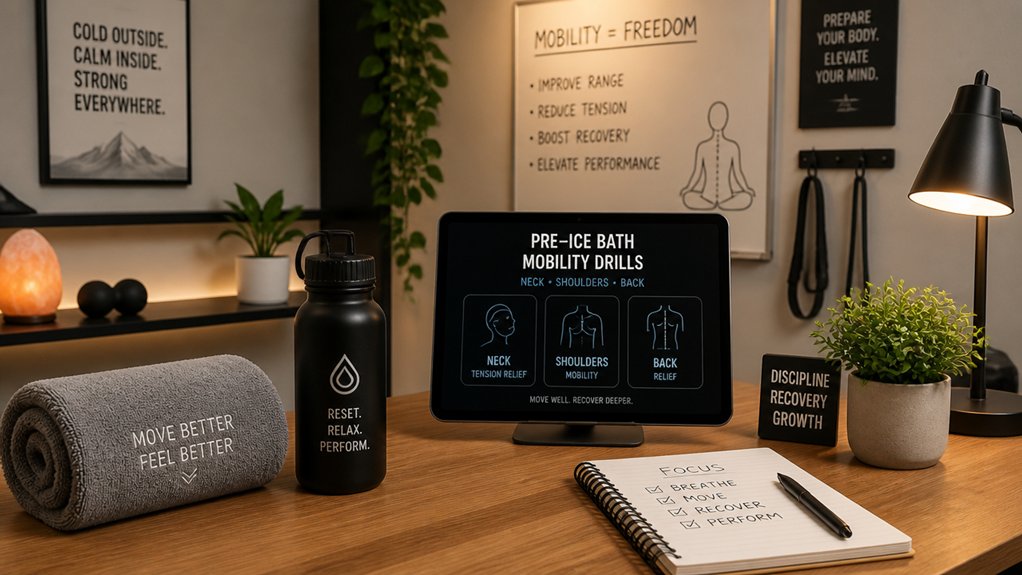
Before stepping into the ice bath, performing targeted mobility drills can greatly reduce tension in your neck, shoulders, and back. These exercises increase blood flow and loosen tight muscles, helping you prepare for cold exposure.
Start with gentle neck rotations—slowly turning your head 5-10 times each way to ease neck stiffness. Next, do shoulder rolls, both forward and backward, for 10-15 reps to release shoulder tightness from desk work. Finally, try cat-cow stretches for 8-12 cycles to improve spinal mobility and alleviate back tension.
Incorporating these movements can make your ice baths more effective by reducing discomfort and enhancing muscle recovery. Consistent mobility drills guarantee you’re physically ready, boosting your overall warmup routine and emphasizing joint recovery techniques.
How Long Should Your Warmup Last? Signs You’re Ready
Once you’ve completed your mobility drills and feel physically prepared, session your warmup to guarantee you’re ready for the ice bath. A proper warmup typically lasts 5 to 10 minutes, gradually elevating your heart rate and warming your muscles.
Signs you’re ready include feeling warm but not overheated, with stable breathing patterns and relaxed muscles. Monitor your extremities; warmth indicates good circulation, signaling that you’re prepared.
If you notice light sweating and a steady pulse, your cardiovascular system is activated enough for cold immersion. Avoid rushing; your body is ready when muscle stiffness and tension drop, and you can take slow, deep breaths comfortably.
Trust these signs to determine when you’re truly prepared for the ice bath.
What to Wear After Warming Up for Comfort and Safety
After your warmup, it’s important to choose the right clothing to stay comfortable and safe before entering the ice bath. Wearing thick, heat-retaining clothes helps maintain your body heat and prevents rapid cooling.
Opt for sweaters, jumpers, or bathrobes that are at least room temperature or warmer to support gradual rewarming and avoid sudden temperature shocks. Start dressing from the top down to effectively retain core body heat, aiding circulation and nervous system recovery.
Select breathable but insulated fabrics, which allow moisture to evaporate while preventing heat loss. Layering is also recommended, so you can easily adjust your clothes for comfort and temperature management before shifting to the cold immersion.
Proper clothing keeps you safe and makes your recovery more effective.
Hydration Tips to Prepare for Your Cold Plunge
Are you properly hydrated to maximize the benefits and safety of your cold plunge? Hydration plays a key role in maintaining blood volume and reducing cardiovascular strain during an ice bath. Aim to drink 16-20 ounces (about 500 ml) of water 1-2 hours before your session to optimize hydration without discomfort. Include electrolytes like sodium and potassium to support muscle function and prevent cramping. Avoid caffeine and alcohol, as they can cause dehydration and impair thermoregulation. Hydrating with room-temperature or slightly cool fluids is best—very cold drinks might trigger cold shock.
| Hydration Tips | Timing | Fluids to Avoid |
|---|---|---|
| Drink water | 1-2 hours prior | Caffeine, alcohol |
| Include electrolytes | Daily leading up | Very cold drinks |
| Stay hydrated | Continually | Sugary drinks |
Mental Tips to Ease Cold Shock Anxiety
To ease cold shock anxiety, start with slow, deep breaths to calm your nervous system and stay centered.
Focus on the present sensations, like your breathing or how your body feels, instead of worrying about what’s to come. Visualize yourself handling the cold calmly, framing it as a controlled challenge rather than a threat.
Controlled Breathing Techniques
Controlling your breathing can greatly reduce cold shock anxiety before stepping into an ice bath. Start by taking slow, deep breaths at about 4-6 breaths per minute to activate your parasympathetic nervous system and enjoy the mental health benefits of calmness.
Incorporate controlled breath holds between exhales, similar to Wim Hof’s “breath retention,” to increase your CO2 tolerance and manage the cold shock response. Additionally, focus your attention on each breath’s sensation to shut off mental noise, redirecting anxious thoughts.
To enhance mental preparedness further, visualize warmth and calmness during your breathing exercises. Remember, avoiding hyperventilation and maintaining even, measured breaths will help prevent dizziness or panic, making your cold exposure safer and more manageable.
Focus on Present Moment
Focusing on the present moment can greatly ease cold shock anxiety by shifting your attention away from fears about the water. By anchoring your mind and body to current sensations, you reduce mental clutter that fuels anxiety.
Practice mindfulness by noticing how your feet feel on the ground or paying attention to your breathing, especially slow, deep breaths. This focus on the present helps activate your parasympathetic nervous system, promoting relaxation and mental well-being. Use grounding exercises like counting each breath or scanning your body to maintain control over racing thoughts.
Visualize Calm Response
Visualizing a calm response before stepping into an ice bath can greatly reduce cold shock anxiety by training your mental state to expect tranquility rather than panic. When you consciously visualize calmness, you activate your parasympathetic nervous system, which helps counteract the cold shock reflex and lowers your stress response.
To practice this effectively:
- Focus mentally on feeling warmth and relaxation, reinforcing a sense of control.
- Imagine yourself breathing slowly and deeply, maintaining steady posture to prevent hyperventilation.
- Picture a successful, peaceful cold exposure, boosting confidence and reducing perceived discomfort.
This mental rehearsal prepares your mind to accept the cold sensation more calmly, reducing anxiety and enhancing your overall cold therapy experience.
Common Mistakes to Avoid During Warm-Up
Many people make the mistake of rushing their warm-up or starting with intense exercises, which can cause overheating and excessive sweating. This makes cold exposure more shocking and uncomfortable, increasing the risk of injury. Proper warm-up should involve a gradual warm-up, allowing blood vessels to dilate and blood flow to improve steadily.
Skipping controlled breathing techniques during warm-up can also heighten your cold shock response when entering the ice bath. Additionally, neglecting dynamic stretches reduces muscle activation and may lead to stiffness, impacting circulation and results.
Warming up too close to the ice bath session can also blunt cold adaptation and interfere with recovery. Take your time and guarantee your warm-up is controlled, progressive, and balanced to avoid these common mistakes.
How to Transition Safely From Warm-Up to Cold Water
Shifting safely from warm-up to an ice bath requires deliberate control to prevent shock and guarantee comfort. To do this effectively:
Transition gradually from warm-up to ice bath to ensure safety and comfort.
- Gradually increase the cold exposure by slowly entering the water, starting with your feet and hands before fully submerged. This helps your body adapt without sudden shock.
- Keep calm using deep, slow breaths learned during the warm-up, stabilizing your heart rate and preventing hyperventilation.
- Reduce physical activity in the last 1–2 minutes of warm-up before taking an ice bath, which prevents abrupt shifts in body temperature and readies your nervous system for cold exposure.
Following these steps allows for a smoother changeover from warm-up to cold water, reducing the risk of dizziness and ensuring a safer, more comfortable ice bath experience.
Foods That Help You Recover and Warm Up Faster
Consuming the right foods after an ice bath can greatly accelerate your recovery and help you warm up faster. Foods high in protein, like eggs, lean meats, and fresh soup, provide essential amino acids for muscle repair. Hot drinks such as green tea or hot chocolate promote gradual warming and improve circulation, supporting the body’s natural recovery process. Healthy fats from seeds and nuts supply sustained energy and aid in restoring body temperature. Including iron-rich foods enhances oxygen transport in your blood, benefiting muscle healing and reducing cold-induced fatigue. Eating nutrient-dense warm meals soon after cold exposure helps regulate metabolism and speeds up core temperature normalization.
| Food Type | Benefits |
|---|---|
| High-protein foods | Speed muscle repair, support immune system benefits |
| Hot beverages | Improve circulation, ease body’s natural warming |
| Healthy fats | Sustain energy, restore warmth |
Frequently Asked Questions
How Do I Prepare for My First Ice Bath?
To prepare for your first ice bath, do dynamic stretches and breathwork, start with water around 15°C, limit your session to 1-2 minutes, focus on controlled breathing, and have someone supervise for safety.
Does Cold Plunge Help With Cortisol?
Cold plunges can help regulate cortisol levels over time by reducing baseline cortisol and improving stress resilience. While there’s an initial spike, regular exposure may enhance your body’s ability to manage stress, promoting better mental and physical health.
Do Cold Plunges Help Neuropathy?
Cold plunges can help neuropathy by boosting blood circulation, reducing inflammation, and easing muscle tension. You should, however, approach cold therapy cautiously, gradually adapt, and seek medical advice to minimize risks and personalize your treatment.
Can Ice Baths Lower Blood Pressure?
Yes, ice baths can lower blood pressure over time by improving blood vessel function and activating brown fat. However, brief cold exposure may cause a temporary spike, so consult your healthcare provider before starting, especially if you have hypertension.