To help with Seasonal Affective Disorder during winter, you can try cold water immersion to boost your mood chemicals like endorphins, norepinephrine, and serotonin. Combining cold plunges with light therapy enhances circadian rhythm regulation, improving sleep and energy levels. Gradually acclimating to cold and practicing breathing exercises can increase resilience and reduce anxiety. If you stick with these strategies, you’ll discover how integrating them can further support your mental well-being throughout the season.
How Cold Plunges Can Improve Your Mood During Winter

During winter, cold plunges offer a simple yet effective way to lift your mood. Cold water immersion stimulates the release of endorphins and norepinephrine, natural mood lifters that can help ease symptoms of Seasonal Affective Disorder.
As you immerse yourself in cold water during the winter months, you activate your sympathetic nervous system, increasing alertness and combatting the lethargy common in seasonal depression. Regular cold plunges also promote better circulation and reduce inflammation, supporting overall brain function and mood regulation.
The extreme physical stimulus from winter immersion can boost your resilience to stress and enhance mental well-being, offering a complementary approach to traditional treatments. Combining cold water exposure with mindfulness and breathing techniques might further improve your mood during darker, colder days, especially when adaptogen blends are used to support stress resilience and energy regulation.
The Science: How Cold Exposure Affects Brain Chemistry
Cold exposure activates your sympathetic nervous system, leading to the release of norepinephrine, a neurotransmitter that can boost your mood and sharpen focus. For those with Seasonal Affective Disorder, this response helps counteract winter’s mood dips.
Regular cold immersion may also increase serotonin levels by stimulating brain pathways involved in mood regulation, offering a potential remedy for SAD-related serotonin deficits. Additionally, cold exposure triggers mild stress responses that improve resilience and reduce inflammation, both linked to depression.
It can also influence melatonin production, helping to normalize circadian rhythms and improve sleep patterns, often disrupted in winter depression. Overall, cold immersion adjusts key brain chemicals—norepinephrine, serotonin, and melatonin—potentially alleviating symptoms of Seasonal Affective Disorder. Properly designed cold water chillers ensure consistent and effective exposure, maximizing these physiological benefits.
Can Cold Plunges Help Reduce Winter Depression Symptoms?
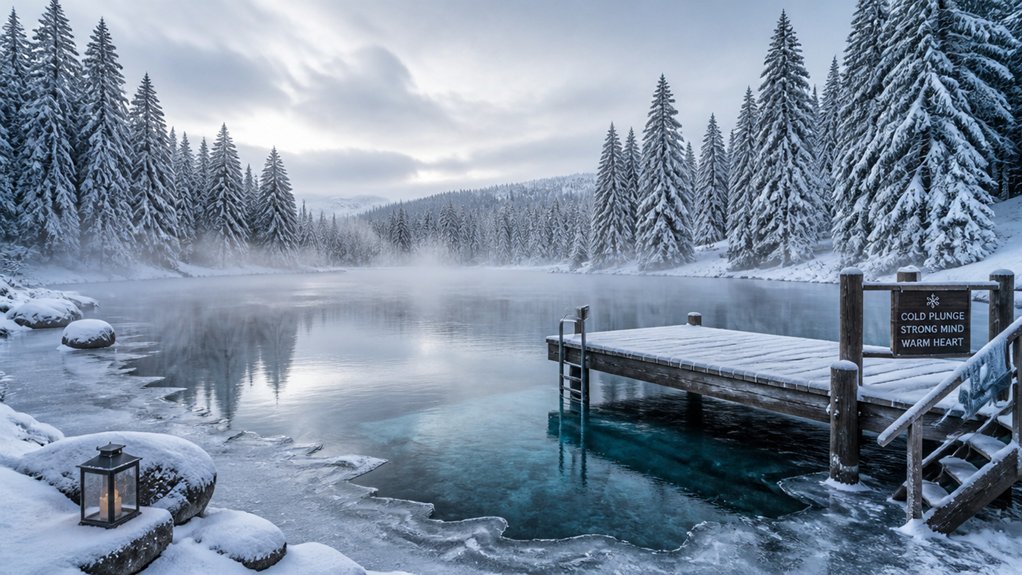
Research suggests that cold plunges may offer relief for winter depression symptoms by triggering the release of mood-boosting chemicals like endorphins and norepinephrine. This can improve your mood and help counteract the fatigue linked to Seasonal Affective Disorder (SAD). While scientific data is limited, some people report that brief cold water exposure boosts alertness and energy levels, aiding mood regulation during winter. Cold immersion activates the sympathetic nervous system, improving circulation and reducing inflammation, which may indirectly help with depression symptoms. Here’s a quick look at what cold plunges do: sensor accuracy under cold stress, ensuring reliable data to monitor physiological responses during immersion.
How to Safely Cold Plunge During Cold Winter Months
Before you plunge, start with short immersions and increase your time gradually to prevent shock and hypothermia. Always keep a warm area nearby and never go alone—help should be close if you feel dizzy or shivering uncontrollably.
Afterward, warm up slowly with dry clothes and gentle heat, avoiding rapid temperature changes that could harm your heart.
Preparing for Cold Plunge
Are you wondering how to safely prepare your body for a winter cold plunge? If Seasonal Affective Disorder or winter blues affect you, gradual acclimation can help ease your adjustment. Start with shorter cold showers or brief exposure to cold air to reduce shock and build tolerance.
Always check the water temperature and confirm it’s between 50°F to 59°F (10°C to 15°C) for a safe and effective experience. Limit initial immersions to 1-3 minutes, then slowly increase the duration while watching for signs of numbness or dizziness. Using insulation and durable materials can help maintain consistent water temperatures and improve overall safety during cold plunges.
Afterward, warm up quickly by drying off, wearing insulated clothing, and drinking warm fluids. If you have health concerns, consult a mental health professional before starting cold plunges, especially if you’re considering it as part of your light therapy routine.
Safety Precautions Essential
When cold plunging during the winter months, safety must be your top priority to prevent injury or adverse health effects. Always consult a health care provider before attempting cold water immersion, especially if you have heart or respiratory conditions, as cold exposure can stress your cardiovascular system.
Follow safety precautions by limiting immersion to 1 to 3 minutes initially, gradually increasing as your body adapts. Enter the water slowly to avoid cold shock and maintain controlled breathing throughout.
Never cold plunge alone—always have supervision or a buddy nearby to assist in emergencies or adverse reactions. After exiting, warm your body immediately with dry towels, warm clothing, and drinks to prevent hypothermia and prolonged cold exposure.
Supervised immersion guarantees safety and reduces risks. Additionally, using proper water treatment can help ensure water quality and skin safety, further supporting a safe cold plunge experience during the winter.
Post-Plunge Recovery Tips
After stepping out of the cold water, it’s essential to warm up gradually to prevent hypothermia and help your body regain its normal temperature. Move to a dry, warm environment and put on dry clothes quickly. Engage in light physical activity like stretching or walking to boost circulation and reduce muscle stiffness, but avoid overexertion. Hydrate with warm beverages, such as herbal tea, to restore internal warmth and aid recovery; steer clear of alcohol, which impairs your warming mechanisms. Keep sessions within 5-10 minutes and monitor for signs of cold stress like shivering, numbness, or dizziness. If any symptoms occur, exit immediately. Incorporating proper insulation and temperature control strategies can further enhance your safety and comfort during winter cold plunges. Proper recovery helps prevent hypothermia and supports safe cold immersion during winter months.
Boost Your Mood: Combining Cold Plunges With Light Therapy
Combining cold plunges with light therapy can naturally boost your mood by activating your body’s stress response while offsetting winter’s lack of sunlight. This approach not only increases circulation and energizes you but also helps synchronize your biological rhythms for better overall well-being. Just remember, consult a healthcare professional before starting this combination, especially if you have cardiovascular or respiratory issues. Incorporating infrared light therapy may further enhance the therapeutic benefits of your contrast therapy routine.
Enhancing Mood Naturally
Boosting your mood naturally during the winter months can be achieved by pairing cold water immersion with light therapy, creating a powerful synergy. This combo enhances serotonin production, combatting Seasonal Affective Disorder (SAD) and boosting energy. Cold plunges stimulate your sympathetic nervous system, increasing norepinephrine to alleviate winter fatigue. Using a 10,000 lux light box for 30–45 minutes daily, either before or after cold immersion, helps regulate your circadian rhythm, improving sleep and reducing melatonin overproduction. Combining these practices as part of your routine supports mental clarity and mood stability. To optimize benefits, consider this table:
| Practice | Effect | Timing |
|---|---|---|
| Cold water immersion | Boosts norepinephrine, mood | Morning or evening |
| Light therapy | Regulates circadian rhythm | 30-45 mins daily |
| Serotonin boost | Improves mood, energy | After cold plunge |
| Sleep regulation | Enhances sleep quality | Evening |
| Routine consistency | Sustains long-term benefits | Daily |
Additionally, understanding the wavelengths utilized in red and near-infrared light therapy devices can help optimize your recovery and mood benefits.
Boosting Circulation Benefits
Cold plunges can activate your circulation by causing blood vessels to constrict and then dilate, which helps deliver oxygen and nutrients more efficiently to your brain and body. This improved circulation can counteract the sluggish blood flow often experienced during Seasonal Affective Disorder (SAD), boosting your energy levels.
When combined with light therapy, cold plunges may enhance endorphin release and increase alertness, supporting mood regulation. The cold immersion stimulates circulation, helping reduce winter lethargy, while light therapy aligns your circadian rhythms disrupted by shorter daylight hours.
Together, these methods create a synergistic effect that can amplify symptoms relief. However, if you have heart or circulatory issues, consult a healthcare provider before incorporating cold plunges with your SAD management routine.
Synchronizing Biological Rhythms
As winter’s shorter days disrupt your body’s natural circadian rhythms, syncing them becomes essential for maintaining mood and energy. Combining cold immersion, like winter cold plunges, with morning light therapy can help reset these rhythms, alleviating Seasonal Affective Disorder (SAD).
Cold exposure stimulates the release of norepinephrine, which enhances mood and cognitive function, complementing the serotonin boost from light therapy. Regular, timed morning sessions of bright 10,000 lux light combined with brief cold immersion can improve sleep quality and address melatonin imbalances common in winter SAD.
This integrated approach activates your body’s natural stress response, increasing energy, while light therapy compensates for reduced sunlight. Together, they synchronize your circadian rhythms, fostering better mood regulation and reducing fatigue.
How Cold Immersion Can Improve Sleep in Winter
During winter, immersing yourself in cold water can directly promote better sleep by helping your body relax and lowering your core temperature. Cold immersion triggers a natural decline in body temperature, signaling to your brain that it’s time to rest and thereby improving sleep patterns.
It also helps regulate your circadian rhythm, which can become disrupted during darker months, supporting more consistent and restorative sleep. For those with Seasonal Affective Disorder (SAD), cold exposure may enhance sleep efficiency and reduce symptoms like hypersomnia.
Additionally, cold immersion increases the release of neurotransmitters such as norepinephrine, which can boost alertness during the day and promote easier sleep onset at night. Using cold immersion alongside traditional treatments may offer valuable support for winter sleep health.
Benefits of Cold Exposure for Seasonal Affective Disorder

Exposure to cold during winter can have a powerful impact on mood and mental health, especially for those experiencing Seasonal Affective Disorder (SAD). Cold exposure can stimulate the release of endorphins and norepinephrine, which help lift depression and improve overall mood.
Regular cold immersion boosts resilience to stress, enhances alertness, and counters the lethargy common with SAD. Additionally, winter immersion increases circulation and activates the sympathetic nervous system, aiding in the regulation of disrupted biological rhythms.
Some studies suggest that cold exposure boosts brown fat activity, supporting better metabolic and mental health during colder months. These benefits can complement light therapy, making cold exposure a useful adjunct in managing SAD symptoms.
What Are the Risks of Cold Plunging? Safety Tips You Need to Know
Have you considered the potential risks of cold plunging before jumping in? Cold water immersion can trigger hypothermia if you stay too long or if the water’s extremely cold. The cold shock response might cause rapid breathing, an increased heart rate, or muscle control loss, especially risky if you have heart or respiratory conditions. Always avoid cold plunging alone; having a buddy guarantees help if reactions occur. It’s important to consult your healthcare provider before starting, particularly if you have cardiovascular issues. Proper warming up and gradual acclimatization are crucial safety tips to reduce frostbite or muscle cramps. Here’s a quick risk overview:
| Risk | Symptoms/Effects | Safety Tip |
|---|---|---|
| Hypothermia | Shivering, confusion, fatigue | Limit time; monitor water temp |
| Cold Shock Response | Rapid breathing, dizziness | Don’t dive unexpectedly |
| Cardiac Risks | Irregular heartbeat, chest pain | Consult your provider first |
| Frostbite | Numbness, skin discoloration | Warm incrementally |
| Muscle Cramps | Pain, loss of movement | Warm up properly |
How to Incorporate Cold Therapy Into Your Winter Routine
Incorporating cold therapy into your winter routine can be a simple yet effective way to boost your mood and resilience against Seasonal Affective Disorder (SAD).
To maximize benefits, start gradually with winter immersion, like cold water baths or outdoor exposure. These practices stimulate the release of endorphins and norepinephrine, helping improve alertness and mood.
To incorporate cold therapy effectively:
- Begin with brief cold showers or outdoor exposure after waking.
- Combine cold therapy sessions with light therapy for enhanced mood regulation.
- Increase cold exposure gradually to build resilience and circulation.
- Always prioritize safety, especially if you have health conditions, and consult a professional initially.
Consistent cold therapy, alongside other treatments, can support your fight against SAD during winter.
Why Consistency Matters for Getting the Mood-Boosting Benefits of Cold Plunges
Maintaining a regular cold plunge routine is key to releasing its full mood-boosting potential. If you’re dealing with seasonal affective disorder, consistent plunges help regulate your mood by repeatedly triggering the release of endorphins and norepinephrine, combating sad, winter-related feelings.
Regular exposure improves sleep quality and reduces fatigue, supporting your biological rhythms disrupted by shorter daylight hours. Over time, a consistent routine strengthens your body’s stress response system, making you more resilient to seasonal mood changes.
Repeated cold immersions also enhance your ability to modulate inflammation and serotonin pathways, both linked to mood improvement in SAD. Sporadic cold plunges won’t deliver the same benefits; consistency across winter months is essential for lasting mood stabilization and overall well-being.
Real Stories: How Cold Plunges Helped Others Beat Winter Blues
Many people find that cold plunges give their mood a quick lift by releasing feel-good chemicals like endorphins and norepinephrine.
When you incorporate winter rituals, such as cold water immersion and connecting with nature, you often experience a renewed sense of energy. Hearing how others have used these practices to beat winter blues can inspire you to try them yourself.
Cold Plunges Boost Mood
Personal stories highlight how cold plunges can lift mood and combat winter blues. Submerging in cold water activates your body’s sympathetic nervous system, releasing mood-boosting neurotransmitters like norepinephrine that help ease depressive symptoms.
Regular cold plunges can also stimulate endorphin production, providing natural stress relief and elevating your overall mood. Many find that cold water immersion reduces feelings of lethargy and boosts energy, addressing fatigue common in SAD. It also sharpens mental clarity, countering sluggish thinking.
To maximize benefits, consider these key points:
- Cold plunges stimulate neurotransmitter release.
- They naturally elevate mood without medication.
- Combining with light therapy enhances mental health.
- Regular immersion helps reduce depressive symptoms.
Engaging in Winter Rituals
For those battling winter blues, incorporating cold plunges into your seasonal routine can be a transformative ritual. Winter immersion with cold plunges stimulates the release of endorphins and norepinephrine, which helps lift your mood and reduces SAD symptoms.
Many individuals share that regular cold water immersions helped them overcome winter fatigue and break free from winter-pattern depression. Immersing in cold water during winter activates your sympathetic nervous system, boosting alertness and creating a natural antidepressant effect.
These rituals not only improve mood but also build resilience against seasonal changes. Some combine cold plunges with light therapy or mindfulness for even greater relief.
Connecting With Nature
Connecting with nature through cold plunges offers a powerful way to combat winter blues, as real stories reveal how this practice has helped others find relief.
Cold water immersion, like winter plunges, boosts mood by releasing endorphins and norepinephrine, easing Seasonal Affective Disorder (SAD) symptoms. Many report feeling more alert and energized after regular cold plunges, improving their winter experience.
Engaging in outdoor activity during cold water immersion also increases daylight exposure, which is essential for mood regulation. To maximize benefits:
- Practice gradual cold water immersion to build resilience.
- Combine winter plunges with outdoor activities to enhance daylight exposure.
- Use mindfulness during dips to improve present-moment awareness.
- Maintain consistency for lasting mood improvements.
This approach helps reshape your relationship with winter discomfort and boosts overall resilience.
Enhance Cold Exposure Benefits With Breathing and Meditation
Combining breathing techniques like the Wim Hof Method with cold immersion can greatly boost its benefits, especially for managing Seasonal Affective Disorder (SAD).
Combining Wim Hof breathing with cold exposure enhances mood and resilience during winter SAD.
When you incorporate breathing exercises and meditation during cold exposure, you enhance your body’s stress response and mood regulation. Mindful meditation helps reduce anxiety and depressive symptoms by fostering relaxation and building resilience against discomfort.
Breathing exercises increase oxygenation and stimulate your sympathetic nervous system, counteracting lethargy common in winter SAD. Practicing meditation during cold immersion also heightens awareness of physiological sensations, helping you better manage irritability and negative thoughts.
Research shows that integrating these practices with cold therapy can boost endorphin release and improve neurochemical balance, providing valuable support for mood improvement during darker winter months.
When Should You Talk to a Professional About Cold Therapy for SAD?
Incorporating breathing techniques and meditation into cold immersion can greatly boost the mood-lifting effects for those dealing with Seasonal Affective Disorder. However, you should consult a mental health professional before starting cold therapy, especially if you have cardiovascular issues or cold sensitivity.
Seek advice if you experience adverse reactions such as numbness, pain, or prolonged shivering during winter immersion. Additionally, talk to a specialist if you notice that cold therapy worsens your mood or causes physical strain. Recognize these signs to guarantee safety within your treatment plan.
Remember to:
- Discuss cold therapy with a mental health professional
- Avoid cold therapy if adverse reactions occur
- Get professional advice if combining treatments
- Seek help promptly if symptoms worsen
What’s Next? Emerging Trends and Research in Cold Therapy for Mental Health
What does the future hold for cold therapy in mental health treatment? Emerging research indicates that controlled winter immersion could boost mood and reduce depressive symptoms by activating the body’s stress response.
Cold therapy can increase norepinephrine in the brain, helping improve attention and decrease inflammation linked to depression. Preliminary trials are exploring cold-water immersion as a complementary approach to treat Seasonal Affective Disorder (SAD).
Researchers are also investigating how cold exposure may regulate circadian rhythms and melatonin production, which are often disrupted during winter. Innovative treatments are now combining cold therapy with light therapy to target neurochemical imbalances more effectively.
These advancements suggest that cold therapy could become a valuable tool, improving outcomes for those suffering from seasonal depression.
Frequently Asked Questions
How to Combat SAD in Winter?
To combat SAD in winter, you should use a bright light box daily, spend time outdoors near sunlight, exercise regularly, follow a consistent sleep schedule, and consider therapy like CBT-SAD to challenge negative thoughts and improve mood.
How Do You Treat Seasonal Affective Disorder?
You can treat SAD by using light therapy daily, engaging in therapy like CBT, taking prescribed antidepressants, boosting vitamin D levels if needed, spending time outdoors, exercising regularly, maintaining consistent sleep routines, and working closely with your healthcare provider.
What Are the Healthy Coping Skills for Seasonal Affective Disorder?
You can cope with SAD by engaging in daily light therapy, staying active, maintaining a consistent sleep schedule, practicing CBT, and increasing natural daylight exposure—these strategies help boost mood and regulate your body’s rhythms during winter.
What Vitamins Are Good for SAD Syndrome?
You may find vitamin D helpful for SAD, but consult your healthcare provider first to determine the right dose. B vitamins like B12 and omega-3 fatty acids could support your mood, though evidence varies.