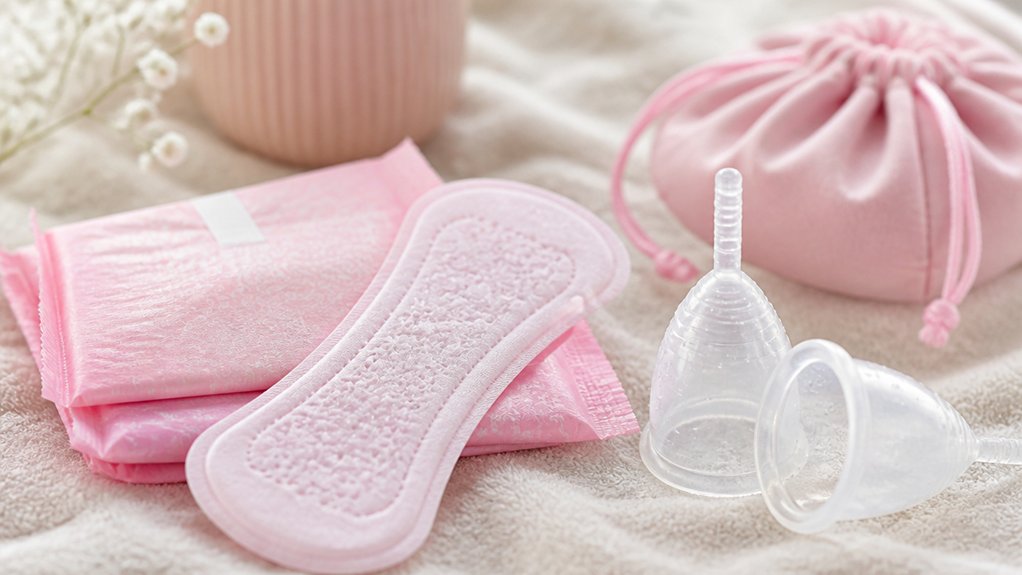
During menstruation, it’s important to be aware of risks like heavy bleeding, infections, or abnormal symptoms that may signal underlying health issues. Using the wrong products, not maintaining hygiene, or ignoring warning signs can lead to complications like anemia or infections. Certain conditions or medications may also contraindicate specific menstrual practices. To stay safe, pay attention to your body and seek medical advice when needed. If you want to understand how to protect your health better, explore further insights.
What Is Normal vs. Abnormal Menstrual Bleeding?
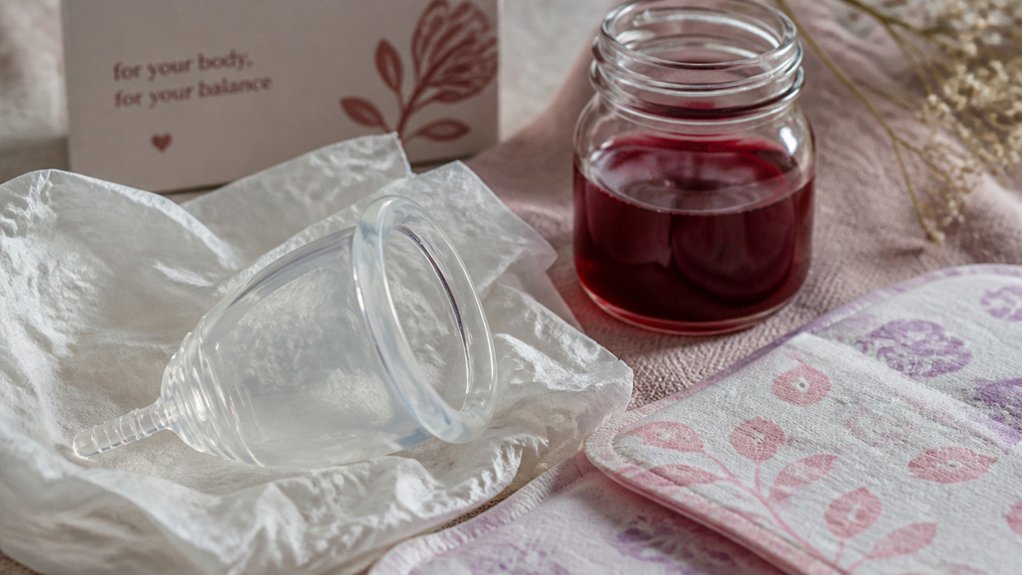
Understanding the difference between normal and abnormal menstrual bleeding is essential for your health. Normal menstrual bleeding usually lasts between 3 to 7 days, with a moderate flow that requires about 4 to 6 sanitary products daily.
If your bleeding is heavy, soaking through pads or tampons every hour for several hours, it’s a sign of abnormal bleeding. Heavy bleeding, also called menorrhagia, may include prolonged or excessive flow and might disrupt your daily life.
Conversely, spotting between periods or bleeding lasting longer than a week can also be abnormal. Keep an eye on sudden changes, especially if accompanied by pain or bleeding after menopause. Recognizing these signs helps you seek medical advice promptly.
How Do Heavy Bleeding and Clots Signal Underlying Health Concerns?
Heavy bleeding and large clots can be signs of hormonal imbalances or underlying health conditions that need attention.
If you notice these changes, it could indicate bleeding disorders, fibroids, or other issues affecting your health. Recognizing these signals helps you seek timely medical evaluation and care.
Indicators of Hormonal Imbalance
When you notice that your periods are unusually heavy or passing large blood clots, it can be a sign that your hormonal balance is off. Heavy menstrual bleeding exceeding 80 mL or lasting more than a week may indicate disruptions in estrogen and progesterone, or underlying issues like thyroid problems. Passing large blood clots, larger than a quarter, often signals excessive uterine bleeding caused by hormonal imbalance or conditions such as fibroids or coagulation disorders. Persistent heavy bleeding and clotting can also lead to iron deficiency anemia. These signs often reflect unopposed estrogen stimulation or hormonal dysregulation affecting your menstrual cycle. Monitoring these symptoms along with fatigue or irregular patterns helps determine when to seek medical advice for potential hormonal imbalances impacting your reproductive health. Using natural water treatments in ice baths or cold plunge setups can promote sustainable hydration and skin health, which may support overall well-being during hormonal shifts.
Signs of Bleeding Disorders
Noticing unusually heavy bleeding or passing large blood clots during your periods can be signs of underlying bleeding disorders. If you’re soaking through one or more pads or tampons every hour for hours, this excessive bleeding may indicate a blood clotting issue.
Passing large blood clots—especially those larger than a quarter—can signal abnormal blood flow or uterine problems needing medical attention. Additionally, bleeding lasting longer than seven days, or menstrual flow so heavy it causes fatigue or anemia, points to a possible blood disorder.
Be alert if you experience:
- Uncontrollable bleeding that overwhelms your regular protection
- Large blood clots that seem out of the ordinary
- Prolonged bleeding affecting your daily life
Proper diagnosis and management are essential, as these symptoms can be related to specific hemorrhage conditions that require targeted treatment.
How Can Menstrual Disorders Affect Your Overall Health?
Have you ever considered how menstrual disorders can impact your overall health? Conditions like heavy bleeding (menorrhagia) can lead to anemia, making you feel exhausted and lowering your immunity.
Menstrual disorders can cause fatigue and weaken your immune system, highlighting the importance of timely medical attention.
Irregular or absent periods (amenorrhea) might signal hormonal imbalances that affect your fertility and bone strength.
Severe menstrual pain (dysmenorrhea) can disrupt your daily routine and may point to underlying issues like endometriosis.
Persistent abnormal vaginal bleeding needs medical attention to rule out infections or other serious conditions.
Left untreated, menstrual disorders can cause psychological stress, anxiety, and depression, further affecting your overall well-being. Recognizing how these issues influence your health helps you seek timely care and maintain better balance and essentiality.
Recognizing the Signs of Infection During Your Period
During your period, pay close attention to any unusual vaginal odor, itching, or burning, as these can be signs of infection. Persistent or worsening pelvic pain and discomfort shouldn’t be ignored and may indicate a need for medical check-up. If you notice abnormal discharge or severe pain, see a healthcare provider promptly to guarantee your health and safety. Using gentle, fragrance-free body washes can help maintain your skin’s health and prevent irritation during this sensitive time, especially if you experience increased skin sensitivity fragrance-free formulas.
Unusual Vaginal Odor
Ever wonder what an unusual vaginal odor during your period might mean? It could be a sign that your menstrual health needs attention. A strong, foul, or fishy smell may indicate bacterial vaginosis or other infections that require medical evaluation. Using appropriate water treatments and maintaining water chemistry can help prevent some risks associated with infections.
Be alert if you notice:
- A persistent, worsening smell despite good hygiene.
- Itching, burning, or unusual discharge accompanying the odor.
- Using scented products or soaps causing irritation and contributing to the problem.
Maintaining proper menstrual hygiene is key—frequent pad or tampon changes and washing with water help prevent infection-related odors.
If the odor persists or worsens, don’t wait—seek medical advice to protect your health and restore comfort.
Persistent Discomfort or Pain
Persistent discomfort or pain during your period can be more than just normal cramping; it might be a sign of an underlying infection. If pain worsens or doesn’t improve with typical relief methods, schedule a pelvic exam to identify possible issues like bacterial vaginosis or a yeast infection.
Unusual vaginal odor, itching, or burning sensations throughout your period could also signal an infection. If you experience fever, chills, or pain accompanied by swelling, redness, or abnormal discharge, seek medical care promptly—these may indicate a more serious pelvic infection.
Additionally, spotting or bleeding between periods alongside pain might suggest pelvic inflammatory disease. If you’re using menstrual suppression methods, any persistent pain warrants a healthcare visit to prevent complications and make certain your reproductive health stays protected.
When Should I See a Doctor About My Menstruation?
Knowing when to see a doctor about your menstruation can be essential for maintaining your health. If your menstrual cycles change suddenly—becoming irregular, very painful, or stopping without explanation—it’s time to consult a healthcare provider.
Seek medical help if your period suddenly becomes irregular, painful, or stops without explanation.
You should also seek medical advice if you experience:
- Unusually heavy or prolonged bleeding that affects your daily life or causes anemia.
- Significant changes in vaginal odor, pelvic pain, or discomfort during your period.
- Signs of infection, such as fever, chills, or unusual discharge.
- Noticeable shifts in menstrual cycle symptoms that may indicate hormonal imbalance or other underlying issues, such as menstrual health.
Regular check-ups, including pelvic exams and Pap smears, help monitor your reproductive health and catch issues early. Don’t ignore symptoms that disrupt your well-being—your healthcare provider is there to help keep your menstrual health on track.
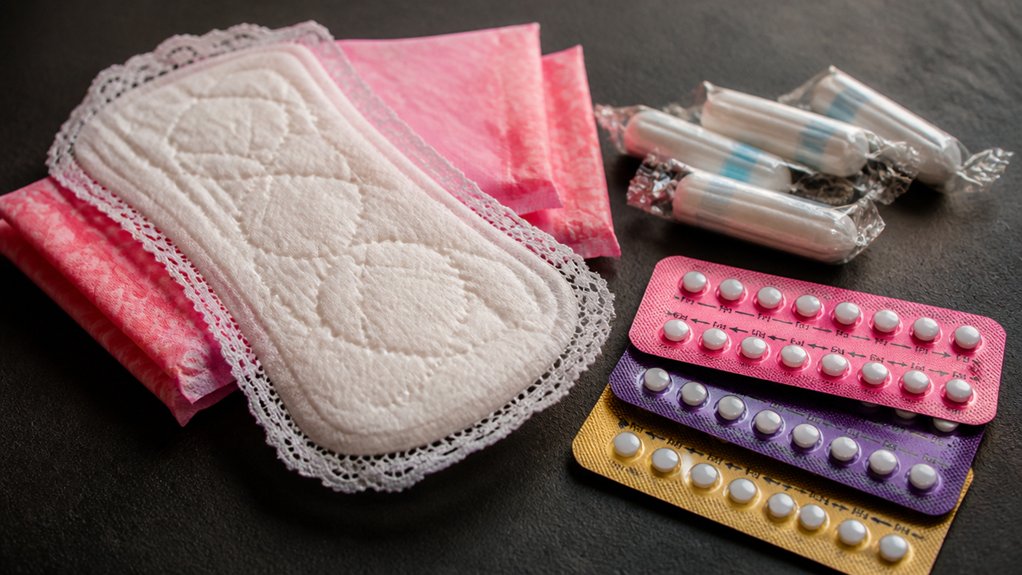
Risks of Menstrual Products for Specific Medical Conditions
Certain medical conditions can influence how safe or appropriate specific menstrual products are for you. If you’ve had toxic shock syndrome (TSS), it’s essential to avoid or limit tampon use, choosing the lowest absorbency to prevent recurrence.
People with vaginal infections or sensitive skin should opt for unscented, hypoallergenic products to reduce irritation or allergic reactions. Failing to change or sterilize products regularly increases the risk of vaginal infections, especially if your immune system is compromised.
Those with bleeding disorders or on anticoagulants need careful management; consult your healthcare provider to select suitable products for heavier bleeding.
Additionally, women with pelvic organ prolapse or anatomical abnormalities may struggle with internal products like tampons or cups and might require alternative external options or medical guidance. Regular cleaning and proper treatment of menstrual products can also help maintain water quality and hygiene, which is especially important for individuals with compromised immune systems water treatment guidelines.
How Do Menstrual Conditions Impact Your Well-Being?
Menstrual conditions like heavy bleeding or severe cramps can disrupt your daily routines and cause discomfort. If left unmanaged, they might lead to fatigue, anemia, or other health issues. Incorporating adaptogens for stress resilience may help support your body during these challenging times. Understanding how these symptoms affect your well-being is key to seeking proper care and making informed choices.
Menstrual Pain Effects
Menstrual pain can greatly disrupt your daily life, causing intense cramps, headaches, nausea, and fatigue that make it difficult to focus or carry out normal activities. This pain, known as dysmenorrhea, often results from elevated prostaglandin levels, leading to uterine contractions and inflammation.
The effects can be emotionally draining and physically debilitating.
- You might find yourself feeling anxious or depressed as persistent pain wears on your mental health.
- Your energy levels could plummet, making simple tasks feel overwhelming.
- Chronic or severe pain may even hinder your social life, leading to feelings of isolation.
Managing menstrual pain is essential to protect your well-being, allowing you to stay active, focused, and emotionally balanced during your cycle.
Heavy Bleeding Risks
Heavy bleeding during your period can greatly impact your overall health and daily life. Excessive menstrual bleeding, or menorrhagia, can lead to iron deficiency anemia, leaving you feeling fatigued, weak, and less able to enjoy everyday activities.
If hygiene isn’t maintained properly during prolonged bleeding, your risk of infection increases. Underlying conditions like fibroids, hormonal imbalances, or bleeding disorders often cause heavy menstrual flow and may require medical attention.
Persistent heavy bleeding can disrupt your routines, worsen cramps, and sometimes necessitate hormonal or surgical treatments to manage symptoms. Ignoring heavy bleeding can result in severe consequences, including hospitalization due to significant blood loss.
Addressing heavy menstrual bleeding early is crucial for protecting your health and well-being.
Cycle Irregularities Impact
Cycle irregularities can greatly affect your overall well-being, as unpredictable or prolonged bleeding often signals underlying health issues like hormonal imbalances, thyroid problems, or PCOS.
These menstrual cycle irregularities can disrupt your daily life and drain your energy.
- You might experience persistent fatigue or anemia from heavy bleeding, impacting your physical health.
- Your symptoms could worsen chronic conditions like migraines, endometriosis, or seizures, disrupting your routine.
- Ignoring irregularities may lead to serious complications such as uterine fibroids or reproductive cancers.
Addressing cycle irregularities promptly is essential, as they’re often signs of underlying health issues. Recognizing these symptoms helps you seek the right care to safeguard your health and restore balance.
Can I Exercise Safely During My Period?
Many women wonder whether they can safely exercise during their period, and the answer is generally yes. Gentle activities like walking, yoga, and swimming are often recommended, especially during heavy flow days, as they can ease menstrual cramps, bloating, and mood swings by releasing endorphins.
Wearing comfortable, breathable clothing, such as cotton underwear, and changing menstrual products regularly can boost your comfort during workouts. Staying hydrated before, during, and after exercise is essential to prevent fatigue.
If you experience severe pain, dizziness, or heavy bleeding while exercising, it’s best to stop and consult a healthcare provider to rule out underlying conditions. Remember, your birth history and menstrual flow can influence your exercise comfort, so listen to your body. Proper breathing techniques can also support better oxygen intake and reduce stress during physical activity.
What Medical Conditions Can Worsen or Mimic Menstrual Problems?
While exercising during your period can often be safe and beneficial, certain medical conditions can worsen or imitate menstrual problems. Conditions like endometriosis cause severe pain and heavy bleeding due to uterine lining tissue growing outside the uterus.
Polycystic ovary syndrome (PCOS) can produce irregular or absent periods, mimicking typical menstrual irregularities, but often involve hormonal imbalances.
Bleeding disorders, such as von Willebrand disease, may lead to abnormally heavy periods and breakthrough bleeding, making it hard to distinguish from normal menstrual flow.
Thyroid diseases—hyperthyroidism or hypothyroidism—also cause cycle irregularities that resemble menstrual problems.
Finally, pelvic inflammatory disease (PID) can induce pelvic pain and abnormal bleeding, sometimes mistaken for menstrual issues. Recognizing these conditions is key to proper diagnosis and treatment.
Why DIY Remedies and Self-Medication Are Risky
Attempting to manage menstrual issues with DIY remedies or self-medication can be risky because these approaches often lack scientific backing and proper medical oversight. Self-medication with unprescribed hormonal treatments, like hormone progestin, can cause unpredictable side effects such as hormonal imbalances or allergic reactions.
Using homemade or unregulated menstrual products increases the risk of infections, irritation, and even toxic shock syndrome due to improper sanitation.
Relying on DIY pain relief methods may mask serious health conditions like endometriosis or pelvic inflammatory disease, delaying accurate diagnosis and essential treatment.
Without professional guidance, self-treatment can also interfere with contraception or menstrual suppression plans, risking unintended pregnancies or other health complications. It’s best to consult healthcare professionals for safe, effective menstrual management.
How Menstrual Problems Can Mask Other Health Issues
Menstrual problems can sometimes hide serious underlying health issues, making early diagnosis challenging. Irregular menstrual bleeding or unusual menstrual patterns—like heavy flow or spotting between cycles—can be mistaken for normal variations, delaying essential treatment.
Severe menstrual pain may mask deeper problems such as ovarian cysts or pelvic infections, leading you to underestimate potential health risks. Here are some ways these issues hide other conditions:
- Heavy or irregular bleeding can conceal uterine fibroids or bleeding disorders.
- Changes in menstrual patterns may hide hormonal imbalances or malignancies.
- Absence of bleeding due to suppression might mask pregnancy complications or early signs of reproductive issues.
Persistent or unusual symptoms demand medical attention to uncover hidden health concerns.
Key Preventive Tips for Safe Menstrual Management
Practicing proper hygiene during your period is essential to prevent infections and guarantee comfort. It’s important to know that simple steps can make a big difference in managing your flow safely. Regularly changing tampons every 4 to 8 hours and pads every few hours helps prevent toxic shock syndrome and maintains freshness.
Using unscented products and cleaning the vulva with water only reduces irritation and infection risks. Wearing breathable, lightweight cotton underwear minimizes moisture buildup and skin irritation. Additionally, always wipe from front to back after bathroom visits to prevent urinary tract infections.
If you have concerns or questions about your menstrual hygiene routine, knowing these key tips can help you feel more confident and make certain you’re practicing safe menstrual management at all times.
When to Seek Emergency Medical Care During Your Period
While maintaining good hygiene during your period is important, recognizing when symptoms require urgent medical attention is equally vital. Seek emergency care if you experience:
- Extremely heavy menstrual bleeding soaking through one or more pads or tampons every hour for several hours, which could signal severe bleeding.
- Severe pelvic pain or cramping accompanied by fever, chills, or vomiting, indicating possible infection or other serious issues.
- Sudden dizziness, fainting, or weakness, warning of significant blood loss or anemia.
Also, watch for foul-smelling vaginal discharge, blood clots with swelling, chest pain, or trouble breathing. These symptoms need immediate evaluation to prevent complications and guarantee your health.
Frequently Asked Questions
What Are the Precautions for Periods?
During your periods, wash your hands before and after changing products, change pads or tampons regularly, choose unscented items, wear breathable underwear, and avoid smoking. Seek medical help for heavy bleeding, pain, or odor issues.
What Are the Risk Factors for Menstruation?
You face increased risks if you have clotting disorders, anemia, migraines, or infections, especially with poor hygiene. Hormonal fluctuations may worsen mood and pain, so stay vigilant, maintain hygiene, and consult your healthcare provider to manage these potential risks.
What Should You Avoid During Menstruation?
You should avoid using scented products, engaging in intense exercise if you have severe symptoms, wearing tight or synthetic clothing, internal douching, and ignoring abnormal bleeding or odors. These actions help reduce irritation, infections, and complications.
What Drugs Are Contraindicated in Menstruation?
You should avoid anticoagulants, certain hormonal medications, and estrogen-containing contraceptives during menstruation if you have a history of clotting issues. These drugs can increase bleeding risk or interact adversely, so consult your healthcare provider for personalized advice.