
For immune support, aim to cold plunge about 2-4 times weekly at temperatures between 50-59°F for 3-10 minutes per session. Starting with 1-2 minutes and gradually increasing helps your body adapt without overwhelming stress. Daily plunges are possible if tolerated, but sticking to 2-4 sessions a week provides steady immune benefits while avoiding overtraining. Keep an eye on how your body responds—more tips on optimizing your routine follow if you want to boost your resilience effectively.
How Often Should You Cold Plunge to Boost Your Immune System?

How often should you cold plunge to effectively boost your immune system? For ideal immune benefits, aim for cold plunging 2-4 times per week. During each session, expose yourself to cold water immersion at 50°F–59°F (10°C–15°C) for 3-10 minutes.
Maintaining this frequency helps stimulate your immune system without overtaxing your body, fostering resilience over time. Beginners should start with 2-3 sessions weekly at warmer temps (60-65°F) and gradually increase duration, cold intensity, and frequency over several weeks.
Experienced cold water enthusiasts can safely do daily cold plunges for short periods (2–5 minutes). Remember, consistency with moderate cold exposure is key, and avoid cold plunging during illness or high stress to prevent overwhelming your immune system. Incorporating water treatment solutions may also help maintain water quality and maximize your recovery and immune support.
What Is the Ideal Weekly Frequency for Beginners?
As a beginner, starting with 2 to 3 cold exposure sessions per week helps your body adapt safely and effectively. Focus on gradually increasing session duration and lowering water temperature while paying attention to how your body responds. Incorporating insulation systems can also help maintain consistent water temperatures during your sessions, enhancing your overall experience.
Start Gradually and Consistently
Starting cold exposure gradually and maintaining consistency are essential for beginners aiming to build immune resilience safely. Begin with 2-3 sessions per week, each lasting 1-2 minutes at a moderate temperature of 60-65°F (15-18°C). This helps you develop tolerance without risking excessive stress.
Over 4-8 weeks, gradually increase to 3-4 sessions weekly, lowering the water temperature closer to 50-59°F (10-15°C) as your body adapts. Consistency with short, regular cold exposures is key for supporting your immune system, rather than sporadic, intense sessions.
Monitoring your personal response and avoiding signs of overexertion guarantee safe progress. Aiming for around 11 minutes total weekly immersion helps optimize immune benefits without risking harm. Choosing the right ice bath capacity and maintaining optimal temperature control are crucial for safe and effective cold exposure routines.
Focus on Duration and Temperature
Focusing on the right duration and temperature during cold exposure helps you maximize immune benefits safely. To start, keep your water temperature around 60-65°F (15-18°C) and limit sessions to 1-2 minutes.
As you progress, aim for 2-4 moderate cold plunge sessions weekly at 50-59°F (10-15°C). Gradually increase your session duration up to 3-5 minutes over 4-8 weeks to support gradual acclimatization.
Remember, short, repeated exposures totaling approximately 11 minutes weekly optimize immune adaptation without excessive stress. Avoid overly long or too-cold sessions early on, as they can hinder hormesis and inflammation regulation. Using insulated tubs with effective temperature retention can help maintain consistent conditions during your recovery routine.
Always monitor your response, adjusting duration and temperature carefully to enhance immune benefits while maintaining safety.
Prioritize Safety and Recovery
For beginners, prioritizing safety and recovery when incorporating cold exposure is essential. Start with 2-3 sessions per week at water temperatures around 60-65°F (15-18°C) for 1-2 minutes, gradually increasing duration and lowering temperature over 4-8 weeks.
Always prioritize recovery by avoiding cold exposure when you’re overtired, stressed, or right after strength training—wait at least 4 hours post-workout. Monitor for adverse symptoms like dizziness, numbness, or chest pain, and stop immediately if they occur.
A gradual routine helps minimize cold shock risks and prevents overwhelming your cardiovascular and immune systems. Water treatment solutions and proper insulation can also enhance safety and comfort during your cold plunge sessions. Use movement or warm drinks to warm up naturally afterward, rather than hot showers, to support safe recovery and guarantee you stay safe in your cold exposure journey.
Should You Cold Plunge Every Day or Once a Week? Pros and Cons
Is plunging into cold water every day better for your immune health than doing it once a week? The answer depends on your experience and goals.
Regular cold water exposure can enhance immune resilience, but overdoing it might cause fatigue or stress. Here are some pros and cons to take into account:
- Daily cold plunge (for seasoned practitioners) can boost norepinephrine release and immune function but requires careful monitoring.
- Once a week offers some immune stimulation, yet it may not produce consistent, long-term benefits.
- Moderate frequency (3-4 times weekly) balances immune adaptation and recovery, suitable for most users.
- Higher frequency (4-6 times weekly) benefits endurance athletes, but less frequent sessions may be better for others to prevent overstressing the body.
- Using a reliable recovery tracking app or thermometer can help monitor your session parameters and optimize your cold exposure routine safely.
How Consistency in Cold Plunging Builds Long-Term Immunity
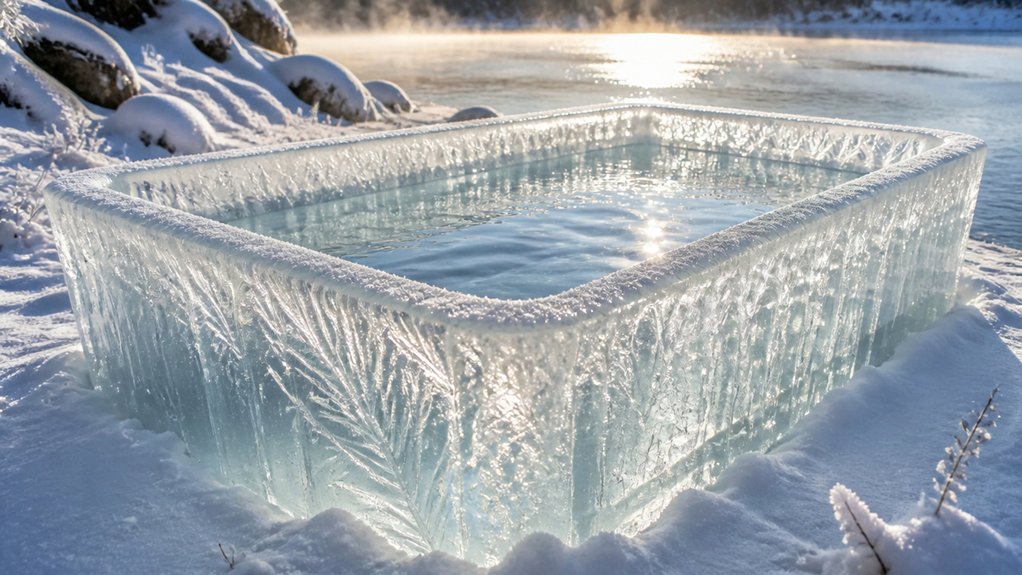
When you practice cold plunging regularly, your immune system gradually adapts, reducing inflammation and boosting anti-inflammatory responses. A consistent routine also supports adrenal health and cortisol regulation, further enhancing your body’s ability to handle stress. Long-term adaptation builds resilience over time, making your defenses stronger and more responsive. Maintaining a steady routine helps preserve these benefits, ensuring long-term immune support.
Consistent Practices Enhance Benefits
Consistency in cold plunging is key to building long-term immune benefits, as regular exposure prompts your body to adapt and strengthen its defenses.
When you commit to a routine, your immune function improves by reducing baseline inflammation and boosting white blood cell activity over time.
To maximize benefits:
- Aim for cold exposure 2-4 times weekly at 50–59°F (10–15°C).
- Maintain steady cold showers or immersions to promote hormetic effects.
- Gradually increase frequency and duration to support ongoing adaptation.
- Avoid cold exposure during illness or stress to prevent overstressing your immune system.
Sticking with consistent cold plunging helps shift your immune profile toward increased anti-inflammatory cytokines and reduces pro-inflammatory markers, resulting in a stronger, more resilient immune system over the long term.
Additionally, using well-insulated tubs with durable materials enhances safety and efficacy during regular sessions, ensuring consistent exposure without temperature fluctuations structural integrity.
Adaptation Over Time Builds Resilience
Maintaining regular cold plunges over several weeks prompts your body to adapt, gradually building resilience in your immune system. Cold exposure triggers immune adaptation by lowering baseline inflammation and reducing spikes caused by stress or illness.
This consistent practice induces hormesis, where mild stress strengthens your defenses by promoting beneficial responses like increased anti-inflammatory cytokine production, such as IL-10. Over time, long-term immersion enhances white blood cell activity and cardiovascular resilience, leading to fewer sick days.
To maximize benefits, gradually increase cold plunge duration and intensity, allowing your body to build tolerance without harmful stress. Steady adherence with a routine fosters these adaptations, ensuring your immune system remains resilient and better prepared for challenges, rather than sporadic or extreme cold exposure.
Regular Exposure Maintains Gains
Regular cold plunges, practiced consistently 2-4 times a week at temperatures between 50-59°F (10-15°C) for 3-10 minutes, are essential for building and sustaining immune resilience over the long term.
Regular cold exposure stimulates hormonal and immune adaptations, helping lower baseline inflammation and boosting white blood cell activity. To maintain gains, the key is adherence to your routine, as consistency over time yields stronger immune benefits.
- Consistent cold exposure prevents immune system decline.
- Regular cold plunges reduce the frequency and severity of inflammatory spikes.
- Maintaining a steady schedule enhances immune resilience.
- Gradually increasing session frequency optimizes hormetic stress without overload.
Signs You Need to Change Your Cold Plunge Routine
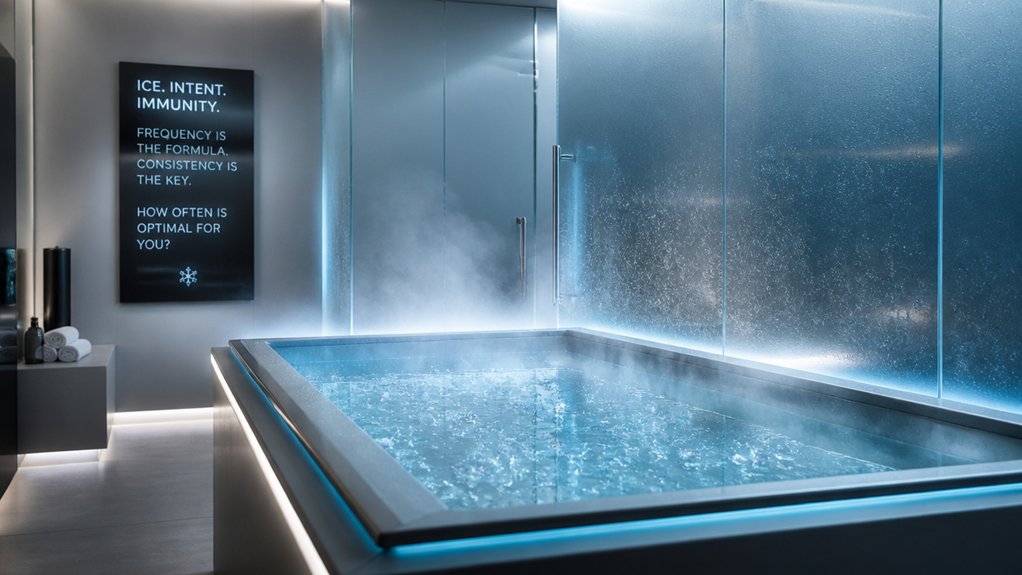
Monitoring how your body responds after cold plunges is essential, as certain signs indicate you might need to adjust your routine.
If you experience increased fatigue, poor sleep, or mood disturbances, it’s a sign to reduce the frequency or duration of cold exposure to prevent overtraining stress.
Dizziness, numbness, or chest pain during or after cold exposure require immediate cessation and a medical consultation before modifying your routine.
Additionally, if muscle gains are delayed or recovery worsens, especially after strength training, spacing cold plunges at least four hours away from workouts may be necessary.
Persistently elevated resting heart rate or feelings of illness suggest lowering the cold plunge intensity.
When immune response markers don’t improve or worsen with regular sessions, reassessing and adjusting your routine becomes crucial.
How to Adjust Your Cold Plunge Frequency for Better Results
Adjusting your cold plunge frequency is key to maximizing immune benefits without overtaxing your body. To optimize cold exposure for immune support, start with 2-3 sessions weekly at 60-65°F for 1-2 minutes, focusing on gradual adaptation over 4-8 weeks.
Start with 2-3 weekly cold plunges at 60-65°F for 1-2 minutes, gradually adapting over 4-8 weeks.
As you progress, consider increasing to 4-7 sessions at 55-60°F, adjusting based on your recovery and health markers. Track how your sleep, mood, and energy respond; if fatigue appears, cut back.
Prioritize recovery management by reducing sessions by 1-2 during periods of stress or poor recovery. Use these guidelines to align your cold plunge routine with your goals:
- Maintain consistency for immune support
- Gradually lower temperatures over time
- Monitor your body’s response closely
- Adjust frequency to prevent fatigue
When to Increase or Reduce Cold Exposure Based on Seasons
Seasons play a significant role in determining the ideal frequency for cold exposure, as your body’s response to cold varies throughout the year. In summer, increasing your cold exposure to 4-7 times weekly with cooler temperatures helps offset ambient heat and boost immune resilience.
During winter, reduce the frequency to 2-4 times weekly because slower rewarming and increased cardiovascular strain can cause stress if overdone. Seasonal adjustments support peak thermoregulation and inflammation control, which are essential for long-term immune health.
Pay attention to how your body reacts—monitoring feedback and making gradual adjustments guarantees safe and effective cold exposure. Balancing your frequency with seasonal changes maximizes immune benefits and prevents unnecessary stress on your body.
Common Mistakes in Setting Your Cold Plunge Schedule
Setting your cold plunge schedule without careful planning can backfire, limiting the immune benefits you aim for. Common mistakes include:
Poorly scheduled cold plunges can negate immune benefits—plan carefully and listen to your body.
- Infrequent sessions: Plunging fewer than 2-4 times weekly hampers immune adaptation, reducing overall benefits.
- Too long or frequent sessions: Exceeding 10-15 minutes or doing daily cold exposure without gradual acclimation stresses your body and impairs immunity.
- Ignoring body’s feedback: Pushing through dizziness, chest pain, or fatigue risks overtraining and immune suppression.
- Incorrect timing: Cold plunging immediately after strength training can blunt muscle gains; scheduling a 4-hour gap helps avoid this mistake.
Be mindful of session durations and body signals to optimize immune resilience through effective cold exposure.
Balancing Recovery With Cold Exposure: Finding the Right Frequency
Finding the right cold exposure frequency helps you boost your immunity without overtaxing your body. You should aim for 2 to 4 sessions weekly, but listen for signs of fatigue or stress, and adjust when needed.
Recognizing your body’s signals guarantees you recover properly while reaping the benefits.
Optimal Session Frequency
How often should you expose yourself to cold to support your immune system without risking overtraining? For immune support, 2 to 4 moderate cold exposure sessions per week at 50–59°F for 3–10 minutes balance benefits and recovery effectively.
Beginners should start with 2–3 sessions weekly at 60–65°F for 1–2 minutes, gradually increasing duration and decreasing temperature over 4-8 weeks. Experienced users can safely do daily cold plunges (up to 6-7 times) at 55–60°F for 2–5 minutes, watching for signs of fatigue.
Consider these points:
- Keep weekly total around 11–40 minutes.
- Adjust frequency during physical stress or poor sleep.
- Prioritize consistency over intensity.
- Use moderate cold exposure for peak immune support.
Avoid Overtraining Risks
Balancing cold exposure with recovery is essential to prevent overtraining and support your immune system effectively. Too-frequent sessions can lead to overtraining risks, such as fatigue and mood disturbances. Starting with 2-4 cold exposure sessions weekly allows your body to adapt and build tolerance. Increasing frequency too quickly, especially beyond 6-7 sessions, can strain your cardiovascular system and hinder muscle recovery. To avoid these issues, monitor symptoms like fatigue, poor sleep, or elevated heart rate. Proper recovery, including waiting at least 4 hours after strength training, maximizes immune support without overstressing your system. Use the following to visualize how to balance cold exposure:
| Cold Exposure Frequency | Recovery Focus |
|---|---|
| 2-4 sessions/week | Rest days and proper warm-up |
| Gradual increase | Monitor physical cues |
| Avoid exceeding 6-7/week | Guarantee ample sleep |
| Post-training delay | Support muscle recovery |
Recognizing Body Signals
Monitoring your body’s signals helps you determine the right amount of cold exposure without risking overtraining. Your body’s physiological responses reveal whether your cold exposure sessions support your immune boost or cause stress.
Pay attention to these signs:
- Persistent dizziness, fatigue, or mood changes suggest overexposure, and you should cut back.
- Stable energy, good sleep, and a positive mood indicate your body tolerates the current frequency.
- Elevated resting heart rate or shivering during sessions could mean you’re pushing too hard.
- Short, regular cold exposure (2–5 minutes) at moderate temperatures helps your immune system adapt without overwhelming your body.
Adjust your frequency based on these signals, especially during stress or illness. Proper listening guarantees safe, effective cold exposure.
Tips for Staying Safe and Effective With Your Cold Plunge Routine
To stay safe and get the most from your cold plunge routine, start gradually and pay close attention to your body’s responses. Cold exposure should feel invigorating, not overwhelming.
Begin with 2-3 sessions per week at 60-65°F (15-18°C) lasting 1-2 minutes, then slowly increase frequency and duration over 4-8 weeks for safe adaptation.
Maintain consistent exposure with 2-4 weekly sessions at 50-59°F (10-15°C) for 3-10 minutes to maximize immune and recovery benefits while avoiding overstress. Always monitor for symptoms like dizziness or numbness, and stop immediately if they occur. Use precise temperature control to guarantee safety.
If you have health concerns, especially cardiovascular issues, don’t hesitate to consult your doctor before starting cold therapy.
Frequently Asked Questions
How to Boost Immune System in Cold Weather?
To boost your immune system in cold weather, regularly expose yourself to cold water 2-4 times weekly for 2-5 minutes at 50-59°F. Start slowly, gradually increasing duration to build resilience without over-stressing your body.
How Do I Boost My Immune System so I Don’t Get a Cold From My Baby?
You should cold expose yourself 2-4 times weekly at 50-59°F for 2-5 minutes, building tolerance gradually. Combine this with good hygiene, sleep, and nutrition to strengthen your immune system and reduce cold risks from your baby.
How to Get Better at Cold Exposure?
You get better at cold exposure by gradually increasing your exposure time and decreasing temperature, practicing controlled breathing, listening to your body’s signals, and maintaining consistency with short, frequent sessions to build resilience safely over time.
How to Build an Almost Immune System This Winter?
You can build an almost immune system this winter by regularly practicing cold exposure, starting with gentle sessions and gradually increasing duration and frequency, while avoiding stress and fatigue, to boost white blood cells and reduce inflammation effectively.