For ideal benefits on keto, aim for 2-3 cold water immersion sessions per week. Focus on scheduling these on rest or after lower-intensity workouts to assist recovery and boost metabolism without over-stressing your body. Adjust the frequency based on how your body responds, especially after intense exercise or on fat-adaptation days. Learning more about how to tailor your cold plunge routine can help you maximize your progress and avoid common pitfalls.
Why Use Cold Water Therapy While on Keto?
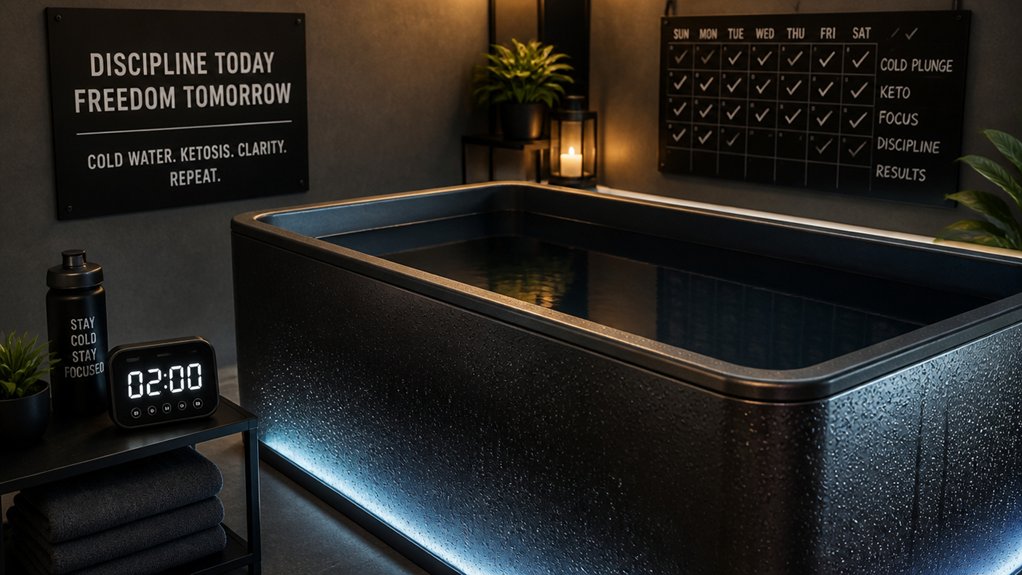
Cold water therapy can be a valuable addition to your keto routine because it helps reduce inflammation and muscle soreness, making recovery after fat-adapted workouts quicker and more effective.
When you’re on a ketogenic diet, inflammation can hinder progress and cause discomfort, so cold immersion supports your recovery process. It also works to improve circulation, which can alleviate keto flu symptoms like fatigue and brain fog.
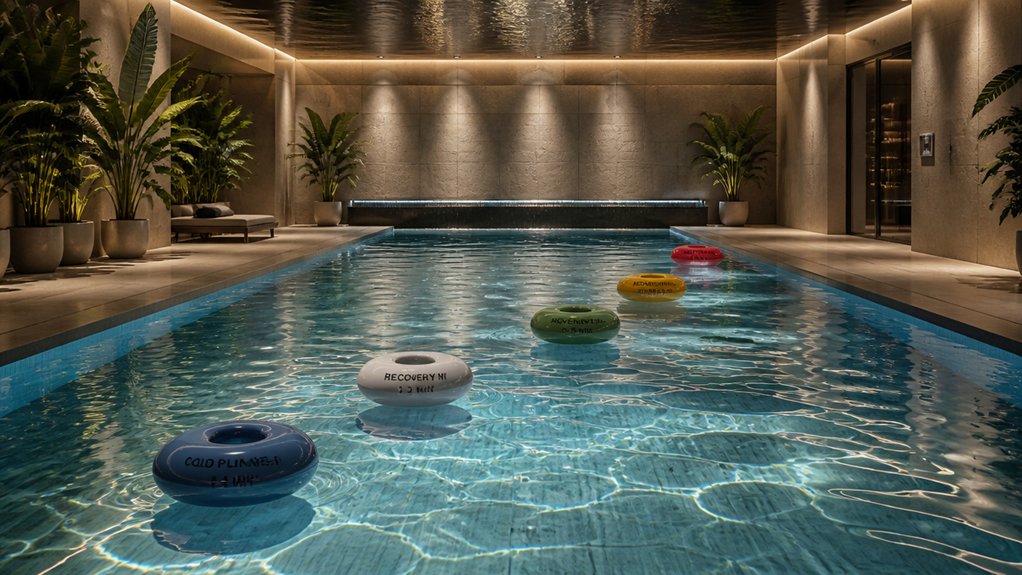
Additionally, cold exposure may boost mitochondrial function and promote brown fat activation, increasing energy expenditure. This therapeutic water temperature range is easily maintained with commercial-grade cold plunge tubs, ensuring consistent and safe immersion.
This combination can improve overall mental clarity and physical resilience during your keto journey. Incorporating cold water therapy helps you manage inflammation naturally, accelerates healing, and enhances your ability to stay consistent with your diet and exercise goals.
How Often Should You Do Cold Plunges During Keto?
Wondering how often you should do cold plunges while on keto? Aim for 2-3 sessions per week, fitting them into your rest days or post-workout recovery days. Avoid daily cold plunges during the keto adaptation phase to prevent excessive stress on your body and support metabolic balance. Aiming for the right sensor accuracy during cold exposure ensures you get reliable data to optimize your recovery and health benefits. Start with brief immersions of 1-3 minutes, then gradually increase to 5-10 minutes as your body adapts. This approach helps reduce inflammation, supports fat metabolism, and relieves keto-related muscle soreness without overtaxing your system. Incorporating cold plunges on keto days, especially after workouts, maximizes recovery and complements your electrolyte balance and hydration efforts. Stick to this moderate frequency for safe, effective benefits as you progress through your keto journey.
What Are the Benefits of Cold Plunges on Keto?
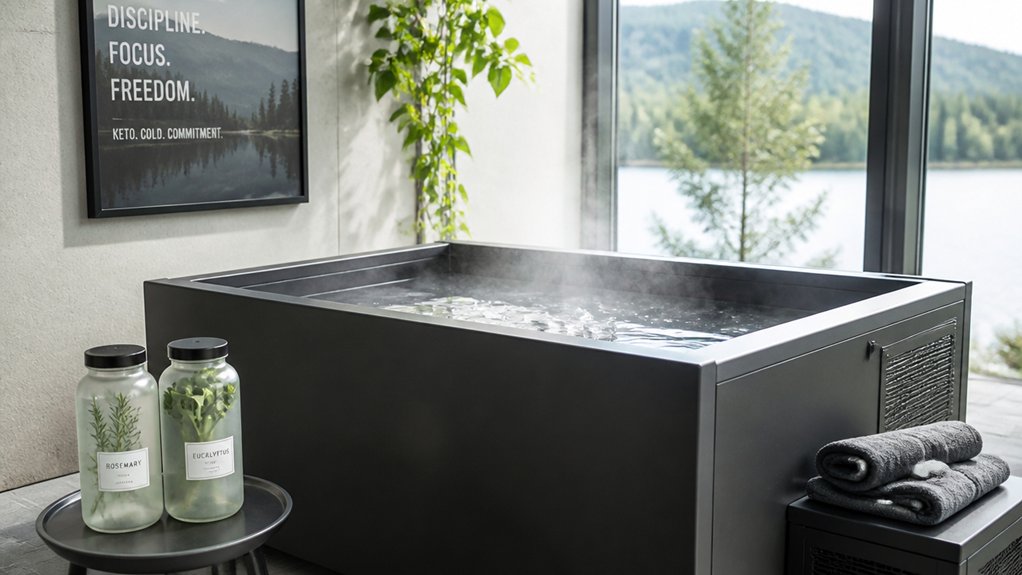
Cold plunges on keto can help you recover faster by reducing inflammation and muscle soreness after workouts. They may also boost your metabolism temporarily, supporting fat burning in line with keto goals.
Additionally, cold exposure can improve circulation and lessen muscle cramps, making your overall keto experience smoother.
Enhanced Recovery Support
Incorporating immersion sessions, such as cold plunges, can greatly enhance recovery when you’re following a keto lifestyle. These cold therapies support active recovery by reducing inflammation and muscle soreness, helping you bounce back faster after keto-adapted workouts.
The process promotes vasoconstriction and vasodilation, improving circulation and nutrient delivery essential for muscle repair. Cold plunges may also help mitigate keto-induced muscle cramps caused by electrolyte imbalances, reducing associated inflammation.
Additionally, regular cold exposure supports your autonomic nervous system by lowering cortisol and enhancing parasympathetic activity, which promotes rest and recovery. For peak benefits, aim for cold plunges 2–3 times per week, providing enough frequency to support recovery without overloading your body with stress. Durabasics water treatment solutions can help keep your water fresh and clear during these sessions.
Potential Fat Loss Benefits
Immersion sessions can boost fat loss on a keto diet by activating brown adipose tissue, which burns calories to generate heat through thermogenesis. This process increases fat for energy, helping you shed stubborn fat more efficiently.
Cold exposure temporarily elevates your metabolic rate, enhancing keto-induced fat oxidation during recovery. Regular cold plunges also support reduced inflammation and improved insulin sensitivity, both essential for peak fat metabolism.
Additionally, cold immersion activates the sympathetic nervous system, releasing norepinephrine that promotes lipolysis—the breakdown of fat for energy. By preserving lean muscle mass and stimulating fat for energy use, cold plunges can amplify your keto efforts, making each session a valuable tool for accelerating fat loss and optimizing body composition.
Signs You Might Need More Frequent Cold Water Sessions
If you notice persistent muscle soreness or slower recovery, it could mean you need more cold water sessions on keto.
Ongoing circulation problems or frequent illnesses might also signal that increasing immersion frequency can help. Pay attention to these signs to support your recovery and overall health.
Increased Muscle Soreness
When muscle soreness persists or worsens more than 24-48 hours after a workout, it’s a clear sign you may need to increase your cold water immersion sessions. Increased muscle soreness during keto can signal inflammation and muscle fatigue from higher fat reliance and lower glycogen stores. Incorporating temperature therapy features can enhance recovery by rapidly adjusting between heat and cold, making sessions more effective. If you notice these signs, consider doing cold water immersions 2-3 times per week to help reduce inflammation and promote recovery. To determine if you need more frequent sessions, look for: 1. Persistent stiffness or tenderness that doesn’t improve 2. Reduced range of motion or difficulty moving 3. Muscle soreness that worsens instead of gradually fading Increasing immersion frequency can help speed up muscle repair and alleviate symptoms associated with increased muscle soreness.
Worsening Circulation Issues
Worsening circulation issues during your keto journey can be a clear sign that you might need more frequent cold water immersion sessions. If you notice ongoing numbness, tingling, or coldness in your hands and feet, it’s a red flag that your blood flow needs support. Increased cramps, slow wound healing, or discoloration in extremities also point to circulation problems that cold water immersion sessions could improve by stimulating blood vessel activity. Incorporating proper compression with supportive knee sleeves can further enhance circulation benefits during recovery.
Frequent Illness Occurrence
Frequent illnesses or recurring respiratory infections during your keto journey may indicate that your immune system needs a boost, and increasing cold water immersion sessions could help.
If you notice frequent illness episodes, consider adjusting your routine to include more regular cold water exposure. Here are some signs you might need more frequent cold water sessions:
- You experience recurrent respiratory infections, like colds or the flu, indicating a weakened immune response.
- Prolonged fatigue after workouts and increased sickness frequency suggest your immune system needs support.
- You have sluggish circulation and minor infections, which cold immersion 2–3 times weekly can improve by boosting circulation and immune modulation.
Monitoring these signs can help you determine if increasing immersion sessions enhances your immune resilience on keto.
How to Adjust Your Cold Plunge Routine Based on Workout Intensity
Adjusting your cold plunge routine based on workout intensity is key to maximizing recovery while avoiding potential setbacks.
Customize your cold plunge frequency based on workout intensity to optimize recovery and prevent setbacks.
After strength training on keto, limit cold plunge sessions to 1-2 times weekly to prevent cold-induced inflammation reduction, which can interfere with muscle recovery.
On moderate or low-intensity days, you can safely do cold immersions 3-4 times weekly to help reduce muscle soreness and boost recovery without impairing adaptation.
It’s best to delay cold plunges for several hours after high-intensity workouts or opt for a rest day to avoid blunting muscle hypertrophy signals.
Shorten immersion times to 1-3 minutes on keto days following intense sessions, since fat adaptation and hydration may increase cold sensitivity.
Always monitor your response and adjust frequency accordingly to balance inflammation control and metabolic recovery, keeping in mind that quick response times of devices can help track accuracy and response time, ensuring safe and effective sessions.
Ideal Schedule for Cold Water Therapy: Daily, Weekly, or Biweekly?
Finding the right schedule for cold water therapy on keto depends on balancing benefits with potential risks. Doing it too often might overstress your nervous system, while infrequent sessions could limit recovery gains. Consider your goals and how your body responds to determine whether daily, weekly, or biweekly therapy works best for you. Incorporating accurate temperature monitoring tools can help optimize your sessions for safety and effectiveness.
Optimal Frequency for Benefits
Determining the ideal frequency for cold water immersion depends on your goals and how your body responds. Typically, 2 to 3 sessions per week are recommended to maximize recovery and metabolic benefits without overstressing your system. If you’re using an advanced chiller system, such as those with smart controls and rapid cooling features, you might optimize results by adjusting session frequency accordingly. Consider these options:
- 2–3 times per week: Balances benefits and recovery, promoting circulation and anti-inflammatory effects.
- Weekly: Offers rest days to adapt gradually, suitable for beginners or those with lower training intensity.
- Biweekly: Maintains some benefits but may limit physiological adaptations, like insulin sensitivity improvement.
Your choice should align with your training frequency and tolerance. If you’re aiming for peak results, sticking to 2–3 sessions per week often provides the best balance.
Risks of Overdoing It
While cold water immersion can enhance recovery and support metabolic benefits on keto, overdoing it can pose risks. Excessive frequency can interfere with your recovery processes by prolonging vasoconstriction and reducing inflammation necessary for adaptation.
Daily immersion may exacerbate muscle fatigue and slow progress, while too frequent sessions could impair immune function or hormonal balance, especially during keto’s stress on hydration and electrolytes. Weekly or biweekly sessions strike a better balance, allowing you to enjoy reduced soreness without hindering recovery or metabolic adaptation.
It’s essential to monitor your individual response, as overexposure might increase risks like hypothermia or dehydration. Listening to your body helps guarantee cold therapy benefits without compromising your recovery processes on keto.
How to Know If Your Cold Plunge Routine Is Working
How can you tell if your cold plunge routine on keto is truly effective? You’ll notice faster recovery times, less muscle soreness, and diminished inflammation after workouts.
Consistent immersion can also enhance mental clarity, lift your mood, and reduce fatigue, signaling positive adaptation. Keep an eye on your cold tolerance—able to withstand colder temps or longer durations—indicating improved physiological responses.
Additionally, if you experience fewer keto-related cramps and better hydration, it’s a good sign your routine works.
Tracking your heart rate variability or noticing a lower resting heart rate can also provide objective proof of increased stress resilience.
If these signs show up, you’re on the right track in leveraging cold plunges to support your keto goals and overall wellness.
Common Mistakes That Reduce Cold Plunge Effectiveness
To get the most out of your cold plunge routine on keto, it’s important to avoid common mistakes that can undermine its benefits.
Doing cold plunges too frequently without sufficient recovery can blunt their significant metabolic effects and increase the risk of hypothermia or muscle stiffness.
Staying submerged longer than 10-15 minutes may cause excessive body heat loss, impairing muscle recovery and reducing effectiveness.
Using water colder than 50°F (10°C) for extended periods can raise stress hormone levels, counteracting relaxation.
Not warming up properly before or after immersion can increase injury risk and hinder circulation improvements.
Finally, skipping hydration beforehand can lead to dehydration, decreasing the recovery and anti-inflammatory benefits essential for supporting your keto and cold plunge goals.
How to Safely Incorporate Cold Therapy Into Your Keto Routine
Incorporating cold therapy into your keto routine requires careful planning to maximize benefits and minimize risks. To manage how the keto diet affect your response to cold exposure, start with 1–2 sessions per week, giving your body time to adapt without stressing your metabolism or electrolyte balance.
Schedule sessions on rest or low-intensity days to support recovery and avoid overexertion. Keep immersion times between 5–10 minutes initially, then gradually extend as tolerated.
Always hydrate well and replenish electrolytes before and after cold therapy to prevent muscle cramps and support metabolic function. Remember, avoid cold plunges immediately after exercise, since your body’s inflammatory response is vital for muscle repair on keto.
Careful planning guarantees you benefit safely from cold therapy alongside your keto diet.
Combining Cold Water Therapy With Intermittent Fasting
Combining cold water therapy with intermittent fasting can boost fat burning and improve metabolic health by elevating ketone production and enhancing insulin sensitivity during fasting periods. This pairing supports better blood sugar control and reduces inflammation. To maximize benefits, perform cold immersion 2-3 times weekly, immediately after fasting windows. Sessions should last 5-10 minutes at 50-59°F to maximize fat oxidation without excessive cortisol release. Be mindful of your body’s response, as both practices can increase stress hormones. Adjust frequency based on your energy levels and adaptation.
| Benefit | Mechanism | Ideal Timing |
|---|---|---|
| Fat burning | Increases metabolic rate | Post-fasting cold immersion |
| Blood sugar regulation | Boosts insulin sensitivity | During fasting periods |
| Inflammation reduction | Lowers inflammatory markers | After thermal stress |
| Autophagy enhancement | Stimulates cellular cleanup | Shortly after fasting |
Long-Term Benefits and Risks of Regular Cold Plunges
Regular cold plunges can offer long-term benefits like reducing inflammation and speeding recovery, especially if you’re engaged in intense exercise while on a keto diet. These benefits include muscle soreness relief and improved blood flow, enhancing your training over time.
Additionally, cold exposure can stimulate brown fat activation, boosting your metabolic rate and fat oxidation—a perfect complement to keto’s fat-burning goals.
However, there are risks to take into account: overdoing cold plunges might lead to hypothermia, cardiovascular stress, or immune suppression. To maximize long-term benefits without harm, aim for 2–3 sessions weekly, listen to your body, and progress gradually.
Always monitor your responses and consult a healthcare professional if needed, especially when combining cold therapy with keto.
Final Tips for Safe and Effective Cold Water Therapy on Keto
To guarantee you experience the benefits of cold water therapy safely while on keto, start with short sessions and gradually increase their duration. Limit initial exposure to 2-3 minutes to prevent excessive stress during your keto adaptation.
Schedule immersion sessions 2-3 times per week, balancing inflammation reduction with adequate recovery for muscle repair. Prioritize hydration and electrolyte intake before and after cold water exposure, as the ketogenic Diet increases fluid and mineral loss, which can worsen cold stress effects.
Avoid doing cold plunges immediately after high-intensity workouts; instead, choose active recovery days to support safe inflammation control. Always monitor how your body responds, since cold therapy may temporarily affect energy and circulation—effects that can be intensified during early keto adaptation.
Frequently Asked Questions
What Is the 2 2 2 2 Rule on Keto?
The 2 2 2 2 rule on keto recommends doing 2-week immersion sessions every 2 months, with 2 days of carb refeeding weekly, and allows time for deep ketosis, balancing fat adaptation with periodic carb intake effectively.
What Are the Biggest Mistakes People Make on a Keto Diet?
You often make mistakes like neglecting electrolytes, consuming too much protein, relying on processed foods during refeeding, ignoring hydration, and shifting too quickly. These errors hinder your keto adaptation, energy levels, and overall success on the diet.
How Long Should You Go Inbetween Keto Sessions?
You should wait 1-2 days between keto sessions, allowing your body to replenish glycogen and recover. This spacing helps maintain ketosis effectively, prevents fatigue, and supports consistent progress without prolonged metabolic disruptions.
Can Keto Raise Creatinine Levels?
Yes, keto can raise creatinine levels temporarily due to dehydration, increased protein metabolism, or muscle breakdown. Staying hydrated, monitoring your kidney health, and adjusting your diet can help prevent or reduce these elevations.