
Immersion in cold water activates brain areas that promote faster and deeper REM sleep by lowering core body temperature and stimulating key neural pathways. It boosts neurochemicals like norepinephrine and endorphins, which improve mood and emotional resilience, making your dreams more vivid. Cold exposure triggers your brain’s thermoregulatory and sleep centers, encouraging REM onset. If you want to discover how to optimize these effects safely, keep exploring how cold immersion can transform your sleep.
Can Cold Immersion Help You Sleep Better and Reach REM Faster?
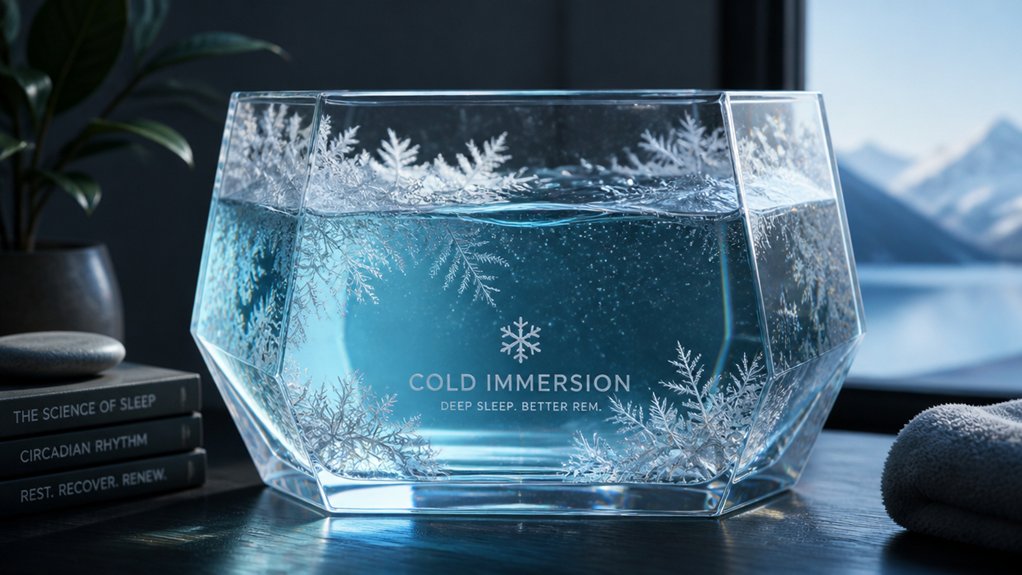
Have you ever wondered if cold immersion before bed can improve your sleep and help you reach REM faster? Cold immersion lowers your core body temperature, which signals your body that it’s time to sleep.
This cooling effect accelerates sleep onset by aligning with your natural temperature dip, making it easier to enter REM sleep sooner. Cooler environments, around 60-67°F, support better sleep quality by deepening sleep stages and enhancing sleep architecture.
Additionally, cold immersion promotes melatonin production, a hormone essential for regulating circadian rhythms and REM timing. By reducing sympathetic nervous system activity and stress hormones, cold immersion creates a relaxed state conducive to uninterrupted sleep. Incorporating this routine may boost sleep continuity and maximize REM sleep duration.
Using energy-efficient chiller systems designed for rapid cooling and consistent temperature control can further enhance these benefits by ensuring optimal temperature maintenance without noise disruptions.
How Cold Exposure Triggers REM Sleep Activation at the Brain Level
Cold exposure activates key thermoregulatory regions in your brain, particularly the hypothalamus, which then interacts with sleep-regulating centers to initiate REM sleep. This process influences REM sleep activation through several mechanisms: 1. Neurons sensitive to temperature changes stimulate neurotransmitter pathways like acetylcholine, promoting REM sleep in the brainstem. 2. The cold triggers a shift in the balance between REM-promoting and REM-inhibiting circuits, favoring longer and more intense REM episodes. 3. Mild cold stress transiently increases arousal systems, aiding the progression into REM sleep characterized by wake-like brain activity. 4. Experimental evidence shows that controlled cold exposure enhances REM onset and duration by activating REM-specific neural networks and emphasizing thermoregulatory interactions within the brain. Additionally, the effectiveness of these responses can depend on the measurement accuracy and consistency of monitoring tools used during cold exposure.
Why Cold Showers or Plunges Make Your Dreams More Vivid

Immersing yourself in cold water before sleep can greatly enhance the vividness of your dreams. Cold showers or plunges activate your body’s stress response, increasing brain activity and preparing your mind for deeper REM sleep, which boosts vivid dreaming.
Exposure to cold promotes a natural drop in core body temperature that aligns with your circadian rhythm, helping you enter deeper REM cycles when dreams are most intense. Cold immersion triggers physiological changes like an increased heart rate and heightened brain activity, similar to wakefulness, which primes your brain for vivid dream experiences.
Additionally, activating your autonomic nervous system supports mental alertness during sleep shifts, intensifying the emotional and immersive qualities of your dreams, making them more bizarre and emotionally rich. Incorporating adaptogens during cold plunge routines can further enhance stress resilience and support a relaxed, restorative sleep state, amplifying the vividness of dreams.
Simple Ways to Use Cold Immersion to Improve Your Sleep Quality
Incorporating cold immersion into your nightly routine can greatly improve your sleep quality. To optimize its benefits, follow these simple steps:
- Take a cool bath or cold plunge 1-2 hours before bedtime to promote sleep onset and boost melatonin production.
- Maintain your bedroom temperature between 60-67°F to support deeper REM stages and enhance overall sleep cycles.
- Limit exposure time in cold water to avoid excessive stress; aim for 5-10 minutes to reduce sympathetic nervous system activity.
- Stick to a consistent sleep schedule to regulate your circadian rhythm, reinforcing the positive effects of cold immersion on sleep quality and REM sleep.
These practices help synchronize your body’s internal clocks, fostering more restorative sleep.
Is Cold Exposure Safe? Tips for a Healthy and Effective Practice
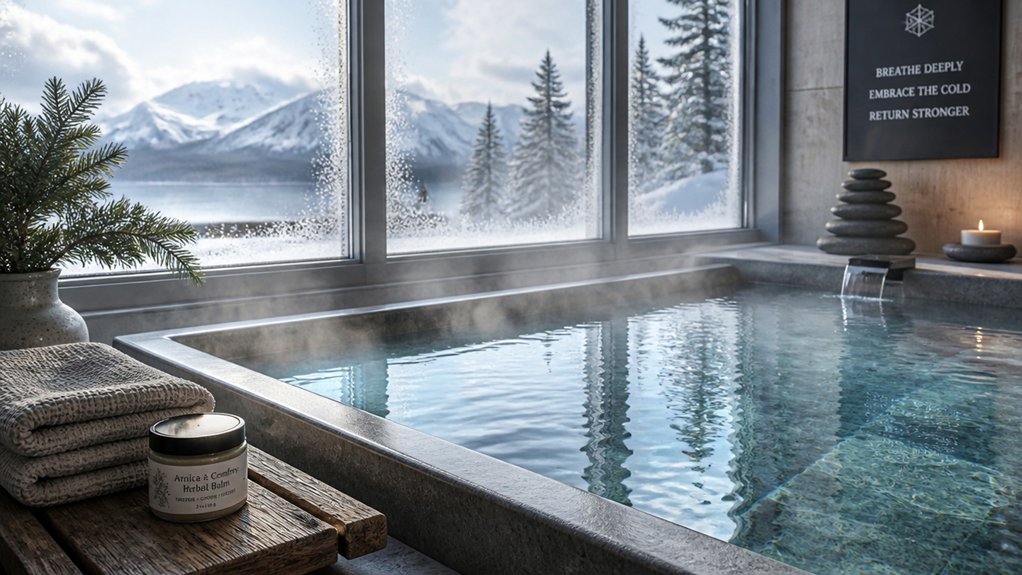
Cold exposure can be safe and effective when you start with short durations in cool settings and listen to your body’s signals. Be cautious with prolonged or extreme cold, especially if you have health conditions, and gradually adapt as you monitor your responses. Using simple techniques like cool showers or a cooler room can boost sleep quality without risking your health. Incorporating insulation efficiency into your cold therapy setup can help maintain safe temperatures and improve comfort during exposure.
Understanding Cold Exposure Risks
While cold exposure can offer benefits, it’s important to understand the potential risks involved. Cold triggers peripheral vasoconstriction and shivering, which may elevate heart rate and stress your nervous system, so gradual adaptation and monitoring are essential.
Prolonged or extreme exposure without proper protection can cause hypothermia or frostbite, especially for individuals with cardiovascular or respiratory issues.
To maintain sleep health, limit sessions to 1-3 minutes and warm up gradually afterward. Always practice cold exposure in a controlled setting with easy access to warmth and shelter.
Medical advice is imperative for those with sleep disorders or compromised immune systems. Be cautious: improper cold exposure risks disrupting sleep, REM, and overall sleep quality.
Proper Cold Exposure Techniques
Practicing cold exposure safely requires a clear understanding of proper techniques to minimize risks. Begin with brief sessions of 1-3 minutes in cool water or air at 50-59°F (10-15°C) to avoid shock and guarantee safety. Always monitor your bodily responses, and never immerse yourself beyond 10-15 minutes. Avoid practicing alone to prevent hypothermia. Incorporate pre- and post-exposure warming techniques, like light exercise or warm clothing, to regulate body temperature and reduce stress. Limit cold exposure to 2-4 sessions weekly, allowing your body to recover and optimize benefits for your cardiovascular system and nervous system. Proper water treatment and careful maintenance of equipment can also ensure a safer and more effective cold exposure routine. When done cautiously, cold exposure can boost sleep quality by promoting relaxation and longer REM sleep, ultimately enhancing overall sleep and recovery.
Monitoring Body Responses
Monitoring your body’s responses during cold exposure is essential to guarantee the practice remains safe and effective. By paying close attention, you help protect your brain and body, ensuring REM sleep and sleep quality benefit without undue risk.
To do this:
- Watch for signs of hypothermia or excessive discomfort, especially if you’re new to cold exposure.
- Track changes in your core body temperature, including how you respond after warming up.
- Observe sleep architecture, noting any disruptions to REM cycles.
- Monitor your norepinephrine levels indirectly, as elevated levels can increase alertness and affect sleep timing.
- Using reliable cold plunge thermometers can help you precisely measure water temperature and ensure safe exposure levels.
Gradually increasing duration while monitoring these responses helps maximize the sleep-promoting effects of cold exposure while safeguarding your health and enhancing your overall sleep quality.
How Cold Immersion Affects Brain Chemistry and Emotional Well-being
When you expose yourself to cold immersion, you activate your parasympathetic nervous system, helping you relax and improve your sleep quality. This process also raises norepinephrine and endorphin levels, which boost your mood and emotional resilience. As a result, your brain chemistry shifts to support better emotional health and more restorative REM sleep. Incorporating breathing exercise tools can further enhance respiratory control and promote deeper relaxation during cold exposure.
Brain Chemistry Modulation
Cold immersion directly influences brain chemistry by triggering complex hormonal and neurochemical responses that promote relaxation and emotional stability. It activates the hypothalamic-pituitary-adrenal (HPA) axis, releasing cortisol that initially heightens alertness but later supports REM sleep onset.
Additionally, cold exposure stimulates norepinephrine production, improving mood regulation and reducing anxiety. Endorphin release acts as natural pain relief and mood booster, lowering cortisol over time and boosting REM duration.
Simultaneously, dopamine pathways are modulated, enhancing cognitive function and emotional balance. Finally, increased parasympathetic nervous system activity aids stress recovery and emotional homeostasis, creating a brain environment conducive to the restorative stages of sleep. These processes synergistically foster brain waves conducive to restful REM sleep and vivid dreaming. Nootropic ingredients, known for supporting cognitive health, may further enhance these neurochemical effects, leading to improved sleep quality and mental clarity.
Emotional Resilience Enhancement
Engaging in cold immersion activates your sympathetic nervous system, leading to increased norepinephrine release that elevates your mood and diminishes symptoms of depression and anxiety. This boost in emotional resilience helps you better manage stress responses, creating a foundation for healthier emotional regulation.
Cold exposure also stimulates the hypothalamic-pituitary-adrenal (HPA) axis, promoting hormonal balance. Increased levels of brain-derived neurotrophic factor (BDNF) support neural plasticity, helping your brain adapt to emotional challenges.
As emotional resilience improves, sleep plays a crucial role, particularly in REM sleep, where emotional memories are processed and consolidated. Reduced systemic inflammation and oxidative stress through cold immersion further enhance emotional well-being, enabling you to better regulate your feelings and reactions—key elements that positively influence your REM sleep quality.
How Often Should You Use Cold Exposure for Best REM Sleep Benefits?
How often you incorporate cold exposure into your routine greatly influences its benefits for REM sleep. Aim for about 3-4 sessions weekly to activate the parasympathetic nervous system and enhance sleep quality.
Ideal cold exposure lasts 2 to 10 minutes, preferably in the late afternoon or early evening, aligning with your regular bedtime. Consider these guidelines:
- Use cold exposure 3-4 times per week for consistent REM sleep benefits.
- Keep sessions between 2-10 minutes to avoid stress hormone spikes.
- Schedule exposures in the late afternoon or early evening to support melatonin production.
- Pair cold exposure with regular sleep routines for improved sleep duration and dream quality.
Moderation optimizes REM sleep, while overuse can disrupt sleep architecture through excessive stress hormones.
Frequently Asked Questions
What Is the 3-3-3 Rule for Sleep?
The 3-3-3 rule helps improve your sleep by maintaining a consistent schedule, calming activities before bed, and reducing caffeine, alcohol, and screens three hours prior. This alignment promotes better REM sleep and overall sleep quality.
Does Zoloft Decrease REM Sleep?
Yes, Zoloft decreases REM sleep by delaying its onset and reducing its total duration. This happens because Zoloft alters serotonin levels, which are essential for regulating REM sleep, potentially impacting your dreaming and overall sleep quality.
Is 30 Minutes REM Sleep Enough?
Thirty minutes of REM sleep isn’t enough overall, as you need multiple cycles to gain full benefits like memory and mood regulation. Prioritize continuous sleep to accumulate sufficient REM time across the night for ideal mental health.
Is REM Really Deep Sleep?
Yes, REM sleep is considered deep sleep because it involves high brain activity similar to wakefulness and intense dreaming, creating a feeling of immersion and restfulness, even though muscles are paralyzed to prevent acting out dreams.