
To prevent cold shock, aim to stay above 15°C (59°F), as risks sharply increase below this temperature. The safest threshold is around 21°C (70°F), where breathing control remains manageable. For better safety, avoid water below 10°C (50°F) and start with brief immersions if temperatures drop between 15°C and 25°C. By understanding these critical thresholds, you can better prepare and reduce risks—keep going to discover how to build your cold water resilience safely.
What Is Cold Water Shock and Why Is It Dangerous?

Have you ever wondered why sudden immersion in cold water can be so dangerous? It’s mainly due to Cold Water Shock, which occurs when water drops below 15°C (59°F). This triggers an involuntary gasp reflex and rapid hyperventilation, risking inhalation of water and drowning. Cold shock causes your heart rate and blood pressure to spike because blood vessels constrict in response to the lowered temperature. During the first 1-3 minutes, muscle control can fade, and cognitive function worsens, making self-rescue difficult. As water temperature drops below 25°C (77°F), breathing becomes even harder, peaking between 10-15°C (50-59°F). The combination of gasping, muscle weakness, and increased heart strain makes cold water shock highly dangerous. Proper temperature regulation, such as maintaining water temperatures above the cold shock threshold, is crucial for therapeutic safety.
What Water Temperatures Are Too Cold and Increase Your Risk?
At what temperature do water conditions become dangerously cold, increasing your risk of cold shock? Water below 15°C (59°F) markedly raises this risk, as the cold triggers involuntary gasping and hyperventilation.
The highest danger occurs between 10°C and 15°C (50°F to 59°F), impairing breathing control and causing muscle coordination loss. Even at 25°C (77°F), the initial gasp reflex and rapid breathing can begin, though severity worsens below 21°C (70°F).
Once water drops under 15°C, controlling breathing becomes difficult, with the danger zone extending down to 10°C (50°F), where cold shock peaks. At temperatures below 5°C (41°F), your body faces severe stress, with the risk of rapid increases in heart rate and blood pressure, and almost complete breath control loss. Environmental factors like water temperature and individual health status can influence the severity of cold shock symptoms.
How Do Water Temperatures Between 15°C and 25°C Affect Your Body?
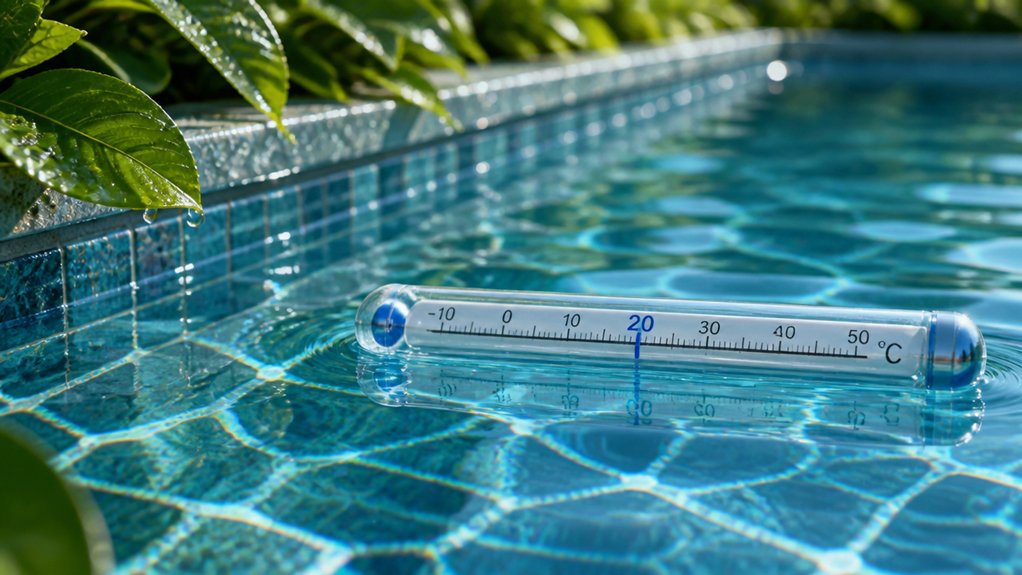
How do water temperatures between 15°C and 25°C impact your body’s response to cold immersion? In this range, your cold shock response activates quickly, often within the first few minutes.
You’ll notice rapid breathing, elevated heart rate, and increased blood pressure as your body fights the sudden change. Below 21°C, controlling your breathing becomes harder, and the risk of hyperventilation rises markedly.
Muscle stiffness can develop as your body reacts, making movement difficult. Even at the warmer end near 25°C, false security can set in, masking the danger.
Be aware that:
- Rapid breathing may reach 60–90 breaths per minute
- Heart rate increases markedly
- Blood pressure rises with the cold shock response
- The first few minutes are critical for safety
- Proper insulation and temperature regulation are essential to prevent rapid onset of shock insulation; maintaining consistent water temperature can significantly reduce risk during immersion.
How Can You Safely Prepare and Avoid Cold Water Shock?
Taking proactive steps can greatly reduce your risk of cold water shock when entering unfamiliar or cold environments. Before entering, always check the water temperature and avoid immersing yourself in water below 15°C (59°F), where cold shock risk increases sharply. Wearing thermal protection, such as wetsuits or dry suits, helps insulate your body temperature and stay warm. Gradually acclimatize with repeated short exposures to cold water to lessen the heart rate, rate and blood pressure response, and cold shock effects. If unexpectedly immersed, stay calm, float, and focus on controlling your breathing; avoid holding your breath to prevent hyperventilation. Staying relaxed helps stabilize your body temperature and heart rate, reducing shock. Using high-quality dry suits with seal quality enhances waterproofing and comfort, further improving safety during cold water exposure. Proper preparation and equipment make cold water immersion safer and less stressful.
How to Monitor and Adjust Your Cold Water Habituation Safely
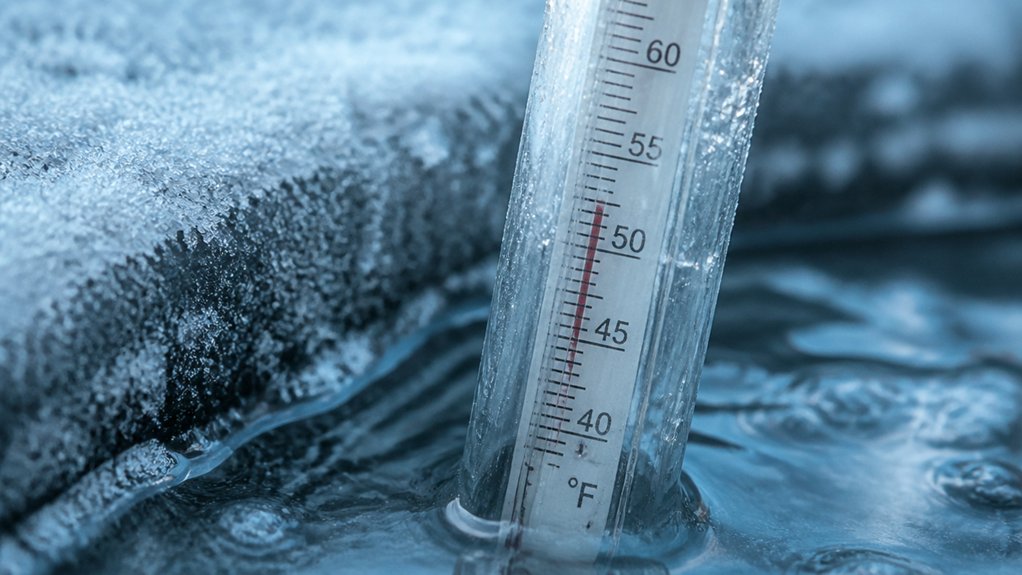
Monitoring your body’s responses during cold water habituation is essential to guarantee safety and prevent overexposure. Pay close attention to signals like your heart rate, blood flow, and how you feel as the temperature falls.
Monitoring your body’s responses ensures safety and helps prevent overexposure during cold water habituation.
If your heart rate greatly increases or you experience gasping, hyperventilation, or dizziness, pause and float calmly until breathing stabilizes.
To stay safe:
- Keep initial immersions brief, around 3 minutes.
- Gradually decrease water temperature or extend immersion time over multiple sessions.
- Use flotation aids and avoid open water until fully acclimatized.
- Always have supervision for reassurance and quick response if needed.
- Incorporate thermal insulation quality strategies to maintain consistent water temperature and minimize shock risks during each session.
Frequently Asked Questions
What Is the 50 50 50 Rule for Hypothermia?
The 50 50 50 rule means in 50°F water, you’ll lose mental faculties in 50 minutes and become unconscious in 50 minutes without rescue. It stresses quick action, protective gear, and awareness to prevent fatal hypothermia.
What Temperature Causes Cold Shock?
You start experiencing cold shock symptoms, like sudden gasp reflex and hyperventilation, when water drops below 15°C. Risks increase sharply beneath 10°C, where involuntary breathing can become intense, making it essential to be cautious in these colder waters.
What Is the 1 10 1 Rule for Hypothermia?
The 1-10-1 rule for hypothermia guides you to take action immediately: control your breathing within 1 minute, move actively for 10 minutes before muscle weakness sets in, and aim to survive at least 1 hour without rescue.
What Is the 120 Rule in Kayaking?
The 120 Rule in kayaking tells you to get out of cold water within 2 minutes to prevent cold shock and hypothermia. This quick response helps avoid dangerous gasping, hyperventilation, muscle loss, and drowning risks during cold water immersion.