
For immune support, aim for cold plunges lasting 2 to 4 minutes in water between 37°F and 42°F. Beginners should start with 30 seconds to 1 minute and gradually increase by 15-30 seconds while monitoring how your body reacts. Avoid exceeding 10 minutes to prevent hypothermia and immune suppression. Staying consistent at 1-3 sessions weekly is ideal. To discover detailed tips on safe durations and how to progress, keep exploring how to optimize your cold plunge routine.
What Is the Best Cold Plunge Duration to Boost Your Immunity?
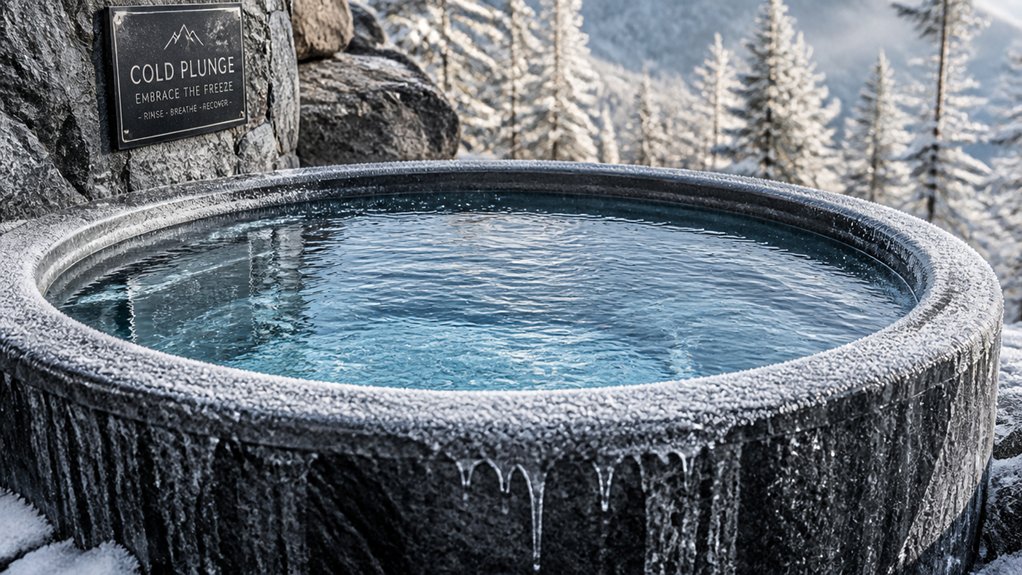
What’s the best cold plunge duration to boost your immunity? Generally, keeping your cold-water immersion between 2 to 4 minutes offers ideal immune benefits without risking hypothermia.
Shorter exposures, like 30 seconds to 1 minute, help you build tolerance and activate stress hormones, which can support your immune system.
Regular cold plunge sessions, about 1 to 3 times weekly, lasting up to 5 minutes, may increase white blood cell production and boost immune resilience.
Additionally, understanding the therapeutic water temperature range (typically 37°F–42°F) can help you optimize your immersion for maximum health benefits.
However, avoid staying in cold water longer than 10 minutes, as prolonged exposure can suppress immune function and pose health risks.
The key is gradual increases in plunge duration to safely enhance your immune response through consistent exposure to cold water.
How Short Cold Plunges Help Strengthen Your Immune System
Short cold plunges, lasting only 30 seconds to 2 minutes, can actively stimulate your immune system by triggering a mild stress response that increases white blood cell production. During cold water immersion, the plunge duration is essential—short cold plunges prompt the release of stress hormones like norepinephrine, which support immune system modulation and reduce inflammation. These brief immersions activate metabolic and hormonal pathways, helping your body build resilience against infections without overtaxing you. Incorporating insulation systems in your cold plunge setup can help maintain optimal water temperature and improve your overall experience. Studies suggest that immersing in cold water for under 5 minutes optimizes immune activation while minimizing risks like hypothermia or immune suppression. Consistently practicing short cold plunges 1-2 times weekly helps progressively strengthen your immune defenses by encouraging the body’s adaptive stress response.
Beginner Tips: How Long Should Your First Cold Plunge Be?
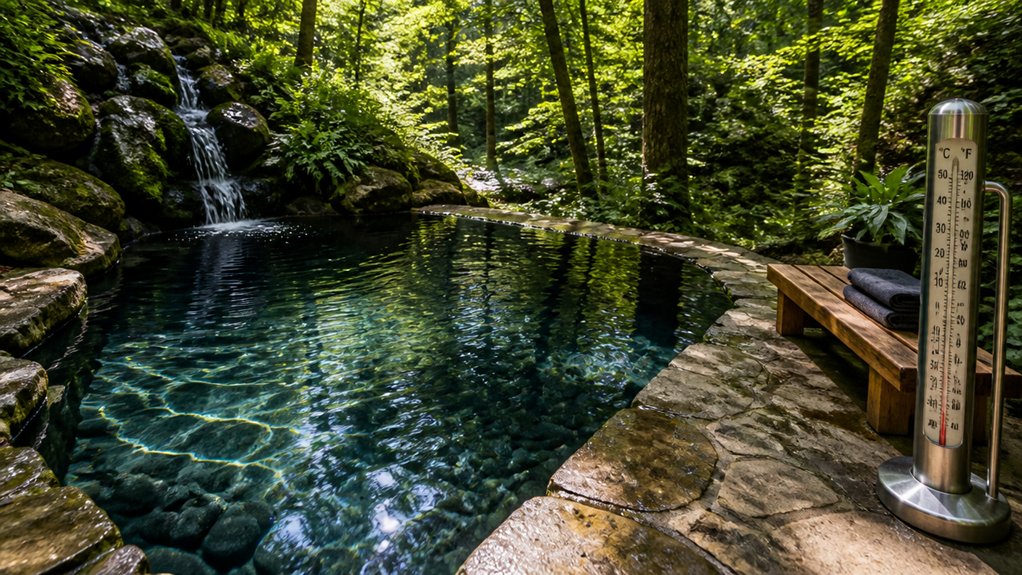
For your first cold plunge, start with 30 seconds to 1 minute to stay safe and build tolerance gradually. Pay close attention to how your body responds, and exit immediately if you feel dizzy or uncomfortable. Increasing your time by small increments each session helps boost your immune benefits without overtaxing yourself. Incorporating proper water treatment solutions ensures water quality and safety as you progress.
Start Short, Safe
Starting with a brief cold plunge is essential for safe and effective immune support, especially if you’re new to cold exposure. Begin by immersing yourself in a cold plunge tub for just 30 seconds to 1 minute. This duration allows your body to adapt without triggering cold shock, which can cause rapid breathing or heart strain.
Keep the water temperature between 55°F and 59°F to optimize benefits yet avoid excessive stress. During cold plunging, monitor warning signs like dizziness, numbness, or chest discomfort, and exit immediately if they occur.
Starting with 30 seconds helps build confidence and tolerance gradually, reducing risk. As your body adapts, you can extend the plunge time carefully, supporting your immune support goal safely. Insulation and Material play a key role in maintaining water temperature stability during your sessions.
Listen to Your Body
When you begin cold plunging, paying close attention to how your body reacts is essential. Every plunge sends signals, so listen to your body carefully, especially during the first few seconds or minutes.
If you experience uncontrollable shivering, dizziness, or numbness, exit the cold water immediately. For your first cold plunge, sticking to 30 seconds to 1 minute helps your body gradually adjust, avoiding cold shock and hypothermia.
Remember, longer durations can overwhelm your immune system and increase risk. As you become more comfortable, extend your plunge gradually, adding 15-30 seconds over multiple sessions.
Choosing a suitable tub size with proper insulation can also enhance your experience by maintaining consistent temperatures and minimizing discomfort.
Your body’s signals are your best guide, so always prioritize how you feel over arbitrary time frames to optimize benefits safely.
How to Safely Extend Your Cold Water Immersion Time
To safely extend your cold immersion time, increase your duration gradually—about 15 to 30 seconds every few sessions—and pay close attention to how your body responds. Incorporating breathing control techniques can help you manage your responses and maintain control during longer sessions.
Gradual Time Increase
Gradually increasing your cold water immersion time allows your body to adapt safely and effectively. As you build your tolerance, extend your immersion by only 15 to 30 seconds every 1 to 2 sessions.
This slow progression helps your immune system adjust without overwhelming your body or risking hypothermia. Start with sessions lasting 30 seconds to 1 minute, and listen closely to how your body responds.
Keep a close eye on symptoms like dizziness, numbness, or discomfort, and exit immediately if they occur. Your goal is to reach a maximum of 5 to 10 minutes per session while spreading your total weekly immersion time around 10 to 15 minutes.
Monitoring your insulation efficiency during cold plunges can enhance safety and effectiveness as you increase your duration. Patience is key—gradual increases promote immunity without compromising safety.
Monitor Body Responses
Monitoring your body responses is essential as you extend your cold water immersion sessions. Pay attention to signs like numbness, dizziness, or discomfort, which indicate your immersion duration may need adjustment.
During cold water immersion, closely monitor your breathing patterns—irregular breaths, chest pain, or severe shivering signal it’s time to exit to prevent hypothermia. Use stable breathing techniques like box breathing or 4-7-8 to stay calm and control panic. Be vigilant for cold shock reactions, which can occur quickly and escalate if ignored.
Additionally, understanding your electricity consumption and equipment’s noise levels can help you optimize your setup for safety and comfort at home.
After re-emerging from the water, guarantee prompt re-warming with warm clothing or heat sources to prevent hypothermia. Keeping these responses in check lets you safely extend your immersion duration while protecting your health.
Optimal Cold Plunge Durations for Immune Benefits (Intermediate Level)
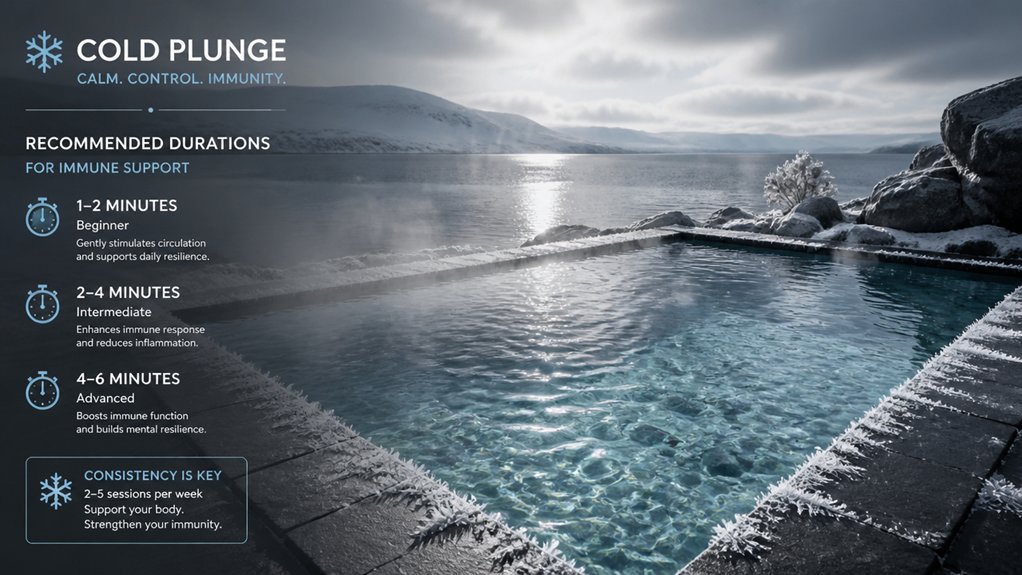
How long should you stay in a cold plunge to effectively boost your immune system? The ideal duration for cold plunges at an intermediate level is between 2 to 4 minutes, helping you maximize immune benefits without overtaxing your body.
During this window, cold exposure stimulates white blood cell production and enhances your immune system’s resilience. Maintaining water temperature between 50°F to 55°F (10°C to 13°C) guarantees effective immune support without risking hypothermia.
To safely build up to these durations, a gradual progression from shorter immersions is recommended. Consistently practicing 1-2 times weekly within this timeframe enhances immune function improvements, supporting overall health and recovery without compromising your training or well-being.
Are Longer Cold Plunges Good or Bad for Your Immunity?
Longer cold plunges can increase physiological stress, which may suppress immune function if they last too long.
While short exposures boost white blood cell production, extended durations often lead to diminishing or reversing benefits. Finding the right balance in plunge length is key to supporting, not harming, your immune system.
Immune Response Duration
Extended cold plunges can have complex effects on your immune system, as immersing for too long may do more harm than good. During a cold plunge, the duration of plunging plays a key role in shaping your immune response.
Shorter dips, around 2 to 4 minutes, effectively stimulate the immune system by activating stress hormones that boost white blood cell production. This helps your body enhance its defenses without overwhelming it.
However, plunging beyond 10 minutes can cause excessive stress, leading to immune suppression and increased risk of hypothermia. Consistent, moderate-length cold plunges promote immune resilience through repeated sympathetic nervous system activation.
Ultimately, maintaining a balanced duration is essential; too long, and you risk impairing your immune response rather than strengthening it.
Cold Exposure Stress Levels
Cold exposure triggers a cascade of hormonal and metabolic responses that influence your immune system. When you take a cold plunge of 30 seconds to 5 minutes, you stimulate immune benefits by promoting inflammatory modulation without excessive physical stress.
Short to moderate cold exposure boosts white blood cell production, enhancing your immune defenses. However, longer plunges beyond 10 minutes increase physical stress, risking hypothermia and immune suppression. Extended cold immersion can overwhelm your body’s recovery capacity, diminishing immune resilience.
Regular, controlled cold exposure within safe durations supports immune system robustness by encouraging beneficial hormonal responses without overtaxing your system. It’s the balance in plunge duration that determines whether cold exposure enhances or hinders your immune health.
Optimal Plunge Length
While cold plunges can boost your immune response, going beyond a prime length can actually do more harm than good. The ideal plunge duration for supporting your immune system is generally between 2 to 4 minutes.
This moderate-length cold plunge effectively promotes immune activation by triggering stress hormones and increasing white blood cell production without causing excessive stress or risk factors like hypothermia.
Longer immersion—beyond 5 to 10 minutes—may heighten the risk of hypothermia and cold-induced stress, which can overwhelm your immune response. Shorter dips of 30 seconds to a minute activate immunity but may be less effective.
Balancing plunge duration is key; too long or frequent cold immersions could impair recovery and undermine immune benefits.
Signs Your Cold Plunge Is Too Cold or Too Long: What to Watch For
Knowing when your cold plunge is too intense is essential to prevent health risks. If you experience uncontrollable shivering or numbness in your extremities, these are clear signs your body is reacting to a cold plunge that’s too cold or too long.
Persistent dizziness or difficulty stabilizing your breathing indicate excessive cold exposure and should prompt an immediate exit. Changes in skin color, like paleness, bluish tones, or mottling, suggest potential frostbite risk.
Staying in the water for over 10 minutes increases the likelihood of hypothermia, which can cause confusion, fatigue, and loss of coordination. If you feel panicked or disoriented, or notice rapid heart rate or chest pain, these are critical warning signs, signaling you must get out right away.
How Often Should You Cold Plunge for Immune Support?
How often you should cold plunge for immune support depends on your goals and tolerance levels. For most, 2 to 3 sessions a week effectively stimulate the immune system without risking overstress.
Each session should last 1 to 5 minutes at temperatures between 50°F and 59°F to boost white blood cell production. Gradually increase plunge duration from 30 seconds to several minutes over weeks to build immune resilience safely.
Daily cold immersion is possible but requires caution to prevent inflammation or fatigue. Consistency is key—regular routines over time have been linked to stronger infection resistance and improved immune responsiveness.
- Begin with shorter immersions and increase gradually
- Monitor your body’s response during and after each session
- Keep plunge duration within recommended limits
- Avoid overdoing it to prevent immune burnout
- Adjust frequency based on your body’s needs
Tips for Gradually Increasing Your Cold Plunge Duration Safely
To increase your cold plunge duration safely, start by immersing yourself for only 30 to 60 seconds. This initial step helps your body adjust and minimizes the risk of cold shock.
Once comfortable, gradually increase your plunge time by 15 to 30 seconds every 1 to 2 sessions, aiming for a maximum of 5 minutes to support your immune system without overexposure. Pay close attention to your body signals—if you experience dizziness, chest pain, or excessive shivering, exit immediately.
Limit your total session time to under 10 minutes, especially if water temperatures fall below 60°F (15°C), to prevent hypothermia.
Regular sessions 1 to 2 times per week build tolerance safely, but only increase duration after consistent safe tolerance and professional guidance.
Summary: Safe and Effective Cold Plunge Durations for Immunity
Maintaining safe and effective cold plunge durations is essential to maximizing immune benefits without risking hypothermia.
To support your immune system, start with a plunge of 30 seconds to 1 minute in water temperatures between 50°F and 59°F (10°C–15°C). Gradually increase your plunge duration up to 3 to 5 minutes, ensuring safe immersion while inducing physiological stress that boosts immunity. Engage in 1-2 plunges per week to avoid overexposure and maintain peak results.
Remember, immediate warming afterward is vital to prevent adverse effects and aid immune recovery.
- Cold plunge duration should be tailored to individual tolerance
- Proper water temperature enhances immune response
- Monitor signs of discomfort to prevent hypothermia
- Consistent, moderate frequency enhances benefits
- Warming periods support recovery and safety
Frequently Asked Questions
How Long Does Joe Rogan Stay in Cold Plunge?
You typically stay in the cold plunge for about 2 to 3 minutes, matching Joe Rogan’s routine. He emphasizes gradual acclimation and avoids exceeding this duration to prevent discomfort or hypothermia, especially with water temperatures in the low 40s Fahrenheit.
Is a 10 Minute Cold Plunge Too Long?
A 10-minute cold plunge can be too long if you’re a beginner or experience symptoms like numbness or dizziness; for most, 2-4 minutes suffices for immune benefits, so monitor your body and gradually increase time safely.
Are Cold Plunges Good for the Immune System?
Cold plunges can support your immune system by boosting white blood cell production and improving circulation. Start with brief dips, gradually increase duration, and consult a healthcare provider to guarantee safety, especially if you have health concerns.
Is 20 Minutes in an Ice Bath Too Long?
Yes, 20 minutes in an ice bath is too long. It greatly exceeds safe limits, risking hypothermia, numbness, and cardiovascular issues. Stick to 2-3 minutes for immune benefits, and always prioritize gradual acclimation for safety.