To optimize sleep with cold plunges, aim for 3-5 sessions per week, lasting 3-10 minutes, ideally 30-60 minutes before bed. Schedule non-consecutive days to prevent overstimulation and avoid plunging immediately after exercise or close to bedtime. Adjust frequency based on how your body responds, monitoring sleep quality. Incorporate relaxation techniques post-session, and keep your water between 50-59°F for best results. Keep exploring to discover more tailored strategies for restful sleep.
How Cold Plunges Can Improve Your Sleep Quality
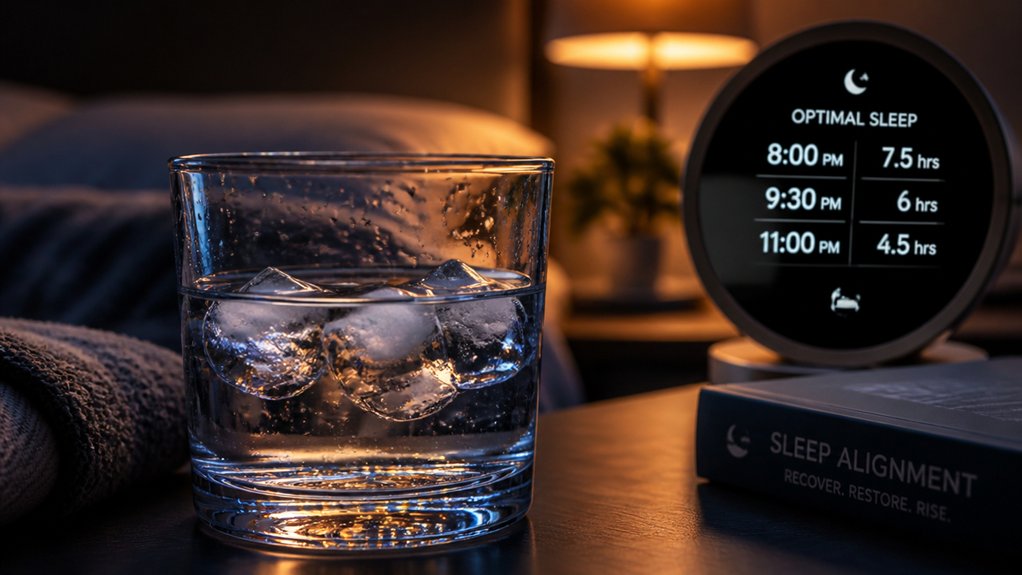
Cold plunges can greatly boost your sleep quality by helping your body lower its core temperature, which is essential for falling and staying asleep. When you immerse in cold water, your body responds by activating the parasympathetic nervous system, promoting relaxation and reducing stress, key components of healthy sleep habits.
Spending about 5-10 minutes in water heated between 50-59°F (10-15°C) during the evening can trigger the release of sleep hormones like melatonin, encouraging faster sleep onset and deeper, more restorative stages. Additionally, cold exposure improves circulation and reduces inflammation, which can minimize discomfort and prevent sleep disruptions.
Timing your cold plunge about 1-2 hours before bedtime aligns with your circadian rhythm, further enhancing sleep quality and supporting your overall health. Proper water treatment and maintenance ensure a consistently inviting environment for effective cold therapy sessions.
What Is the Ideal Frequency for Daily Ice Baths?
Determining how often to take ice baths depends on balancing their recovery benefits with avoiding overstimulation. Generally, 3 to 5 sessions per week strike this balance, promoting improved sleep quality and consistency in your sleep schedule.
Taking ice baths 3 to 5 times weekly supports recovery and better sleep without overstimulation.
Longer baths exceeding 10-15 minutes can reduce muscle adaptation and immune function, so sticking to shorter, 5-10 minute sessions is ideal.
To maximize benefits:
- Keep sessions consistent at the same time daily
- Follow ice baths with proper warming routines to prevent injury
- Adjust frequency based on how your body responds
- Incorporating high-powered chillers for cold plunge pools can help maintain consistent and efficient cooling during your sessions.
This approach helps enhance circulation and inflammation reduction without stressing your system. Ultimately, regularity and moderate duration support better sleep and recovery.
How Should You Schedule Weekly Ice Baths for Better Recovery?
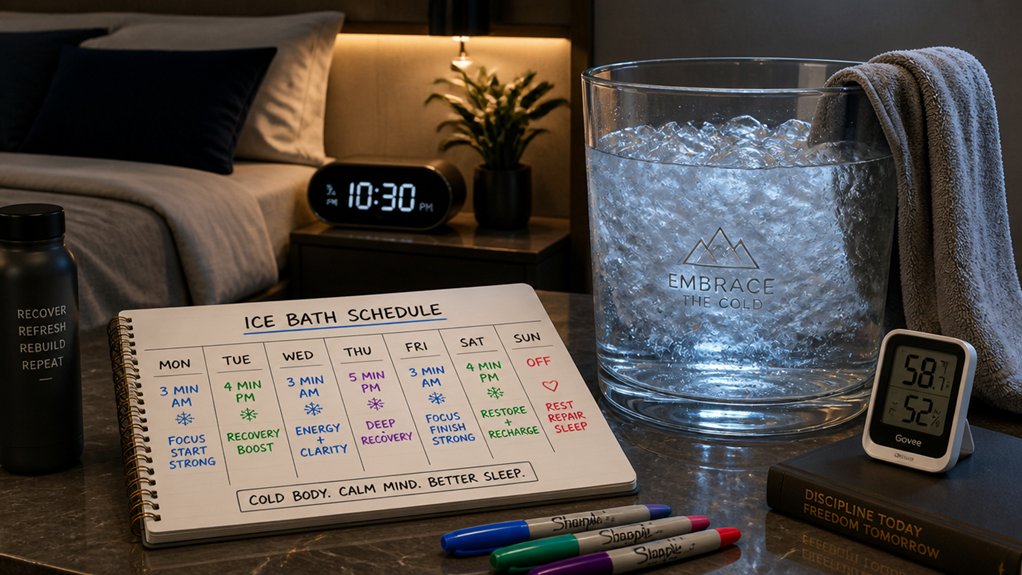
How you schedule your weekly ice baths greatly influences their effectiveness for recovery. For maximum benefits, aim for 2-3 sessions on non-consecutive days, like Monday, Wednesday, and Friday, giving your muscles time to rest while reducing inflammation.
Keep each session between 10-15 minutes, with temperatures around 50-59°F (10-15°C), to avoid adverse effects and promote recovery. Always perform ice baths after intense workouts to help decrease muscle soreness and speed up recovery. Avoid scheduling them right before demanding training days, as cold exposure can temporarily reduce strength.
Consistent spacing guarantees sustained recovery and better sleep quality, supporting your overall health. Properly timed ice baths can help you optimize recovery, maintain performance, and improve sleep patterns. Incorporating durable materials into your setup ensures longevity and consistent performance of your cold plunge equipment.
Adjusting Your Cold Plunge Routine Based on Your Sleep Patterns
To improve your sleep, consider timing your cold plunges earlier in the day so they don’t interfere with bedtime.
If you notice your sleep quality suffering, try reducing the length or frequency of your sessions temporarily. Monitor how your body responds and adjust your routine to align with your sleep patterns for better rest. Additionally, paying attention to temperature therapy features can help optimize recovery without disrupting your sleep schedule.
Timing of Cold Plunges
Timing your cold plunges effectively can make a significant difference in how they impact your sleep. If done too close to bedtime, the spike in core temperature can delay melatonin release and disrupt deep, restorative sleep.
To support quality sleep and fall asleep more easily, schedule your dives earlier in the day or at least 3-4 hours before bed.
Consider these guidelines:
- Morning cold plunges boost alertness and help regulate circadian rhythms.
- Post-exercise cold dips promote muscle recovery without interfering with your wind-down time.
- Adjust timing based on your sleep schedule to guarantee enough time for body temperature normalization.
- Using a reliable blood oxygen monitor can help track your physiological responses during recovery sessions to ensure optimal effects.
Proper scheduling will help you reap cold plunge benefits while promoting better sleep patterns and faster onset of rest.
Adjusting Duration for Rest
Adjusting the length of your cold plunges based on your sleep patterns can help maximize their benefits without causing disruptions. Shorter sessions (1-3 minutes) on days with poor sleep prevent adding stress, while longer plunges may be suitable on days when you sleep every night well. If you’re struggling with the amount of sleep, reduce plunge intensity or duration temporarily to prioritize restorative sleep. Monitor your sleep quality and duration after each session to fine-tune your routine, aiming for consistent 7-8 hours of restful sleep. Incorporate cold plunges into a broader sleep improvement plan, including wind-down routines and sound therapies, to enhance overall sleep quality.
Regularly maintaining water quality with appropriate water treatment solutions can also support better sleep by reducing skin irritation or discomfort caused by contaminated water.
Combining Cold Exposure With Good Sleep Hygiene for Restorative Sleep
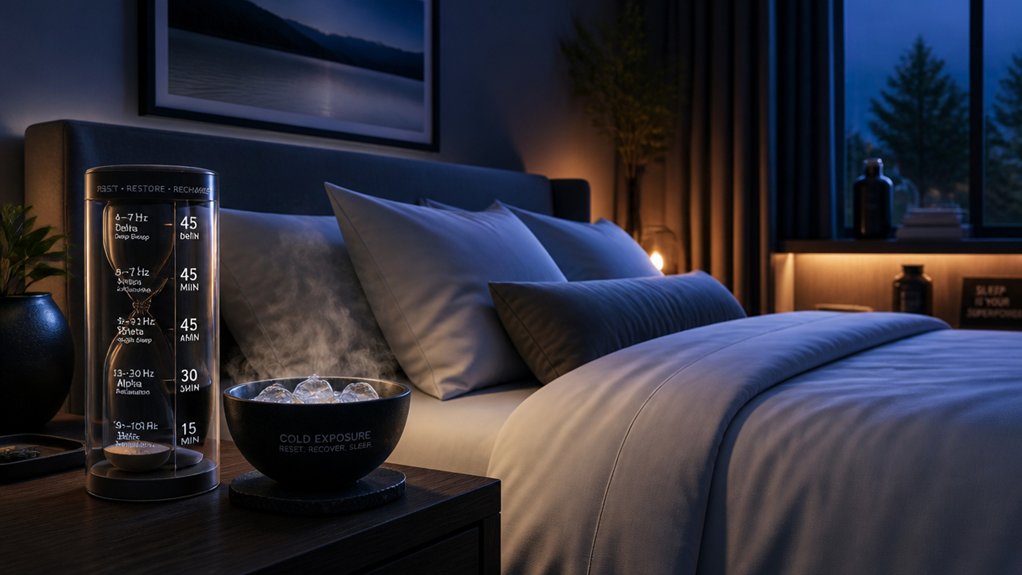
By incorporating cold exposure, like a quick cold shower before bed, you can naturally boost melatonin and deepen your sleep. When combined with good sleep hygiene—such as maintaining a cool, dark environment—you create ideal conditions for restful, restorative sleep. Doing this earlier in the evening aligns with your body’s temperature rhythm and supports better sleep quality. Incorporating skin barrier support practices with gentle cleansing can further enhance your sleep recovery by preventing irritation and promoting healthier, more resilient skin.
Cold Exposure Boosts Melatonin
Cold exposure, such as taking a brief cold shower or ice bath, can stimulate melatonin production, which is essential for regulating your sleep-wake cycle and promoting restorative sleep.
Lowering your core body temperature in the evening signals your body to produce more melatonin, supporting improved sleep quality and overall sleep health. To maximize benefits, it’s best to perform cold exposure at least 1-2 hours before bed, allowing your body to cool naturally.
Incorporating cold exposure with good sleep hygiene practices can match gym gear speed up sleep onset, extend deep delta sleep, and regulate circadian rhythms effectively.
Enhances Sleep Depth Naturally
Combining cold exposure with good sleep hygiene naturally enhances your sleep depth by supporting your body’s ability to enter and sustain restorative sleep stages. Cooler room temperatures (around 60-67°F) lower your core body temperature, helping trigger deep sleep and extend duration in restorative delta waves.
When paired with consistent routines like limiting screen time and maintaining a regular sleep schedule, cold exposure stabilizes your circadian rhythm and reduces disruptions. Relaxation techniques combined with a cool environment also lower stress levels, encouraging your brain to shift smoothly into slow-wave sleep.
This integrated approach optimizes your body’s natural thermoregulation, resulting in a more profound, restful sleep. Implementing these practices helps you achieve a genuine good night’s sleep, waking refreshed and ready for the day ahead.
Combines Well With Hygiene
Incorporating sound frequencies like 528 Hz or delta wave binaural beats into your bedtime routine can greatly boost relaxation, especially when paired with good sleep hygiene practices.
Combining these frequencies with cold exposure—like a brief cold shower or a cool room—helps lower your core body temperature, making it easier to fall asleep quickly. Maintaining a consistent sleep schedule with frequency playlists and cold exposure aligns melatonin release and circadian rhythms, promoting better sleep quality.
To maximize benefits, guarantee your bed environment is quiet, dark, and cool, and follow these practices:
- Limit screen time at least an hour before bed
- Avoid heavy meals and stimulants in the evening
- Keep to a regular sleep schedule
Together, these habits support deeper, more restorative sleep like slow-wave delta sleep, helping you wake refreshed and rested.
How to Track Sleep Quality and Tweak Your Cold Plunge Schedule
Ever wonder how to determine if your cold plunge is helping or hindering your sleep? Start by keeping a sleep journal to record how you feel after going to bed and throughout the night. Use wearables or apps that monitor sleep stages, duration, and disruptions to spot patterns.
Note the timing of your cold plunge sessions; ideally, avoid plunges within 1-2 hours before bed, since they can interfere with your body’s natural temperature drop needed for sleep onset. Track changes in deep sleep phases, like delta waves, to see if cold exposure improves restorative sleep.
Adjust the schedule gradually, shifting colder sessions earlier, and observe effects on sleep latency and efficiency. Combining tracking with sound sleep practices enhances your overall sleep quality.
What Are the Risks of Overusing Cold Plunges and How to Avoid Them
While tracking your sleep improvements, it’s important to also consider how your cold plunge routine might be affecting your health. Overusing cold plunges can pose risks to your mental and physical health, especially if done excessively.
Monitoring sleep gains includes understanding how cold plunges impact your overall health.
Prolonged exposure can lead to hypothermia, which severely drops your body temperature. It may also increase blood pressure and heart rate, creating dangers for those with heart disease. Additionally, frequent cold immersions without proper recovery can weaken your immune system and heighten infection risks.
To protect yourself, keep these guidelines in mind:
- Limit sessions to 3-5 minutes
- Allow ample time for warming between plunges
- Consult a healthcare provider if you have any health issues
Following these tips helps you enjoy cold plunges safely and avoid adverse effects.
Expert Tips on Cold Plunge Frequency for Better Sleep
How often should you incorporate cold plunges into your routine to enhance sleep without risking adverse effects? Most experts recommend doing cold plunge sessions three to four times per week. This frequency helps reduce inflammation, promote parasympathetic nervous system activation, and improve sleep quality.
Aim for sessions lasting two to five minutes in water between 50°F and 59°F (10°C to 15°C). Timing matters—cold plunges 30 to 60 minutes before bed can lower core body temperature, speeding up sleep onset and encouraging deeper, more restful sleep cycles.
Consistent routine combined with gradual exposure also helps regulate cortisol levels and ease nighttime restlessness—key factors for achieving that ideal eight hours of mental and physical recovery. Avoid plunging immediately after intense exercise or too close to bedtime to prevent alertness disruptions.
Using Cycles of Cold Exposure for Enhanced Recovery and Restful Sleep
Incorporating cycles of cold exposure into your routine can considerably boost recovery and improve sleep quality.
Enhance recovery and sleep by alternating cold exposure with gentle warmth routines.
When you alternate cold exposure with warmth, you stimulate blood flow and lower your core temperature, preparing your body for deep, restorative sleep. Short, controlled sessions—around 1-3 minutes—before bed help activate your parasympathetic nervous system, promoting relaxation and reducing stress hormones. This process aligns with recommendations from the National Sleep Foundation, supporting circadian rhythm regulation through increased melatonin production.
To maximize benefits, aim for cold exposure in the late afternoon or early evening.
Consider these approaches to optimize your routine:
- Practice cold showers or dips in controlled intervals
- Combine cold exposure with gentle movement for recovery
- Maintain consistency for long-term sleep improvements
Personalizing Your Ice Bath Routine for Better Sleep and Recovery
To optimize your ice bath routine, focus on setting the right temperature—aim for 50-59°F (10-15°C)—to balance muscle recovery and comfort.
Timing is key; schedule your baths 1-2 hours before bed to avoid disrupting sleep, and limit sessions to 5-10 minutes. Afterward, incorporate calming activities like stretching or meditation to help your body relax and prepare for restful sleep.
Optimal Temperature Settings
Finding the right temperature for your ice bath is essential for maximizing sleep benefits without causing unnecessary discomfort. Aim for a range between 10-15°C (50-59°F) to balance cooling and comfort, helping you go to bed feeling refreshed.
Monitoring your response and adjusting temperatures gradually prevents overstimulation. Consistency is key: aligning your ice bath routine with your sleep schedule enhances results.
Keep these tips in mind:
- Use water around 10-15°C to avoid excessive shock
- Limit immersion to 10-15 minutes for peak recovery
- Take your bath 1-2 hours before bedtime to support natural circadian rhythms
Timing for Recovery
Timing your ice bath properly is essential for maximizing recovery without disrupting your sleep. Schedule your ice bath at least 3 hours before bed to prevent interference with the body’s natural temperature drop, critical for falling asleep. Taking an ice bath too close to bedtime (within 1-2 hours) can hinder this process.
Personalize the duration, typically 10-15 minutes, based on how your body responds—this helps optimize recovery without overstressing yourself. Incorporate tips for better sleep, like guided meditation or listening to sleep frequencies (such as 528 Hz), to enhance relaxation after your ice bath.
Monitoring how your body reacts over several days allows you to fine-tune the timing, ensuring you enjoy the benefits of better recovery and restful sleep.
Frequently Asked Questions
Is 528 or 432 Hz Better for Sleep?
You might find 432 Hz better for gentle relaxation and calming sleep, while 528 Hz can reduce anxiety and promote deeper rest. Try alternating or combining these frequencies to see which best supports your unique sleep needs.
What Is the 3-3-3 Rule for Sleep?
The 3-3-3 rule for sleep involves listening to three different soothing frequencies—like 432 Hz, 528 Hz, and Delta waves—for three minutes each, repeating this cycle three times to promote relaxation and improve sleep quality.
What Frequencies Actually Help With Sleep?
You’ll find delta waves (0.5-4 Hz) and theta waves (4-8 Hz) help with sleep, especially when combined in binaural beats or played at 432 Hz or 528 Hz, promoting relaxation, faster sleep, and better rest.
What Is the Scientifically Proven Best Sleep Schedule?
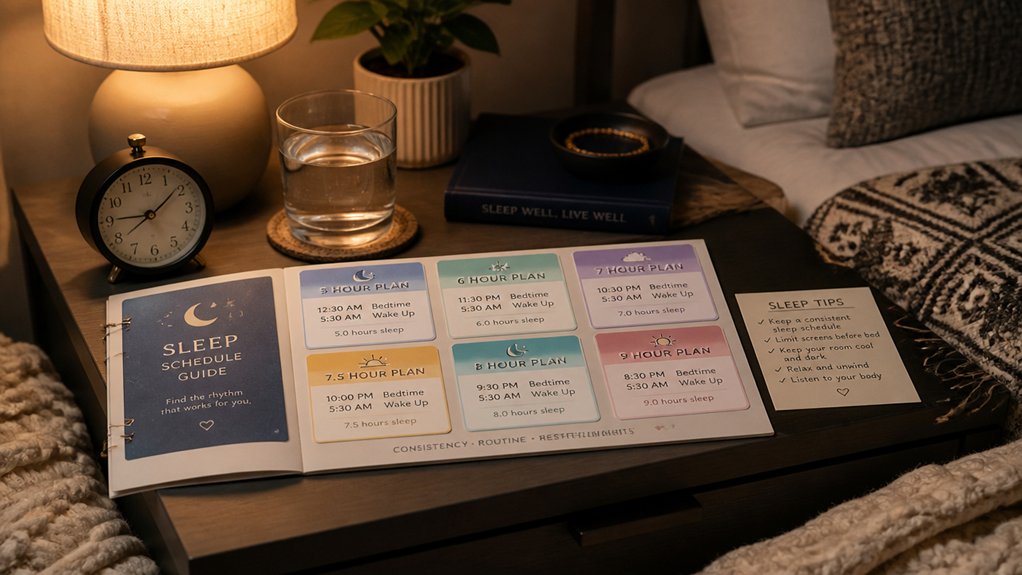
The scientifically proven best sleep schedule involves going to bed and waking up at consistent times, aiming for 7-9 hours. Gradually adjust bedtime, maintain regular hours, avoid screens an hour before sleep, and get morning sunlight.