

For effective mental health recovery, your therapy frequency should match your diagnosis and current needs. Early in recovery, attending therapy weekly or even multiple times a week can accelerate progress and stabilize symptoms. As you improve, you can shift to biweekly or monthly sessions to maintain gains. Flexibility is key—adjust your schedule during setbacks or low-energy days. Keep a consistent routine, and explore community programs for ongoing support. If you’re interested in creating a tailored plan, there’s more to explore ahead.
Why Building a Routine Is Essential for Mental Health Recovery

Building a routine is essential for mental health recovery because it creates a stable foundation amid emotional and psychological fluctuations. Your daily routine provides consistent structure and predictability, helping reduce anxiety and stabilize emotions disrupted by mental illness.
By establishing anchors like fixed wake-up times and scheduled meals, you support your natural rhythms, making symptom management easier. Regular routines also promote treatment compliance by integrating medication and therapy tasks into predictable habits, ensuring you don’t forget important steps.
Small, repeatable tasks within your routine boost motivation, build resilience, and give you a sense of control and accomplishment. Incorporating guided meditation devices into your daily practice can further enhance relaxation and mental clarity, supporting long-term well-being. Tailoring your routine to your recovery phase with flexibility prevents setbacks from causing abandonment and helps sustain long-term mental health progress.
How Therapy Session Frequency Affects Your Progress
The more frequently you attend therapy, especially in the early months, the faster you’re likely to see improvements and manage your symptoms more effectively. Consistent sessions also help build trust and deepen engagement with your therapist, strengthening your recovery process. Using regular treatment routines can enhance the overall effectiveness and sustainability of your progress over time. While early session frequency matters most at the start, maintaining regularity over time continues to support long-term progress.
Session Frequency and Symptom Management
Choosing the right frequency for your therapy sessions can greatly impact how quickly and effectively you manage your symptoms. Consistent, early intervention boosts progress, especially in the first three months.
To maximize benefits:
- Schedule sessions frequently early on to promote faster symptom improvement.
- Maintain session regularity for sustained recovery over time.
- Avoid low initial session frequency, which can lead to persistent symptoms and functional impairments.
Research shows that higher session frequency during the initial treatment phase links to faster recovery across anxiety, depression, and personality disorders. While the positive effects of frequent therapy may lessen after three years, ongoing regular sessions still support long-term stability.
Prompt, consistent therapy keeps symptoms in check and helps prevent chronic disorder progression.
Building Trust and Engagement
Maintaining a consistent session schedule early in treatment plays a vital role in establishing a strong therapeutic relationship, which directly influences your progress. When your mental health treatment involves frequent early sessions, you build trust faster and create a solid foundation for recovery.
This connection encourages you to stay engaged and adhere to your therapy plan, improving outcomes. Conversely, low session frequency initially can hinder progress and increase the risk of long-term mental health issues.
The relationship you develop with your therapist becomes a key driver of symptom improvement, especially in the first few years. Addressing systemic barriers that limit session frequency is essential, as consistent, timely therapy strengthens engagement and maximizes the benefits of your mental health treatment over time.
How Often Should You Attend Outpatient Treatment?
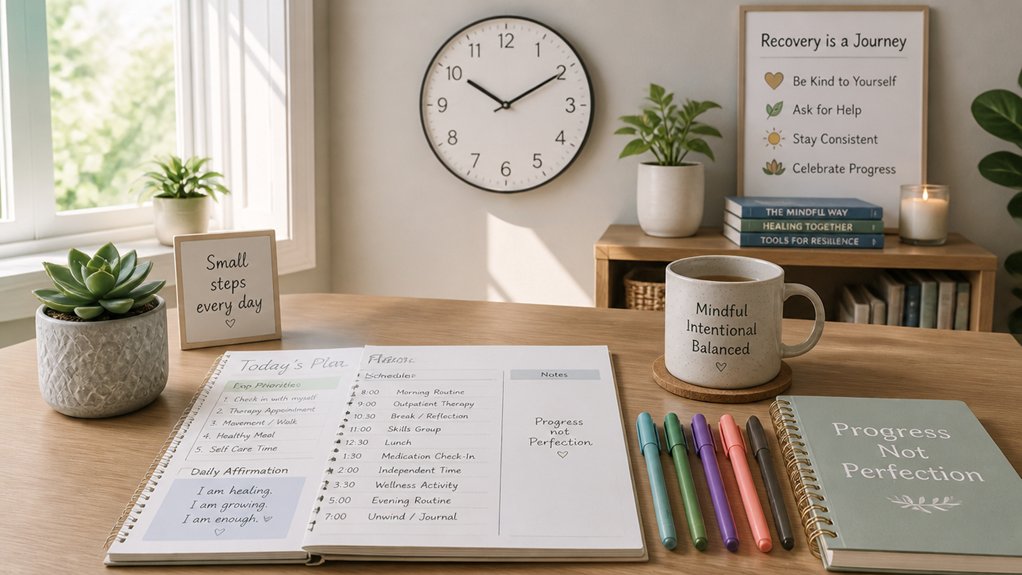
You’ll usually start with frequent sessions during the first few months to build a strong foundation for recovery. As you progress, the frequency can often be adjusted based on your needs and improvements. Staying flexible and working closely with your provider helps guarantee your treatment remains effective. Incorporating eco-friendly recovery practices, such as using biodegradable water treatments, can support both your health and the environment.
Typical Session Frequency
The frequency of outpatient therapy sessions plays a essential role in effective mental health recovery. For most conditions like anxiety or depression, attending weekly sessions lasting 30 to 60 minutes helps guarantee consistent symptom improvement.
If you’re dealing with severe issues or intense emotional distress, multiple sessions per week may be necessary initially. Consider these guidelines:
- First three months: Higher session frequency correlates with greater improvement and sustained recovery.
- Developing coping skills: As you improve, the number of sessions often decreases to biweekly or monthly for maintenance.
- Barriers impact: Limited access or organizational challenges can reduce the number of sessions, potentially affecting your long-term progress.
Your treatment plan should adapt based on your progress, but consistent attendance early on is critical for peak recovery.
Adjusting Over Time
As your mental health improves, the frequency of outpatient therapy sessions should be adjusted to reflect your evolving needs.
Early in treatment, higher session frequency—often more intensive during the first three months—can lead to better symptom improvement and a stronger recovery foundation.
Over time, as you progress, session frequency generally decreases from weekly to biweekly or monthly, serving as maintenance. This gradual adjustment helps prevent relapse and supports sustained recovery.
Keep in mind that low session frequency early on may result in less favorable outcomes, so timely increases or decreases should align with your progress.
Additionally, considering the durability of motivational posters and their placement can help reinforce your mental health goals between sessions, providing ongoing inspiration and resilience.
While the positive impact of session frequency diminishes after three years, maintaining a suitable schedule remains important to long-term mental health stability.
Matching Your Therapy Frequency to Your Diagnosis and Symptoms
How often you should attend therapy sessions depends largely on your specific diagnosis and symptom severity.
For more severe symptoms or complex diagnoses, therapy frequency might include multiple weekly sessions to build stability quickly. For example:
- Mild symptoms often respond well to weekly sessions, such as CBT, which typically involves 30-60 minute weekly meetings.
- During early recovery from serious conditions, your therapist may recommend intensive, initial sessions—possibly multiple times a week—then gradually decrease frequency.
- During stressful periods or symptom flare-ups, increasing therapy frequency temporarily can help maintain progress and manage setbacks.
Adjusting your therapy frequency guarantees you get the right level of support, accelerating your recovery and addressing your evolving needs effectively.
The Benefits of Attending More Frequent Therapy in Early Recovery

Starting therapy with more frequent sessions in the early stages can greatly boost your chances of improvement and long-term recovery. During the first three months of mental health treatment, increased session frequency is linked to better outcomes in managing anxiety, depression, and personality disorders.
This intensive approach helps prevent the development of chronic conditions and accelerates healing. Incorporating adaptogenic support during early recovery can further enhance resilience and stress regulation, supporting mental health improvement. Although the benefits of frequent early sessions may lessen after three years, their positive impact on sustained recovery remains strong.
Attending therapy often at the beginning also supports organizational efforts to improve overall patient results and reduce prolonged symptoms. This strategy applies broadly across common mental health conditions, making it a crucial part of effective mental health treatment.
Risks of Less Frequent Therapy and How It Can Slow Healing
When therapy sessions are less frequent during the first three months of treatment, it can greatly hinder your progress and lead to long-lasting challenges. Reduced session frequency is linked to slower symptom reduction and increased risk of prolonged symptoms and functional impairment.
To understand the risks:
- You may experience delayed stabilization, making it harder to build momentum in recovery.
- Your chances of long-term recovery diminish as the full benefits of therapy diminish over time.
- Organizational barriers that reduce session frequency can prevent rapid treatment initiation, delaying important early gains.
Fewer therapy sessions early on mean less support and fewer opportunities to develop coping skills. Over time, this slowed progress can make it harder to achieve lasting mental health improvements.
Adapting Your Therapy Schedule as You Improve
As you make progress in therapy, adjusting your schedule becomes essential to maintain momentum and support ongoing recovery. As your coping skills strengthen and symptoms stabilize, reducing therapy frequency to biweekly or monthly sessions helps sustain progress without overburdening your routine. Incorporating recovery tracking apps can further enhance your awareness of progress and areas needing attention.
Flexibility in scheduling allows you to adapt your therapy frequency based on current needs and challenges. During periods of major life changes or heightened stress, temporarily increasing therapy intensity can provide extra support.
Regular re-evaluation of your schedule guarantees your treatment aligns with your evolving mental health and recovery stage. This adaptable approach keeps your therapy effective and personalized, promoting long-term well-being while recognizing that your needs may change over time.
How to Create Consistent Daily Routines for Better Mental Health
To build a consistent daily routine, start by establishing simple anchors like a regular wake-up time or morning activity that signal the start of your day. Keep your sleep, meals, and medication schedules steady, and add small tasks like making your bed to create a sense of achievement. Remember to include flexibility options so your routine adapts to low energy days without losing structure. Incorporating controlled breathing exercises can also enhance your mental resilience and promote overall well-being as part of your daily habits.
Establish Fundamental Anchors
Establishing fundamental anchors starts with creating a few simple, consistent daily routines that act as cues for emotional stability. These daily habits help ground you and build predictability in your schedule. To get started: 1. Set a fixed wake-up and sleep time within a one-hour window to stabilize your circadian rhythm. 2. Incorporate essential self-care tasks like hygiene, meals, and medication into predictable slots. 3. Establish a calming evening wind-down or morning beverage to mark shifts and reinforce routines. Additionally, choosing fragrance-free body wash options can help prevent skin irritation and support your overall self-care consistency.
Incorporate Flexibility Strategies
Creating consistent routines that adapt to your changing needs is key to supporting your mental health condition. Building flexibility means establishing 1–3 daily anchors, like a fixed wake-up time or morning ritual, so your routine can adjust based on energy and mental fluctuations.
Include backup options for tasks to prevent abandonment during low-energy days, helping you stay engaged without pressure. Gradually increase routine complexity as your recovery progresses, ensuring these adjustments reduce anxiety caused by rigid schedules.
Focus on creating a personalized, stable structure rather than comparing yourself to others’ routines. Regularly review and modify your habits to maintain adaptability, fostering resilience. This ongoing flexibility helps sustain your mental health, making routines manageable and supportive across different recovery phases.
Key Routine Components: Sleep, Self-Care, and Medication
Consistent routines around sleep, self-care, and medication are essential for supporting mental health recovery. They help stabilize emotions, foster a sense of control, and guarantee effective treatment.
To build these routines:
- Stick to regular sleep and wake times within an hour to stabilize your circadian rhythms and improve mental health outcomes.
- Schedule daily self-care activities, such as hygiene and relaxation, to reinforce emotional stability and personal responsibility.
- Integrate medication and therapy tasks into your routine, like taking medication on time and attending therapy sessions, to boost adherence and symptom management.
Establishing predictable cues, such as morning self-care rituals, also supports emotional regulation. These routine components drive momentum and long-term healing, making mental health recovery more manageable.
Adding Movement and Social Connections to Your Daily Routine
Adding gentle movement, like light exercise or indoor activities, can boost your mood and energy, supporting both physical and emotional health.
Scheduling regular social interactions, even simple ones like texting, helps build emotional resilience and strengthens relationships. Prioritizing these connections creates a steady routine that reduces overwhelm and promotes long-term recovery stability.
Incorporate Gentle Exercise
Have you considered how gentle exercise can boost your mental health recovery? Incorporating regular physical activity like walking, Pilates, or bodyweight exercises can elevate your mood by releasing endorphins and dopamine, helping you feel rewarded.
Here’s how to start:
- Begin with manageable goals, such as a 10-minute walk or short indoor routines, to prevent overwhelm.
- Mix indoor activities and outdoor sessions to stabilize energy levels and reduce anxiety.
- Join support group walks or classes for social connection, which helps combat isolation and enhances emotional wellness.
Schedule Social Interactions
Ever wonder how scheduling social interactions can boost your mental health recovery? Incorporating manageable daily social activities, like texting or quick conversations, helps strengthen personal relationships and offers emotional support.
Adding gentle movement, such as walks or indoor exercises, with social time can lift your mood and boost energy by releasing endorphins and dopamine.
Joining support groups or community programs creates structured social connections that increase motivation, accountability, and reduce feelings of isolation—key in maintaining routines.
Combining social and movement activities, like group walks or fitness classes, enriches emotional well-being while promoting physical health.
Regular social engagement paired with light activity can ease symptoms of anxiety and depression by establishing predictable routines and fostering positive relationships, supporting your overall recovery journey.
Prioritize Emotional Well-being
Prioritizing your emotional well-being involves intentionally incorporating movement and social connections into your daily routine. These elements are essential for effective mental health care and recovery.
Consider these strategies:
- Engage in gentle indoor exercises or walks daily to stabilize your mood, boost energy, and release dopamine and endorphins that enhance emotional well-being.
- Schedule small, manageable social interactions—like texting friends or joining support groups—to foster connection and combat feelings of isolation.
- Keep routines flexible, tailoring movement and social engagement to your energy levels and recovery stage, which helps reduce anxiety and mental burnout.
Even brief physical activities paired with social contacts can improve motivation and emotional regulation, supporting consistent progress in mental health care.
Planning Flexibility to Handle Fluctuating Mental Health
When managing mental health recovery routines, building in flexibility allows you to adjust activities according to your energy levels and symptoms on any given day. Planning flexibility means you can modify tasks and their intensity, reducing the risk of abandoning your routine during low-energy periods.
Including backup options and simplified activities helps maintain self-care even during setbacks or unpredictable symptoms. Flexible routines also promote a non-judgmental approach, letting you focus on your current needs without comparing yourself to others.
As your mental and physical capacity improves, you can gradually expand and adjust routine elements. This adaptability supports emotional stability by accommodating fluctuations in mental health states, all while preserving the structure and predictability essential for long-term recovery.
How to Maintain Routine During Setbacks or Low-Energy Days
During setbacks or low-energy days, maintaining your routine can feel challenging, but small adjustments can help you stay on track without feeling overwhelmed.
Even on tough days, small tweaks help you stay connected to your routine with ease.
Focus on simple, flexible strategies that support your mental health.
- Simplify activities — reduce routine complexity or include backup tasks, so you don’t abandon your routine altogether.
- Stick to key anchors — maintain 1–3 daily habits like waking up or hygiene to preserve structure and stability.
- Set achievable goals — small tasks like making your bed or having a healthy snack foster a sense of accomplishment, helping you stay motivated even on difficult days.
Knowing When to Change Your Routine and How to Do It
Recognizing the right time to modify your routine is essential for ongoing mental health recovery. Regularly monitor your mental health to catch early warning signs that indicate adjustments are needed. Respond gradually to changes in energy, symptoms, or recovery phases, ensuring flexibility to prevent setbacks. Incorporate backup plans and alternative activities to maintain stability when primary tasks become overwhelming. As your coping skills improve, incrementally increase routine complexity, avoiding drastic changes that may cause distress. When considering significant adjustments, seek support from mental health professionals or peer groups for tailored guidance.
| Indicator | Action |
|---|---|
| Signs of increased stress | Ease up or replace activities with support options |
| Persistent fatigue or low energy | Adjust task difficulty and incorporate backups |
| Sudden symptom changes | Seek professional advice before major shifts |
| Progress in recovery | Gradually add activities to support growth |
How Support Programs and Community Help Strengthen Your Routine
Support programs and community resources play a vital role in strengthening your recovery routines by providing consistent, structured engagement. Treatment programs like Intensive Outpatient Programs (IOP) and Partial Hospitalization Programs (PHP) deliver daily therapy, helping you build habits around your mental health.
Community help through peer support groups and local NAMI affiliates offers shared experiences that motivate you to stick with your routines and reduce relapse risk. Programs such as Asteroid Health focus on trauma-informed therapy with a strong emphasis on routine-building for sustainable recovery.
Consider these benefits:
- Regular participation automates key recovery activities, reducing anxiety and decision fatigue.
- Peer support fosters emotional stability through social contact.
- Structured treatment programs guarantee consistent engagement, reinforcing your progress.
The Long-Term Benefits of Maintaining a Consistent Routine
Maintaining a consistent routine offers powerful long-term benefits for your mental health, helping you build stability and resilience over time. A steady routine supports emotional stability by providing daily anchors that promote gradual progress and healing.
Over time, routines help your brain anticipate cues for sleep, meals, and self-care, restoring natural rhythms and lowering anxiety. Consistently sticking to your routine also makes it easier to detect early warning signs of mental health issues, allowing for timely intervention and preventing setbacks.
In addition, regularly engaging in therapeutic activities and self-care tasks deepens your sense of personal responsibility and empowerment. Evidence shows that adhering to a routine, especially early in recovery, leads to better outcomes, reduces the chance of relapse, and fosters lasting resilience against future challenges.
Frequently Asked Questions
How Can I Stay Motivated to Maintain Consistent Therapy Sessions?
You stay motivated by setting clear goals, reminding yourself of your progress, and rewarding small achievements. Keep a positive mindset, schedule therapy sessions consistently, and remember that investing in your well-being leads to lasting change.
What Barriers Commonly Prevent Early Treatment Engagement?
Common barriers include stigma, fear of judgment, feeling overwhelmed, and uncertainty about treatment benefits. You might also struggle with access issues and low motivation, but recognizing these can help you find strategies to overcome them and seek help.
How Does Therapy Frequency Differ for Various Mental Health Conditions?
You’ll find therapy frequency varies: initially, for severe conditions, weekly sessions work best; as progress happens, bi-weekly or monthly visits might suit milder issues. Your therapist tailors the plan to your specific mental health needs.
What Strategies Help Sustain Routines During Mental Health Setbacks?
You can sustain routines during setbacks by simplifying tasks, setting small achievable goals, maintaining flexibility, seeking support from friends or therapists, and practicing self-compassion. These steps help keep your recovery momentum steady through challenging moments.
Can Adjusting Therapy Frequency Impact Long-Term Recovery Success?
Adjusting therapy frequency can positively impact your long-term recovery by providing tailored support when needed most, ensuring ongoing progress, addressing setbacks promptly, and helping you develop resilience and coping skills effectively over time.