For seniors, using cold water therapy 2-3 times a week is generally recommended to gain health benefits while minimizing risks. Start with brief sessions of 15-30 seconds and gradually increase as your body adapts. Keep an eye out for warning signs like dizziness or numbness, and always consult your healthcare provider before beginning. If you want to learn how to safely incorporate cold plunges into your routine, there’s more helpful information to explore.
Why Cold Water Therapy Can Improve Seniors’ Health and Recovery

Cold water therapy can greatly improve seniors’ health and aid their recovery by reducing chronic low-grade inflammation, which is common with aging and linked to many age-related diseases.
Cold exposure stimulates your immune system, helping your body fight off infections more effectively. It also promotes better circulation and metabolic activity, crucial for faster muscle recovery and reducing soreness, swelling, and pain.
Regular cold water therapy can lift your mood, lower stress, and improve sleep quality—key factors for mental health and overall well-being in seniors. By flushing out toxins and waste through cold immersion, you support your body’s natural detox processes. Additionally, incorporating insulation efficiency into your cold plunge setup ensures the water stays cold longer, maximizing therapeutic benefits.
Is Cold Water Therapy Safe for Seniors?
Is cold water therapy truly safe for seniors? It can be, but risks exist. Cold water immersion may increase the chance of hypothermia because aging weakens your ability to regulate core temperature. Using a high-quality, insulated, and appropriately sized garden hose can help control water temperature and flow, potentially reducing some risks associated with cold therapy. If you have cardiovascular conditions, it’s essential to consult a cardiologist before starting, as cold shock can trigger arrhythmias or worsen heart issues.
To stay safe:
- Practice gradual acclimation, slowly increasing immersion time.
- Monitor closely for intense shivering, numbness, or dizziness.
- Always have warm clothing ready and seek medical supervision for personalized protocols.
How Often Should Seniors Do Cold Plunges for Best Results?
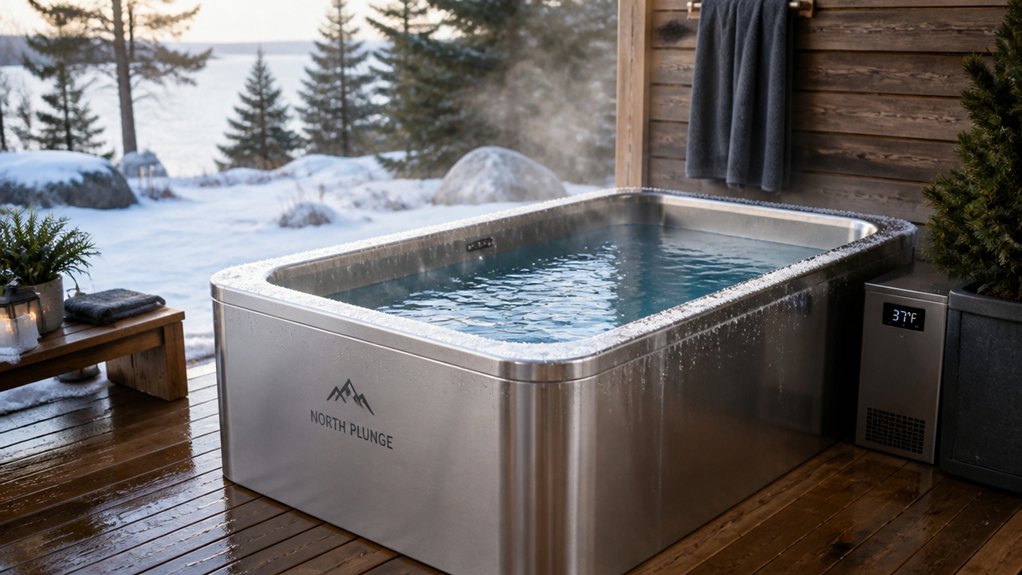
To see the best results, you should start with 2 cold plunge sessions per week and gradually increase based on your tolerance. Keep each session to 1–3 minutes to stay safe and avoid hypothermia. Always listen to your body and consult your healthcare provider to tailor the frequency to your personal needs. Incorporating proper water treatment solutions can help maintain water quality and safety during your routines.
Recommended Frequency Range
For seniors starting cold water therapy, sticking to 2–3 sessions per week is generally recommended. This guarantees you gain benefits like reduced inflammation, improved circulation, and immune support without overtaxing your system.
The ideal frequency involves plunging every few days, balancing consistency and safety. Here’s what to take into account:
- Limit cold plunges to two to three times weekly, allowing your body time to recover.
- Avoid plunging every day, especially early on, to prevent excessive cold stress or hypothermia risks.
- Keep sessions short—under 5 minutes—to minimize cardiovascular strain during cold-water immersion.
- Choosing an appropriately sized cold plunge tub ensures comfort and safety during each session.
Following this recommended frequency range helps you build resilience gradually while enjoying the benefits without overdoing it. Always consult your healthcare provider to personalize your cold water therapy routine.
Personal Tolerance Development
Building your cold water tolerance as a senior requires a cautious, step-by-step approach. Start with short cold plunge sessions of 15-30 seconds, 2-3 times weekly, to safely develop personal tolerance. Gradually increase duration by 15-30 seconds weekly, helping you build resilience without risking hypothermia. Due to slower heat regulation and hypothermia risks, longer recovery periods between sessions are essential. Stick to 2-3 plunges weekly, allowing your body to adapt steadily. Monitoring your reactions and consulting healthcare professionals guarantees safe progression tailored to your cardiovascular health and tolerance level. Proper insulation of your cold plunge setup can also influence how your body responds to cold exposure, enhancing safety and comfort. Consistency is key; regular, moderate cold exposure improves cold tolerance over time, maximizing therapeutic benefits without overstressing your body.
What Factors Affect Cold Plunge Frequency for Older Adults?
Your heart health and overall tolerance are key factors in determining how often you should take cold plunges. It’s important to start slowly, allowing your body to adjust over time, and to pay attention to how long each session feels comfortable. Incorporating proper insulation into your cold plunge setup can also help maintain consistent temperatures and maximize benefits. Considering your specific health conditions and recovery needs helps guarantee you’re using cold therapy safely and effectively.
Heart Health Considerations
Because aging affects the cardiovascular system, seniors need to carefully consider how often they use cold water therapy.
Cold plunges can impact your heart health, especially if you have cardiovascular conditions.
To reduce risks, pay attention to these factors:
- Medical History: If you have arrhythmias or hypertension, consult your doctor before starting. Cold shock can trigger irregular heartbeats or spikes in blood pressure.
- Blood Vessels: Cold exposure causes vasoconstriction, placing strain on your aging blood vessels. Shorter, less frequent plunges help prevent overwhelm.
- Medications and Recovery: Drugs like beta blockers affect cold response, so monitor your heart response closely and allow adequate recovery between sessions. Limit to 1-2 cold plunges weekly initially.
- Equipment and Temperature Control: Using a high-powered chiller can ensure precise temperature regulation, allowing safer and more controlled sessions tailored to individual health needs.
Tolerance Development Timeline
Age-related changes in metabolism and heat retention mean older adults typically develop cold tolerance more slowly, requiring a cautious approach to cold water therapy. Your tolerance development timeline depends on factors like age, health, and pre-existing conditions. Starting with brief cold plunges of 15-30 seconds two to three times a week allows your body to adapt safely. Gradual progression in duration and frequency is key, as overshooting can cause hypothermia risks. Regular monitoring and medical consultation help tailor your plan. Here’s a quick overview:
| Factor | Impact on tolerance timeline | Recommended approach |
|---|---|---|
| Age and health | Slower adaptation | Shorter, cautious sessions |
| Pre-existing conditions | Adjustments needed | Medical guidance |
| Body composition | Affects heat retention | Gradual increases |
| Sensory changes | Delayed cold shock response | Conservative limits |
Additionally, maintaining proper circulation and thermoregulation can influence how quickly your body adjusts to the cold.
Cold Exposure Duration
When determining how frequently older adults should engage in cold water therapy, the duration of each cold plunge plays a significant role. As seniors are at higher risk for hypothermia, it’s essential to keep cold exposure duration brief and carefully monitored.
Cold plunge sessions should start very short—no more than 30 seconds—and increase gradually as tolerance builds. Consider these factors:
- Shorter cold exposures reduce hypothermia and cardiovascular risks.
- Aging-related changes in body composition, like decreased fat and muscle, necessitate limiting cold plunge duration.
- Longer recovery times between sessions help prevent overexposure, safeguarding seniors’ health and physiological adaptation.
Prioritize safety by consulting healthcare professionals before beginning any cold water therapy.
What Are the Risks of Doing Cold Water Therapy Too Often?
Excessive cold water therapy can pose significant health risks for seniors, especially if done frequently or without proper precautions. A cold plunge increases the risk of hypothermia since seniors often have slower thermoregulation and difficulty maintaining core temperature.
It can also trigger cardiovascular stress, raising the chance of arrhythmias, particularly in those with pre-existing heart conditions. Overdoing cold therapy may lead to muscle soreness and impair immune function, leaving you more vulnerable to colds and infections.
Additionally, too frequent cold plunges can blunt your muscles’ long-term strength and recovery, impacting mobility and physical function. Without careful management, seniors are also more susceptible to cold-related injuries like frostbite. It’s essential to monitor your body’s responses and consult medical professionals before regular cold water exposure.
How Can Seniors Start Cold Water Therapy Safely?
To start cold water therapy safely, you should first consult your healthcare provider to evaluate any cardiovascular risks.
Begin with short sessions in water around 50°F (10°C) or warmer, and gradually increase duration as your body adjusts.
Always use safe, controlled environments, and warm up gradually afterward to prevent risks like hypothermia.
Starting Warm and Short
Starting cold water therapy gradually is essential for safety, especially for seniors new to the practice. You should begin with short durations of 15-30 seconds in mild cold water, around 50-60°F, to build tolerance safely.
Here are some tips:
- Start with cold showers or partial limb immersion to prevent overwhelming exposure.
- Next, monitor your body’s response closely for any signs of hypothermia, like intense shivering, numbness, or dizziness; if these occur, exit immediately.
- Keep warm clothing and towels nearby to use right after therapy, helping to maintain your body temperature.
This gradual approach helps seniors adapt safely while minimizing risks associated with cold water exposure.
Medical Clearance Essential
Is consulting your healthcare provider before beginning cold water therapy truly necessary? Absolutely. For seniors, obtaining medical clearance from your primary care physician or cardiologist is vital to assess potential cardiovascular risks and contraindications.
Cold water therapy can strain the heart, especially for those with existing heart conditions or hypertension. Starting with short exposures of 15-30 seconds at temperatures above 50°F allows you to gauge your tolerance safely.
Gradual acclimation—beginning with cold showers or partial limb immersion—helps build resilience before attempting full-body cold plunges. Always monitor for adverse symptoms like dizziness or numbness, and stop immediately if they occur.
Professional guidance guarantees you’re safely integrating cold water therapy into your routine without jeopardizing your health.
How to Gradually Increase Cold Exposure Without Overdoing It
Gradually increasing cold exposure helps your body adapt safely without risking discomfort or health issues. To do this effectively:
- Begin with short sessions, like 15-30 seconds, targeting hands and feet, then slowly progress to full-body cold plunge over weeks.
- Increase exposure to cold gradually—about 15-30 seconds per week—to build tolerance while minimizing risks like hypothermia or cardiac stress.
- Pay attention to your body; if you experience intense shivering or dizziness, stop immediately to prevent overexposure, and allow longer recovery times before next sessions.
How to Recognize Warning Signs to Reduce or Stop Cold Therapy
Monitoring how your body responds during cold therapy guarantees you can stop promptly if warning signs appear. As a senior, paying attention to warning signs like intense shivering, numbness, dizziness, or confusion is essential, as these indicate a risk of hypothermia.
If you experience irregular heartbeat, chest pain, or excessive breathlessness during cold exposure, stop immediately and seek medical help, since these symptoms suggest cardiovascular strain.
Persistent muscle stiffness or unusual pain afterward also signals overexposure, requiring you to cut back on cold therapy. Likewise, if you feel excessive fatigue or prolonged cold sensitivity after a session, pause your cold therapy to recover.
Recognizing these warning signs helps you use cold water therapy safely and prevents serious health complications.
How to Balance Cold Plunges With Other Wellness Practices
Balancing cold plunges with other wellness practices is essential to maximize benefits and minimize risks for seniors. To do this effectively:
- Incorporate gradual cold exposure by starting with 15-30 second sessions 2-3 times weekly, allowing seniors to build tolerance gradually alongside other wellness activities.
- Combine cold plunges with gentle movement and stretching, supporting circulation while reducing the risk of hypothermia or cardiovascular strain.
- Guarantee proper warm-up and warm-down routines, including light aerobic exercises, warm clothing, and hydration, to maintain safety and support overall health.
Expert Tips for Scheduling Cold Water Therapy Safely in Seniors
How can seniors safely incorporate cold water therapy into their routines? Start with very short sessions of 15-30 seconds at mildly cold temperatures around 50°F, gradually increasing exposure while monitoring how your body responds.
Begin with brief 15-30 second sessions in mild cold at 50°F, slowly increasing duration while listening to your body’s signals.
It’s vital to consult a cardiologist before beginning cold water therapy because the cold shock can trigger arrhythmias or other cardiac issues. Limit sessions to 2-3 times weekly, allowing sufficient recovery time to prevent excessive cardiovascular stress.
Always guarantee the water isn’t icy and avoid strong currents. Keep warm clothing and towels nearby to help safely warm up afterward and reduce the risk of hypothermia.
Prioritizing these expert tips helps seniors enjoy cold water therapy safely without overexposing themselves or risking health complications.
Practical Tips for Incorporating Cold Water Therapy Into Daily Life
Are you wondering how to incorporate cold water therapy into your daily routine safely? To enjoy the benefits without risking hypothermia, start with short cold plunges of 15-30 seconds in cooler water.
Here’s how to do it effectively:
- Choose a safe, calm environment free of currents, and have warm clothing and towels ready to warm up afterward.
- Practice controlled, slow breathing during immersion to manage discomfort and support your cardiovascular health.
- Begin with 2-3 sessions per week, allowing recovery days in between to minimize risks and maximize benefits for recovery and overall well-being.
Always consult your healthcare provider before starting cold water therapy, especially if you have heart or medical concerns.
Frequently Asked Questions
Are Cold Plunges Good for Older People?
Cold plunges can benefit you by reducing inflammation, boosting circulation, and aiding recovery. However, start with short sessions, warmer water, and consult your doctor first to guarantee safety, gradually increasing duration as your body adapts.
How Many Times a Week Should I Do Cold Water Therapy?
You should do cold water therapy 2 to 3 times a week, limiting each session to about 10 minutes. This frequency helps you enjoy benefits safely while reducing risks, especially when you consult your healthcare provider first.
Can You Overdo Cold Plunges?
Yes, you can overdo cold plunges. Excessive exposure increases risks like hypothermia, heart strain, and muscle soreness. Stick to 2-3 times weekly, monitor how you feel, and consult your healthcare provider to stay safe.
What Is the 1 10 1 Rule in Cold Water?
The 1-10-1 rule in cold water therapy guides you to dip for 1 minute, warm for 10 minutes, then dip again for 1 minute. You should follow this to safely enjoy cold immersion without overstressing your body.