If you have heart problems, circulatory disorders, respiratory conditions like asthma, or are pregnant, you should avoid cold water immersion, as it can cause dangerous blood pressure spikes, arrhythmias, and fetal stress. People with Raynaud’s, nerve damage, or who take medications like beta-blockers or diuretics are at increased risk for cold injuries or complications. Elderly and children also face higher risks due to decreased thermoregulation. Staying informed can help you understand how to stay safe during cold exposure.
Who Should Avoid Cold Water Immersion Due to Heart Conditions?
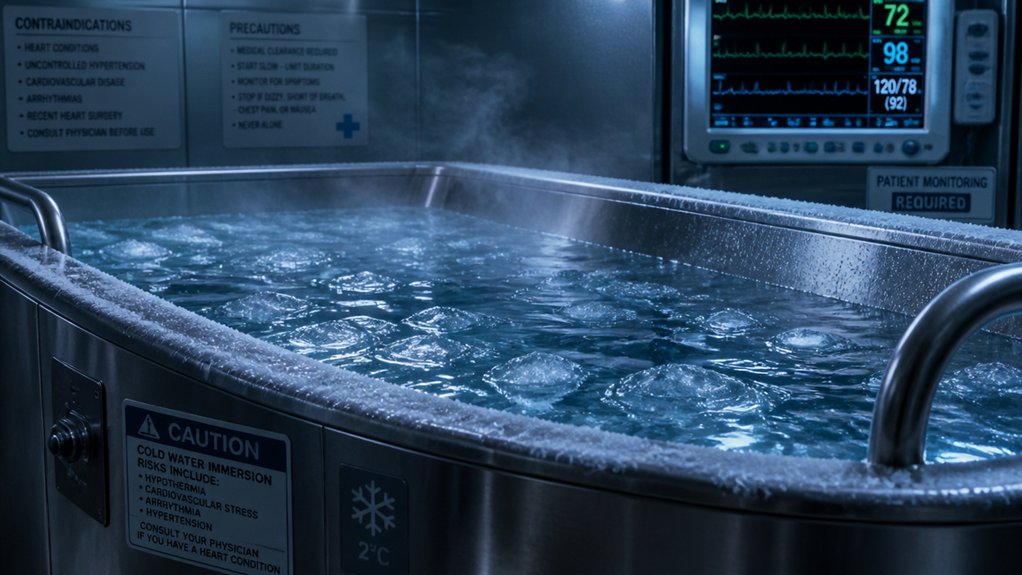
Have you considered the risks cold water immersion therapy poses if you have pre-existing heart conditions? People with coronary artery disease, recent heart attacks, heart failure, or arrhythmias should avoid cold water immersion because it can cause sudden spikes in blood pressure—up to 50 mmHg—and increase heart rate by over 60 bpm, potentially triggering cardiac arrest.
Cold immersion also causes vasoconstriction and raises afterload sharply, which can overwhelm hearts with valve issues like aortic stenosis or mitral regurgitation, risking acute failure.
If you’ve suffered previous cardiac events, your heart tissue may be vulnerable to arrhythmias triggered by cold shock within seconds, making cold plunges dangerous. Always seek medical clearance before attempting any cold water immersion if you have heart issues; even brief exposure can pose serious risks. Incorporating water treatment solutions and proper insulation can help manage potential hazards and ensure safer use.
Why Circulatory Disorders Make Cold Plunges Risky
If you have circulation issues, cold plunges can cause your blood vessels to constrict rapidly, markedly raising your blood pressure. This puts extra stress on your heart, increasing the risk of arrhythmias or decompensation. Additionally, the cold retention duration in cold therapy can prolong vasoconstriction, further stressing compromised circulatory systems. You should be cautious, as these fluctuations can be dangerous if your circulatory system is already compromised.
Blood Vessel Constriction Risks
Cold water immersion causes blood vessels to constrict rapidly, which can dramatically raise blood pressure and place added stress on your heart. This vasoconstriction narrows your blood vessels, reducing blood flow to extremities and essential organs. For individuals with circulatory disorders like peripheral artery disease or Raynaud’s syndrome, this exaggerated vasospasm can lead to tissue ischemia and damage. Those with diabetes, especially with peripheral neuropathy, are even more vulnerable because reduced sensation and circulation mean cold injuries can go unnoticed, delaying recovery. Additionally, conditions like venous insufficiency or a history of deep vein thrombosis worsen water pooling and clot risk due to constricted arteries. Cold-induced vasoconstriction can also strain pre-existing heart valve issues, risking acute cardiac events. Proper insulation and sanitation are crucial to ensure safe and effective use of cold plunge tubs, especially for sensitive populations.
Blood Pressure Fluctuations
The rapid blood vessel constriction caused by cold water immersion can lead to sharp fluctuations in blood pressure, often increasing it by 30-50 mmHg. This sudden spike during cold exposure puts extra stress on your cardiovascular system, especially if you already have circulatory issues.
For those with hypertension or vascular disorders, these fluctuations can be dangerous, risking damage to blood vessels or triggering hypertensive crises. The rise in blood pressure can also overwhelm weakened hearts, increasing the chance of heart failure or arrhythmias.
If you have circulatory disorders like peripheral artery disease or Raynaud’s syndrome, cold exposure can cause intense vasospasms, further destabilizing blood pressure. Because of these risks, avoid cold plunges if your circulatory system isn’t healthy or stable. Additionally, monitoring your blood oxygen levels can be crucial, as cold stress can impact oxygen saturation and circulation efficiency measurement parameters.
Heart Strain Potential
Circulatory disorders markedly heighten the risks associated with cold plunges because the sudden vasoconstriction and rapid heart rate increase can overwhelm your heart’s capacity. Cold water immersion triggers vasoconstriction, raising your blood pressure by 30-50 mmHg and causing your heart to beat faster—sometimes over 60 bpm.
If you have heart issues like coronary artery disease, heart failure, or arrhythmias, this sudden strain can be dangerous. Your heart may struggle to manage the increased workload, risking arrhythmias or even cardiac arrest. For heart failure patients, the elevated afterload can lead to decompensation or pulmonary edema. Additionally, the stress from rapid cooling can impact temperature regulation, further complicating existing health conditions.
Risks of Cold Water Therapy for People With Respiratory Conditions Like Asthma
People with respiratory conditions like asthma face notable risks when engaging in immersion therapy involving cold water. The cold shock response can trigger sudden gasp reflexes, which often lead to bronchospasm and airway narrowing, causing wheezing and breathing difficulties.
If you have exercise-induced asthma, inhaling cold air during immersion may worsen your symptoms, increasing the risk of respiratory distress. COPD patients are especially vulnerable to rapid hyperventilation caused by cold shock, risking hypoxia and CO2 retention.
Additionally, cold water exposure can trigger cold urticaria, leading to allergic reactions such as hives, swelling, or even anaphylaxis. Synergistic adaptogen blends may help support stress management and resilience, but they do not eliminate the physical risks associated with cold water and air exposure. Overall, cold water and air both worsen bronchial constriction, markedly increasing respiratory stress and danger for individuals with these respiratory conditions.
When Pregnant Women Should Stay Away From Cold Water Practices
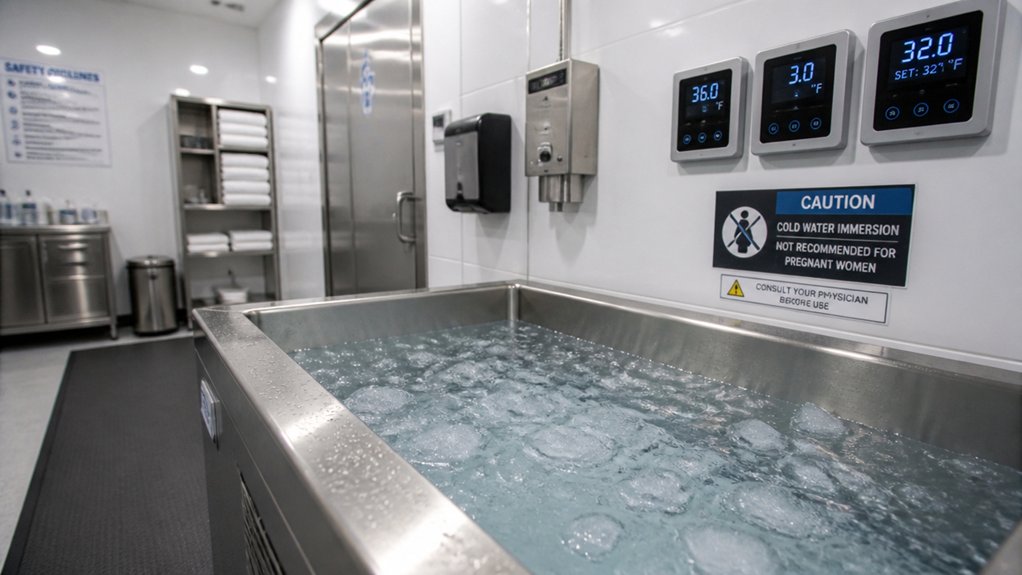
As a pregnant woman, you should avoid cold water practices because they can cause blood vessels to constrict, reducing blood flow to your baby. This can lead to fetal stress or trigger premature contractions in your uterus. Since the safety of cold immersions during pregnancy isn’t well studied, it’s best to steer clear to prevent unnecessary risks. Additionally, fluctuations in water temperature can affect your body’s insulation and temperature regulation, which could further impact your wellbeing during pregnancy.
Risk of Blood Vessel Constriction
Cold water immersion causes blood vessels to constrict rapidly, which can greatly reduce blood flow to the uterus and decrease oxygen supply to the fetus. This blood vessel constriction is a primary concern with cold therapy during pregnancy.
When you expose yourself to cold, your body responds by narrowing blood vessels, risking inadequate blood circulation to essential organs, including the uterus. This can lead to fetal hypoxia and potential complications.
Because of these risks, medical guidelines strongly recommend pregnant women avoid cold plunge or ice bath practices. The risk of blood vessel constriction makes cold water therapy unsafe during pregnancy, as it could interfere with fetal development.
Additionally, the materials and insulation properties of the tubs do not influence this risk but are important for overall safety and durability during use.
To protect your baby’s health, steer clear of cold water immersions while pregnant.
Potential Fetal Stress
Since exposure to cold water can cause rapid vasoconstriction, pregnant women face the risk of reducing blood flow to the uterus, which may trigger uterine contractions. This cold stress can elevate stress hormones like cortisol, impacting fetal development and increasing the risk of complications.
Cold stress not only threatens your comfort but also poses serious risks to the fetus, including fetal distress or preterm labor. Because of these hazards, pregnant women should avoid cold water immersion therapy altogether. The lack of sufficient research on its safety further emphasizes caution.
Exposure to cold water during pregnancy can compromise oxygen supply and increase stress on your body, making it a dangerous choice. It’s best to prioritize your pregnancy and steer clear of cold water practices during this critical time.
Increased Heart Strain
When pregnant women immerse themselves in cold water, their bodies respond with sudden vasoconstriction, forcing the heart to work harder to circulate blood. This reaction elevates blood pressure and increases heart strain, which can be risky during pregnancy.
The added stress on your cardiovascular system may lead to feelings of dizziness or fainting, increasing the chance of falls or injury. Cold water accelerates your heart’s workload, making it harder to maintain stable blood circulation.
Without sufficient safety research, these physiological responses remain unpredictable and risky. Medical guidelines typically recommend against cold water immersion for pregnant women to prevent unnecessary strain on the heart. Staying away from such practices helps protect both your cardiovascular health and your pregnancy’s safety.
Why Those With Raynaud’s Phenomenon or Severe Nerve Damage Are at Higher Risk
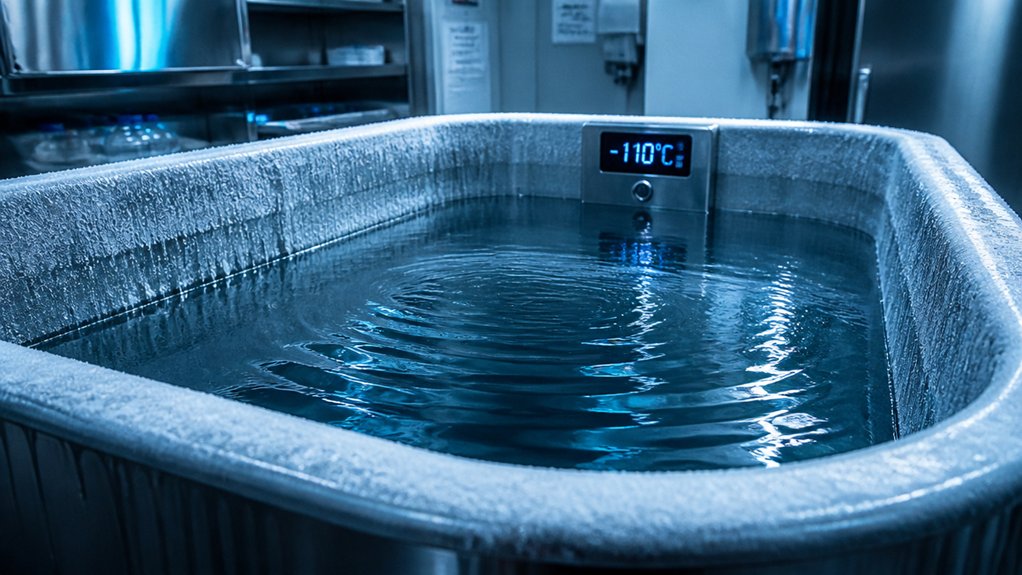
Individuals with Raynaud’s phenomenon or severe nerve damage are at higher risk during immersion therapy because their bodies struggle to regulate blood flow and temperature effectively.
With Raynaud’s phenomenon, cold water triggers exaggerated vasospasms in your extremities, risking tissue damage from prolonged blood flow restriction, while cold exposure can cause painful digit blanching, numbness, and discoloration.
Severe nerve damage, like diabetic peripheral neuropathy, impairs your temperature sensation and reduces pain feedback, making it easier to overlook cold injuries such as frostbite. Additionally, autonomic neuropathy can disrupt heart rate and blood pressure regulation during immersion, producing unpredictable responses.
Poor circulation from nerve and vascular damage also hampers tissue rewarming, increasing the risk of lasting ischemia and tissue injury.
Why Uncontrolled Hypertension Increases Cold Water Immersion Risks
Uncontrolled hypertension greatly increases the risks associated with cold water immersion because your blood vessels can’t respond effectively to the sudden vasoconstriction caused by cold exposure. This can lead to dangerous spikes in blood pressure—often 30-50 mmHg—and puts extra stress on your heart.
The cold shock response also triggers a surge in sympathetic nervous activity, raising your heart rate and cardiac workload, which raises the risk of heart failure or arrhythmias. Hypertensive individuals with impaired vascular compliance have difficulty buffering rapid hemodynamic changes, heightening cardiac risks.
- Elevated blood pressure can precipitate hypertensive crises during cold immersion
- Increased heart rate adds strain on the cardiovascular system
- Sudden hemodynamic shifts may cause dangerous arrhythmias
Medical Conditions That Require a Doctor’s Approval Before Cold Water Exposure
If you have heart, lung, or nerve conditions, you should get your doctor’s approval before trying cold water immersion.
These health issues can cause serious problems like arrhythmias, breathing difficulties, or nerve damage during cold exposure. Consulting your healthcare provider helps guarantee your safety and minimizes risks.
Heart and Cardiovascular Health
People with certain heart and cardiovascular conditions need to get medical approval before trying cold water immersion.
Cold exposure can cause blood pressure spikes of 30-50 mmHg and increase heart rate by over 60 bpm, risking arrhythmias or even cardiac arrest within minutes.
Cold-induced vasoconstriction raises the cardiac afterload, which can worsen heart failure or valvular diseases like aortic stenosis and mitral regurgitation, increasing cardiac strain.
The sudden sympathetic response may trigger dangerous ventricular arrhythmias, especially in those with damaged heart tissue or stiff arteries from aging.
If you have any of these conditions, consult your doctor before attempting cold-water immersion. Be especially cautious if you have:
- Coronary artery disease or recent heart attack
- Heart failure or arrhythmias
- Known valvular heart issues
Respiratory and Nerve Conditions
Cold water immersion can pose serious risks for individuals with respiratory or nerve conditions, especially when your body is less able to adapt quickly.
If you have asthma, cold shock can trigger bronchospasms, causing airway narrowing that leads to wheezing and breathing difficulties.
People with chronic obstructive pulmonary disease (COPD) may experience hypoxia and CO2 retention due to increased respiratory rates and hyperventilation.
Cold urticaria, a hypersensitivity to cold, can lead to severe allergic reactions like hives, swelling, or anaphylaxis during immersion therapy.
For nerve sensitivity or nerve disorders, cold exposure can worsen symptoms such as numbness, tingling, or even cause nerve injury.
Always seek your doctor’s approval before attempting cold water immersion if you have any of these conditions.
Signs That You Should Postpone Your Cold Plunge (Dizziness, Shivering, Etc.)
Recognizing warning signs during a cold plunge is essential to guarantee your safety. If you notice symptoms like dizziness or intense shivering, it’s time to stop immediately. These signals indicate your body is struggling to maintain stability, increasing the risk of fainting or hypothermia.
Be alert for sudden paleness or bluish skin, which point to impaired circulation. Nausea, chest tightness, or irregular heart rhythms are serious and require you to exit the water quickly.
Additionally, persistent weakness, difficulty moving, or disorientation after a cold plunge are red flags that you should postpone further sessions and consult a healthcare professional.
Trust your body’s signals, and prioritize safety over endurance to prevent dangerous outcomes.
How Substance Use and Certain Medications Elevate Cold Water Therapy Risks
Substances and medications can greatly increase the dangers associated with cold water therapy by impairing your body’s natural responses and judgment. Alcohol, for example, worsens drowning risk by causing vasodilation, suppressing shivering, and impairing decision-making.
Drinking alcohol before or after cold immersion can also lead to hypoglycemia, increasing weakness and confusion. Diuretics promote dehydration, which hampers your body’s ability to regulate temperature and increases hypothermia risk.
Certain medications, like beta-blockers, blunt your heart’s response to cold shock, risking cardiovascular collapse. Sedatives and anxiolytics impair coordination and judgment, reducing your ability to respond to emergencies.
What to Know About Risks for Elderly and Children Engaging in Cold Water Therapy
Why should you be especially cautious when considering cold water therapy if you’re elderly or a child? Because both groups have impaired thermoregulation, making them more prone to hypothermia during immersion.
Elderly people face decreased cardiac reserve, arterial stiffening, and effects from medications that affect heart rate and blood pressure, increasing their vulnerability. Children lose body heat 2-3 times faster than adults and struggle to communicate or respond to cold, heightening hypothermia risk.
Additionally, both groups have difficulty rewarming afterward, which can prolong hypothermia and lead to complications.
- Be vigilant about temperature and duration of cold exposure
- Guarantee close supervision and monitoring of signs
- Seek medical clearance before attempting therapy
Recognizing Symptoms of Hypothermia and Cold-Induced Nerve Damage
When you’re immersed in cold water, it’s crucial to be alert for signs that your body is struggling to maintain warmth. Hypothermia occurs when your core temperature drops below 95°F (35°C), and symptoms include cold, pale or blue skin, confusion, uncontrollable shivering, slurred speech, and impaired movement.
Recognizing nerve damage from cold exposure is equally important, as symptoms may include tingling, numbness, sensitivity, or weakness, especially after prolonged or repeated cold water sessions.
Within 10 to 15 minutes of immersion in very cold water (40–50°F or 4–10°C), hypothermia can develop rapidly, particularly if you have low body fat or impaired thermoregulation. Early symptoms like dizziness or excessive shivering should prompt you to exit immediately to prevent worsening hypothermia or nerve injury.
Precautions and Alternatives for People at High Risk of Cold Water Injuries
People at high risk of cold water injuries should take careful precautions or avoid immersion therapy altogether, as their bodies may struggle to handle the intense cold stress.
High-risk individuals should avoid cold immersion therapy due to potential difficulty handling intense cold stress.
Cold exposure can be dangerous for people with certain health conditions, including cardiovascular issues, respiratory problems, and metabolic disorders. These conditions heighten the risk of dangerous blood pressure spikes, bronchospasms, or tissue damage during immersion.
To stay safe, consider these alternatives:
- Gradual cold exposure, like cold showers, to build tolerance slowly
- Contrast therapy involving hot and cold treatments that reduce shock
- Non-exposure therapies like meditation or breathing exercises for stress relief
Always consult with a healthcare professional before trying any cold-based therapy if you have health conditions or concerns.
Frequently Asked Questions
Who Should Not Do Aquatic Therapy?
You shouldn’t do aquatic therapy if you have heart conditions, respiratory illnesses, metabolic or circulatory disorders, are pregnant or elderly, or take medications like beta-blockers, as these increase risks of injury, hypothermia, or adverse cardiac events during immersion.
When Is Exposure Therapy Not Recommended?
You shouldn’t pursue exposure therapy if you struggle to manage intense emotions or high distress, have active substance issues, or face severe mental health issues. Without proper readiness, consent, and support, the therapy could worsen your condition.
Who Should Not Do a Cold Plunge?
You should avoid cold plunges if you have heart conditions, respiratory issues, metabolic disorders, are pregnant, elderly, a young child, or taking certain medications, as these increase risks of severe health complications like hypothermia, blood pressure spikes, or breathing problems.
When Is EMDR Not Appropriate?
You should avoid EMDR if you’re unable to manage strong emotional distress, are actively using substances, have severe mental health issues, lack readiness, or don’t have adequate support, as these factors increase risks of adverse reactions and therapy breakdown.