Cold plunge therapy helps reduce inflammation by constricting blood vessels, decreasing swelling, and numbing pain, making it effective for both acute injuries and muscle soreness. It lowers inflammation-causing cytokines and speeds recovery. However, it is crucial to practice safely—limit sessions to 5-10 minutes, and avoid it if you have heart or circulatory issues. To learn more about optimizing your inflammation management with cold therapy, explore the detailed guidance ahead.
What Is Cold Plunge Therapy and How Does It Work?
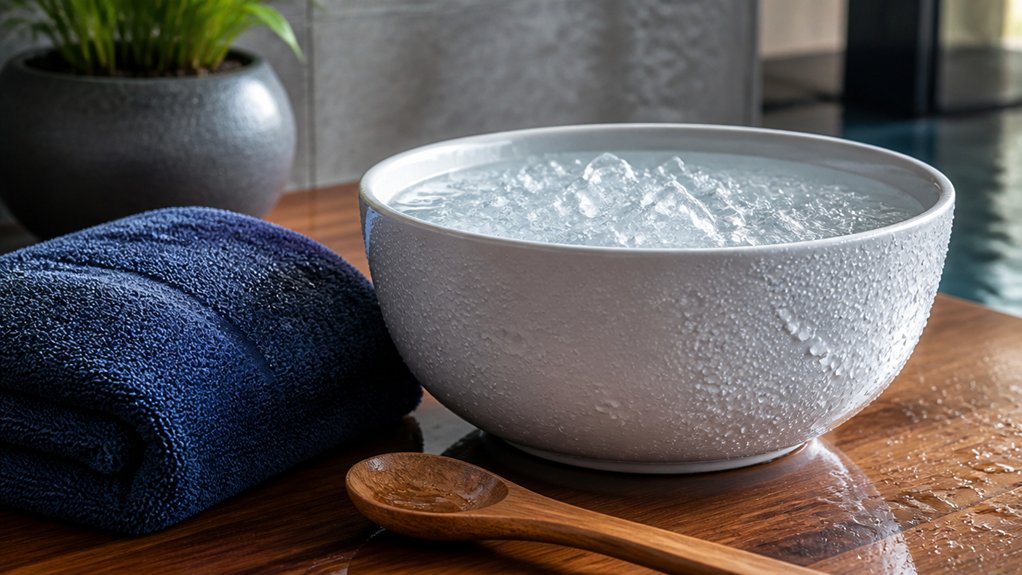
Have you ever wondered how immersing your body in cold water can promote recovery? That’s what cold plunge therapy is all about. When you submerge in cold water between 50-59°F (10-15°C), it triggers vasoconstriction—your blood vessels narrow.
Immersing in cold water narrows blood vessels, boosting circulation and reducing inflammation for faster recovery.
When you exit, vasodilation occurs, enhancing circulation and helping reduce inflammation and muscle soreness. This process also lowers cytokine levels, which can decrease acute inflammatory responses after exercise or injury. Additionally, the use of temperature control options can further optimize the therapeutic benefits by maintaining precise cold temperatures during sessions.
Regular cold plunge therapy not only promotes faster recovery but may also support your immune response and help manage chronic inflammation. Plus, short cold exposures can stimulate your nervous system, improving mood and alleviating pain.
Just remember, if you have cardiovascular issues, it’s smart to consult a doctor before trying cold plunge therapy.
Can Cold Baths Help Reduce Inflammation?
Cold baths can help reduce acute inflammation by constricting blood vessels, which lessens swelling and tissue damage after injuries. They also slow metabolic activity, helping to numb pain and ease muscle soreness. Additionally, sensor accuracy under cold stress can be maintained when using the right devices, ensuring safe and effective treatment. However, they’re less effective for chronic inflammation and may pose risks if you have cardiovascular issues—so it’s good to check with a healthcare professional first.
Cold Baths and Inflammation
Wondering if cold baths can help reduce inflammation? They can effectively target acute inflammation by constricting blood vessels, which decreases blood flow and limits swelling after injury or intense exercise.
Cold baths also reduce the inflammatory response by slowing cell metabolism and decreasing cytokine release—the proteins involved in inflammation. This helps manage short-term inflammation and provides pain relief by numbing nerve endings.
However, cold baths mainly address temporary symptoms and don’t treat chronic inflammation’s underlying causes. Limiting immersion to about 10-15 minutes prevents adverse effects like hypothermia.
For sustained inflammation reduction, combine cold baths with other anti-inflammatory approaches such as proper diet, exercise, and medical care. Always use cold baths as part of a thorough plan for inflammation management.
Potential Benefits and Risks
Cold baths can offer quick relief from acute inflammation by constricting blood vessels and reducing blood flow to the injured area, helping lessen swelling and pain. This makes them effective for managing inflammation and enhance recovery after muscle soreness or injury.
Cold baths are also known to temporarily lower inflammatory cytokine levels, which are involved in the immune response. However, they primarily target acute inflammation and may not be suitable for chronic inflammation conditions that require long-term management.
The anti-inflammatory properties of cold immersion carry potential risks, especially for individuals with circulatory or cardiovascular issues. These risks of cold immersion highlight the importance of consulting a healthcare professional.
While cold baths can help mitigate short-term inflammation, they shouldn’t replace all-encompassing treatment strategies for ongoing inflammatory health concerns. Additionally, understanding how magnesium supplementation interacts with recovery can further support inflammation reduction and muscle relaxation during the recovery process magnesium for relaxation.
What Are the Benefits and Risks of Cold Plunge for Inflammation?

Cold plunges can help reduce muscle inflammation and speed up recovery by constricting blood vessels and decreasing swelling.
However, they may pose circulatory risks if your health isn’t suitable for cold exposure or if used excessively. It’s important to weigh these benefits against potential dangers and consult your healthcare provider before making cold plunges a regular part of your routine. Adaptogen synergy in herbal blends can also support recovery and resilience during cold treatments.
Reduces Muscle Inflammation
Cold plunge therapy effectively reduces muscle inflammation by constricting blood vessels, which limits swelling and alleviates pain after intense exercise or injury. By promoting vasoconstriction, it decreases blood flow to the affected area, helping to reduce muscle inflammation quickly.
The rapid cooling also lowers the production of pro-inflammatory cytokines, aiding in recovery. This process minimizes inflammatory responses in the body, allowing you to recover faster and feel less sore.
However, it’s important to balance cold plunge sessions, as excessive or prolonged exposure can hinder muscle repair by suppressing beneficial inflammatory processes. To maximize benefits, combine cold plunges with other recovery methods like active rest and hydration. Always consider your health status and avoid cold plunges if you have cardiovascular concerns.
Potential Circulatory Risks
While cold plunge therapy offers benefits in reducing inflammation, it also carries potential circulatory risks, especially if not applied carefully. The vasoconstriction caused by cold exposure can temporarily increase blood pressure and stress the heart, posing risks for those with cardiovascular conditions or heart disease.
Sudden immersion might trigger adverse responses like arrhythmias or vasospasm, particularly in susceptible individuals. If you have chronic inflammation or follow an anti-inflammatory diet, it’s vital to approach cold therapy cautiously.
You should be aware that:
- Elevated blood pressure can strain your circulatory system
- Vasoconstriction may worsen symptoms in some cardiovascular conditions
- Abrupt changes can provoke arrhythmias or vasospasms
- Consulting healthcare providers guarantees safe application, especially for commercial-grade tubs and circulation issues
Enhances Recovery Speed
Using cold plunges to speed up recovery can be highly effective, especially after intense exercise or injury. Cold water immersion constricts blood vessels, reducing acute inflammation, swelling, and pain—providing immediate pain relief.
The cold temperature slows cellular metabolism and decreases the production of inflammatory cytokines, helping to promote tissue repair. This accelerates recovery speed by reducing inflammation and supporting healing.
However, excessive use or applying cold plunges during chronic inflammation phases might inhibit muscle adaptation and healing processes. Cold therapy can also temporarily numb nerve endings, easing pain, but should be used cautiously to avoid nerve damage.
People with cardiovascular issues or circulation problems should consult healthcare providers before cold plunging, as sudden blood vessel constriction can pose risks.
Who Should Avoid Cold Plunges?
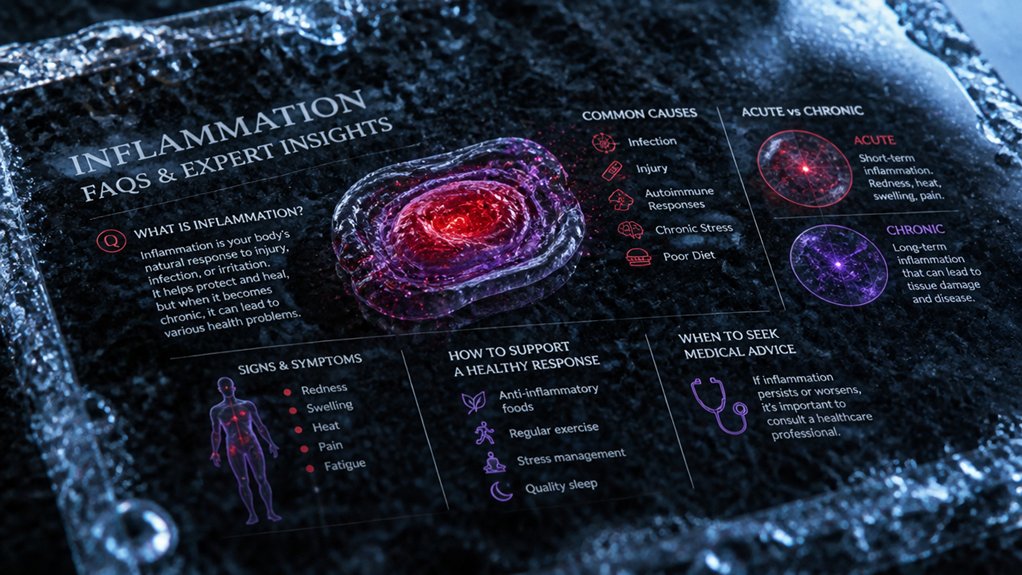
Be cautious if you experience symptoms related to these conditions, as cold exposure may worsen inflammation or trigger health emergencies. Always consult with your healthcare provider before trying cold plunges. Also, understanding cold therapy benefits can help you determine if it’s appropriate for your recovery.
How Often Should You Do Cold Plunges for Inflammation Relief?
How often you should do cold plunges for inflammation relief depends on your individual needs and health status. Typically, engaging in cold plunges 2-3 times per week can provide therapeutic effects by reducing acute inflammation, which helps decrease swelling and tissue damage. Sessions should last between 5 to 10 minutes, as longer exposure might cause numbness or increase inflammation. Regular cold immersion can lower cytokine levels, aiding in anti-inflammatory responses over time, but daily practice isn’t necessary and may be counterproductive. Incorporating water treatment solutions like enzymes or surfactants can help maintain water quality and extend the longevity of your equipment, ensuring consistent benefits. If you have cardiovascular issues or chronic conditions, consult a healthcare professional to determine a safe frequency. Combining cold plunges with other anti-inflammatory lifestyle habits maximizes benefits without risking adverse effects.
What Are the Best Practices for Safe Cold Plunge Sessions?
What’re the best practices to guarantee your cold plunge sessions are safe and effective? First, start gradually by limiting initial exposure to 1-2 minutes, allowing your body’s response to adapt safely. Always enter cold water slowly and avoid sudden immersion to prevent rapid blood pressure changes or hyperventilation. Utilizing water temperature control features can help maintain consistent and safe temperatures. Keep water temperature between 50°F to 59°F (10°C to 15°C) for effective cold therapy. If you have cardiovascular or respiratory issues, consult a healthcare provider before diving in. After your cold plunge, warm up gradually with dry clothing and gentle movements to restore normal body temperature and prevent prolonged hypothermia. Remember, listening to your body’s response is key for safe, beneficial results.
How Does Cold Exposure Compare to Other Inflammation Treatments?
Cold exposure offers a targeted, non-drug option for managing acute inflammation, especially during injuries. It reduces blood flow, swelling, and pain through vasoconstriction, making it effective for short-term pain relief and injury recovery as part of the RICE method.
However, cold therapy primarily addresses acute inflammation and doesn’t markedly impact systemic inflammatory cytokines involved in chronic inflammation. Unlike NSAIDs or corticosteroids, cold exposure doesn’t modulate the immune response or inflammation beyond the injury site.
For longer-term inflammation management, combining cold exposure with an anti-inflammatory diet, medications, and stress reduction yields better results. While cold therapy is valuable for immediate injury care, it’s not enough for chronic inflammation or autoimmune conditions, which require broader, systemic approaches.
What Do Experts Say About Cold Plunge Effectiveness?
Many experts agree that cold plunges can effectively reduce acute inflammation by constricting blood vessels, helping decrease swelling and pain after injury or intense workouts. Cold immersion therapy provides short-term relief by calming inflammation and easing muscle soreness.
However, their impact on chronic inflammation remains unclear, requiring further research.
When you immerse yourself in cold plunges, your immune response temporarily slows—reducing immune cell activity and inflammatory cytokines. This makes cold plunges a helpful supplement rather than a standalone solution in inflammation management.
To maximize benefits, combine cold plunges with other anti-inflammatory lifestyle strategies.
- Reduce swelling and pain after injury
- Short-term relief from muscle soreness
- Temporarily slows immune response
- Supports overall inflammation management
How Can You Incorporate Cold Plunge Into Your Anti-Inflammatory Routine?
Incorporating cold plunges into your routine can be an effective way to manage inflammation and support recovery. Cold plunges reduce acute inflammation by constricting blood vessels, which limits swelling and pain after workouts or injuries.
Regular immersion can also lower levels of inflammatory cytokines, aiding in the control of chronic inflammation. For peak results, combine cold plunges with an anti-inflammatory diet rich in omega-3 fatty acids and antioxidants, which further enhances inflammation management.
Limit your cold plunge sessions to 5-10 minutes at temperatures around 50-59°F (10-15°C) to enjoy anti-inflammatory benefits safely and avoid hypothermia. Post-exercise cold plunges support muscle recovery by decreasing delayed onset muscle soreness, contributing to your inflammation control strategy.
Frequently Asked Questions
What Is the Number One Food That Kills Inflammation?
The number one food that kills inflammation is fatty fish like salmon, mackerel, and sardines. You should eat them at least twice a week because they’re rich in omega-3s that combat inflammation and support your overall health.
What Are the 5 R’s of Inflammation?
The 5 R’s of inflammation are Recognize, Remove, Restore, Repair, and Regulate. You identify the causes, eliminate triggers, support healing, and balance your immune response through targeted treatments and lifestyle changes to manage inflammation effectively.
What Is the #1 Habit You Should Break if You Have Inflammation?
You should quit smoking, as it damages blood vessels and heightens systemic inflammation. Removing this habit directly lowers your inflammation levels, improves circulation, and overall health, making it a vital step in managing chronic inflammation.
Does High A1C Cause Inflammation?
Yes, high A1C levels cause inflammation by increasing pro-inflammatory cytokines, which promote systemic inflammation. Managing your A1C through lifestyle changes and medication can lower inflammation, reducing your risk of complications and improving your overall health outcomes.