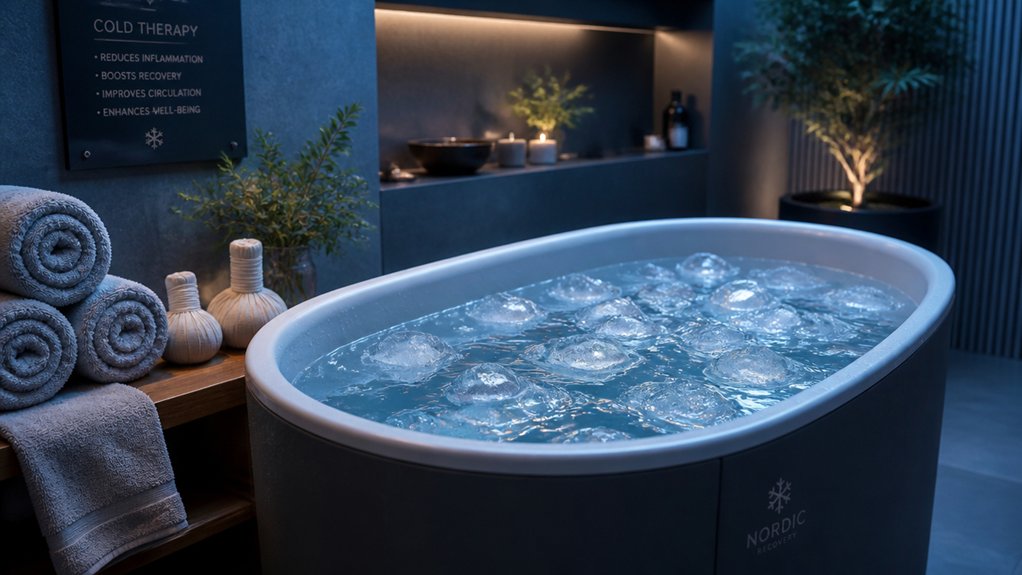
To soothe skin inflammation with ice baths, start by limiting your sessions to 3-4 times weekly at 50-55°F for no more than 5 minutes. Always wrap ice or use chilled tools, avoiding direct contact with your skin, and keep icing to 1-2 minutes to prevent damage. After Ice, apply moisturizer to protect your barrier, and gradually adapt to colder temperatures. If you want to discover more expert tips, keep exploring the best ways to use cold therapy safely.
How Does Cold Exposure Help Reduce Skin Inflammation?
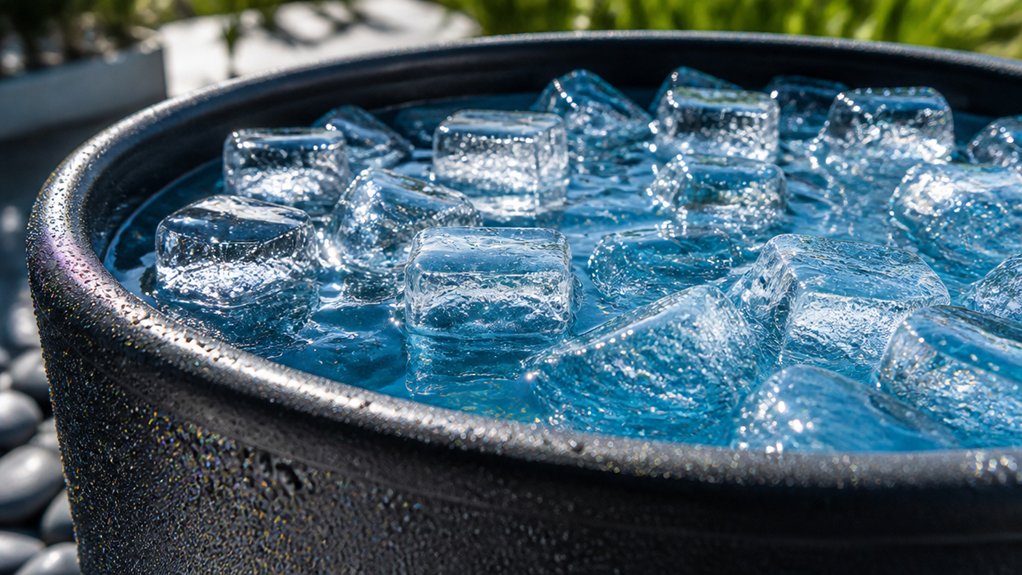
How does cold exposure help reduce skin inflammation? When you expose your skin to cold, like through ice or cold water immersion, blood vessels constrict, which tightens them and helps reduce swelling and redness. This vasoconstriction limits blood flow, decreasing the delivery of inflammatory cells and calming irritated skin.
A pulse oximeter can be used to monitor blood oxygen levels during cold exposure, ensuring safety and assessing the body’s response. Cold therapy also drains excess fluid, lowering puffiness caused by inflammation. After cold exposure, vasodilation occurs, increasing circulation and promoting the removal of waste products that contribute to inflammation.
Regular cold exposure not only benefits your skin by reducing swelling but also helps regulate immune responses and strengthen skin barrier functions. Overall, cold stimulates beneficial skin responses that help alleviate inflammation and support skin health.
Safe Ways to Ice Sensitive Skin: Tips & Precautions
If you have sensitive skin, taking proper precautions is essential when using cold exposure to prevent irritation or damage. Ice baths help but should be used carefully; avoid direct contact with ice on your skin and opt for chilled tools like rollers or globes instead.
Limit facial icing to 1–2 minutes to avoid broken capillaries and irritation. If you have skin conditions such as rosacea, eczema, or circulation issues, it’s best to avoid cold therapy altogether, as cold temperatures may worsen symptoms.
Always protect your skin by applying a moisturizer after cold exposure, which supports the skin barrier and reduces dryness. To use cold safely, start with warmer water, gradually decrease temperature to reduce cold shock, and avoid overexposure for sensitive skin. Proper pH balance of the water used in ice baths can also help prevent skin irritation and keep the skin’s protective barrier intact.
Top Tips to Soothe Skin and Minimize Redness Effectively
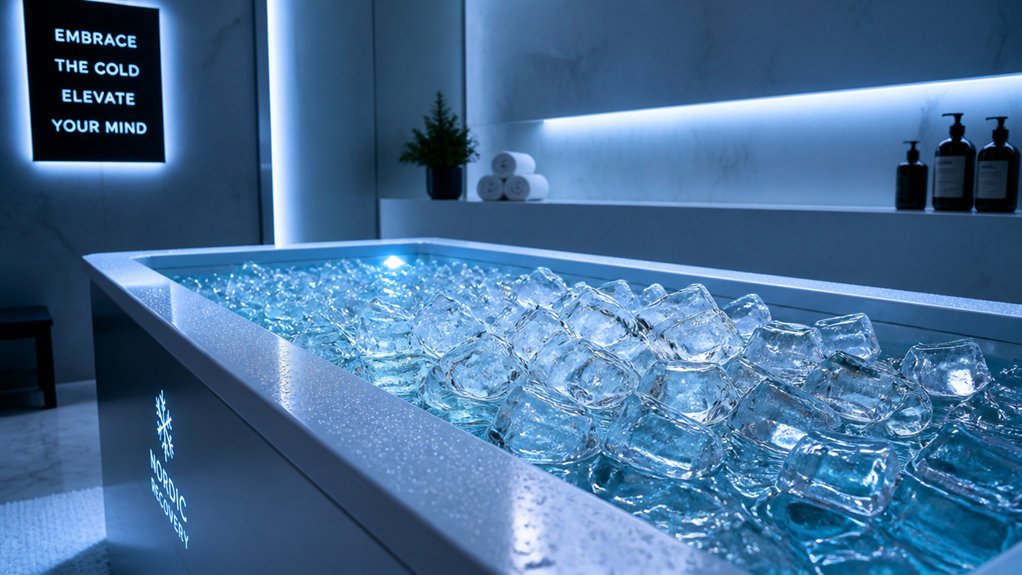
Are you looking for simple ways to calm irritated skin and reduce redness quickly? Cold therapy can be effective, but it’s important to protect your skin while soothing inflammation. Instead of direct ice contact, use chilled tools like facial rollers or globes—this prevents cold burns and broken capillaries.
To help minimize irritation on friction-prone areas, consider applying a high-quality anti-chafe balm or stick, which creates a protective barrier during cold-water therapy.
Limit facial icing to 1–2 minutes, as longer exposure may cause irritation or dryness, especially if your skin is exposed or sensitive. Afterward, apply moisturizer immediately to support your skin barrier and minimize irritation from reduced oil production.
If you have rosacea, eczema, or sensitive skin, avoid cold therapy, as it can worsen redness and inflammation. Gradually increase cold exposure, balancing comfort with benefits, to reduce puffiness and soothe skin effectively.
Common Mistakes When Using Cold Therapy on Your Skin
While cold therapy can help reduce puffiness and calm inflammation, many people make avoidable mistakes that can harm their skin. For first-time users, plunging into ice baths or cold plunges without proper preparation can cause side effects like dryness, irritation, or even frostbite if ice touches skin directly for too long.
Exceeding 1–2 minutes of facial icing increases the risk of broken capillaries and visible redness, especially for those with skin sensitivity or rosacea. Cold therapy isn’t suitable for individuals with poor circulation or skin conditions like eczema, as it can worsen symptoms.
Always wrap ice in a cloth and limit exposure. Skipping moisturizer afterward can strip oil, leading to dryness and irritation, negating the benefits of inflammation and swelling reduction. Additionally, using gentle, pH-balanced cleansing agents helps maintain the skin’s natural barrier and prevents further irritation after cold exposure.
How to Incorporate Ice Baths Into Your Skincare Routine for Long-Term Benefits
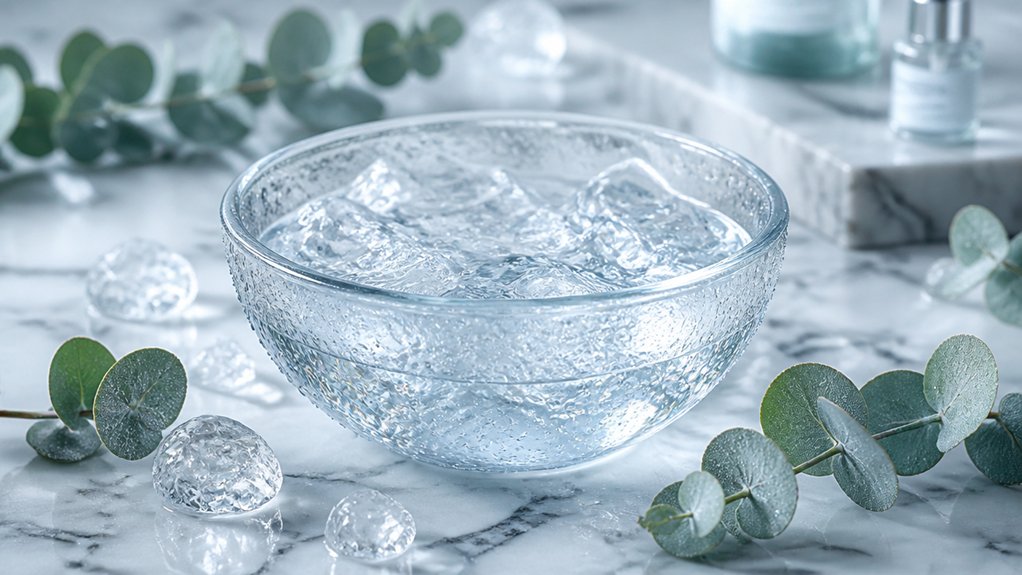
Incorporating ice baths into your skincare routine can offer long-term anti-inflammatory benefits, but to do so safely and effectively, it’s important to follow a structured approach. Limit sessions to 3-4 times weekly at 50-55°F for no more than 5 minutes to maximize benefits without damaging your skin. Use a full-body cold plunge, like an Ice Barrel, to promote even exposure, reducing redness, puffiness, and enhancing circulation. Gradually acclimate your skin by starting with warmer water and short times to prevent irritation or cold burns. After the ice bath, apply a moisturizer to support skin barrier recovery and prevent dryness caused by reduced oil production. Consult dermatologists if you have skin conditions. Ensuring your setup includes temperature control options can help maintain consistent and safe temperatures during your sessions.
Frequently Asked Questions
Will an Ice Bath Get Rid of Inflammation?
An ice bath can temporarily reduce inflammation by constricting blood vessels, calming redness, and swelling. However, it doesn’t eliminate inflammation permanently—proper use, limited duration, and follow-up care are essential to maximize benefits and avoid skin irritation.
Do Cold Plunges Help Neuropathy?
Cold plunges can temporarily help neuropathy by reducing inflammation and numbing nerve pain, but they aren’t a permanent cure. You should use them cautiously, and it’s best to consult a healthcare professional before trying cold therapy for neuropathy.
Can Ice Baths Help With Lipedema?
Yes, ice baths can temporarily reduce lipedema symptoms by decreasing inflammation and swelling through vasoconstriction, calming pain, and numbing nerves. However, always consult your healthcare provider beforehand to safely incorporate cold therapy into your treatment plan.
How Long Should You Sit in an Ice Bath for Inflammation?
You should sit in an ice bath for about 1 to 5 minutes to reduce inflammation safely. Start with shorter sessions if you’re a beginner, gradually increasing time while monitoring your skin’s response to avoid injury or discomfort.