To reduce inflammation, try three effective cold water immersion protocols. First, start with a 2-3 minute cold plunge at 10-15°C, gradually increasing to 10-15 minutes as your body adapts. Second, perform sessions 3-4 times per week for consistent results. Third, verify the water temperature is stable using quality chillers and insulate the tub. Keep safety in mind, and if you continue exploring, you’ll discover how to maximize benefits safely.
How Cold Water Immersion Reduces Inflammation and Speeds Recovery
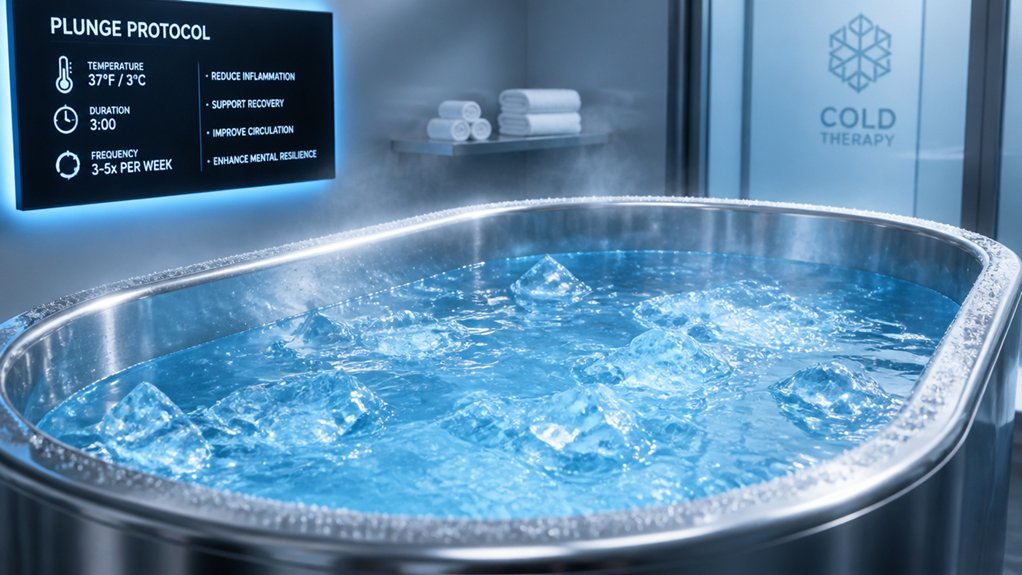
How exactly does cold water immersion help reduce inflammation and speed up recovery? When you immerse yourself in cold water at 10-15°C, blood vessels constrict, which reduces blood flow to inflamed tissues. This process helps to lessen swelling and inflammation.
Spending 8-15 minutes in a cold plunge promotes deeper anti-inflammatory effects by flushing out cytokines and metabolic waste like lactic acid from your muscles. Cold exposure also lowers circulating creatine kinase levels, easing delayed-onset muscle soreness (DOMS).
During immersion, your sympathetic nervous system activates, releasing norepinephrine, which further fights inflammation. Consistent cold water immersion can lead to a 15-25% reduction in soreness and improve muscle recovery by enhancing blood flow, making cold plunge sessions an effective tool for managing exercise-induced inflammation. Proper chiller selection ensures consistent and precise plunge temperatures to maximize these recovery benefits.
The Best Cold Plunge Protocols for Effective Recovery and Safety
To maximize the benefits of cold water immersion while ensuring safety, follow a structured protocol that includes ideal water temperatures, duration, and frequency. Cold-water immersion should be done at water temperatures between 10-15°C (50-59°F) to effectively constrict blood vessels and promote the removal of metabolic waste. Start with 2-3 minutes at a time, gradually increasing to 10-15 minutes as your tolerance improves. Incorporating insulation systems can help maintain consistent temperatures and enhance safety during recovery sessions. Aim for 3-4 sessions per week to optimize inflammation reduction and muscle recovery without risking hypothermia. After each session, dry off and wear warm clothing to avoid temperature shocks.
Safety Tips to Maximize Benefits and Minimize Risks
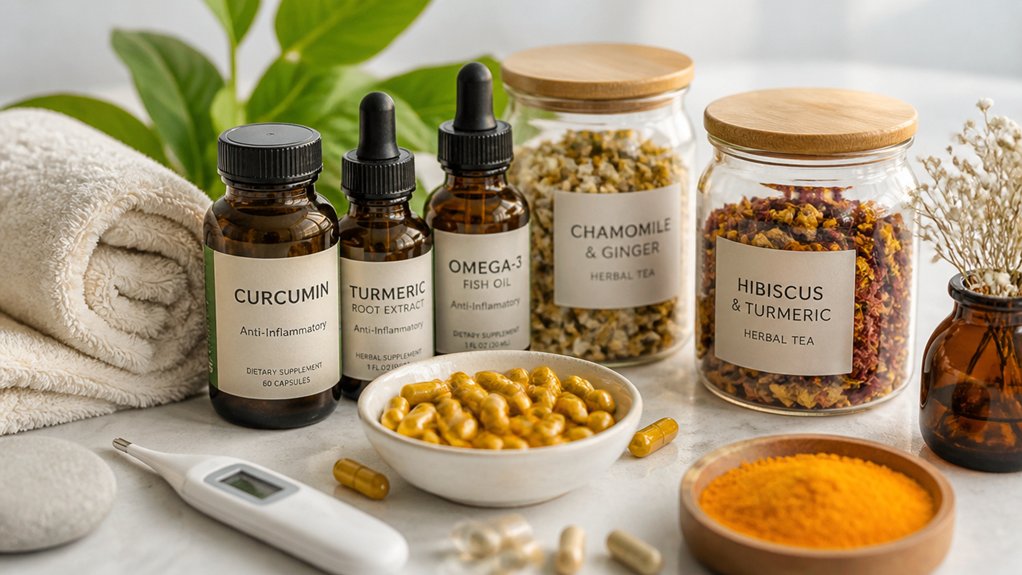
Guaranteeing safety during cold plunge protocols is essential to maximize benefits and prevent risks. Always verify the cold water temperature is between 10°C and 15°C (50°F to 59°F) to balance anti-inflammatory effects with safety and reduce hypothermia risk. Start with short cold immersion sessions of 2-3 minutes, then gradually extend your recovery time up to 15 minutes, avoiding cold shock or nerve damage. Consult a healthcare professional if you have cardiovascular disease or other health concerns before cold plunging. Keep warm towels, clothing, and hydration nearby to rewarm safely afterward and prevent excessive core temperature drops. Avoid cold immersion immediately after resistance training to prevent muscle damage. Tracking your session’s timing and body reactions guarantees safe, effective cold water plunging, especially when using devices with sensor accuracy under cold stress to ensure reliable heart-rate monitoring.
Frequently Asked Questions
Can Cold Plunges Help With Inflammation?
Yes, cold plunges help reduce inflammation by constricting blood vessels, flushing out waste, and decreasing soreness. Regular practice boosts your immune response, lowers inflammation markers, and accelerates recovery, making you feel healthier and more resilient.
How to Flush Inflammation Out of Your Body Fast?
You can flush inflammation quickly by doing cold water immersions at 10-15°C for 8-15 minutes, 3-4 times weekly, starting gradually. This constricts vessels, reduces cytokines, and increases norepinephrine, aiding rapid inflammation clearance and recovery.
What Is the Huberman Protocol for Cold Plunge?
The Huberman Protocol recommends immersing in 10-15°C water for 5-10 minutes, starting with shorter durations. You gradually increase time, activating your nervous system, reducing inflammation, speeding recovery, and boosting mental resilience through cold-induced vasoconstriction and norepinephrine release.
Is It True That Cold Water Is Anti-Inflammatory?
Yes, cold water immersion acts as an anti-inflammatory by constricting blood vessels, reducing swelling, flushing out inflammatory markers, and activating the sympathetic nervous system, which releases norepinephrine, helping to decrease inflammation and muscle soreness.