
To beat fatigue and boost motivation, incorporate cold exposure like ice baths, which stimulate your nervous system and increase alertness through norepinephrine and endorphin release. Combine this with proper nutrition, regular exercise, and mindful routines such as deep breathing or meditation. Track your progress to stay motivated and fine-tune your regimen. Using tools like compression or contrast therapy can also enhance benefits. Keep optimizing your habits, and you’ll discover even more ways to stay energized and motivated.
How Do Ice Baths Impact Mental Fatigue and Motivation?
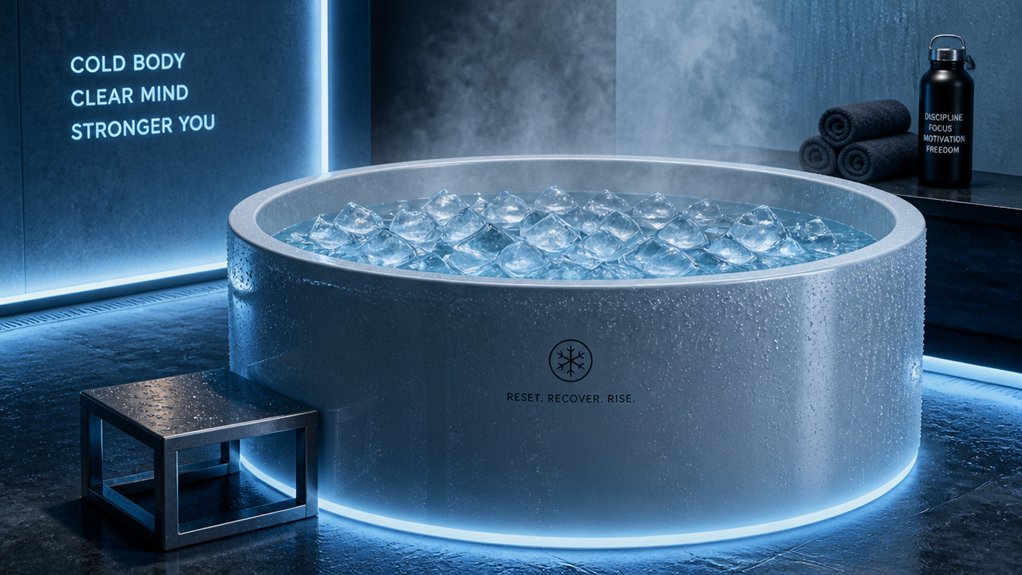
Ever wondered how cold exposure might boost your mental energy? When you take an ice bath, it can help reduce feelings of fatigue by stimulating your nervous system. The cold triggers a fight-or-flight response, increasing alertness and focus.
Additionally, cold immersion encourages the release of endorphins and norepinephrine, boosting your mood and motivation. This surge of chemicals can give you a quick mental lift, temporarily overriding tiredness.
Cold water also improves blood circulation and reduces inflammation, which may support better cognitive function and concentration. While the immediate shock can awaken your mind, it’s essential to take gradual steps and be cautious—overdoing it can cause stress.
Implementing proper breathing techniques with effective tools can further optimize your experience and benefits breathing exercise tools. Used wisely, ice baths can be a motivating tool to enhance your mental clarity and resilience.
The Science of Cold Exposure and How It Affects Your Brain
Cold exposure activates your nervous system, boosting alertness and releasing mood-enhancing chemicals like norepinephrine.
It also stimulates brain cell energy production and increases neuroplasticity, supporting learning and mental clarity.
Cold Exposure and Brain Function
When your body experiences cold exposure, it activates the sympathetic nervous system, leading to a surge in norepinephrine—a neurotransmitter that sharpens your attention, enhances focus, and lifts your mood. This boost can help combat feelings of tiredness, improve energy levels, and support mental health. Cold exposure also triggers the release of endorphins, acting as natural painkillers and mood enhancers, which can further increase motivation. Additionally, it promotes neuroplasticity, strengthening your brain’s resilience against stress and cognitive decline. Regular controlled cold exposure may optimize brain function through various pathways: adaptogen blends, known for supporting stress response and mental clarity, can further enhance these benefits when integrated into your routine.
| Effect | Benefits | Impact on Mental State |
|---|---|---|
| Increased norepinephrine | Better focus, sharper attention | Improved mood |
| Endorphin release | Natural pain relief, motivation boost | Reduced fatigue, feel less tired |
| Enhanced neuroplasticity | Brain resilience, stress adaptation | Mental clarity, cognitive performance |
Hormonal Response to Cold
Exposing your body to cold triggers a complex hormonal response that greatly impacts your brain and overall energy levels. If you feel tired simply, cold exposure can help to fight fatigue by activating hormones like norepinephrine, which boosts alertness, focus, and mood. This hormonal response stimulates your nervous system and enhances overall well-being. High-powered chillers can facilitate controlled and efficient cold exposure, optimizing these benefits.
Cold water or air also activates the hypothalamus, increasing endorphin production for natural pain relief. Additionally, cold exposure stimulates brown fat activity, releasing hormones that boost metabolism and energy expenditure. Cortisol, a stress hormone, is released as part of this response, helping you manage stress and mobilize energy.
Regular cold exposure can improve resilience to stress by modulating hormonal systems linked to mood and liveliness.
Can Ice Baths Help Reduce Mental Fatigue?
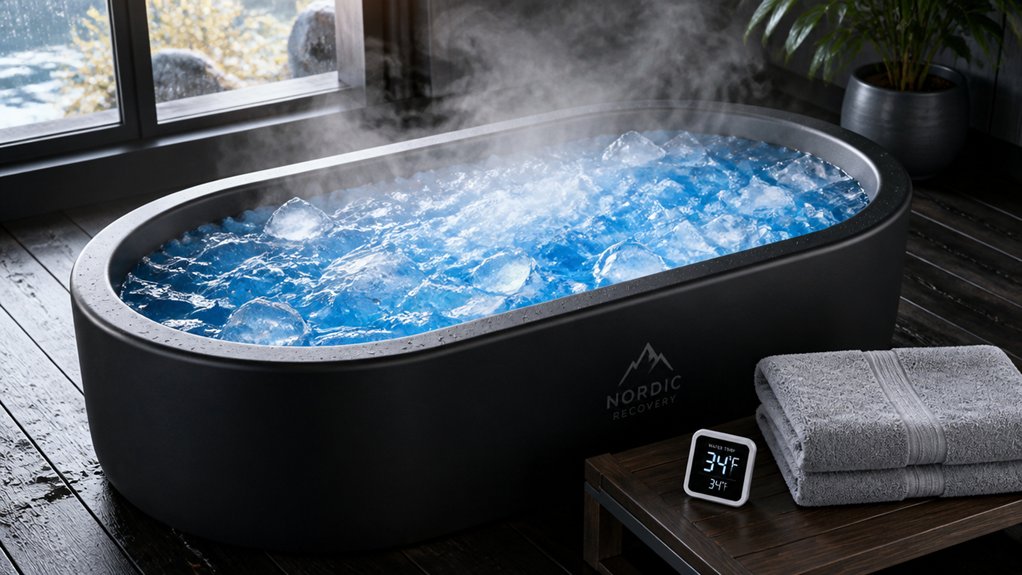
Have you ever wondered if ice baths can help ease mental exhaustion? They can, by stimulating the release of endorphins and norepinephrine, which boost your mood and reduce feelings of mental fatigue. Cold exposure can also improve focus and alertness by activating your sympathetic nervous system and increasing blood flow to your brain. After exercise or a tough day, a brief ice bath (around 5-10 minutes) might help you feel less stressed and more refreshed, making it easier to fall asleep and recover mentally. Regular cold therapy may lower inflammation and oxidative stress, aiding recovery from cognitive overload. Incorporating adaptogens in nootropic stacks, such as Reishi mushrooms or Coleus forskohlii, can further support stress management and mental resilience. Keep in mind, scientific evidence is mixed, so it’s best to combine ice baths with other strategies to effectively combat mental fatigue.
How Cold Therapy Sessions Can Boost Your Motivation
Cold therapy sessions can clear your mind and sharpen mental focus quickly, making it easier to stay motivated. They also boost circulation and release mood-boosting chemicals naturally, helping you feel more energized. Incorporating brief cold exposures into your routine can support sustained motivation and overall mental clarity, especially when using specialized compression boots that enhance recovery.
Enhances Mental Clarity
Engaging in cold therapy sessions can greatly boost your mental clarity by triggering the release of feel-good chemicals like endorphins and norepinephrine. When you’re tired, this chemical boost sharpens your focus and helps clear brain fog, making it easier to stay motivated.
Cold exposure activates your sympathetic nervous system, increasing alertness and enhancing cognitive function. This mental boost not only helps you think more clearly but also supports better decision-making.
Additionally, cold therapy reduces inflammation and muscle soreness, alleviating physical fatigue that often drags down mental focus. As a result, you’ll find it easier to initiate and sustain goal-oriented activities, maintaining the mental clarity needed for consistent motivation throughout the day.
Increases Circulation Quickly
When you step into a cold therapy session, your body responds by rapidly constricting and then reopening blood vessels, which greatly boosts circulation. This quick spike helps deliver oxygen and nutrients more efficiently to muscles and tissues, aiding recovery and reducing fatigue. Enhanced circulation can also help you feel more alert and motivated to engage in physical activity. Using a high-quality submersible pump can ensure the process is as smooth and efficient as possible, minimizing disruptions. Solid handling capacity is crucial to prevent blockages from debris that can hinder water flow during these sessions. Cold exposure stimulates your sympathetic nervous system, releasing adrenaline and endorphins that elevate your mood and focus. These bursts of energy can support your mental resilience, much like cognitive behavioural therapy helps manage mental fatigue. Regular cold therapy sessions become a natural way to boost motivation, helping you overcome moments of tiredness without relying on stimulants. They’re a simple, effective tool to keep your energy levels up.
Elevates Mood Naturally
Since cold therapy triggers the release of mood-boosting chemicals like endorphins and norepinephrine, it naturally lifts your spirits and increases motivation. This process elevates mood naturally, helping you feel more positive and driven.
The cold exposure activates your sympathetic nervous system, which boosts alertness and enhances your energy levels temporarily, making fatigue less overwhelming. Regular cold therapy can also decrease stress hormones like cortisol, contributing to better emotional well-being and sustained drive.
Additionally, cold sessions improve sleep quality by regulating circadian rhythms, indirectly fueling your motivation during the day. The invigorating effects of cold therapy help break mental fatigue cycles, making it easier to start and stick to your exercise or productivity routines.
When Is the Best Time to Take an Ice Bath for Mental Benefits?
Figuring out the right time to take an ice bath for mental benefits can greatly impact your mood and overall recovery. To maximize mental clarity and alertness, consider these guidelines:
Timing your ice bath wisely boosts mood, mental clarity, and recovery—best after exercise or in the morning, avoid evening dips.
- Post-exercise: Taking an ice bath after intense physical activity reduces inflammation and speeds up mental recovery, keeping you energized for the day.
- Morning boost: A short ice bath early in the day can help you wake up, boost alertness, and elevate your mood by releasing endorphins and increasing norepinephrine.
- Avoid evening: Cold exposure close to bedtime can increase alertness, making it harder to get restful sleep.
- Stay mildly dehydrated: If you’re feeling mildly dehydrated, a quick ice bath can invigorate your senses without overwhelming your body.
- Temperature control: Using a tub with insulation efficiency can ensure water remains cold longer, enhancing the mental benefits of your ice bath.
Always keep it brief—5 to 10 minutes—for maximum benefits without added stress.
What Are the Risks and Precautions of Using Ice Baths for Mental Health?
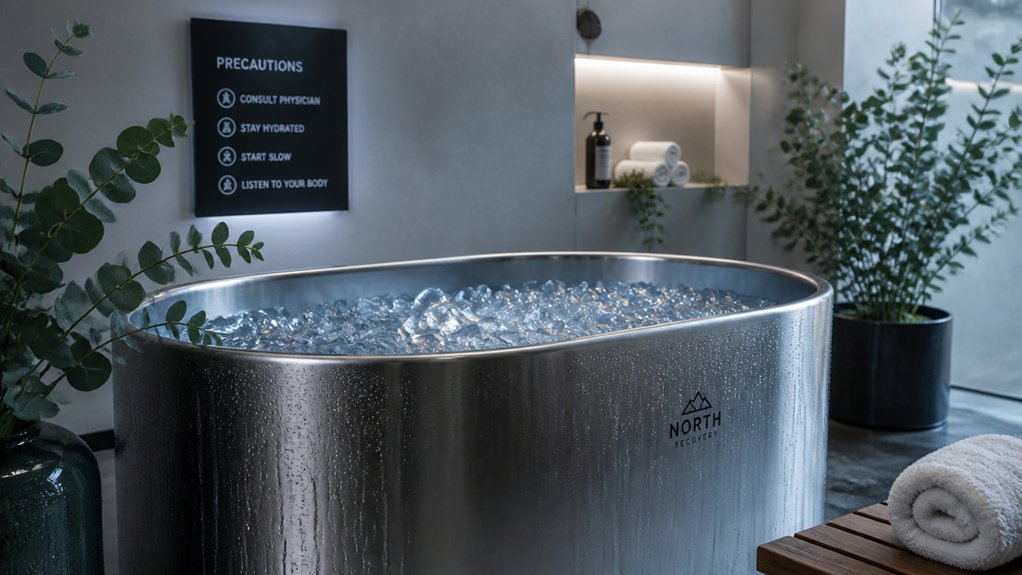
Using ice baths for mental health benefits can be helpful, but it’s important to be aware of the risks involved. Side effects like rapid vasoconstriction and shock can be dangerous, especially if you have cardiovascular issues or high blood pressure.
Prolonged exposure to cold water may lead to hypothermia, nerve damage, or frostbite if not carefully timed and monitored. If you have conditions such as Raynaud’s disease, respiratory problems, or neurological disorders, avoid ice baths, as they could worsen your symptoms.
Relying on these methods without proper precautions can compromise your mental health. Always consult a healthcare professional before starting ice baths to guarantee safety and receive personalized guidance, minimizing potential risks and side effects. Additionally, understanding the market options and choosing a properly insulated and well-designed tub can help mitigate some risks associated with cold exposure.
Incorporating Ice Baths Into Your Mental Wellness Routine
Incorporating ice baths into your mental wellness routine can be a straightforward way to enhance your overall mood and resilience.
Regular cold exposure stimulates your nervous system, helping you feel less tired and more alert by releasing endorphins and norepinephrine. It also lowers stress levels, which can improve sleep and support your motivation.
To safely start:
- Begin with 1-2 minutes immersed in cold water.
- Gradually increase your time as you build tolerance.
- Use cold baths consistently for mental and physical recovery.
- Pay attention to how your mood and energy levels respond.
How to Track Your Mental Changes When Using Cold Plunge Therapy
To track how cold plunge therapy affects your mental state, start by keeping a daily journal of your mood, energy, and mental clarity before and after each session.
Use weekly questionnaires to quantify changes in motivation, stress, or overall well-being, and monitor physiological markers like heart rate variability.
Noticing shifts in sleep, focus, or mood can help you personalize your routine for maximum mental benefits.
Mood and Energy Shifts
Tracking your mood and energy levels before and after cold plunge sessions helps you see how this therapy influences your mental state. You might notice moments of increased alertness, reduced stress, or improved motivation.
To monitor these shifts effectively:
- Observe changes in alertness and stress levels within 15-30 minutes post-therapy, noting how they compare to periods of chronic fatigue.
- Use mood scales or checklists alongside notes to quantify emotional and mental shifts over time.
- Record external factors like sleep quality, diet, and regular exercise to distinguish cold plunge effects from other influences.
- Track your mood after relaxing activities to identify patterns that can enhance your energy and mental resilience. This approach helps you tailor your routine for sustained motivation and liveliness.
Physical Response Changes
Monitoring how your body responds during cold plunge therapy provides valuable insights into your mental state. You might notice improvements in mental clarity, sharper focus, and a boost in motivation immediately afterward. Pay attention to signs of reduced fatigue and increased alertness, which indicate a positive physiological response.
Tracking physiological signals like heart rate variability and breathing patterns can give you a clearer picture of how your body handles stress and resilience. Use a journal or app to record changes in motivation, anxiety, and cognitive function over time.
Consistent monitoring of mental fatigue levels and energy after each session helps you fine-tune the frequency and duration of your cold plunges, combating lack of energy and enhancing mental clarity to support your recovery and motivation.
Activities That Complement Cold Exposure and Enhance Your Benefits
Engaging in activities that complement cold exposure can greatly boost its benefits and help you feel more energized and relaxed. Incorporate simple habits into your day to maximize gains, such as:
- Performing aerobic exercise like brisk walking or stretching post-cold exposure to improve circulation and energy.
- Introducing relaxing activities such as meditation or deep breathing to regulate your nervous system and deepen relaxation.
- Eating a balanced meal rich in carbs and protein within 1-2 hours to support recovery and sustain your energy.
- Getting natural sunlight during the morning to boost mood and heighten alertness.
Together, these activities enhance your cold exposure routine, making you feel more invigorated and balanced throughout the day.
Troubleshooting Common Challenges When Using Ice Baths for Mental Clarity
While ice baths can greatly enhance mental clarity, several common challenges may arise if you’re not prepared or if you push beyond your limits. For example, overusing ice baths can temporarily increase fatigue, especially if you skip proper recovery.
Limit sessions to 2-3 times weekly and start with short durations of 1-2 minutes to build tolerance gradually. Focus on controlled, deep breathing techniques to manage the initial shock and make you feel more in control during the experience.
Be aware that chronic anxiety or certain medical conditions can make ice baths less suitable, so consulting a healthcare professional is essential. Although evidence suggests talking therapies may help manage mental health challenges, ice baths are a powerful addition when used correctly and safely.
Frequently Asked Questions
How to Deal With Fatigue and Lack of Motivation?
To deal with fatigue and lack of motivation, you should eat small healthy meals regularly, engage in light exercise, maintain a consistent sleep schedule, practice stress reduction, and use positive self-talk to mentally prepare for activity.
What Are the 5 P’s of Fatigue?
The 5 P’s of fatigue are Physical causes, Psychological causes, Pharmacological factors, Pathological conditions, and Poor sleep. You experience fatigue when muscle deconditioning, stress, medications, underlying illnesses, or lack of rest impact your energy, motivation, and overall well-being.
What Are the 4 P’s of Fatigue?
The 4 P’s of fatigue include Physical, Psychological, Physiological, and Pathological factors. You experience physical fatigue from exertion, psychological from stress, physiological from sleep or diet issues, and pathological due to underlying medical conditions affecting your energy levels.
What Are the 3 P’s of Fatigue?
The 3 P’s of fatigue are Physical, Psychological, and Personal factors. You can boost energy by improving sleep, managing stress, staying active, eating well, and avoiding habits that drain your energy, addressing all three areas effectively.