To reduce post-ice-bath fatigue, focus on gentle active recovery like walking or light cycling to boost circulation and clear metabolic waste. Incorporate mobility drills, stretching, or foam rolling to release muscle tension and improve flexibility. Use contrast therapy—alternating cold and warm water—to stimulate blood flow. Practice controlled breathing to calm your nervous system, and prioritize good sleep for muscle repair. Keep exploring these strategies to maximize your recovery and performance efforts.
How Proper Nutrition and Hydration Accelerate Post-Workout Recovery
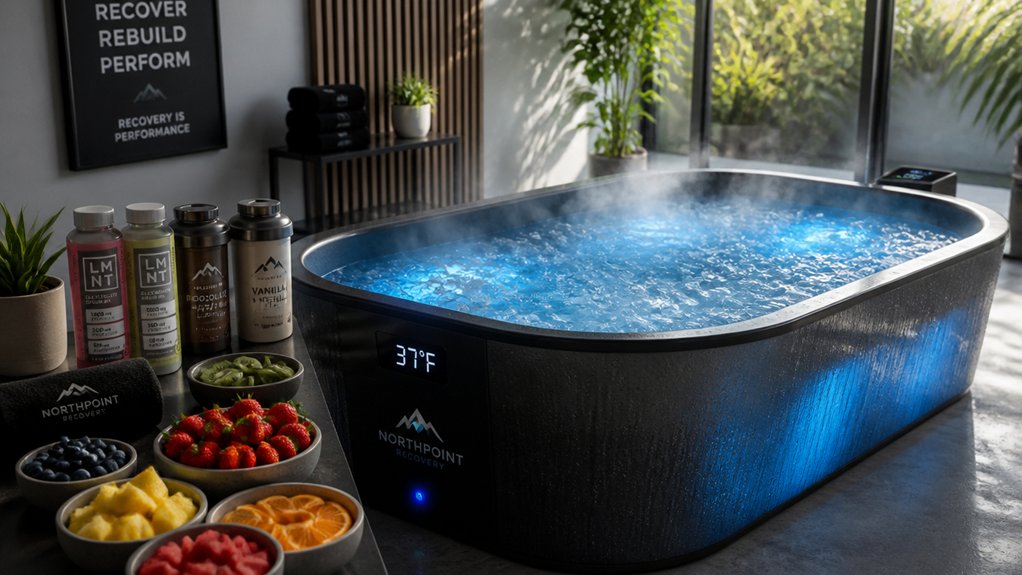
After an ice bath, proper nutrition and hydration are essential for speeding up your recovery. Consuming a balanced meal with carbohydrates and protein within 30–60 minutes supports muscle repair and replenishes glycogen stores.
Hydrating with water or electrolyte-rich fluids restores fluid balance disrupted by sweating and improves nutrient transport to muscles. Including electrolytes like sodium and potassium helps reduce muscle cramping and enhance cellular function.
Proper post-workout nutrition also prevents muscle breakdown and reduces fatigue by providing essential amino acids and energy substrates. Avoid large meals immediately before or after ice baths to maintain peak blood flow and allow your body to focus on recovery.
These strategies guarantee you maximize the benefits of ice baths and promote faster post-workout recovery.
Incorporate Light Active Recovery to Reduce Muscle Soreness
Incorporating light active recovery after ice baths boosts blood flow, helping remove metabolic waste and reduce muscle soreness. Gentle movements like walking or stretching promote relaxation and ease muscle tension without adding strain. These activities support faster recovery and lessen feelings of fatigue. Utilizing compression therapy, especially with multi-chamber boots that target different leg zones, can further enhance circulation and recovery.
Enhances Blood Flow
Engaging in light active recovery such as walking, cycling, or yoga at 50–60% of your max heart rate for 20–30 minutes following an ice bath can greatly boost blood flow. This recovery method promotes vasodilation, helping reverse the initial vasoconstriction caused by cold water immersion. Increased circulation assists in removing metabolic waste and reduces delayed-onset muscle soreness (DOMS), speeding up recovery. Using a foam roller after your active recovery can further enhance muscle relaxation and improve flexibility.
Let me know if you’d like me to incorporate this into the full text or make any adjustments!
Eases Muscle Tension
Light active recovery plays a vital role in easing muscle tension following an ice bath. After exposing your muscles to cold temperature, gentle activities like walking, cycling, or yoga at 50–60% max heart rate promote blood flow, helping to clear metabolic waste that causes muscle soreness.
Incorporating mobility drills or stretching can improve muscle relaxation and prevent stiffness, supporting the repair process. These low-impact movements encourage the removal of lactic acid and inflammatory by-products, which helps reduce post-ice-bath fatigue. Additionally, utilizing percussion massagers with cold therapy functions can further enhance recovery by delivering deep-tissue strokes while reducing inflammation and muscle tightness.
Active recovery also prevents muscle tightness around cooled areas, counteracting numbness or stiffness that might develop from prolonged cold exposure. Overall, combining ice baths with light activity optimizes muscle relaxation and accelerates recovery, leading to better mobility and readiness for upcoming sessions.
Promotes Relaxation
After an ice bath, gentle active recovery helps promote relaxation by increasing blood flow and easing muscle tension. Light movement like walking, cycling, or yoga at 50–60% max heart rate for 20–30 minutes enhances circulation, supporting metabolic waste removal and reducing delayed-onset muscle soreness (DOMS).
Incorporating active recovery within 24–48 hours after intense workouts encourages vasodilation and improves nutrient delivery, aiding muscle relaxation. The low-intensity activity prevents muscle tightness without overstressing your body, leading to quicker recovery and less perceived fatigue.
Additionally, using muscle recovery creams or topical treatments after cold immersion can further support muscle relaxation and comfort. Combining ice baths with such mobility drills or stretching promotes overall muscle relaxation. This method not only boosts circulation but also helps you feel more refreshed and ready for your next session.
- Improves circulation and nutrient delivery
- Reduces muscle soreness and stiffness
- Enhances subjective feelings of relaxation
Use Contrast Therapy to Improve Circulation and Speed Up Healing
Contrast therapy enhances circulation by alternating between cold water immersion and hot water exposure, stimulating the body’s vasoconstriction and vasodilation cycles. This process creates a “pumping” effect that boosts blood circulation, helping to clear metabolic waste products and deliver oxygen and nutrients to fatigued muscles.
Typically, you cycle between 1-minute bursts of cold water (50–59°F/10–15°C) and hot water for about 14 minutes. This method speeds up recovery and reduces muscle stiffness without the discomfort of prolonged cold exposure. Contrast therapy is especially helpful if ice baths feel too intense, providing a balanced approach to recovery.
However, avoid excessive use, as it might interfere with muscle growth adaptations while promoting healing and overall circulation improvement.
Gentle Stretching and Foam Rolling: Release Tension After Cold Baths
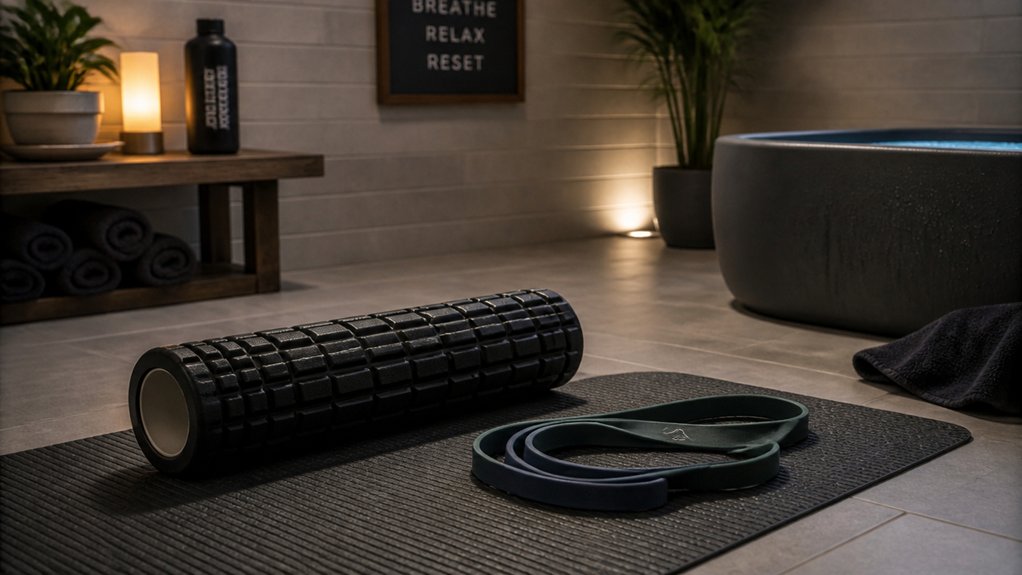
Performing gentle stretching and foam rolling after an ice bath can greatly enhance your recovery by releasing muscle tension and improving circulation. Post-cold immersion, these techniques help reduce muscle soreness and stiffness while promoting blood flow during rewarming.
Gentle stretching and foam rolling after an ice bath boost recovery by releasing tension and enhancing circulation.
Gentle stretching improves flexibility and aids in removing metabolic waste from post-exercise inflammation, speeding up recovery. Foam rolling targets fascia and muscle tightness, breaking up adhesions and relaxing sore areas. Applying pressure for 30–60 seconds guarantees safer myofascial release without exacerbating cold-induced numbness.
Additionally, utilizing targeted tools like muscle scraping tools can support lymphatic drainage and further reduce inflammation, enhancing overall recovery muscle scraping tools. Combining these methods maximizes range of motion and minimizes fatigue. To get the best results, focus on controlled movements and avoid joints or bones during foam rolling after your ice bath.
- Enhance blood flow and relief from muscle tightness
- Reduce post-exercise inflammation effectively
- Improve flexibility and prevent recurring soreness
Sleep Tips for Faster Muscle Repair and Less Fatigue
Maintaining a consistent sleep schedule helps your body recover more efficiently after ice baths by supporting natural hormone release.
Creating a sleep-friendly environment—like a cool, dark, and quiet room—maximizes the rest you get and speeds up muscle repair.
Cutting back on screens and caffeine before bed also enhances your sleep quality, boosting recovery and reducing fatigue.
Using recovery tracking apps can help monitor your sleep patterns and recovery progress, ensuring you optimize your post-ice bath routine.
Consistent Sleep Schedule
Having a consistent sleep schedule is essential for faster muscle recovery and minimizing fatigue after ice baths. When you go to bed and wake up at the same times daily, it supports your circadian rhythms, optimizing sleep quality.
A regular sleep pattern helps boost growth hormone levels, which are crucial for muscle repair and recovery. Additionally, maintaining a consistent schedule stabilizes your core body temperature, encouraging deeper slow-wave sleep essential for reducing post-ice-bath fatigue.
The benefits include more restorative sleep phases, quicker muscle recovery, and less overall fatigue. To maximize these effects, aim for 7–9 hours of sleep each night and keep your sleep times steady. This simple habit guarantees your body stays aligned and efficiently recovers from intense training sessions and cold immersion. Incorporating light therapy devices can also enhance your circadian entrainment and improve sleep quality further.
Optimize Sleep Environment
Creating an ideal sleep environment can greatly enhance your recovery after ice baths. To optimize sleep, focus on maintaining a cool, dark, quiet space that supports thermoregulation and deep sleep. Keeping your room at a lower core body temperature after ice baths promotes quicker sleep onset and better muscle recovery. Establish a pre-sleep routine by limiting screens and caffeine at least an hour before bedtime, improving sleep hygiene and quality. Consistent sleep habits, including regular bedtimes, reinforce circadian rhythms for reduced fatigue and more efficient recovery. Use the table below to guide your sleep environment setup:
| Aspect | Tip | Purpose |
|---|---|---|
| Room Temperature | Keep between 60-67°F (15-19°C) | Facilitate thermoregulation |
| Darkness | Use blackout curtains | Promote deep sleep |
| Noise Level | Eliminate disruptive sounds | Maintain sleep continuity |
| Bedding | Choose breathable, comfortable linens | Support muscle recovery |
| Pre-sleep Routine | Limit screens and caffeine | Enhance sleep quality |
| Sleep Monitoring | Consider using blood oxygen monitors to track recovery patterns | Support optimal sleep quality and recovery |
Self-Massage and Percussion Devices for Enhanced Recovery
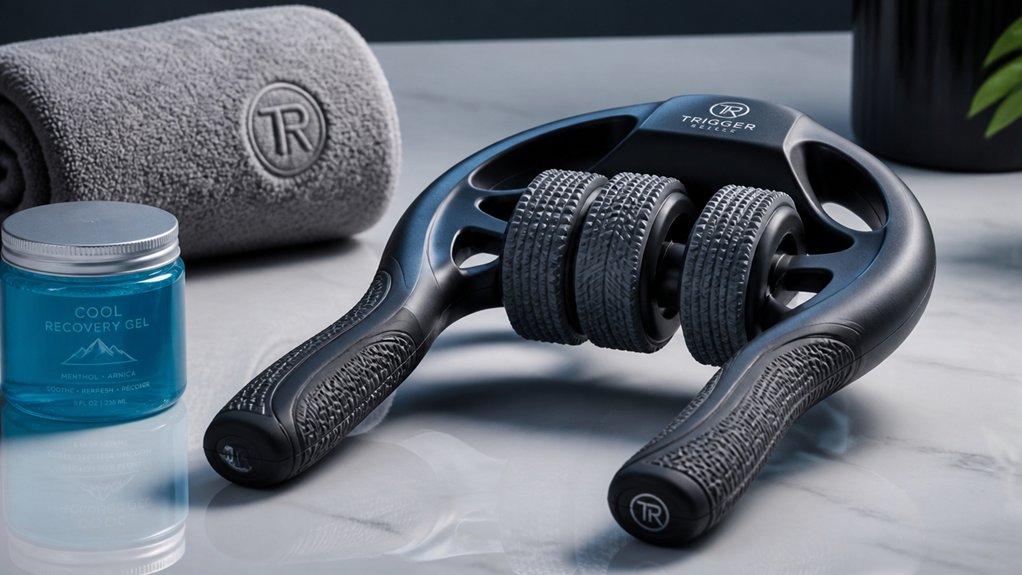
Self-massage with foam rollers or percussion devices can greatly enhance recovery after an ice bath by targeting tight muscles and promoting fascial relaxation. These tools help break adhesions and reduce muscle soreness, making your recovery more effective.
Foam rolling for 30–60 seconds on sore areas improves range of motion and eases stiffness. Percussion devices deliver rapid vibrations that boost blood flow and facilitate the removal of metabolic waste products remaining after ice baths.
Using percussion therapy immediately after immersion supports the shift from vasoconstriction to vasodilation, aiding nutrient delivery for muscle repair. Combining self-massage with ice baths can accelerate muscle relaxation and decrease fatigue, keeping you prepared for your next workout.
- Enhance circulation and nutrient flow
- Reduce muscle stiffness and soreness
- Support faster muscle recovery
How Often Should You Do Cold Water Immersions? Balancing Recovery and Overtraining
After using self-massage and percussion devices to speed up muscle recovery, finding the right frequency of cold water immersions (CWI) becomes key to maximizing benefits while avoiding potential drawbacks.
Typically, ice baths are best limited to 1-2 times per week during heavy training phases, helping manage muscle soreness without risking overtraining or hindering hypertrophy. For endurance athletes, CWI within 1-2 hours post-intense workouts aids recovery, but strength athletes should avoid immediate post-training immersion to protect growth signals.
Total weekly ice bath time should stay around 11 minutes, split into shorter sessions of about 3.5 minutes each, to prevent numbness and overuse. Regular monitoring by a physical therapist helps guarantee CWI supports athletic performance without compromising long-term progress.
Controlled Breathing Techniques to Calm Your Nerves and Speed Up Rest
Controlled breathing techniques are essential tools for calming your nerves and speeding up recovery during ice baths. When faced with cold shock, slow diaphragmatic breaths help regulate your nervous system and maintain cardiovascular stability.
During the 60–90 second cold shock phase, focusing on rhythmic, deep breaths can reduce heart rate spikes and nervous overstimulation. Practicing controlled breathing also lowers perceived discomfort and pain by calming the sympathetic nervous system, allowing you to tolerate cold exposure longer.
Additionally, controlled breathing improves oxygen delivery, promoting muscle relaxation and aiding fatigue reduction. Combined with mental distraction, such as music or podcasts, controlled breathing enhances endurance and supports faster overall recovery.
- Manage cold shock response with rhythmic breathing
- Reduce perceived pain and discomfort
- Boost oxygen delivery for quicker recovery
Frequently Asked Questions
Do Ice Baths Reduce Fatigue?
Ice baths do reduce fatigue by decreasing muscle soreness, inflammation, and metabolic markers like CK and lactate. You’ll feel less tired, recover faster, and experience improved perceived exertion, especially if you’re an endurance or repeated-exercise athlete.
Can Ice Baths Help With Lipedema?
Ice baths may help with lipedema by reducing inflammation, swelling, and pain through improved circulation, but you should use them cautiously, consult a healthcare professional, and combine with therapies like compression and gentle movement for best results.
How Do Ice Baths Help Athletes Recover?
Ice baths help you recover by reducing muscle inflammation and soreness, flushing out waste, delivering nutrients, lowering core temperature, and promoting better sleep. This process accelerates muscle repair, decreases fatigue, and enhances your overall recovery after exercise.
What Should You Do After an Ice Bath?
After an ice bath, dry off quickly, dress warmly, and avoid hot showers. Eat a balanced snack, do gentle movements, and rest well to promote recovery, reduce fatigue, and safely rewarm your body.