Hot-to-cold therapy can be safe for seniors when proper precautions are taken, such as using age-friendly equipment, gradual temperature changes, and monitoring your body’s response. Your circulation and skin become more delicate with age, so it’s important to start slowly and stay within safe temperature ranges. Medical guidance and supervision help prevent risks like hypothermia or overheating. If you want to learn how to safely enjoy this therapy, there’s more to take into account.
What Are the Benefits of Hot-to-Cold Therapy for Seniors?
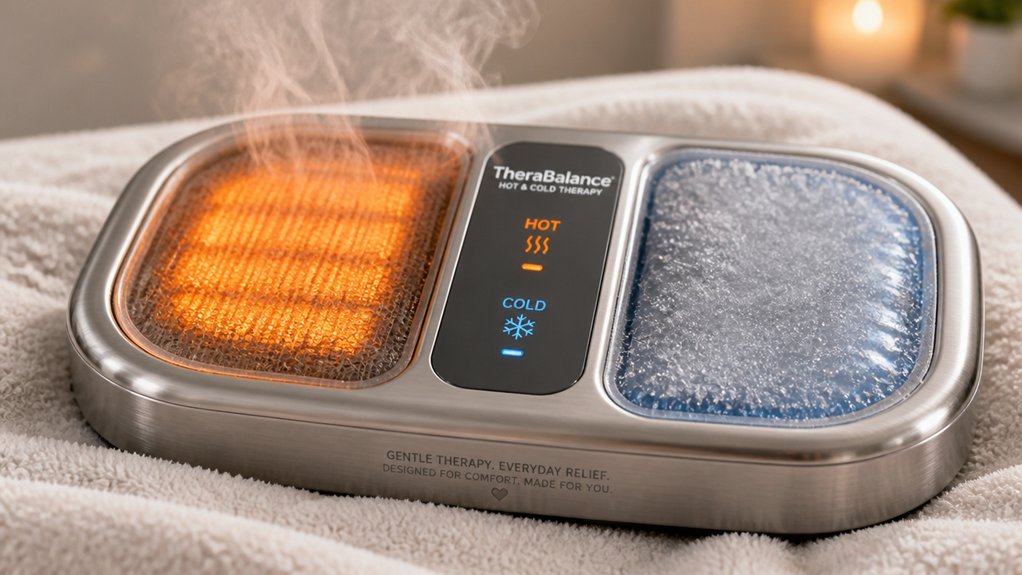
Ever wondered how hot-to-cold therapy can benefit seniors? This approach boosts your circulation, helping deliver oxygen more efficiently throughout your body. Alternating hot and cold treatments reduces joint stiffness and inflammation common with aging and arthritis.
The heat causes blood vessels to expand, promoting vasodilation, while cold induces vasoconstriction, flushing out toxins and lactic acid. This natural process enhances muscle recovery and alleviates joint pain.
Additionally, heat activates heat shock proteins (HSPs), supporting cellular repair and cardiovascular health. Cold therapy stimulates your vagus nerve, lowering stress and improving mood. Incorporating infrared heat lamps can deliver targeted, deep tissue warmth safely and effectively.
When done gradually and safely, hot-to-cold therapy minimizes cardiovascular risks. Regular sessions (2–3 times weekly) improve joint flexibility, decrease inflammation, and promote better mobility without needing medications.
How Does Aging Change Your Body’s Response to Heat and Cold?
As you age, your circulation stiffens and your heart responds more slowly, narrowing the safe range for heat and cold exposure. Your skin becomes thinner, and reduced sweat production, along with decreased thirst signals, raises the risk of dehydration and overheating or cooling too quickly. These changes, combined with lower fat and lean mass, make your body lose or gain temperature more rapidly, requiring caution during hot-to-cold therapies. Additionally, choosing appropriate-sized ice baths can help ensure safety by providing enough space and stability for comfortable immersion.
Circulatory Changes Reduce Tolerance
Aging causes significant changes in your circulatory system that can lower your body’s ability to tolerate extreme temperatures. As you age, circulation stiffens, and your heart rate response slows, narrowing the safety window during exposure to heat and cold.
When your circulation diminishes, your body struggles to quickly adapt through vasoconstriction or vasodilation, making cold immersion riskier. Your blood flow’s decreased efficiency means you’re less able to protect essential organs from temperature extremes.
Safety features, like moderated exposure times and careful monitoring, are essential to prevent hypothermia or heat-related stress. Understanding these circulatory changes helps you recognize the importance of cautious, controlled therapies, ensuring you can safely enjoy the benefits of hot-to-cold treatments without overtaxing your heart or compromising circulation. Additionally, utilizing precise temperature measurement tools can help you maintain safe and effective therapy sessions.
Decreased Sweat and Thirst
When your body encounters heat or cold, it relies on sweating and thirst cues to help regulate temperature and prevent dehydration.
As you age, sweat production decreases, limiting your body’s ability to cool down during hot exposures like sauna sessions. This reduced sweating causes internal heat to build up, increasing the risk of overheating.
Additionally, your thirst sensation diminishes with age, so you may not drink enough fluids to stay hydrated. This makes you more vulnerable to dehydration and electrolyte imbalance, which can strain your heart and other organs.
Because of these changes, it’s essential to monitor heat and cold exposure carefully. Proper hydration and gradual acclimation become even more important to keep your body safe during thermal therapies. Understanding EMF levels and their impact can also help in selecting safer wellness equipment for seniors.
Skin and Fat Thinness
Thinner skin and reduced subcutaneous fat profoundly alter your body’s ability to respond to temperature changes. With age, your skin becomes more delicate, and the loss of fat decreases insulation, making it harder to maintain stable core temperature.
Thinner skin allows heat to escape more easily during cold exposure, increasing the risk of rapid cooling and hypothermia. Conversely, reduced fat impairs your ability to retain heat, requiring gentler temperature control during therapy.
These changes mean you’ll experience faster heat loss in cold environments and slower heat dissipation in hot settings, demanding careful monitoring. Your body’s weakened barrier and slower response to temperature shifts highlight the importance of gradual adjustments during hot-to-cold therapy to prevent adverse effects. Additionally, using insulating materials like plush faux fur or Sherpa fabrics can help retain warmth and support safer temperature regulation.
Is Sauna and Cold Plunge Therapy Safe for Your Heart?
You need to take into account how your heart responds to temperature changes, especially with sauna and cold plunge routines. While these therapies can offer benefits, they also pose risks if not managed carefully, particularly regarding cardiovascular health. Incorporating the use of infrared heat or steam in controlled sessions can enhance safety by allowing gradual temperature adjustments and monitoring your body’s reactions. Understanding your conditions and monitoring your body’s responses are key to safely enjoying these therapies.
Heart Response to Temperature
The heart responds to temperature changes through a process called vasomotor activity, which involves both vasodilation and vasoconstriction. When exposed to heat, your blood vessels dilate, increasing blood flow and reducing the heart’s effort, but overall, this process can elevate cardiac workload.
Conversely, cold induces vasoconstriction, narrowing vessels and raising your heart’s stress levels as it works harder to maintain core temperature. Sauna use at recommended temperatures (140–170°F) has been linked to a 50% reduction in cardiovascular mortality, showing it’s safe when properly managed.
Cold plunges trigger norepinephrine release, increasing vasoconstriction and cardiac effort. To stay safe, seniors should acclimate gradually, monitor symptoms, and avoid abrupt temperature shifts, minimizing cardiac strain and risks.
Cardiovascular Risk Management
While heat and cold therapies can benefit heart health when used correctly, they also pose potential risks, especially for older adults with pre-existing cardiovascular issues. To manage these risks, a gradual acclimation process is essential, allowing your body to adapt to temperature changes safely. For example, starting with heat-only sessions and brief cool showers helps prevent sudden blood pressure spikes and reduces cardiac workload. Medical supervision and safety measures, such as stable entry aids and controlled environments, are vital. Here’s a quick overview:
| Therapy Type | Key Consideration | Adjustments Needed |
|---|---|---|
| Sauna | Cardiovascular benefits with proper management | Monitor blood pressure during sessions |
| Cold Plunge | Increases blood pressure; requires gradual adaptation | Limit initial exposure to 30–60 seconds |
| Contrast | Use protocols with heat first, then cold | Always include supervised sessions |
Benefits Versus Risks
Sauna and cold plunge therapies can offer notable cardiovascular benefits for seniors when used properly, but they also carry inherent risks that must be carefully managed.
Regular sauna use is linked to a 50% reduction in cardiovascular mortality and a lower risk of sudden cardiac death, highlighting their potential heart-safe benefits. However, cold plunge therapy can increase cardiac workload through vasoconstriction and norepinephrine release, so seniors with heart disease should seek medical clearance and start with brief, mild cold exposure.
Contrast therapy, involving gradual hot-to-cold shifts, helps minimize risks like hypothermia and cardiac strain. Limiting sessions to 2-4 weekly and monitoring responses guarantees you gain benefits without overstressing your heart. Additionally, the use of proper chiller cooling capacity ensures safe and effective temperature regulation, reducing the risk of sudden temperature shocks.
Balancing these therapies carefully makes them safer and more effective for your cardiovascular health.
What Medical Conditions Affect Sauna and Cold Therapy Safety in Seniors?
Medical conditions like cardiovascular disease, hypertension, diabetes, neuropathy, and poor circulation can greatly impact your safety during sauna and cold therapy. These conditions increase your risk from thermal stress and circulatory strain. For example, cardiovascular disease can limit your heart’s ability to handle sudden changes in temperature, while medications like beta-blockers blunt your heart rate response, masking warning signs. Cold plunge therapy, especially below 60°F, triggers vasoconstriction and norepinephrine release, putting extra stress on your heart. Diuretics and blood thinners also influence your tolerance—diuretics increase dehydration risk during heat, and blood thinners impair circulation. If you have any of these conditions, always seek medical clearance before engaging in sauna or cold therapy to guarantee your safety. Additionally, understanding your measurement parameters and display types can help you monitor your body’s response effectively during such therapies.
How to Choose Age-Friendly Sauna Equipment and Cold Plunge Devices
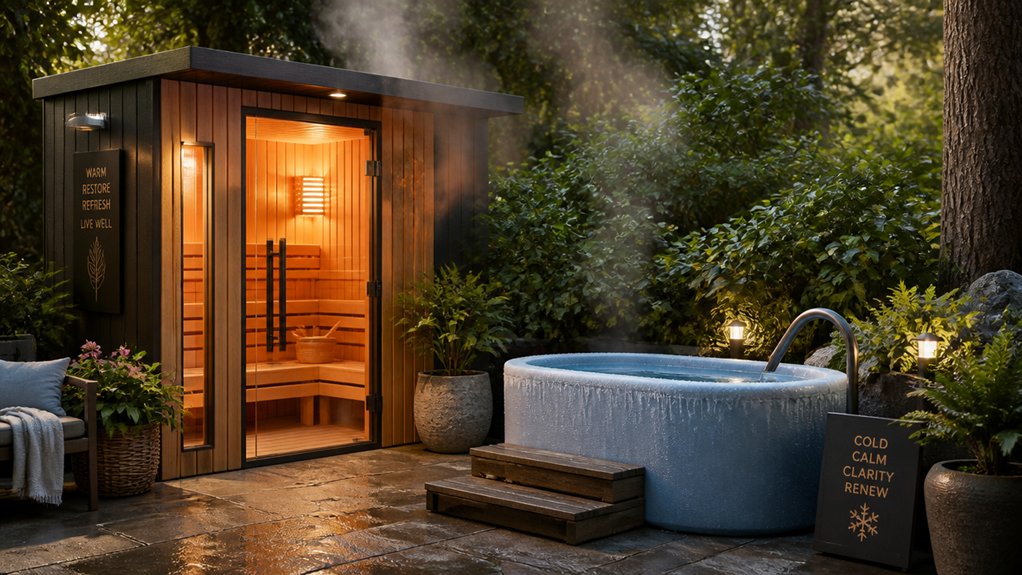
Choosing safe and effective sauna equipment and cold plunge devices for seniors involves prioritizing ease of use, safety features, and temperature control. Look for age-friendly sauna equipment that offers lower bench heights, easy-grip handles, clear temperature displays, and automatic timers to guarantee safety and convenience.
Infrared saunas are preferable because they operate at gentler temperatures starting at 120–135°F, reducing cardiovascular risk. For cold plunges, select senior-specific cold plunges with precise temperature controls, safe ranges starting from 68–60°F, stable entry steps, grab bars, and non-slip floors.
Devices like Cold Stoic 3.0 or Siberian Pro include advanced filtration, UV ozone purification, and safety locks, assuring hygiene and safety. Focus on products with programmable lighting, durable materials, and user-friendly controls to enhance comfort and security during therapy.
Steps to Start Safe Hot-to-Cold Therapy at Home for Seniors
To start hot-to-cold therapy safely at home, you should focus on progressing gradually with temperature changes and always monitor how your body responds.
Using stable, senior-friendly equipment guarantees safer shifts and reduces risk during sessions.
Gradual Temperature Transition
When shifting from hot to cold therapy, it’s essential to do so gradually to protect your heart and prevent dizziness. A safe gradual temperature change minimizes stress on your cardiovascular system and reduces risks like after-drop.
Start with a mild sauna at 140–160°F (60–71°C) for 8–12 minutes, then ease into cold plunge temperatures of 68–60°F (20–15.5°C), beginning with 30–60 seconds immersions and building up over weeks.
Imagine:
- Standing carefully, pausing, and walking slowly between steps
- Entering cold water gradually rather than jumping in
- Maintaining awareness of how your body feels during shifts
- Rewarming thoroughly in a cozy environment after cold exposure
This method supports safety, comfort, and progress in your hot-to-cold routine.
Monitor Physiological Responses
Monitoring your physiological responses during hot-to-cold therapy is essential to guarantee safety and comfort. You should monitor crucial signs, such as heart rate and blood pressure, throughout each session.
Pay attention to how your body reacts, especially during shifts between hot and cold. Be alert for signs like dizziness, excessive fatigue, or abnormal heart responses, which could indicate stress on your cardiovascular system.
It’s important to start with shorter sessions, gradually increasing duration based on your comfort level and absence of adverse symptoms. Also, watch for dehydration signs like dry mouth or confusion.
Always observe your body’s cues, and if you notice any concerning responses, stop immediately. Proper monitoring helps confirm your safety while benefiting from hot-to-cold therapy.
Safe Equipment Practices
Starting hot-to-cold therapy safely at home involves careful selection and use of the right equipment. Choose devices with clear temperature displays and automatic timers to prevent overheating or excessive cold exposure. Look for units with adjustable temperature controls, automatic shutoff, and filtration systems for hygienic conditions.
When setting up your therapy space, use stable entry aids like grab bars, low benches, and non-slip mats in both sauna and cold plunge areas to reduce fall risks. Set the sauna at 140–160°F and cold plunge starting above 60°F, with sessions lasting 8–12 minutes and 30–60 seconds respectively.
Always have emergency communication devices nearby and consider having a companion present during initial cold plunge sessions, ensuring safety throughout your therapy routine.
How to Create a Weekly Routine for Sauna and Cold Exposure
Creating a balanced weekly routine for sauna and cold exposure guarantees safety and maximizes benefits. Start with 2–4 sauna sessions per week, lasting 8–12 minutes at 140–160°F for traditional or 120–135°F for infrared saunas. Gradually increase duration and temperature based on your tolerance.
Cold plunge sessions should begin at 30–60 seconds in 68–60°F water, 2–3 times weekly on non-exercise days, slowly extending to 2–3 minutes as tolerated.
For contrast therapy, especially if you’re 70+ or have cardiovascular concerns, start with heat only or brief cool showers, avoiding full cold plunges initially.
Schedule sessions at least 2–3 hours before bedtime, and incorporate rest days and gentle activities like walking to support recovery.
What Features Make Sauna Equipment Safe for Seniors?
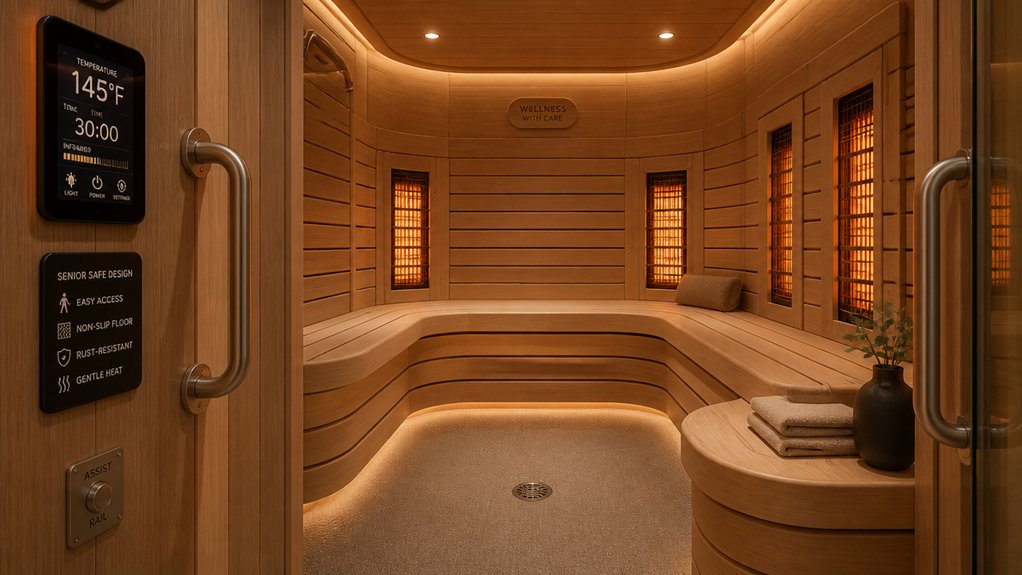
When choosing sauna equipment for seniors, look for easy-to-use controls like digital displays and simple interfaces.
Safety features such as stable seating, grab bars, and gentle temperature ranges help prevent accidents. Clear, visible temperature displays and automatic timers guarantee you can monitor and control your session safely.
Easy-to-Use Controls
Sauna equipment designed for seniors features intuitive controls that prioritize safety and ease of use. You can easily adjust settings with straightforward controls, making session management simple.
Key features include:
- Clear, easy-to-read temperature displays for precise control
- Automatic timers that prevent overheating and help regulate session length
- Plug-and-play installation and quick warm-up functions for independence
- Built-in safety controls like emergency shutoff for peace of mind
These functions support your comfort level by allowing you to customize and control your sauna experience effectively. With these easy-to-use controls, seniors can confidently operate the sauna without confusion or frustration, making the therapy safer and more enjoyable.
Safety-Oriented Design Features
Sauna equipment designed with safety features tailored for seniors guarantees confidence and comfort during each session. Safety-focused design includes lower bench heights and easy-grip handles, making entry and exit safer.
Low-EMF infrared heaters are preferred, as they reduce cardiovascular strain and provide a gentler heat experience. Clear temperature displays allow you to monitor and control heat precisely, helping you avoid overheating.
Many models feature quick warm-up times and simple plug-and-play installation, ensuring ease of use. Additionally, stable seating, non-slip floors, and accessible water containers support gradual acclimation, reducing fall and burn risks.
These thoughtful safety-centric features work together to create a secure environment, so you can enjoy therapeutic benefits without concern.
Clear Temperature Display
Have you ever wondered how clear temperature displays enhance safety for seniors using sauna equipment? These displays let you easily monitor and adjust heat levels, reducing the risk of overheating or burns. With clear temperature displays, you can see the current heat at a glance, ensuring it stays within safe limits.
Many saunas also feature automatic timers combined with these digital readouts, helping you control session length precisely. This prevents prolonged exposure that could affect your health. Additionally, sauna panels often show lower maximum temperature settings suitable for seniors—such as 120–135°F—making it impossible to accidentally surpass safe limits.
Large, easy-to-read displays with intuitive controls are especially helpful for those with impaired vision or dexterity. Integrated alarms alert you when temperatures become unsafe, adding an extra layer of safety during your thermal therapy.
How to Monitor Your Health During Thermal Therapy Sessions
Monitoring your health closely during thermal therapy sessions is essential to guarantee safety and effectiveness. Use a blood pressure cuff or a heart rate monitor to track your cardiovascular response, especially if you’re on blood pressure medications. Keep a hydration supply nearby and drink fluids before, during, and after sessions to prevent dehydration. Watch for signs of dizziness, excessive fatigue, or discomfort, and adjust temperatures accordingly. Rest for 15–20 minutes afterward to allow your body to recover and prevent after-drop hypothermia.
| Monitoring Method | Key Indicator | Action |
|---|---|---|
| Blood pressure | Stay within safe ranges | Pause session if levels are too high or low |
| Heart rate monitor | Heart rate within normal limits | Stop if heart rate becomes abnormal |
| Hydration | Proper fluid intake | Drink water regularly during therapy |
What Are Signs of Discomfort or Emergency During Therapy?
Ever wonder what signs indicate you should stop therapy immediately? Recognizing signs of discomfort can prevent serious issues.
If you experience sudden dizziness, chest pain, or excessive shortness of breath, it’s vital to stop and seek help. Watch out for abnormal sweating, trembling, or nausea, which signal that your body needs rest.
Severe shivering, confusion, or persistent numbness during or after cold exposure could point to hypothermia, requiring urgent attention. You should also stop if there’s a sudden drop in blood pressure, causing fainting or visual disturbances.
Additionally, worsening pain, burning sensations, blistering, or prolonged redness mean therapy needs to be halted immediately. These signs help guarantee your safety and prompt timely medical intervention if necessary.
How to Gradually Adjust Temperature and Duration for Safety
To guarantee safety during hot-to-cold therapy, it’s important to start with gentle adjustments to both temperature and duration.
When using cold plunge tubs for regular cold therapy, begin with water temperatures between 68–60°F (20–15.5°C), immersing yourself for just 30–60 seconds. Gradually extend the duration over weeks, aiming for 2–3 minutes, but avoid exceeding 5 minutes.
For heat sessions, start at lower temperatures of 140–160°F (60–71°C) and keep initial durations around 8–12 minutes. Stick to a consistent schedule, increasing intensity only if you tolerate earlier sessions well.
Remember to include rest periods of 5–10 minutes between phases and rewarm in a warm environment afterward, reducing risks and ensuring safe adaptation.
Why Medical Screening Is Essential Before Starting Thermal Therapy
Undergoing medical screening before starting thermal therapy is essential because it helps identify health conditions that could make heat or cold exposure dangerous. This assessment reveals underlying issues like cardiovascular conditions, diabetes, neuropathy, or poor circulation, which increase risk during treatments like cold plunge therapy.
Cold plunge therapy, in particular, can cause dangerous vasoconstriction and put extra strain on your heart if you have heart problems. Seniors taking blood pressure medication or with cold agglutinin disease need a physician’s evaluation to prevent severe reactions.
A thorough health screening allows your healthcare provider to personalize sauna and cold protocols, adjusting temperature and duration for safety. This proactive step greatly reduces the risk of hypothermia, heat intolerance, dehydration, and cardiovascular strain during contrast therapy.
How Do Common Medications Affect Heat and Cold Tolerance?
Medications commonly taken by seniors can greatly influence their body’s ability to tolerate heat and cold. Blood pressure meds may alter thermoregulation, causing unpredictable shifts during temperature extremes.
Senior medications can impair heat and cold tolerance, increasing risks during temperature extremes.
Diuretics increase dehydration risks by promoting fluid loss, which can impair your body’s cooling and warming responses. Beta-blockers blunt your heart rate response, making it harder to detect warning signs of heat or cold stress during therapies like saunas or cold plunges.
Blood thinners could affect circulation and increase bruising, adding risk during thermal treatments. Additionally, certain antidepressants interfere with thermoregulation, reducing your ability to adapt safely to temperature changes.
Understanding these medication effects helps you recognize potential dangers and highlights the need for careful monitoring when engaging in hot-to-cold therapies.
Tips to Prevent Hypothermia and Hyperthermia Risks in Seniors
Ever wonder how seniors can safely enjoy hot and cold therapies without risking hypothermia or hyperthermia? To stay safe, keep cold water immersion above 59°F (15°C), and limit dips to 30–60 seconds initially, building up to 2–3 minutes.
After cold exposure, thoroughly rewarm in a 68–72°F environment using dry clothing and warm drinks to prevent prolonged core temperature drops, which can lead to hypothermia.
For sauna sessions, start at moderate temperatures (140–160°F for traditional, 120–135°F for infrared) and limit time to 15–20 minutes split into rounds.
Use stable entry/exit aids, grab bars, and have a companion nearby during cold plunges.
Avoid late-night sessions and cold exposure on strenuous days for safe, effective therapy.
How to Make Your Home Environment Safe for Sauna and Cold Therapy
Creating a safe home environment for sauna and cold therapy involves careful planning and thoughtful modifications. To guarantee safe movement, install stable entry steps, grab bars, and non-slip flooring around therapy areas. Keep a phone nearby and have a companion present during sessions to quickly address any emergencies or discomfort. Use adjustable temperature controls and precise devices like SunHomeSaunas cold plunges to maintain safe heat and cold levels suited for seniors. Provide nearby seating for rest periods and arrange the space to allow smooth shifts between heat and cold exposure. Guarantee clear, easy-to-read temperature displays, automatic timers, and lower bench heights in saunas to help seniors comfortably monitor and operate equipment safely.
| Safety Feature | Benefit |
|---|---|
| Grab bars & non-slip floors | Prevent falls and support safe movement |
| Adjustable temperature controls | Tailor sessions to senior tolerance |
| Nearby seating & transition space | Allow rest and gradual changes |
| Clear displays & timers | Help seniors monitor and manage sessions safely |
Frequently Asked Questions
Are Cold Plunges Good for Older People?
Cold plunges can benefit older adults by reducing inflammation, easing arthritis pain, and improving circulation, but you should get medical clearance first, start slowly, and use temperature-controlled equipment to guarantee safety and prevent hypothermia or cardiovascular issues.
Who Should Avoid Cold Therapy?
You should avoid cold therapy if you have heart issues, cold agglutinin disease, are on specific medications, are frail, pregnant, or have an active infection, as cold exposure can worsen these conditions or cause serious complications.
What Happens to the Body After 30 Days of Cold Shower?
After 30 days of cold showers, you’ll notice improved circulation, reduced inflammation, enhanced mental resilience, increased metabolic rate, and less joint stiffness, which can boost your overall energy, mobility, and mood through consistent cold exposure adaptations.
Is Hot and Cold Therapy Good for You?
Hot and cold therapy is good for you when done safely, as it improves circulation, reduces inflammation, and relieves pain, promoting quicker recovery and better mobility—just make sure to follow appropriate temperature, duration, and supervision guidelines.