To maximize your recovery with hot and ice therapy, apply ice packs for 15-20 minutes during the first 48 hours after injury to reduce swelling and numb pain. Switch to heat therapy later to relax muscles and improve flexibility. Use contrast sessions of 5-15 minutes each to boost circulation and healing. Always protect your skin and avoid heat on inflamed areas. Proper equipment and timing are key, so explore these tips further for best results.
Understanding Hot and Cold Therapy: What You Need to Know
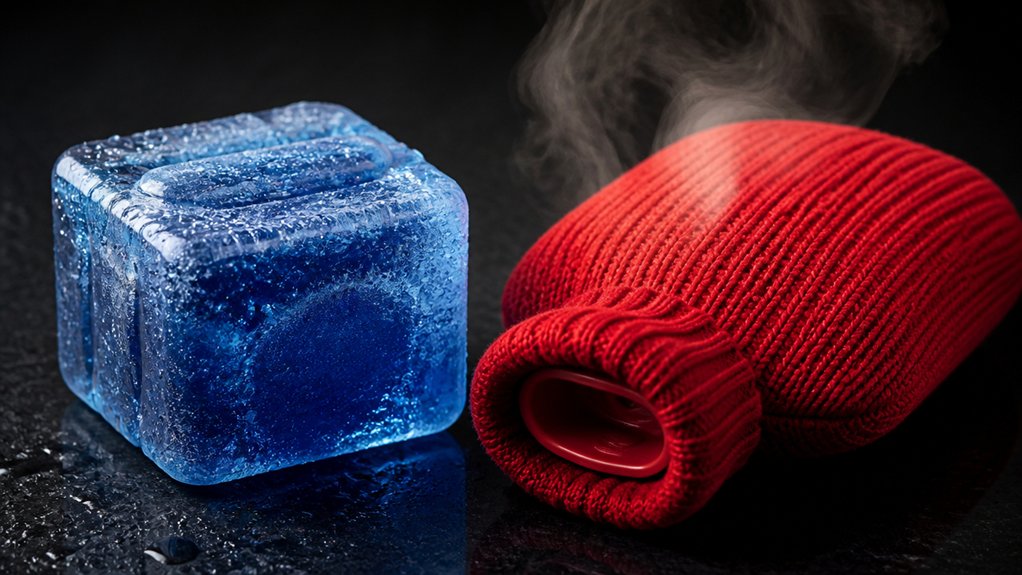
Understanding hot and cold therapy is essential for effective recovery, especially since each offers distinct benefits. Cold therapy, also known as cryotherapy, constricts blood vessels, which reduces inflammation, swelling, and numbs acute pain, particularly within the first 48 hours after injury.
Cold therapy reduces inflammation, swelling, and numbs pain within the first 48 hours after injury.
To maximize benefits, consider the temperature ranges of your devices, such as cold at 38–57°F and heat at 102–131°F, which are designed to optimize therapeutic effects without risking skin damage.
Hot therapy, on the other hand, expands blood vessels, increasing blood flow, relaxing muscles, and easing stiffness, especially in chronic conditions.
Proper use involves applying cold therapy for 15-20 minutes to minimize swelling, followed by heat therapy for 15-20 minutes to promote circulation. Alternating between the two, or contrast therapy, can enhance recovery by combining benefits like improved circulation and decreased inflammation.
Always use a cloth barrier to protect your skin, and avoid heat on inflamed areas to prevent worsening inflammation.
Benefits of Using Hot and Cold Treatments for Recovery
Using hot and cold treatments helps reduce inflammation quickly and relieves muscle tension, making it easier to move comfortably. These therapies also speed up the healing process by improving blood flow to affected areas. When applied correctly, they can greatly enhance your recovery and lessen soreness. For optimal results, selecting the right heat or cold therapy based on your specific needs and ensuring proper application can make a significant difference in recovery safety guidelines.
Reduces Inflammation Effectively
Alternating hot and cold therapies is highly effective for reducing inflammation because they actively influence blood flow and immune response. Cold therapy constricts blood vessels, helping to reduce swelling and numb pain during the initial injury phase. Ice therapy applied within 48 hours limits blood flow and fluid buildup, preventing further tissue damage. Wavelengths, particularly near-infrared (850 nm), penetrate deeper into tissues, enhancing recovery processes. Heat therapy, on the other hand, dilates blood vessels, increasing circulation by up to 200%, which aids waste removal and delivers essential nutrients to tissues. Using contrast therapy, cycling between heat and cold enhances blood flow and waste removal by up to 40%, speeding recovery from inflammation and soreness. This combination effectively minimizes inflammation, controls pain, and accelerates healing—making it a key strategy in injury management.
Relieves Muscle Tension
Applying hot and cold treatments can substantially relieve muscle tension by targeting the underlying causes. Cold therapy, like ice, numbs pain and reduces inflammation, which helps loosen tight muscles temporarily. It causes blood vessels to constrict, decreasing swelling and easing muscle tension. Infrared heat lamps provide rapid, deep tissue warming, making them especially useful for quick core rewarming.
Heat therapy, such as applying heat packs, relaxes muscles and eases stiffness by dilating blood vessels and boosting circulation. This increases tissue flexibility and reduces spasms. Alternating heat and ice, or contrast therapy, combines these benefits for enhanced relief.
Applying heat for 20 minutes up to three times daily improves muscle elasticity and reduces tightness, while cold for 15-20 minutes offers quick pain relief. Together, hot and cold therapy effectively ease muscle tension, making recovery more comfortable.
Accelerates Healing Process
Hot and cold therapies work together to speed up the healing process by improving blood flow and reducing inflammation. Alternating hot and cold therapy stimulates circulation, increasing blood flow to injured areas, which accelerates tissue repair. Pressure levels used during compression can be adjusted to further optimize recovery depending on the tissue response. Cold therapy constricts blood vessels, decreasing swelling and numbing pain, while heat therapy dilates vessels to relax muscles and enhance flexibility. This contrast cycle, typically 5-10 minutes each, promotes faster removal of metabolic waste and delivers essential nutrients to tissues. When combined with compression, it further reduces swelling and supports edema control, speeding up recovery by up to 20%. Consistent use of hot and cold treatments after injury or strenuous activity not only reduces soreness but also helps your body heal more efficiently through enhanced circulation and inflammation reduction.
When to Use Cold Therapy for Inflammation and Pain Relief
Cold therapy is most effective during the first 48 hours after an injury when you need to reduce inflammation, swelling, and pain. Applying ice or cold packs helps by constricting blood vessels and limiting blood flow, which speeds up recovery. Use cold therapy for acute injuries like sprains, strains, swollen joints, and post-surgical inflammation. Aim for 15-20 minute sessions, with at least 30-60 minute breaks to prevent skin damage. Repeat multiple times daily for 2-3 days for best results. Proper insulation in cold plunge tubs can maintain low temperatures longer, enhancing the effectiveness of cold therapy sessions.
How Heat Therapy Helps Relax Muscles and Boost Flexibility
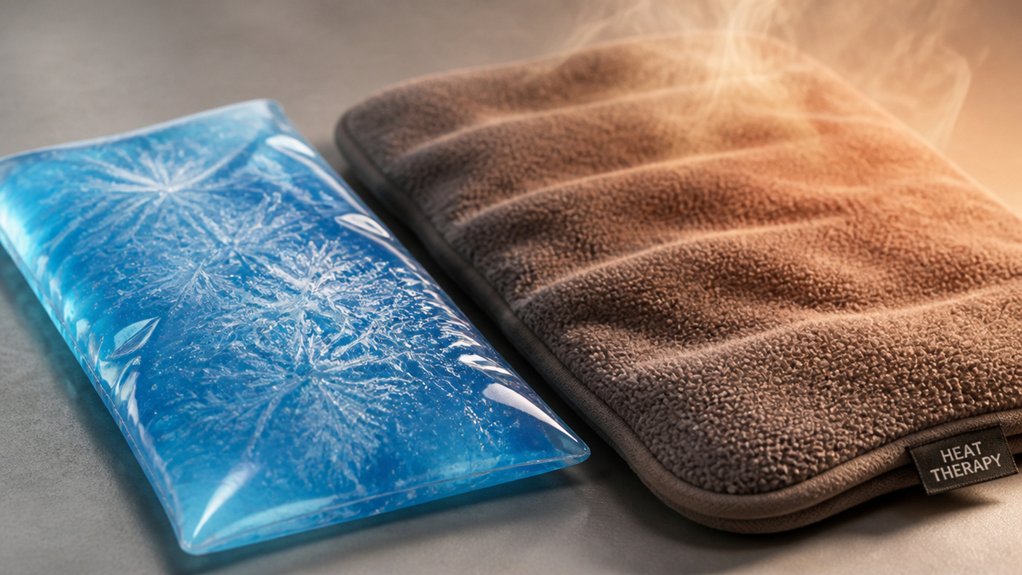
Applying heat relaxes tense muscles by increasing blood flow, which helps ease stiffness and tightness. It also improves joint flexibility by loosening tissues and expanding range of motion. A variety of heating technologies, such as carbon fiber wires, jade stones, and ceramic beads, enhance the effectiveness of heat therapy. Plus, the warmth quickly reduces pain and accelerates healing, making it a key part of your recovery routine.
Muscle Relaxation Benefits
Heat therapy offers a simple yet effective way to relax tight and stiff muscles, making movement easier and more comfortable. When you use heat, it dilates blood vessels, increasing blood flow that helps relax muscles and eases tension. Applying hot packs or warm compresses for 15-20 minutes can loosen muscle fibers and reduce spasms, providing relief from pain. The warmth also calms nerve endings, helping to relax muscles further. As your muscles relax, your range of motion improves naturally. Imagine feeling the soothing heat penetrating deep into muscles, melting away stiffness and spasms, and promoting overall relaxation. Using heat on sore or tense muscles helps you recover faster and feel more flexible. This simple treatment can make a noticeable difference in how your muscles respond to activity and stress. Infrared heat from portable saunas enhances this process by providing concentrated deep tissue warmth that penetrates even further for optimal muscle relaxation.
Increased Joint Flexibility
When heat therapy is used regularly, it helps relax tight muscles and increases joint flexibility by improving circulation. Applying moist heat for about 20 minutes up to three times daily causes blood vessels to dilate, boosting blood flow and delivering oxygen and nutrients to muscles.
This enhanced circulation promotes muscle elasticity and reduces spasms, making stretching and range-of-motion exercises more effective. Heat therapy also loosens connective tissues and softens tissues surrounding the joints, directly targeting muscle stiffness.
In chronic conditions like arthritis, this increased blood flow speeds tissue repair and maintains joint mobility. Consistent use of heat therapy guarantees muscles stay relaxed and joints stay flexible, ultimately supporting better movement and reducing stiffness.
Pain Relief Mechanisms
The warmth from heat therapy works by relaxing muscles and soothing nerve endings, which helps reduce muscle tension and pain.
When you apply heat, it dilates blood vessels, boosting blood flow and delivering essential oxygen and nutrients to tissues, aiding in recovery. This process also eases stiffness and tight muscles, improving flexibility and range of motion.
Moist heat penetrates faster than dry heat, enhancing circulation more efficiently. Using hot and cold therapy together can help balance inflammation—applying heat relaxes muscles, while cold reduces swelling.
It’s a simple way to combat persistent pain by calming nerve endings and easing muscle spasms. Whether for chronic stiffness or acute pain, heat therapy provides an effective, natural relief mechanism.
Choosing Between Cold, Heat, or Contrast Therapy: What’s Right for You
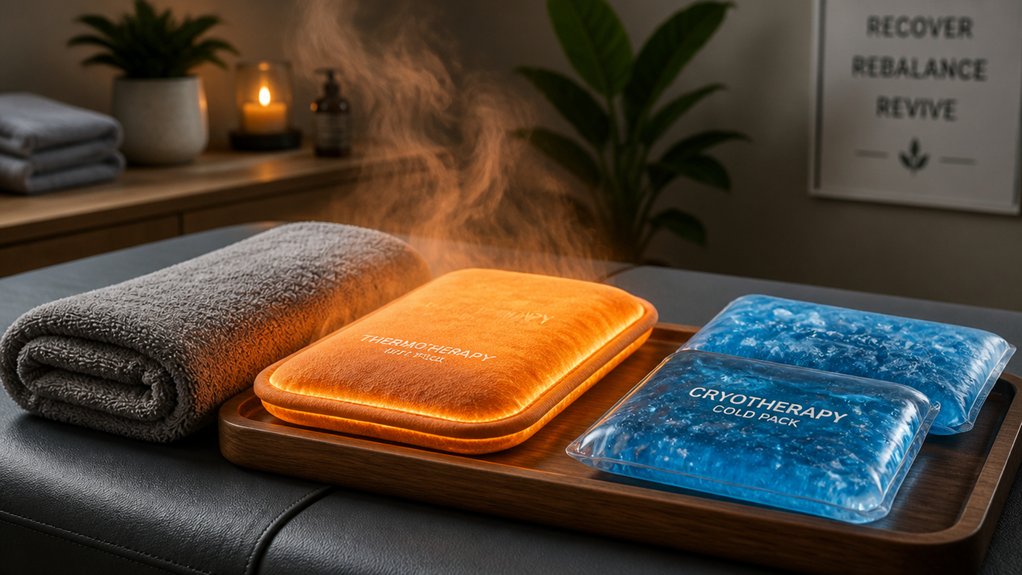
Deciding whether to use cold, heat, or contrast therapy depends on the type and stage of your injury. If it’s within the first 48 hours, using ice can reduce pain, swelling, and inflammation by constricting blood vessels and numbing nerves.
For injuries older than six weeks or chronic muscle pain, applying heat helps relax muscles and increases blood flow through vessel dilation. Contrast therapy, alternating between cold and heat, can combine these benefits—reducing inflammation and boosting circulation.
Start with cold therapy during the acute phase, then switch to heat once swelling diminishes to promote tissue repair and relaxation. Always use a cloth barrier, limit ice to 15-20 minutes, and avoid applying heat directly to swollen or inflamed areas to prevent worsening symptoms.
How to Perform Contrast Therapy Safely at Home
- Use a cloth barrier with ice packs
- Keep heating pads warm, not hot
- Avoid exceeding recommended durations
- Rest and hydrate after sessions
Signs You Should Switch Between Therapies or See a Doctor
If your pain or swelling gets worse or doesn’t improve after a few days, it’s time to reconsider your treatment approach or see a doctor.
Severe or ongoing symptoms can indicate a problem that heat or cold therapy alone can’t address. Don’t hesitate to seek professional help if your condition worsens or if you notice signs of infection or circulation issues.
Persistent Pain or Swelling
When pain or swelling persists beyond the first 48 hours after an injury, it may be a sign that you need to switch from ice therapy to heat therapy to encourage blood flow and relax tight muscles. Continuing to use ice therapy on ongoing swelling or pain can sometimes hinder healing.
If your symptoms don’t improve after cycling hot and cold therapies (10-15 minutes each, 2-3 times daily), it’s time to seek medical advice. Persistent swelling despite ice application may signal complications like infection or improper healing. Avoid heat therapy on inflamed or swollen areas, as it can worsen symptoms.
If you find that alternating heat and ice doesn’t reduce your pain or stiffness within a week, consulting a healthcare professional is essential.
- Attracted to prolonged swelling despite treatment
- Increased pain or stiffness with therapy
- Swelling that remains unchanged after several days
- Symptoms worsening or failing to improve
Severe or Worsening Symptoms
Persisting or worsening symptoms after cycling through ice and heat therapies suggest that your injury may need closer attention. If you experience severe symptoms such as intense, unrelenting pain, numbness, or skin changes, stop treatment immediately and consult a healthcare professional. These signs can indicate tissue damage or other serious issues requiring medical evaluation.
Switching from ice to heat therapy is recommended once swelling and inflammation decrease, usually after 48-72 hours, but avoid heat on inflamed areas, as it could worsen discomfort.
If alternating therapies fails to improve muscle stiffness, swelling, or pain after a few days, seek medical advice to rule out complications. Prompt action guarantees you get the pain relief you need without risking further injury.
Tips to Maximize Your Recovery and Avoid Common Mistakes
Maximizing your recovery involves following specific guidelines to guarantee a safe and effective process. Using Ice and Heat Therapy at the right times helps reduce inflammation and speed up recovery time.
Follow proper ice and heat therapy guidelines to ensure safe, effective recovery and reduce inflammation efficiently.
To avoid common mistakes:
- Always start with cold therapy within 48 hours of injury or surgery, applying ice packs for 15-20 minutes every 4-6 hours with a cloth barrier.
- Shift to heat therapy after the acute phase, applying moist or dry heat packs for up to 20 minutes, 3 times daily, to relax muscles and improve tissue elasticity.
- Use contrast therapy, alternating cold and heat cycles of 5-15 minutes, 2-3 times per session for better circulation.
- Combine cold therapy with compression wraps to control swelling, but remove them periodically to prevent skin issues.
Best Equipment and Tools for Hot and Cold Therapy
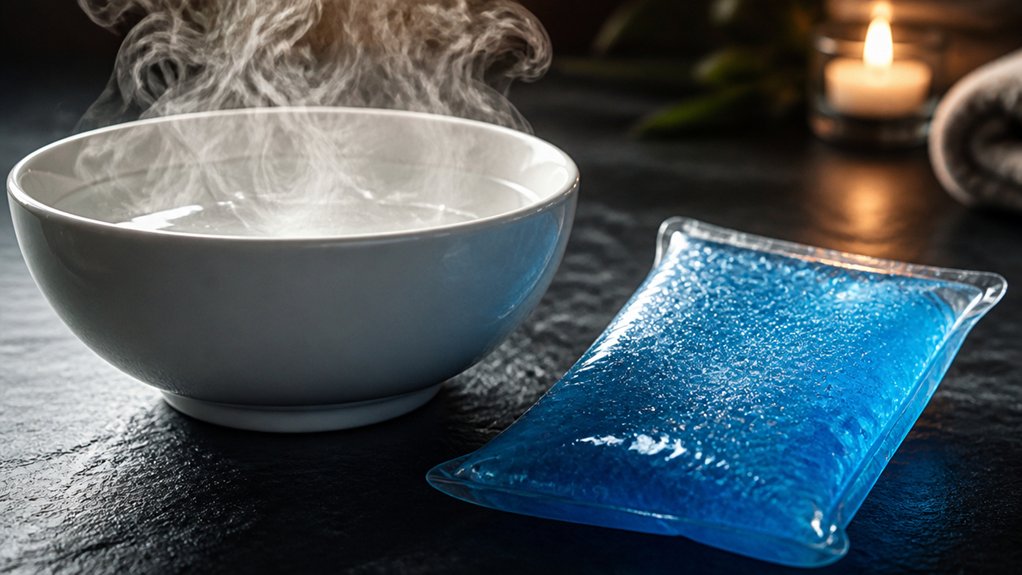
Choosing the right equipment is essential for effective hot and cold therapy. For cold therapy, use ice packs, gel packs, or homemade slushy mixes to reduce swelling and control pain. Cold compresses, combined with compression wraps and adjustable straps, can stabilize the area and boost blood flow during treatment.
For hot therapy, electric heating pads, moist heat packs, hot water bottles, and heat wraps deliver consistent warmth for muscle relaxation. Whole-body relief can be achieved with hot baths between 92°F and 100°F, providing moist heat for deeper relaxation.
Digital machines, like the Hyperice X, offer automated contrast therapy with programmable timers and temperature controls. Always place a cloth or towel barrier between your skin and the device to prevent burns or frostbite during therapy sessions.
When to Get Professional Help for Persistent Pain or Injuries
You should seek professional help if your pain or swelling doesn’t improve after consistent use of ice and heat therapy, indicating that your injury may need more advanced treatment. Ignoring persistent symptoms can worsen the condition or lead to complications.
Be cautious and look for signs that require medical attention, such as severe swelling, numbness, or loss of function.
- When pain persists beyond a few days despite home therapy
- If swelling remains intense or worsens
- If you experience numbness or diminished movement
- If pain worsens during alternating hot and cold treatments
In these cases, consulting a healthcare professional guarantees proper diagnosis and effective treatment, especially when at-home methods no longer seem sufficient for recovery.
Frequently Asked Questions
How Long Should You Alternate Ice and Heat?
You should alternate ice and heat for about 10-15 minutes each, repeating 3-4 times per session, with a total of 20-minute maximum applications. This helps reduce inflammation, promote blood flow, and prevents skin damage effectively.
Why Is Ice No Longer Recommended?
You shouldn’t use ice beyond 48 hours because it can delay healing by reducing blood flow, cause skin damage, and suppress beneficial inflammation. For chronic issues, heat or contrast therapy are safer options to promote circulation and flexibility.
In What Order Do You Do Hot and Cold Therapy?
You start with cold therapy first to reduce inflammation and numb pain, then switch to heat therapy to relax muscles and promote healing. Alternate between them in cycles, ensuring safety and comfort throughout your recovery process.
How Long Should You Do Hot and Cold Therapy?
You should limit cold therapy to 15–20 minutes per session with 30–60 minutes between, and heat therapy for the same duration, up to three times daily. For alternating therapy, cycle 5–15 minutes cold, then heat, for 30–60 minutes total.