After an ice bath, start with gentle walking or light cycling for 10-15 minutes to boost circulation and flush out metabolic waste. Incorporate dynamic stretches like leg swings and arm circles to restore flexibility. Try yoga poses such as Legs-Up-The-Wall to promote relaxation, and swim with easy strokes to support muscle recovery. Use compression garments and breathe deeply to activate your parasympathetic nervous system. For more effective recovery, explore additional moves and tips that can help you optimize your routine.
Why Active Recovery Benefits Your Post-Ice Bath Routine
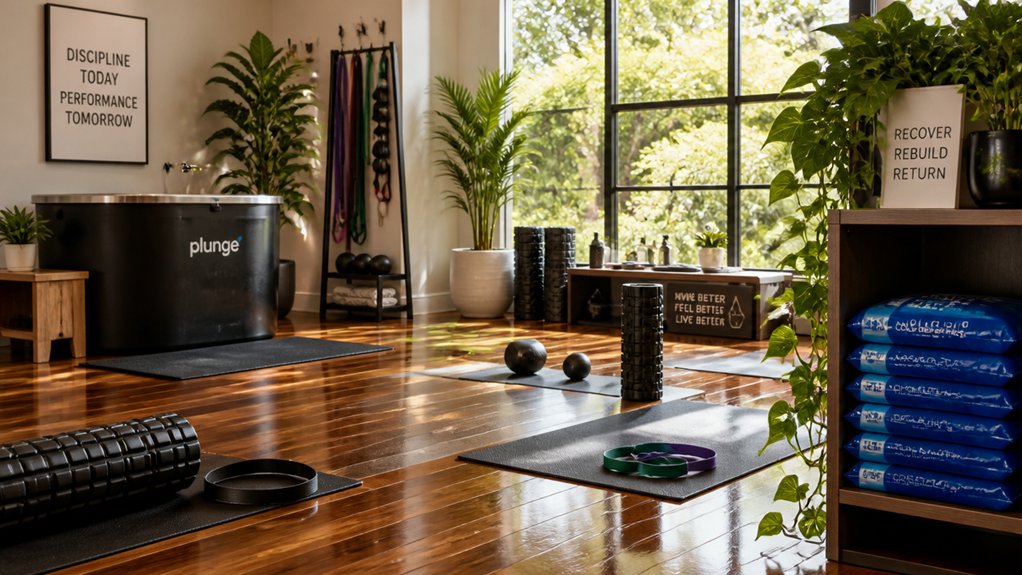
Active recovery after an ice bath offers several key benefits that can optimize your overall recovery. Ice baths work by reducing inflammation and limiting muscle damage, but incorporating light movement enhances these effects.
Active recovery promotes blood flow, helping to flush out metabolic waste produced during intense exercise. It also maintains muscle flexibility and prevents stiffness, supporting quicker return to training.
By engaging in gentle activities like walking or cycling within 24–48 hours, you help sustain muscle oxygenation and keep circulation steady. This process not only reduces Delayed Onset Muscle Soreness (DOMS) but also accelerates recovery, making you ready sooner for your next workout.
The combination of cold immersion and active recovery creates a circulatory “reset,” maximizing your recovery efficiency. Proper compression during this process can further enhance blood flow and reduce swelling, amplifying the benefits of your recovery routine.
Gentle Walking or Light Cycling to Promote Circulation
After sitting in an ice bath, engaging in gentle walking or light cycling can boost circulation without overstressing your muscles. These low-impact activities stimulate blood flow, helping flush out metabolic waste and accelerate recovery. Maintaining a steady pace at 50–60% of your max heart rate for 10–20 minutes enhances circulation, supporting muscle repair by keeping vasodilation active after cold-induced vasoconstriction. This gentle movement gradually increases muscle temperature and flexibility, reducing stiffness and easing shift to normal activity. Plus, active recovery like walking or cycling helps clear lactate and decrease delayed-onset muscle soreness (DOMS). Staying consistent with these light exercises makes a tangible difference in your recovery process—restoring flow, reducing soreness, and prepping your muscles for future training. Incorporating pressure levels that suit your body’s response can further optimize these recovery efforts.
How to Use Dynamic Stretching to Reduce Muscle Tension
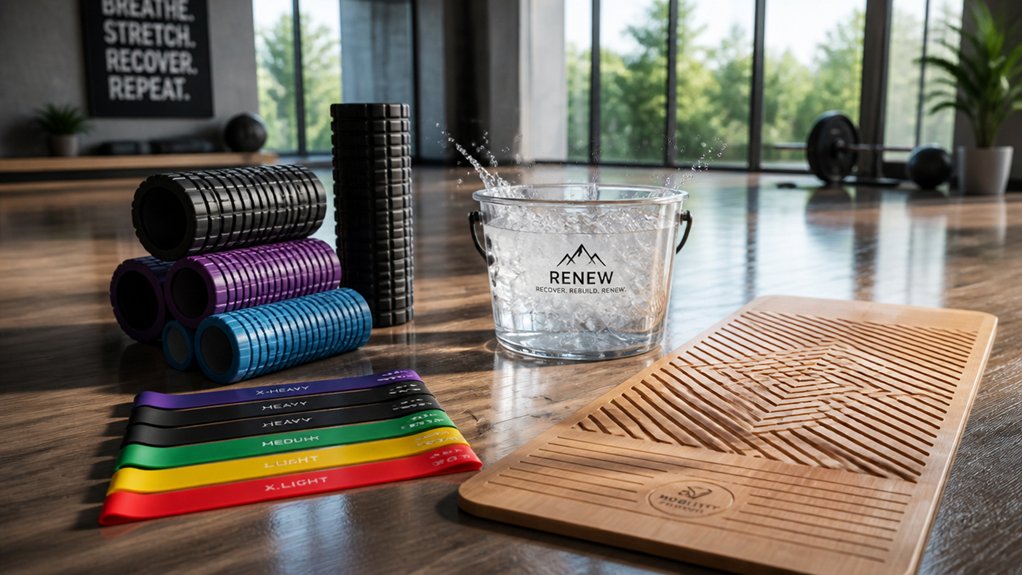
Dynamic stretching effectively reduces muscle tension following an ice bath by gently moving joints through their full range of motion, which promotes blood circulation and enhances muscle elasticity.
Dynamic stretching after an ice bath boosts circulation and eases muscle tension safely and effectively.
After cold water immersion, your muscles experience vasoconstriction, making movement essential to restore warmth and flexibility. Incorporate controlled arm circles, leg swings, and torso twists into your post-ice bath recovery routine to gradually warm muscles without overstressing them.
Performing dynamic stretches for 5-10 minutes supports shifting from reduced muscle temperature back to peak function and flexibility. Unlike static stretching, dynamic moves activate neuromuscular pathways, improving movement readiness and reducing stiffness caused by cold water immersion.
Keep movements light to moderate, avoiding sudden or forceful actions that could strain cooled, less pliable muscles.
Yoga Poses to Enhance Circulation and Relaxation
Gentle yoga poses, like Legs-Up-The-Wall, help boost circulation by using gravity to move blood more effectively after an ice bath. Deep breathing techniques support relaxation and oxygenate your muscles, speeding up recovery. Combining these movements can soothe tension and enhance your overall sense of calm. Incorporating recovery tracking apps can also help monitor your progress and optimize your post-ice bath routine.
Gentle Stretching Benefits
Engaging in gentle stretching after an ice bath actively boosts circulation by helping blood flow return gradually to cooled muscles. This process supports nutrient delivery, waste removal, and overall muscle recovery.
Through yoga poses like Child’s Pose, Cat-Cow, and Reclining Twist, you relax stiff muscles and fascia, easing cold-induced tension. Holding static stretches for 20–30 seconds further reduces delayed onset muscle soreness (DOMS) by promoting muscle lengthening and decreasing tightness.
Incorporating breath control during these stretches stimulates the parasympathetic nervous system, encouraging relaxation and easing residual stress. Gentle stretching also prevents muscle tightness, increases joint mobility, and fosters long-term flexibility. It’s an essential step to complement ice baths and optimize recovery. Additionally, using foam rollers can help maintain muscle elasticity and enhance the effectiveness of your post-ice bath routine.
Deep Breathing Techniques
Have you considered how deep breathing techniques can amplify the recovery benefits of an ice bath? Practicing deep breathing techniques, like diaphragmatic breaths, during gentle yoga poses boosts parasympathetic activation, helping your nervous system reset.
Poses such as Legs-Up-The-Wall promote circulation and muscle relaxation while improving venous return, which aids in flushing out metabolic waste. Controlled, paced breaths during supported poses like Child’s Pose reduce stress hormones and encourage a calm state.
Synchronizing breath with gentle spinal twists stimulates rhythmic breathing patterns, supporting lymphatic flow and detoxification after vasoconstriction and vasodilation from cold exposure. During seated meditation, slow breaths at 4-6 per minute enhance oxygen delivery to muscles and decrease perceived soreness, making deep breathing an essential active recovery move after an ice bath.
Water Activities Like Swimming to Support Muscle Recovery
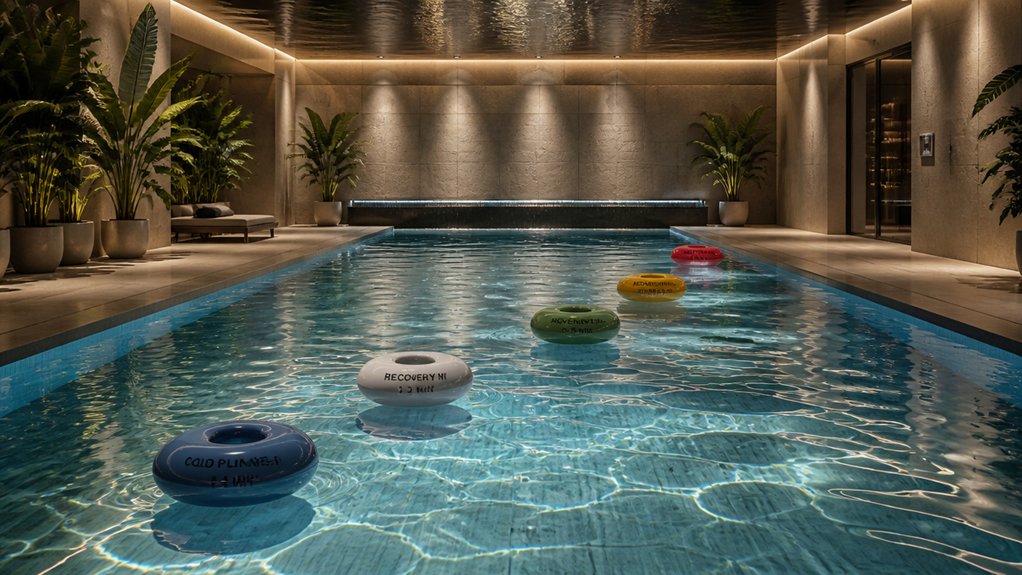
Swimming after an ice bath provides a low-impact way to enhance muscle recovery without adding stress to your joints. It’s an effective active recovery strategy that boosts blood flow and oxygen delivery, helping to clear metabolic waste like lactic acid and reduce muscle soreness. Using resistance bands during water exercises can further enhance muscle activation and flexibility, contributing to improved recovery outcomes.
Gentle swimming at 50–60% effort for 20–30 minutes supports your recovery benefits while maintaining mobility and flexibility. Alternating strokes and light water jogging post-ice bath can further improve circulation, complementing vasodilation caused by cold immersion.
Performing these water activities within 24–48 hours helps minimize delayed onset muscle soreness (DOMS) and sustains aerobic conditioning during recovery days. Incorporating swimming into your recovery strategy accelerates healing while avoiding overexertion.
Foam Rolling Techniques for Tension and Fascia Release
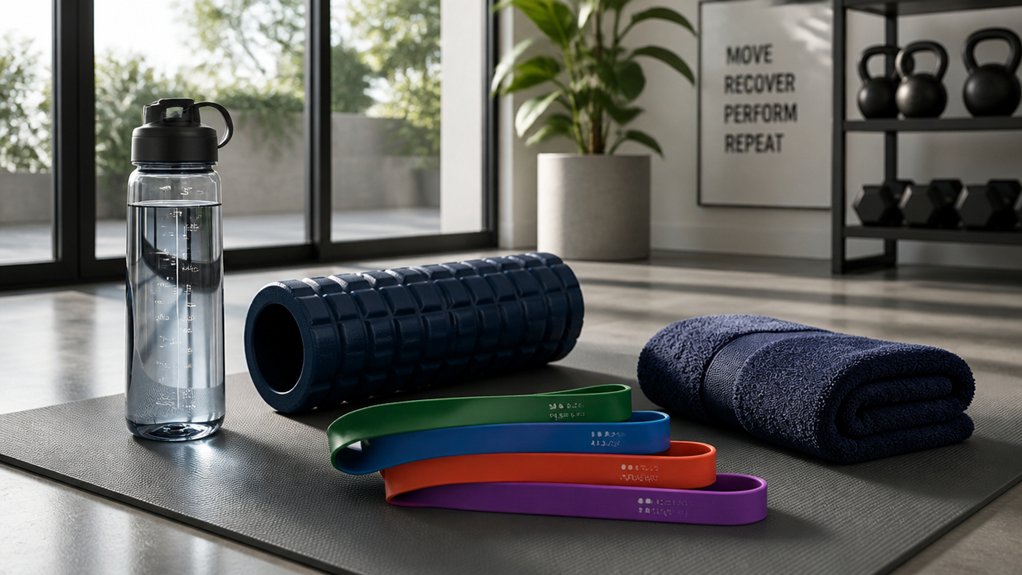
Foam rolling after an ice bath effectively releases muscle tension and fascia tightness by applying sustained pressure to soft tissues. This technique enhances blood flow and promotes fascia release, helping your muscles recover more efficiently. Incorporating the use of interchangeable heads can further target specific muscle groups with precision during your foam rolling routines.
Target specific muscle groups like quads, hamstrings, calves, and glutes for 30–60 seconds each, which aids in reducing stiffness and improving range of motion. Combining slow, controlled rolling with deep breathing maximizes muscle and fascia relaxation, complementing the cold therapy’s effects.
Foam rolling after cold immersion also supports decreasing delayed onset muscle soreness (DOMS) and boosts muscle readiness for upcoming activities. By integrating foam rolling into your recovery routine post–ice bath, you enhance circulation, speed up recovery, and prepare your body for subsequent training.
Using Compression Garments for Swelling and Support
After ice baths, applying compression garments can greatly aid your recovery by promoting better circulation and reducing swelling. These garments apply controlled pressure, helping counteract vasoconstriction caused by cold water immersion.
Wearing compression socks, sleeves, or tights for 1–2 hours improves blood flow and supports muscle recovery by enhancing metabolic waste removal. They also help keep swelling in check, easing muscle soreness and fatigue.
When used with pneumatic compression devices, you get extra circulation stimulation and edema reduction, boosting active recovery. Consistent use guarantees decreased inflammation and ongoing muscle support during post-ice bath recovery phases.
Additionally, incorporating tools like muscle scraping can further enhance lymphatic drainage and tissue mobilization, accelerating your recovery process.
Imagine:
- Tight compression socks supporting lower limbs
- Sleeves promoting circulation around sore muscles
- Tights aiding sustained blood flow for faster recovery
Breathing Exercises to Reduce Stress and Boost Circulation
After an ice bath, controlled deep breathing can help calm your nervous system and reduce stress.
Using techniques like box breathing or slow nasal inhales improves circulation and speeds recovery.
Incorporating mindful breath control for a few minutes can also lower cortisol and prepare your body for movement.
Controlled Deep Breathing
Engaging in controlled deep breathing during recovery helps you calm your nervous system and accelerate muscle relaxation. This practice modulates the autonomic nervous system, reducing the cold shock response and lowering your heart rate for a sense of calm.
Slow, diaphragmatic breaths increase oxygen intake, boosting circulation and delivering oxygen-rich blood to tired muscles. Practicing breath holds or box breathing further enhances stress tolerance and sharpens mental focus.
Deep breathing stimulates the vagus nerve, which reduces inflammation and activates the parasympathetic nervous system—key for speedy recovery.
Visualize:
- Your breath slowly calming your nerves, lowering your heart rate
- Oxygen-rich blood flowing freely through your muscles
- The vagus nerve signaling relaxation and reduced inflammation
These techniques optimize recovery by calming your body and improving circulation.
Mindful Breathing Techniques
Building on controlled deep breathing, incorporating mindful breathing techniques enhances your recovery by actively reducing stress and supporting circulation. Mindful breathing stimulates the parasympathetic nervous system, promoting relaxation and helping your heart rate stabilize after cold exposure.
Through breath control, such as box breathing—inhale, hold, exhale, hold—you decrease stress hormones and calm your nervous system. These techniques increase oxygen intake, which boosts circulation, aiding nutrient delivery and waste removal in muscles. Practicing mindful breathing can also mitigate the cold shock response, reducing shivering and speeding up warming.
Research shows that combining breathwork with cold exposure improves cardiovascular regulation and mental focus, while lowering anxiety. By intentionally guiding your breath, you optimize recovery and support your body’s adaptability after an ice bath.
When and How Long to Perform Active Recovery Exercises
Timing is essential when scheduling active recovery exercises following an ice bath. Wait 30 to 60 minutes post-immersion to allow your muscles to rewarm and maximize blood flow.
Keep recovery sessions brief—about 20 to 30 minutes at low intensity (50-60% max heart rate)—to support muscle repair without stressing your muscles further. Focus on light movement, such as walking, cycling, or swimming, which helps flush metabolic waste and reduces muscle stiffness.
These gentle activities promote circulation, aiding recovery and preparing your body for future training sessions. Avoid high-intensity efforts immediately after ice baths, as they can hinder vasodilation and negate recovery benefits.
Regular active recovery after ice baths enhances overall muscle repair and accelerates your readiness for upcoming workouts.
Listening to Your Body and Adjusting Your Recovery Routine
Ever wonder how to tell if your recovery routine is working? After an ice bath, listen closely to your body’s signals. Notice any muscle soreness, numbness, or muscle fatigue that persists beyond 24 hours—it might mean you need to adjust your active recovery.
Use gentle movements like walking or light cycling at 50–60% max heart rate to promote circulation and support tissue repair without risking stiffness or injury. Observe your range of motion and pain levels during post-immersion activities; improvements indicate progress.
If discomfort remains high, reduce recovery volume or pause intense activity. Track your energy, alertness, and soreness to fine-tune your recovery routine and ice bath frequency. Customizing your approach guarantees peak healing and prevents overstressing cold-constricted tissues.
Frequently Asked Questions
Does Ice Bath Speed up Muscle Recovery?
Yes, ice baths speed up muscle recovery by reducing inflammation, minimizing soreness, and flushing waste. You feel relief faster, but don’t overuse them, as they might interfere with muscle gains if used too often immediately after strength training.
Can Ice Baths Help With Lipedema?
Ice baths can help with lipedema by reducing inflammation and improving lymphatic drainage, but you should use them cautiously under medical supervision. They won’t cure lipedema but might ease some discomfort temporarily when combined with gentle movement.
What to Do After an Ice Bath for Recovery?
After an ice bath, you should engage in gentle activities like walking or light cycling, do dynamic stretches, and incorporate mobility drills or yoga to boost circulation, prevent stiffness, and support gradual warming without overexerting your muscles.
How Long Should You Be in an Ice Bath for Recovery?
You should aim for 10 to 15 minutes in the ice bath for recovery, starting with shorter durations if you’re a beginner. Monitor how your body feels, and never exceed 15 minutes to avoid risks like numbness or hypothermia.