
You should avoid icy immersion after surgery because it causes vasoconstriction, reducing blood flow, oxygen, and nutrients essential for healing. Excess cold can also damage tissues, nerves, and skin, increasing risks like frostbite and tissue necrosis. Cold therapy may slow your immune response and delay inflammation needed for repair, potentially worsening recovery. To learn how to manage swelling and pain safely, keep exploring the best approaches for your healing process.
How Cold Immersion Might Slow Your Healing After Surgery
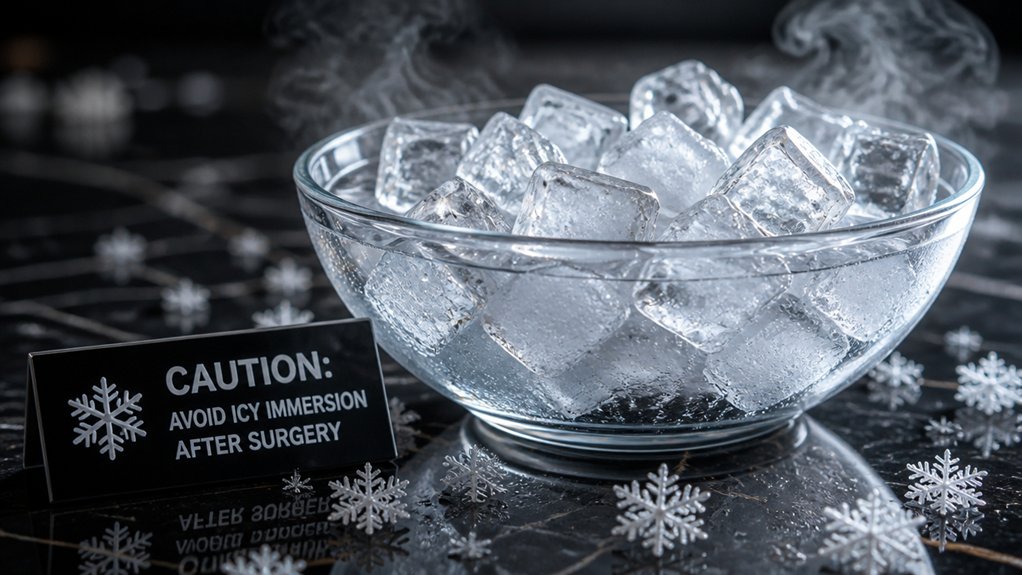
While cold immersion might seem like a quick way to soothe post-surgical pain, it can actually hinder your healing process. Cold therapy causes vasoconstriction, which substantially reduces blood flow to the injured area. This decrease limits oxygen and nutrient delivery that are essential for tissue repair.
When circulation drops, the transport of white blood cells and immune factors slows, delaying healing. Excessive cold exposure may also increase the risk of tissue necrosis by causing prolonged oxygen deprivation to delicate tissues. Additionally, cold immersion can suppress the body’s natural inflammatory response, which is critical for jump-starting recovery. Utilizing proper water care and maintenance guidelines is important to prevent overexposure.
Without proper blood flow and inflammation, your body’s ability to heal efficiently becomes compromised, making cold therapy counterproductive during recovery.
Risks of Excessive Cold and Skin Injury During Recovery
Excessive cold exposure during recovery can pose serious risks to your skin and tissues. Prolonged exposure to cold constricts blood vessels, causing swelling and inflammation, and can lead to nerve damage. Your skin’s impaired sensation from surgery makes it harder to notice early signs of injury. Frostbite, blistering, and ice burns are common with extended icy immersion, risking permanent tissue damage. Nerve injury can worsen, increasing the chance of undetected cold injury. Using appropriate cold plunge covers can help mitigate some of these risks by providing insulation and debris protection.
How Cold Therapy Can Interfere With Inflammation and Tissue Repair
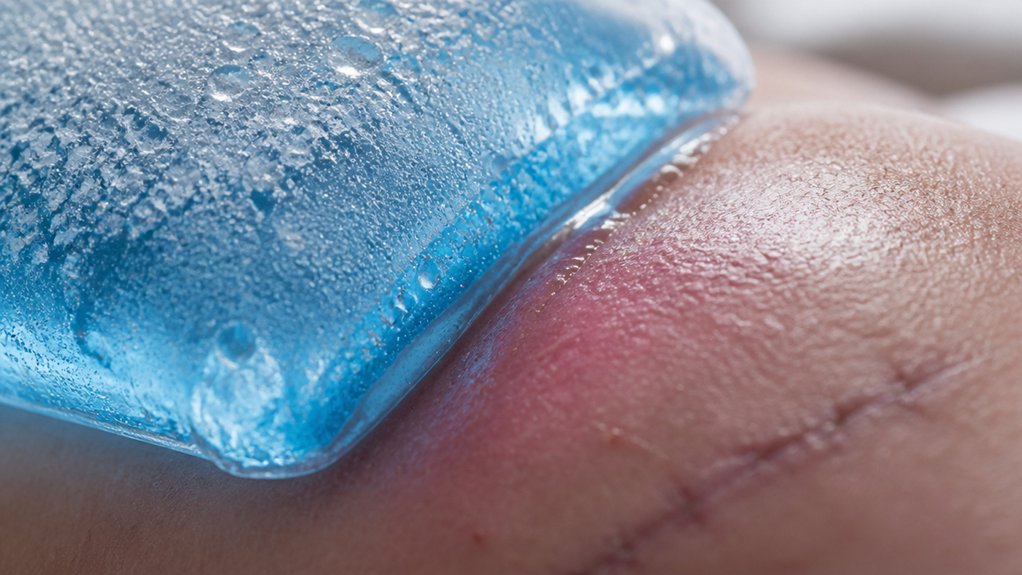
Cold therapy can interfere with inflammation and tissue repair by constricting blood vessels, which reduces the flow of oxygen and nutrients essential for healing. When blood flow diminishes, your body’s natural ability to deliver healing components slows down, delaying recovery. A proper balance of cold therapy is crucial, as excessive use can impair the benefits of compression and cold therapy aimed at supporting the healing process. Inflammation is a necessary part of the healing process because it activates white blood cells that help rebuild tissue. Overusing cold therapy can suppress this critical response, hindering tissue repair. Excessive or prolonged cold applications may even cause tissue necrosis by limiting necessary blood supply. While managing swelling and pain is important, restricting natural inflammation through too much cold therapy can interfere with your body’s active repair processes. For proper recovery, it’s imperative to support those innate healing mechanisms rather than suppress them.
Safer Ways to Handle Swelling and Pain Without Icy Immersion
You can manage swelling and pain effectively without resorting to icy immersion by using safer, evidence-based methods. Cold therapy with ice packs wrapped in cloth for 15-20 minutes per session safely reduces swelling without risking tissue damage. Surgeons also recommend compression garments to control fluid buildup and bruising, supporting proper healing. Gentle, short walks help promote blood circulation, reducing stiffness and aiding in swelling management without the risks linked to cold water immersion. Additionally, prescribed pain medications provide effective pain control, reducing the need for risky icy plunge techniques. Incorporating anti-chafe balms that protect sensitive skin during movement can help prevent irritation and discomfort while you recover. Eating nutrient-rich foods like leafy greens, fish, and berries supports natural healing and inflammation control, offering a safe, holistic approach to handling pain and swelling during recovery.
Important Safety Tips Before Using Cold Plunges or Ice Baths Post-Surgery
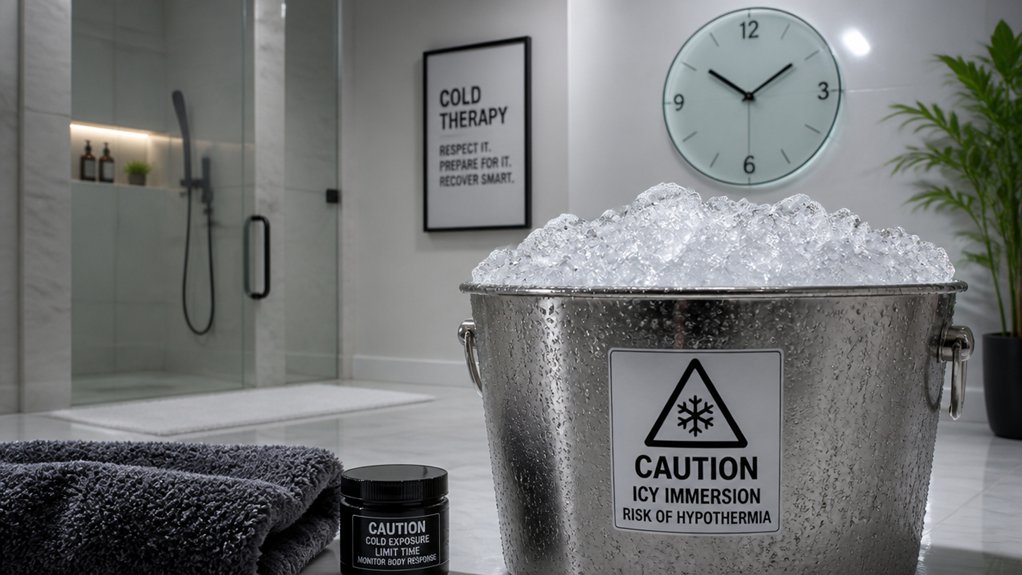
Before incorporating cold plunges or ice baths into your post-surgery recovery plan, it’s essential to understand the potential risks involved. Cold therapy, if misused, can cause tissue damage, frostbite, and impairs healing by reducing blood flow and causing numbness.
Since surgical sites manipulated by nerves may not detect extreme cold, you should pay attention to signs of cold injury, like skin discoloration or burning sensations. Medical guidelines recommend limiting cold therapy sessions to 15-20 minutes with breaks to avoid circulation restriction and delayed healing.
Using bromine tablets to maintain sanitized ice bath water can help ensure safe conditions during cold therapy, but proper attention to water temperature and disinfection is crucial. Always consult your surgeon before trying cold plunges, as improper use may interfere with necessary inflammation. Use only controlled cold therapy methods, such as ice packs or cryotherapy machines, and avoid full-body immersion for safe recovery.
Frequently Asked Questions
Why Shouldn’t You Ice After Surgery?
You shouldn’t ice after surgery because it can cause excessive vasoconstriction, limit blood flow, delay healing, and risk nerve damage or frostbite. Always follow your doctor’s guidance to use cold therapy safely and prevent complications.
Are Ice Baths Good After Surgery?
Ice baths aren’t good after surgery because they can hinder healing by reducing blood flow, increase the risk of tissue damage, and suppress necessary inflammation. Instead, follow your doctor’s recommended cold therapy for safe recovery.
When Should You Not Do an Ice Bath?
You should not do an ice bath if you experience excessive swelling, skin discoloration, numbness, or impaired sensation, especially after surgery. Don’t do it within 24 to 48 hours without your doctor’s approval, particularly if you have cardiovascular issues.
How Long After Surgery Should You Keep Icing?
You should keep icing for 15-20 minutes per session, especially within the first 24 to 48 hours post-surgery. Follow your surgeon’s advice, avoid over-icing, and stop if you experience numbness, redness, or discomfort.